Launching a new apparel product requires careful planning, especially when the product needs to be manufactured according to a brand’s own specifications. For companies developing shirts, overshirts, casualwear, or seasonal collections, finding an experienced flannel shirt manufacturer can make the process much easier.
A flannel shirt may have a relatively straightforward appearance, but producing a commercially successful garment involves many individual decisions. The fabric needs to have the right weight and feel. The pattern must create the desired silhouette. Buttons, pockets, cuffs, collars, stitching, labels, and other details all need to work together. Once the design is approved, the manufacturer must reproduce the same specifications consistently across the entire production run.
For a clothing brand, the relationship with a manufacturer should therefore begin long before bulk production. A successful project usually involves product planning, technical development, material selection, prototyping, sample approval, manufacturing, quality control, packaging, and delivery.
Understanding each stage can help brands communicate more effectively with their manufacturing partner and make better decisions throughout the project.
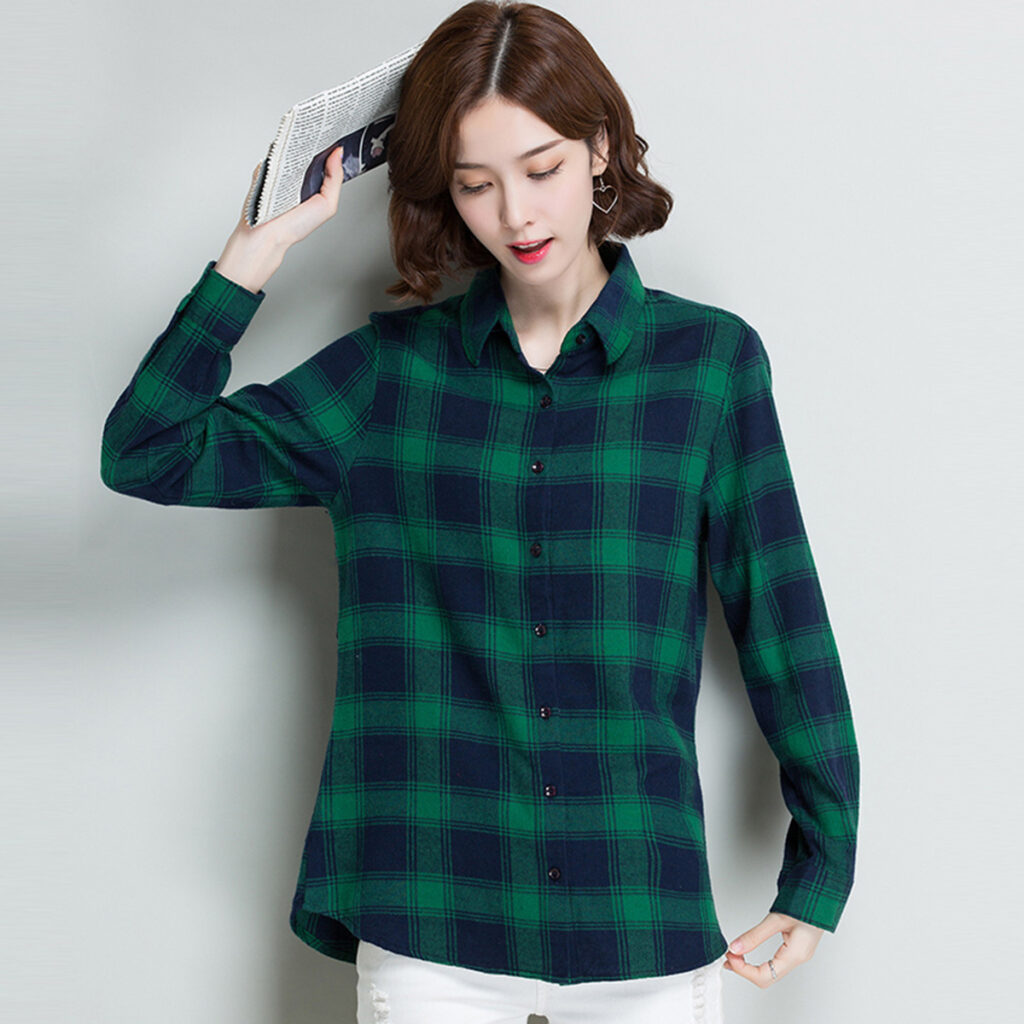
Start With a Detailed Product Brief
Before contacting a flannel shirt manufacturer, it is useful to prepare a product brief.
The brief does not have to be a complete technical package, particularly if your brand does not have an in-house technical team. However, it should provide enough information for the manufacturer to understand what you want to create.
A product brief can include:
- Product name
- Target customer
- Intended season
- Garment style
- Desired fit
- Fabric preference
- Fabric weight
- Color requirements
- Plaid or solid design
- Pocket details
- Collar style
- Cuff design
- Button preferences
- Logo placement
- Label requirements
- Packaging requirements
- Estimated order quantity
- Target production date
Reference images can also be extremely useful.
For example, you might provide photographs showing the desired collar shape, sleeve length, pocket style, fabric texture, or overall silhouette.
The goal is to give the manufacturing team a clear starting point.
At Monsoon Apparel, the manufacturing process begins by understanding the customer’s brand vision, target audience, and product goals. The design team then translates the concept into detailed technical specifications covering measurements, seams, and other product features.
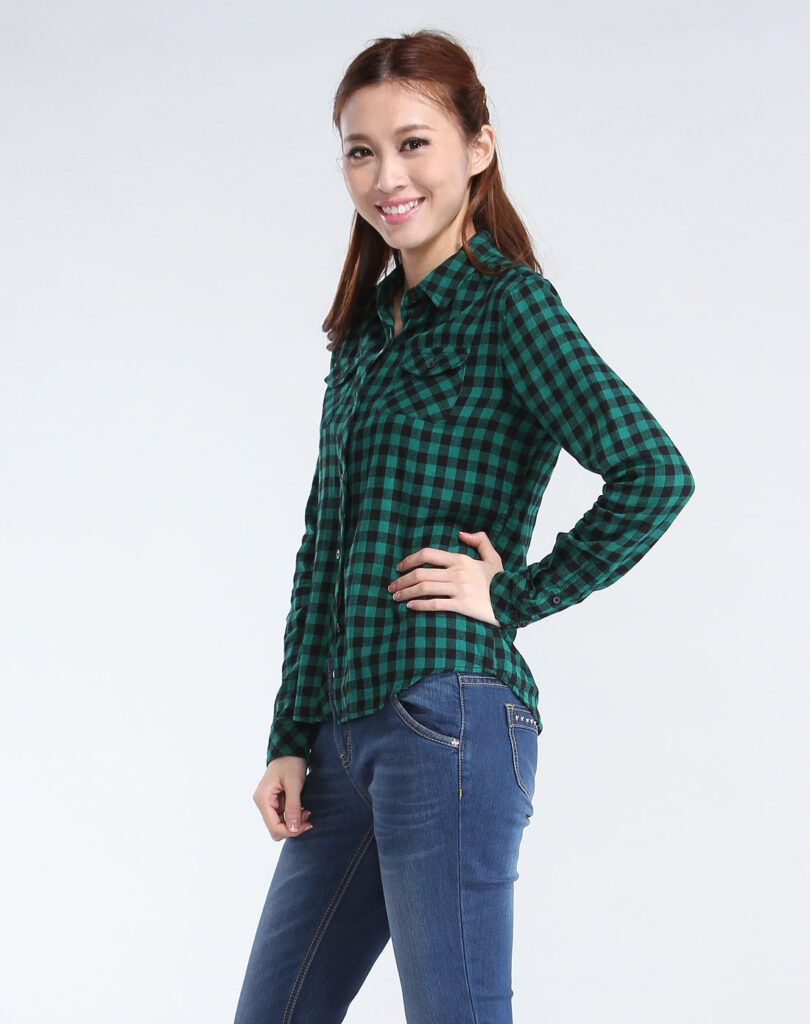
Define the Purpose of the Flannel Shirt
Not every flannel shirt is designed for the same purpose.
A brand should define how customers are expected to wear the garment before finalizing its specifications.
For example, a lightweight flannel shirt may be intended for layering over a T-shirt. A heavier design may function as an overshirt during colder weather.
A streetwear brand might want an oversized silhouette, while a traditional casualwear company may prefer a classic regular fit.
A workwear brand may need stronger seams, durable fabric, and functional pockets.
These different requirements affect almost every stage of development.
The intended use can influence:
- Fabric weight
- Fabric composition
- Garment fit
- Pocket size
- Pocket location
- Button type
- Seam construction
- Sleeve design
- Overall garment weight
A clear product purpose helps the manufacturer make more appropriate recommendations during development.
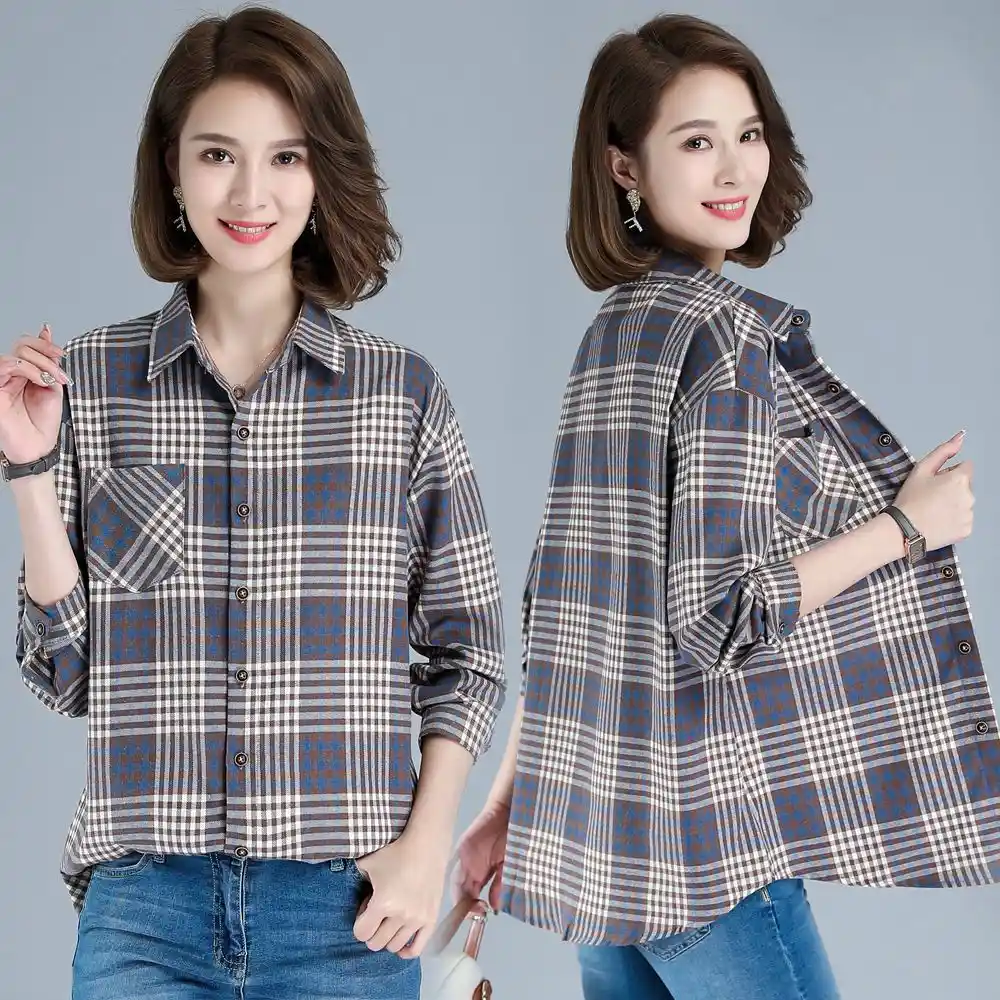
Choosing Fabric With Your Manufacturer
Fabric selection should be one of the earliest discussions between a brand and its manufacturer.
Flannel is commonly associated with a soft, brushed surface, but there are many different options available in terms of composition, weight, texture, and finish.
When reviewing fabric samples, do not look only at the color.
Pay attention to:
Hand Feel
The fabric should feel appropriate for the intended product. A premium casual shirt may require a particularly soft and comfortable surface, while a workwear product may prioritize durability.
Weight
Fabric weight affects warmth, structure, drape, and overall garment feel.
Surface Finish
Brushing can create the soft texture commonly associated with flannel.
Color
The physical fabric should be evaluated under appropriate lighting because colors can appear different on a computer screen.
Shrinkage
Natural fabrics can change after washing, so shrinkage should be considered during development.
Durability
The fabric should be suitable for the expected frequency of wear and washing.
Brands should also consider how the material behaves during cutting and sewing. A fabric that looks excellent but creates production problems may not be the most practical choice for a large commercial order.
Developing the Garment Pattern
Once the material and basic design have been established, the manufacturer can develop the garment pattern.
The pattern determines how the different fabric pieces fit together to create the final silhouette.
For a flannel shirt, this may involve:
- Front panels
- Back panel
- Sleeves
- Collar
- Cuffs
- Chest pockets
- Plackets
- Yokes
- Hem sections
The pattern also controls important measurements.
For example, changing the shoulder width can affect the entire appearance of the shirt. Increasing the body width can create a more relaxed silhouette, while shortening the body length can create a more contemporary proportion.
This is why brands should evaluate the complete garment rather than focusing on only one measurement.
A professional manufacturer can translate the desired design into a production-ready pattern and then refine it during the sample stage.
Technical Specifications Reduce Production Errors
A technical specification sheet can be extremely useful when developing custom flannel shirts.
It provides a written reference for the manufacturing team and helps ensure that everyone is working from the same information.
A technical package may contain:
- Flat sketches
- Measurement charts
- Fabric information
- Color references
- Stitching requirements
- Button specifications
- Label placement
- Pocket dimensions
- Artwork
- Embroidery files
- Packaging instructions
Clear specifications can reduce misunderstandings, particularly when multiple people are involved in product development.
For international clothing brands, documentation is even more important because communication may take place remotely.
A manufacturer should be able to review the specifications and identify potential issues before production begins.
Prototype Development
After the initial design and materials have been confirmed, a prototype can be created.
The prototype provides the first opportunity to see how the concept works as an actual garment.
This stage can reveal issues that may not be obvious from drawings.
For example:
- The sleeves may be too long.
- The collar may be too large.
- The body may feel too narrow.
- The pocket may be positioned incorrectly.
- The fabric may be heavier than expected.
- The plaid may not align properly.
- The buttons may not complement the fabric.
- The overall silhouette may look different from the original reference.
These issues are much easier to correct before bulk production.
Monsoon Apparel describes its process as including precision prototyping after the designs and materials are confirmed. Customers can review the sample’s fit, feel, and workmanship before full production begins.
Sample Approval Should Be a Formal Stage
Sample approval is more than simply saying that you like the shirt.
The approved sample should become the physical reference for the bulk production team.
Before approving a flannel shirt sample, brands should review the garment carefully.
Check the measurements against the specification sheet.
Evaluate the fabric under normal lighting.
Inspect stitching and seams.
Check buttons and buttonholes.
Review the collar and cuffs.
Examine pocket placement.
Look at plaid alignment.
Confirm labels and branding.
Try the shirt on a suitable model to evaluate the fit.
If changes are necessary, communicate them clearly and request a revised sample where appropriate.
Monsoon Apparel states that production moves forward after sample approval, allowing customers to evaluate the product before mass manufacturing.
This process gives brands greater control over the final product.
Consistency During Bulk Manufacturing
After approval, the challenge changes from product development to consistency.
Producing one excellent sample is different from producing hundreds or thousands of garments that all meet the same specifications.
The manufacturer needs to maintain consistency in:
- Fabric
- Color
- Measurements
- Stitching
- Buttons
- Labels
- Pocket placement
- Pattern matching
- Finishing
Modern production equipment can help improve manufacturing efficiency, but experienced production personnel are equally important.
Monsoon Apparel states that it uses advanced equipment and skilled production teams to support both smaller launches and larger production runs while maintaining consistency across garments.
For brands, this consistency is important because customers expect the same product quality regardless of when or where they purchase the garment.
Managing Multiple Colors and Sizes
Flannel shirt collections often include several colors and sizes.
This can make production management more complicated.
For example, a brand may launch a shirt in:
- Black and grey plaid
- Red and black plaid
- Brown and beige plaid
- Navy plaid
Each color may then require several sizes.
Brands should establish a clear production breakdown before manufacturing begins.
The order should specify quantities by:
Style → Color → Size
Clear quantity planning can reduce mistakes during production and packaging.
It also makes inventory management easier after the garments arrive.
Private Label Details Should Be Confirmed Early
If you are building a branded apparel collection, private labeling should be included in the development process from the beginning.
A flannel shirt may use several branding components.
These can include:
- Woven neck labels
- Printed care labels
- Size labels
- Hangtags
- Logo embroidery
- Printed graphics
- Custom packaging
Monsoon Apparel provides custom labeling services and allows brands to add their own name and logo to garments.
Brands should provide final artwork and confirm placement before bulk manufacturing.
Changing labels after production has started can create unnecessary delays and additional costs.
Printing and Embroidery
Some flannel shirt collections use decoration to create additional brand identity.
Embroidery is often suitable for logos and smaller decorative elements, while printing can be used for larger graphics.
The choice depends on the design and the desired appearance.
Monsoon Apparel provides both screen printing and embroidery services, including precision embroidery for logos and detailed designs.
For custom flannel shirts, brands should always review decorated samples before approving bulk production.
This is especially important because fabric texture can influence how embroidery and printing appear on the finished garment.
Minimum Order Quantity and Inventory
MOQ is an important consideration when choosing a manufacturing partner.
Large minimum quantities may be appropriate for established brands with predictable demand. However, startups and smaller businesses may prefer a manufacturer that can support lower quantities.
Monsoon Apparel states that it maintains a low MOQ to help businesses reduce inventory costs and lower the risk of overstocking.
Lower order quantities can also help brands test new styles.
For example, a company could launch a limited quantity of a new flannel shirt, monitor sales, and then increase the order if customers respond positively.
This approach can make inventory management more flexible.
Production Timing for Seasonal Products
Flannel shirts are often associated with autumn and winter, so production timing can have a major effect on sales.
A brand should allow enough time for:
- Product concept development
- Fabric selection
- Pattern development
- Prototype production
- Sample revisions
- Final approval
- Bulk production
- Quality control
- Packaging
- Shipping
- Marketing
Monsoon Apparel states that its standard order turnaround is 7–20 working days, with expedited production available for urgent cases. Actual timing will depend on the specific product, materials, order quantity, and other requirements.
Brands should therefore discuss their desired delivery date with the manufacturer before confirming the production schedule.
Packaging and Delivery
The manufacturing process does not end when the last shirt leaves the sewing line.
The finished garments need to be checked, folded, packed, labeled, and prepared for shipment.
Packaging requirements can vary depending on the sales channel.
An e-commerce brand may want individually packed garments, while a wholesale customer may require carton packing optimized for warehouse storage.
Monsoon Apparel states that it can package products according to customer specifications and manage worldwide shipping to the destination.
Clear packaging instructions should be confirmed before production starts.
Build a Long-Term Relationship With Your Manufacturer
A successful first order can be the beginning of a long-term manufacturing relationship.
As the manufacturer becomes familiar with your brand, future projects may become easier.
The production team may already understand your preferred:
- Fabric weights
- Fits
- Labels
- Buttons
- Packaging
- Quality standards
- Measurement specifications
- Decoration methods
This can reduce development time for future products.
A brand that starts with flannel shirts may later expand into jackets, sweatshirts, hoodies, T-shirts, or other woven garments.
Working with one experienced apparel manufacturer across multiple categories can simplify supply chain management.
Why Choose Monsoon Apparel?
For businesses searching for a dependable flannel shirt manufacturer, Monsoon Apparel provides a complete custom clothing production process.
The company supports private label and OEM manufacturing, custom product development, prototyping, sample approval, mass production, printing, embroidery, packaging, and worldwide shipping.
Its production team serves customers in more than 60 countries across North America, Europe, and Australia, while offering flexible cooperation models such as CMT, FOB, and ODM.
Monsoon Apparel also emphasizes quality materials, professional apparel R&D and design personnel, advanced manufacturing equipment, and established suppliers.
For a brand developing custom flannel shirts, having these capabilities available through one manufacturing partner can simplify the path from the first idea to the finished product.
Final Thoughts
Working with a flannel shirt manufacturer should be treated as a product development partnership rather than simply a purchasing transaction.
The strongest results usually come from clear communication, accurate specifications, appropriate materials, careful sample development, formal approval, consistent bulk production, and reliable delivery.
Before production begins, make sure your manufacturer understands the purpose of the garment, target customer, fabric requirements, measurements, construction details, branding, packaging, quantity, and delivery schedule.
A well-managed manufacturing process can help reduce production risks and create a better final product.
Whether you are launching your first private label flannel shirt, expanding an established fashion collection, or developing a large seasonal apparel program, choosing an experienced production partner can make a significant difference.
With the right manufacturer, a simple product concept can be developed into a professionally finished flannel shirt that reflects your brand, meets your customers’ expectations, and provides a strong foundation for future apparel collections.