In recent years, the fashion landscape has experienced a dramatic shift toward experimental materials. Designers are increasingly looking outside traditional textile mills to find performance materials that offer unique textures, durability, and a futuristic aesthetic. Among these cross-industry crossovers, one non-woven material stands out above the rest: DuPont Tyvek.
Originally engineered for industrial applications like house wrap, protective gear, and durable envelopes, Tyvek has officially made its mark on contemporary street style and high-fashion outerwear. Known for its paper-like appearance, featherlight weight, and remarkable tear resistance, Tyvek offers a striking modern vibe. However, turning this industrial non-woven sheet into wearable, long-lasting apparel presents a distinct set of sewing and design challenges.
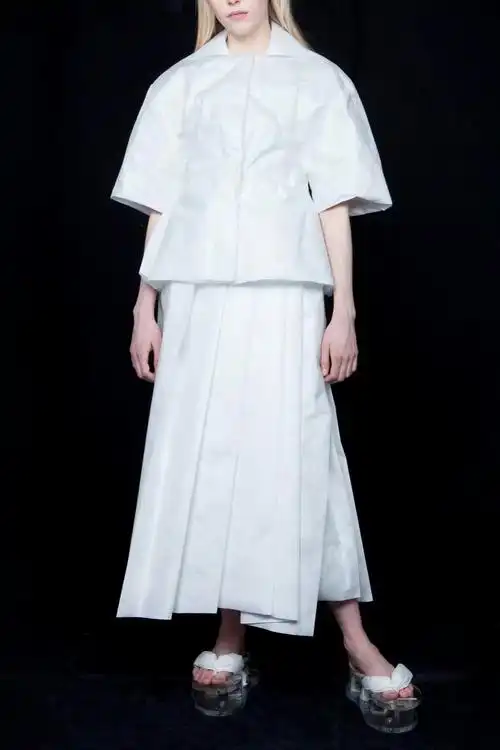
Understanding the Material: Why Tyvek Is Unique
Unlike traditional woven or knitted textiles, Tyvek is composed of high-density polyethylene fibers spun randomly and bonded by heat and pressure. This non-woven construction gives the material several key characteristics that appeal to forward-thinking apparel makers:
- Water Resistance: It naturally repels water while remaining breathable enough to let vapor escape.
- Extreme Durability: Despite looking and feeling like paper, it resists tearing, punctures, and abrasions.
- Ultra-Lightweight: It provides structural silhouette options without adding heavy bulk to the garment.
- Recyclability: As a synthetic polyethylene polymer, it can be recycled, fitting into circular design initiatives.
While these properties make Tyvek an exciting option for technical jackets, windbreakers, and accessories, they also require a complete rethink of standard garment construction techniques.
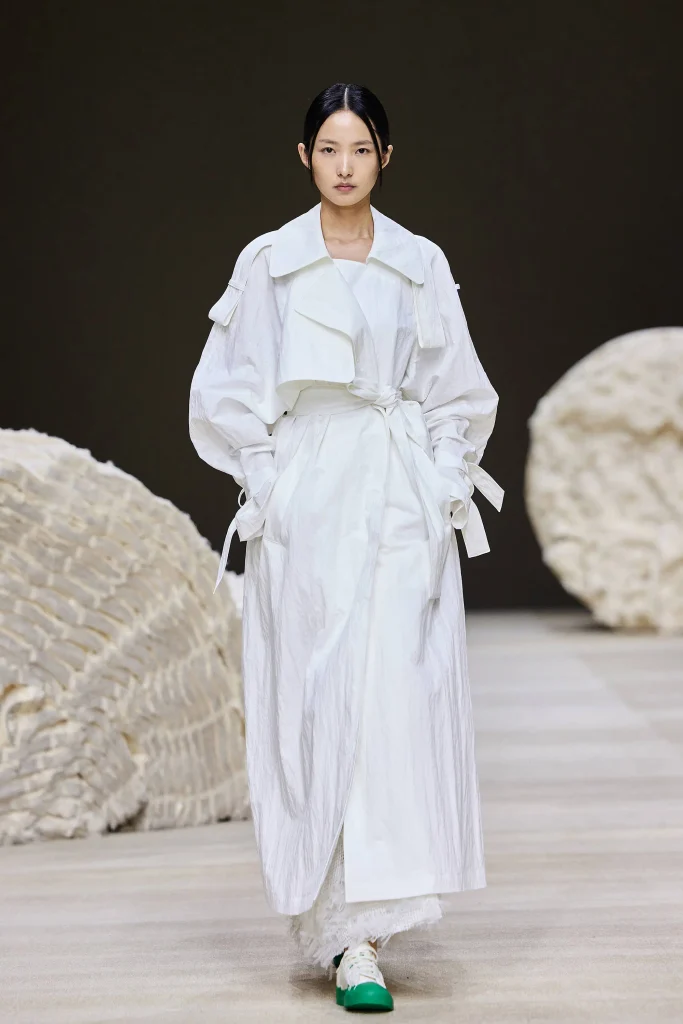
The Technical Sewing Challenges of Non-Woven Fabrics
Ditching traditional woven textiles means leaving behind forgiving seam structures. Because Tyvek is a non-woven sheet, sewing it into clothing requires specialized handling, precise needle work, and thoughtful pattern making.
1. The Perforation Problem
With traditional cotton or polyester fabrics, a sewing needle slips between woven threads. When you remove a stitch, the threads shift back into place. Tyvek, however, behaves more like leather or soft plastic. Every needle penetration creates a permanent hole. If stitches are placed too closely together, the seam acts like a perforated sheet of paper, making the garment vulnerable to tearing along the stitch line.
- The Solution: Use a longer stitch length (typically 3.5mm to 4mm) to preserve the structural integrity of the material, and choose sharp, fine needles (such as size 70/10 or 80/12) to minimize hole size.
2. Friction and Feed Dog Handling
Because Tyvek has a slick, slightly textured synthetic surface, it can cling to standard metal presser feet or slide unpredictably through the feed dogs of an industrial sewing machine. Uneven feeding leads to puckering, bunched seams, and distorted garment lines.
- The Solution: Sewers often rely on Teflon (non-stick) presser feet or roller feet to keep the material gliding smoothly. Walking feet are also effective when joining Tyvek with lining materials.
3. Zero Stretch and Grainline Flexibility
Standard fabrics possess natural stretch along the bias, allowing garments to flex, drape, and contour around the human body. Tyvek exhibits virtually no stretch in any direction. Designing a Tyvek jacket or pants requires precise ergonomic tailoring, articulated darts, or relaxed silhouette patterns to ensure movement and comfort.
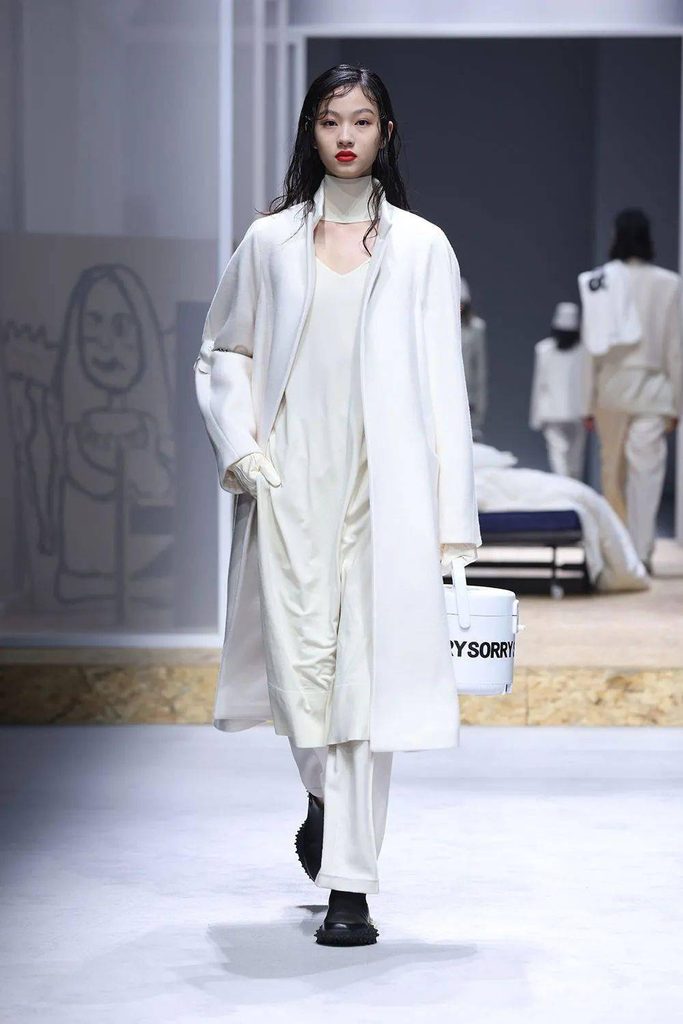
Best Practices for Constructing Tyvek Garments
To overcome these structural hurdles and create high-quality, commercial-grade apparel, design teams rely on several adapted techniques:
- Taping and Bonding: To enhance water resistance and avoid unnecessary stitching, manufacturers frequently utilize thermal bonding or specialty seam tapes designed for polyethylene.
- Alternative Closures: Heavy-duty snap buttons, waterproof zippers, and hook-and-loop fasteners work better than traditional buttonholes, which tend to fray or weaken non-woven edges over time.
- Lining Integration: Because raw Tyvek can feel crisp against the skin, combining it with soft mesh or jersey linings improves interior comfort without sacrificing the striking exterior texture.
The Future of High-Performance Non-Woven Fashion
The rise of Tyvek in streetwear and activewear demonstrates that the future of fashion lies in cross-industry innovation. While working with non-woven sheets demands careful attention to stitch length, needle size, and pattern drafting, the reward is an eye-catching, weather-resistant garment that redefines modern functionality.
As fashion continues to embrace technical utility and unconventional materials, mastering non-woven construction will remain a vital skill for designers pushing the boundaries of style and performance.