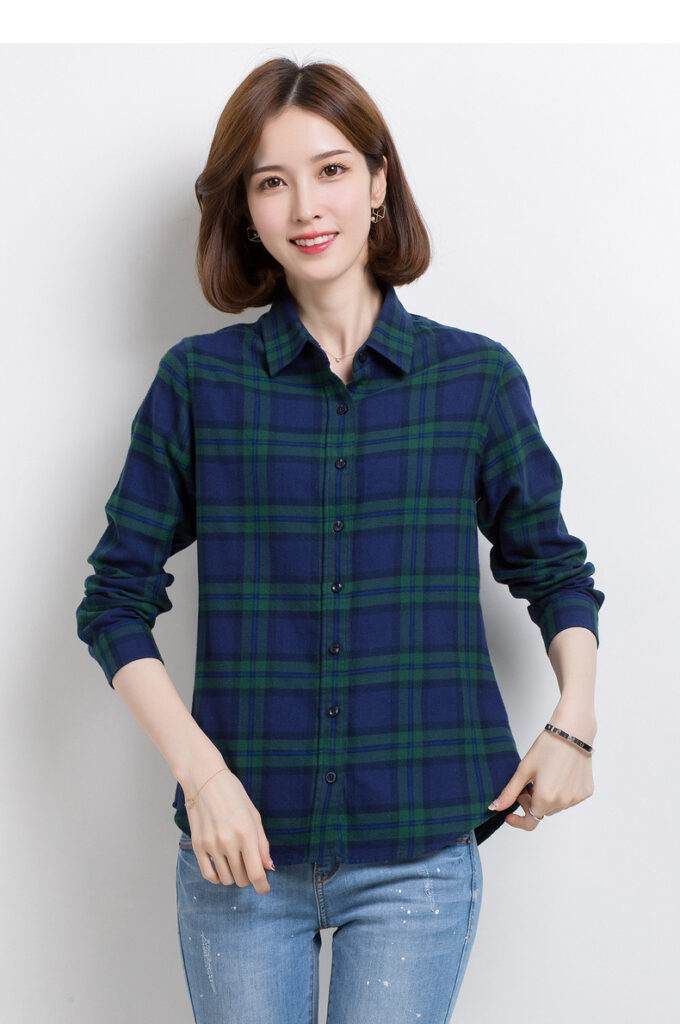
A flannel shirt is a classic garment, but that does not mean every flannel shirt has to look the same. For modern clothing brands, custom manufacturing provides an opportunity to take a familiar product and develop a unique version that reflects a specific brand identity, customer group, and market position.
Working with an experienced flannel shirt manufacturer allows brands to customize many elements of the garment, from fabric and colors to fit, pockets, buttons, labels, embroidery, packaging, and finishing. Instead of purchasing a generic product and competing mainly on price, a brand can create a flannel shirt with details that customers associate specifically with its own collection.
This approach can be valuable for streetwear labels, fashion brands, workwear companies, outdoor businesses, retailers, and private label clothing companies.
The key is to understand which details actually make a difference and how those details should be developed before bulk production.
Why Custom Flannel Shirts Can Strengthen a Brand
A standard flannel shirt can be easy for competitors to imitate. A thoughtfully developed custom garment is more distinctive.
Brand differentiation can come from many small decisions.
For example, a company might create a recognizable silhouette by using a particular body proportion. Another brand might develop a signature plaid color combination. A workwear label could focus on durable construction and functional pockets, while a premium casualwear brand might emphasize fabric softness and refined finishing.
The product becomes more recognizable when these elements are used consistently across a collection.
A custom flannel shirt can therefore become part of a broader visual identity rather than simply another shirt in a catalog.
Start With Your Target Customer
Before selecting fabric or colors, think about who will actually buy the product.
A flannel shirt designed for a college-age streetwear customer may look very different from one designed for an outdoor enthusiast.
Consider:
- Age group
- Lifestyle
- Climate
- Typical use
- Preferred fit
- Price range
- Style preferences
- Seasonal demand
For example, a customer who wants an everyday layering shirt may prefer a lighter fabric and relaxed fit.
A customer shopping for a winter overshirt may expect heavier material and a more structured silhouette.
A workwear customer may prioritize durability over fashion details.
Understanding these expectations helps guide the entire product development process.
Develop a Distinctive Silhouette
Fit is one of the easiest ways to make a familiar product feel different.
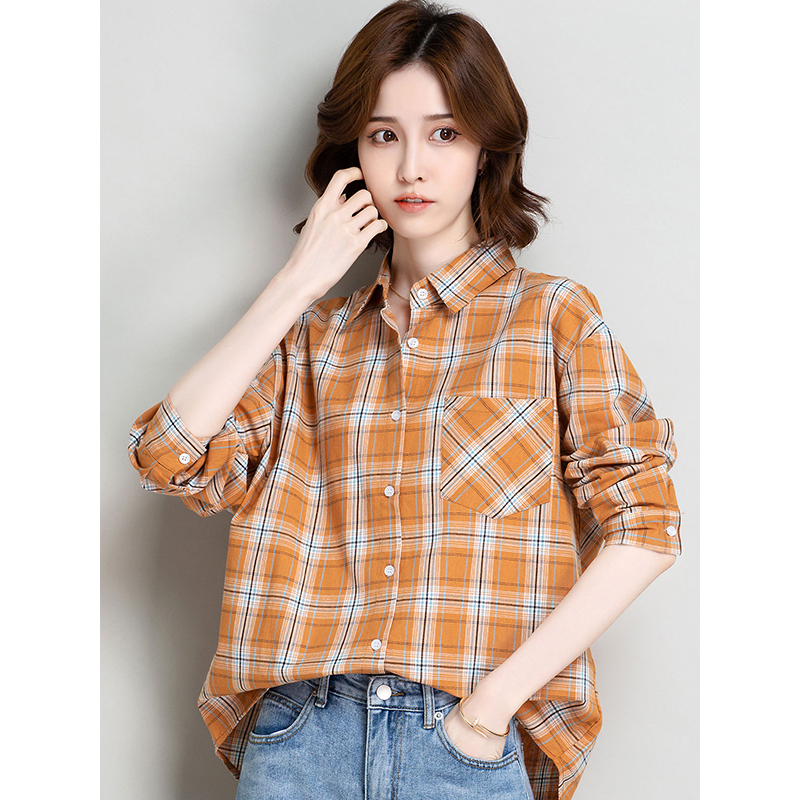
A traditional flannel shirt might have a standard straight silhouette. A modern fashion brand could instead choose an oversized or boxy fit.
Other possibilities include:
- Relaxed fit
- Oversized fit
- Regular fit
- Cropped fit
- Longline fit
- Unisex fit
- Layering fit
The silhouette should be developed around the intended customer.
A manufacturer can adjust measurements such as shoulder width, chest width, body length, sleeve length, cuff opening, and hem shape.
The relationship between these measurements is particularly important.
For example, increasing the body width without adjusting the shoulder or sleeve proportions can create an awkward shape.
This is why a professional sample is necessary before bulk production.
Choose a Fabric That Supports the Design
The fabric is not simply a material choice. It influences the character of the entire garment.
A soft lightweight flannel can create a casual and comfortable product. A heavier fabric can create a more substantial overshirt.
When developing a custom flannel shirt, brands should consider:
Weight
Fabric weight affects warmth, structure, and drape.
Texture
A brushed surface can provide the soft feel customers commonly expect from flannel.
Composition
Cotton is a widely used option, but other compositions may be appropriate depending on the desired performance and price point.
Durability
If the shirt is intended for frequent wear, the material should be able to withstand normal use and washing.
Color
The color should support the overall brand identity and coordinate with the rest of the collection.
A good manufacturer can help brands compare fabric options and identify materials that fit the product concept.
Create a Signature Plaid Pattern
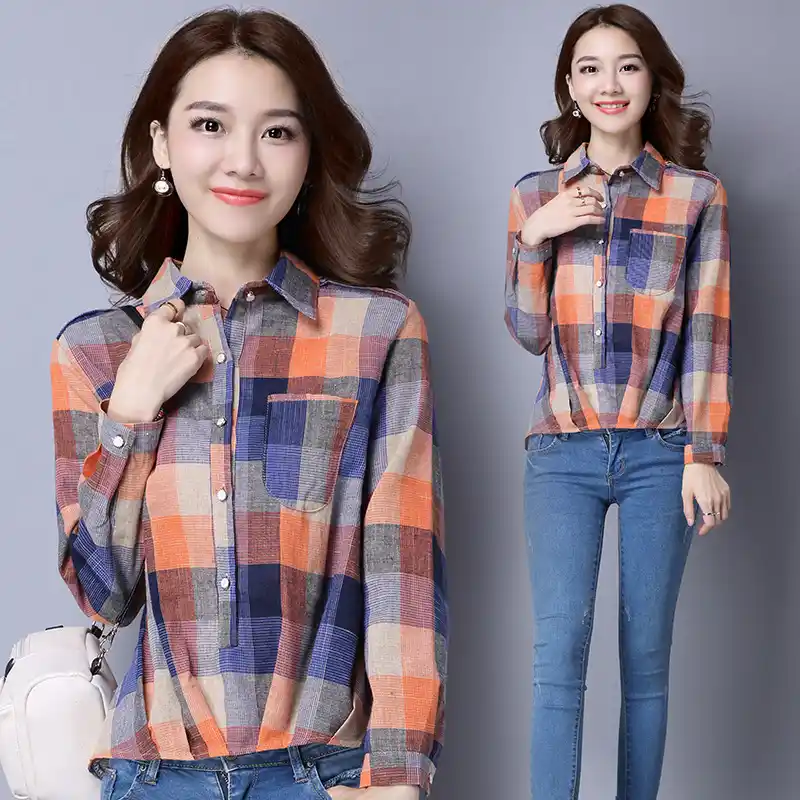
Plaid is one of the most recognizable features of traditional flannel shirts.
For brands that want a more distinctive product, developing an original plaid can be a valuable option.
A custom plaid can use specific combinations of:
- Base colors
- Accent colors
- Line thickness
- Pattern scale
- Contrast levels
A subtle neutral plaid may create a premium appearance, while strong contrasting colors can produce a more youthful or outdoor-inspired look.
Pattern scale also matters.
Large plaid patterns can create a bold visual effect, while smaller checks can look more traditional.
The manufacturer should receive clear instructions regarding the pattern and color requirements before production.
Pay Attention to Pattern Matching
Creating a plaid design is only part of the process.
The pattern also needs to be handled correctly during garment construction.
The front panels, back, sleeves, and pockets may need to align visually.
Chest pockets are particularly important because customers can easily notice when the pattern does not correspond with the surrounding fabric.
Good pattern placement can improve the perceived quality of a garment.
However, matching plaid can also affect fabric consumption and cutting efficiency.
This is an area where an experienced flannel shirt manufacturer can help balance visual requirements with practical production considerations.
Add Functional Details
Small construction details can make a flannel shirt more useful and more distinctive.
Brands can consider:
- Chest pockets
- Side pockets
- Pen pockets
- Utility loops
- Reinforced elbows
- Button cuffs
- Snap closures
- Western-style yokes
- Contrast stitching
- Curved hems
The right details depend on the product category.
For workwear, functional pockets and reinforced construction may be more valuable than decorative elements.
For streetwear, oversized pockets or unusual closures may create visual interest.
For premium casualwear, simpler details with refined finishing may be more appropriate.
The key is to make sure every detail has a reason to exist.
Custom Buttons and Trims
Buttons are easy to overlook, but they can contribute to the overall appearance of a flannel shirt.
A brand may choose buttons based on:
- Color
- Material
- Size
- Shape
- Finish
- Logo requirements
Traditional designs may use simple buttons that blend into the fabric, while fashion collections may use contrasting or branded buttons.
The same principle applies to other trims.
A manufacturer should confirm all trim specifications before bulk production to prevent substitutions or inconsistencies.
Add Your Brand Identity
Custom manufacturing gives brands the opportunity to integrate branding directly into the garment.
A private label flannel shirt can include:
- Woven neck labels
- Printed labels
- Care labels
- Size labels
- Hangtags
- Embroidered logos
- Printed graphics
- Custom buttons
- Branded packaging
These details can make a major difference to how customers perceive the product.
Monsoon Apparel provides private label services that allow brands to add their own branding and logos to custom apparel.
For a growing brand, consistent labeling across all products can help create a stronger and more professional identity.
Embroidery for Custom Flannel Shirts
Embroidery can be an effective way to add branding without changing the overall appearance of the shirt too dramatically.
A small chest logo can create a subtle brand signature.
A larger back design can create a stronger visual statement.
Sleeve embroidery can also be used for limited collections or special editions.
Monsoon Apparel offers embroidery services for logos and detailed designs as part of its custom apparel production capabilities.
When developing embroidered flannel shirts, brands should approve the actual embroidered sample before bulk production. Thread density, size, placement, and fabric texture can all affect the final appearance.
Printing Options
Printing provides another way to create a distinctive flannel shirt.
Depending on the artwork and fabric, brands may consider different printing methods for:
- Logos
- Illustrations
- Typography
- Collection graphics
- Back prints
- Sleeve graphics
The artwork should be prepared in an appropriate format for production.
Brands should also consider how the graphic interacts with the shirt’s plaid pattern.
A complex graphic placed over a busy plaid may not be as visually effective as a simple logo on a controlled background.
Develop a Sample Before Ordering in Bulk
Custom manufacturing should always include a product development stage.
A sample allows you to see the actual product rather than relying on a computer image or technical drawing.
When reviewing a custom flannel shirt sample, examine:
Fit: Does the silhouette match your intended design?
Fabric: Does the material have the expected weight and hand feel?
Construction: Are seams, cuffs, collars, and pockets properly finished?
Pattern: Is the plaid positioned correctly?
Details: Are buttons and trims correct?
Branding: Are labels, embroidery, and graphics accurate?
Color: Does the physical garment match the approved color reference?
If changes are necessary, provide clear feedback to the manufacturer.
Monsoon Apparel’s production process includes prototype development and sample approval before mass production, giving brands the opportunity to review the garment before confirming the bulk order.
Custom Flannel Shirts and Private Label Production
Private label production is particularly useful for companies that want to sell apparel under their own brand name.
The manufacturer handles production while the finished garments carry the customer’s branding.
This allows a company to focus on product development, marketing, e-commerce, retail, and customer relationships without operating its own factory.
For emerging brands, this can significantly reduce the infrastructure required to launch a clothing collection.
A private label flannel shirt can be developed according to the brand’s preferred:
- Fabric
- Fit
- Color
- Pattern
- Branding
- Packaging
- Quantity
This creates much more flexibility than purchasing generic wholesale garments.
OEM Manufacturing for Original Designs
Brands with their own product specifications can also use OEM manufacturing.
Under an OEM model, the customer provides the desired design and requirements, while the manufacturer manages production according to those specifications.
Monsoon Apparel provides OEM manufacturing services and supports customized product development for brands that have specific requirements for designs, colors, logos, and other garment details.
OEM production can be particularly useful for brands that already have a clear design direction and want greater control over the final product.
Managing MOQ for New Collections
Custom manufacturing does not necessarily require an extremely large initial order.
MOQ depends on the manufacturer and project requirements.
For a new brand, lower order quantities can make it easier to test a new design.
Instead of producing a very large quantity of one flannel shirt, a company might prefer to test several styles in smaller quantities.
Monsoon Apparel states that it offers low MOQ options to support businesses of different sizes and reduce inventory risks.
This flexibility can be especially useful when developing a new collection without reliable historical sales data.
Think About the Complete Product Cost
When creating a custom garment, the final cost includes more than the fabric and sewing.
Brands should consider:
- Fabric
- Trims
- Buttons
- Labels
- Sampling
- Printing
- Embroidery
- Packaging
- Quality control
- Shipping
The more complex the design, the more important it becomes to establish a realistic budget before development begins.
If the target retail price is fixed, communicate this to your manufacturing partner early.
The manufacturer can then help identify suitable materials and construction methods that fit the target cost without compromising the essential characteristics of the product.
Quality Control for Custom Designs
A unique design requires clear quality standards.
The manufacturer should understand which details are critical to the product.
For example, if plaid matching is an important part of the design, the production team should know where pattern alignment is required.
If embroidery is central to the product, the logo dimensions and placement should be clearly documented.
If the garment has a special oversized fit, measurements should be carefully controlled.
Quality control should therefore be based on the approved sample and technical specifications.
Building a Complete Collection
A custom flannel shirt does not have to exist as a standalone product.
It can become part of a broader collection.
A brand might develop:
- Lightweight flannel shirts
- Heavyweight overshirts
- Matching jackets
- Hoodies
- T-shirts
- Workwear pieces
- Seasonal outerwear
Using related colors, fabrics, labels, and design elements can create a cohesive collection.
A manufacturing partner with broader apparel capabilities can make this process easier.
Monsoon Apparel provides custom clothing manufacturing across different categories and supports services including OEM, ODM, private labeling, printing, embroidery, packaging, and international shipping.
Why Choose Monsoon Apparel?
For brands searching for a flannel shirt manufacturer that can support customized product development, Monsoon Apparel provides an integrated manufacturing process.
The company works with international brands and supports product development from concept and prototype through sample approval, mass production, packaging, and shipping.
Its services include private label manufacturing, OEM production, ODM, printing, embroidery, and custom apparel development. The company also states that it supports businesses with low MOQ options and offers worldwide shipping.
For brands that want to create a unique flannel shirt rather than purchase a standard product, having design, sampling, manufacturing, branding, and logistics services available through one partner can simplify the process.
Final Thoughts
A successful custom flannel shirt is built from many individual decisions.
The fabric establishes the foundation. The fit determines how the garment looks and feels. The plaid or color palette creates visual identity. Construction details influence functionality and durability. Labels, embroidery, buttons, and packaging reinforce the brand.
Working with the right flannel shirt manufacturer allows these elements to be developed together instead of treating them as separate production tasks.
Before starting a custom project, define your target customer, intended use, preferred fit, material requirements, branding, quantity, and target price. Then work with your manufacturer through sampling and revisions before approving bulk production.
For clothing brands, customization is an opportunity to turn a familiar garment into something distinctive.
With thoughtful product development and a reliable manufacturing partner, a flannel shirt can become a recognizable part of your brand and a product customers remember beyond a single season.
Get a Quote Now