For clothing brands, retailers, and private label businesses, finding the right flannel shirt manufacturer is an important part of building a reliable apparel supply chain. When a company plans to purchase flannel shirts in bulk, the manufacturing process involves much more than simply selecting a design and placing an order.
Wholesale flannel shirt production requires careful planning around fabrics, colors, sizing, quantities, branding, quality control, packaging, and delivery. A manufacturer must be able to produce consistent garments at the required volume while meeting the specifications established during the development stage.
Flannel shirts are particularly versatile for wholesale apparel programs because they can be adapted to many different markets. Classic plaid shirts can appeal to traditional casualwear customers, while oversized and heavyweight designs can work well for streetwear. Workwear companies can use durable flannel shirts as part of their seasonal collections, while outdoor brands can develop lightweight versions for layering.
Whether you are a startup launching your first collection or an established retailer ordering thousands of garments, understanding bulk flannel shirt manufacturing can help you make better purchasing decisions.
What Is Wholesale Flannel Shirt Manufacturing?
Wholesale manufacturing involves producing clothing in larger quantities for brands, retailers, distributors, or other businesses.
Instead of purchasing individual garments from a retail supplier, a clothing company works directly with a manufacturer to produce a specified quantity according to agreed requirements.
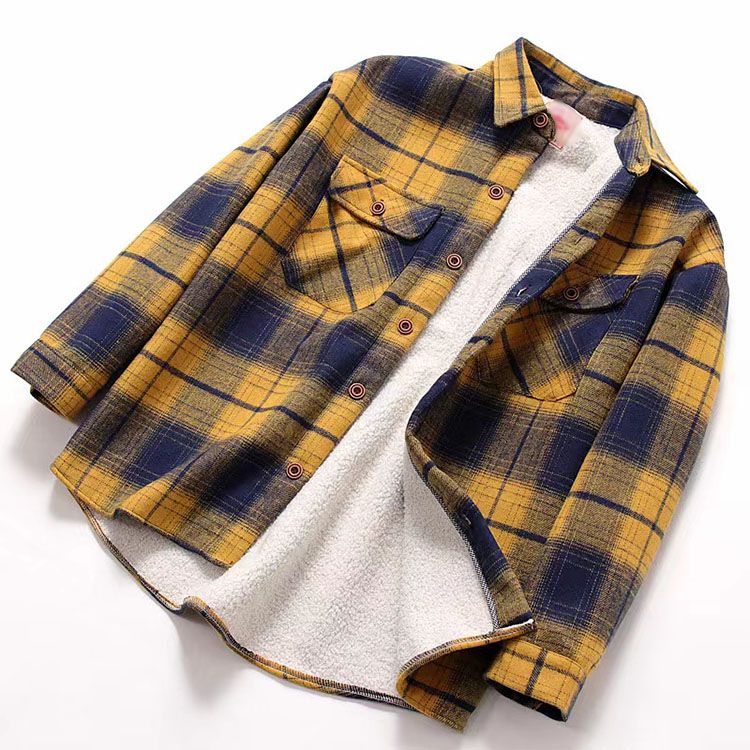
For flannel shirts, wholesale production can include:
- Custom fabrics
- Custom colors
- Plaid patterns
- Multiple sizes
- Private labels
- Custom buttons
- Embroidery
- Printing
- Custom packaging
- Specific garment measurements
- Seasonal collections
The exact production process depends on the requirements of the buyer.
A basic wholesale order may use an existing garment specification, while a private label order may involve completely new patterns, fabrics, branding, and packaging.
Why Flannel Shirts Work Well for Wholesale Collections
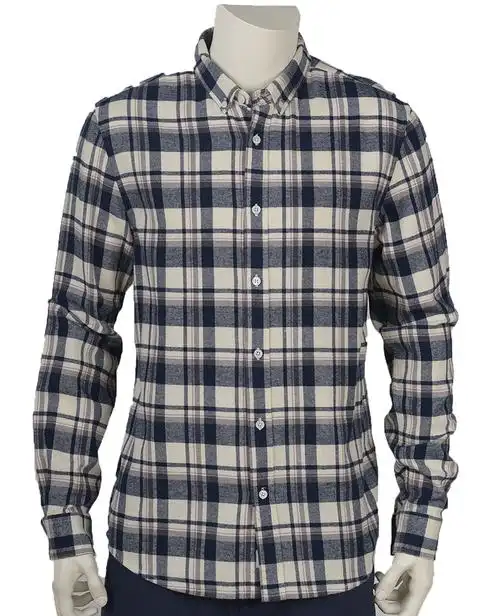
Flannel shirts have several characteristics that make them useful for clothing businesses.
First, they are highly versatile. The same basic garment category can be adapted to different customer groups.
Second, flannel shirts work across multiple seasons. Lightweight versions can be worn during spring and autumn, while heavier garments can be marketed as winter overshirts.
Third, the product can be customized extensively.
A brand can create different versions by changing:
- Fabric weight
- Colors
- Plaid pattern
- Fit
- Pocket design
- Buttons
- Branding
- Embroidery
- Printing
This flexibility allows retailers to create collections that feel different while maintaining a recognizable product category.
For brands with an established customer base, a successful flannel shirt can also become a recurring seasonal product.
Plan Your Wholesale Collection Carefully
Before placing a bulk order, brands should decide how many designs, colors, and sizes they want to produce.
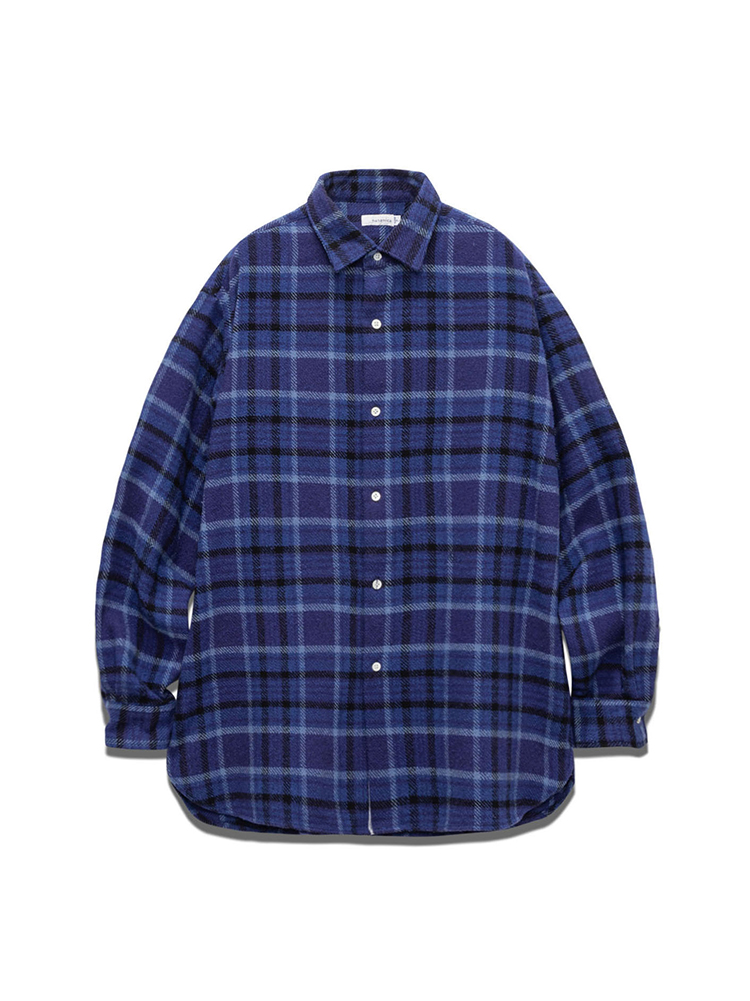
For example, a collection might include three different plaid patterns and one solid-color design. Each design may then be produced in several sizes.
The total quantity can increase quickly.
This is why inventory planning is important.
A brand should consider historical sales data, target market, seasonal demand, available storage, expected marketing activity, and cash flow before confirming quantities.
For a new company without previous sales data, it may be safer to begin with a manageable quantity and use customer response to guide future orders.
A manufacturer that supports flexible order quantities can be particularly useful for businesses in this situation.
Selecting Wholesale Flannel Shirt Fabrics
When purchasing in bulk, fabric selection should be finalized before mass production begins.
The fabric should meet both product requirements and commercial expectations.
Important characteristics include:
Weight
Heavyweight flannel can provide warmth and structure, while lightweight fabric is more suitable for layering.
Composition
Cotton is widely used for its comfort and familiar feel. Other material options may be considered depending on the product’s requirements.
Texture
Brushed surfaces can provide the softness associated with traditional flannel shirts.
Durability
Wholesale buyers need garments that can withstand normal wear and repeated washing.
Color
The fabric should maintain a consistent appearance across the production run.
Shrinkage
The manufacturer should understand how the fabric behaves during washing and account for this during pattern development and finishing.
When ordering large quantities, consistency becomes especially important. A fabric that looks slightly different from one production batch to another can affect the appearance of the entire collection.
Custom Plaid Patterns for Wholesale Orders
Plaid is one of the most recognizable design elements associated with flannel shirts.
For brands that want to stand out, developing custom plaid combinations can be an effective approach.
Instead of using a standard color combination, a brand can create its own palette based on its visual identity.
For example, a company may develop:
- Earth-tone plaid
- Black and grey plaid
- Neutral beige plaid
- Vintage-inspired colors
- Bright seasonal combinations
- Custom brand colors
Pattern placement should also be considered.
The plaid should ideally look balanced across the front, back, sleeves, and pockets. Chest pocket placement requires particular attention because mismatched patterns can be visually noticeable.
When ordering in bulk, brands should make sure the manufacturer understands the pattern-matching expectations before production begins.
Wholesale Sizing and Fit
Sizing is another important consideration.
Different brands may use different size specifications, even when using the same general labels such as S, M, L, and XL.
For example, a streetwear brand may intentionally create oversized garments, while a traditional shirt brand may use a more fitted silhouette.
The manufacturer should therefore work from the brand’s approved measurement specifications rather than relying on a generic size chart.
Important measurements can include:
- Shoulder width
- Chest circumference
- Body length
- Sleeve length
- Cuff width
- Collar measurements
- Hem width
For wholesale production, size consistency is essential because customers expect garments within the same collection to fit predictably.
Sampling Before Bulk Production
Bulk manufacturing should not begin until the product has been properly reviewed.
The sample allows the buyer to confirm the final design before committing to a large production quantity.
During sample approval, check:
Fabric: Is the weight and texture correct?
Fit: Does the garment match the intended silhouette?
Construction: Are seams and stitching properly finished?
Details: Are buttons, pockets, collars, and cuffs correct?
Pattern: Is the plaid positioned as expected?
Branding: Are labels and logos accurate?
Color: Does the physical fabric match the approved color?
If changes are necessary, they should be communicated before the bulk production stage.
Monsoon Apparel’s production process includes prototype development and sample approval before mass production, allowing customers to confirm their garments before proceeding with larger orders.
Managing Bulk Production Costs
Cost management is an important part of wholesale apparel manufacturing.
The total cost of a flannel shirt can depend on several factors.
These include:
- Fabric
- Garment weight
- Construction complexity
- Order quantity
- Labels
- Buttons
- Printing
- Embroidery
- Packaging
- Quality requirements
- Shipping
Generally, larger production quantities can improve manufacturing efficiency, but ordering more inventory is not always the best financial decision.
Brands should balance unit cost against inventory risk.
A lower unit price is not useful if the company is left with large quantities of unsold garments.
For this reason, businesses should calculate both production costs and expected sales before confirming a wholesale order.
MOQ for Wholesale Flannel Shirts
Minimum order quantity is an important factor when selecting a manufacturing partner.
Some manufacturers require relatively large quantities per style or color, which may be challenging for small and medium-sized businesses.
Lower MOQs can give brands greater flexibility.
For example, a company may want to test several flannel designs before deciding which products deserve larger production runs.
Monsoon Apparel states that it offers low minimum order quantities and supports businesses of different sizes. This can help brands manage inventory and reduce the financial risk associated with launching new products.
When discussing MOQ, brands should clarify whether the minimum applies to the entire order, individual styles, individual colors, or specific fabric selections.
This detail can significantly influence the final purchasing strategy.
Private Label Branding for Wholesale Orders
Wholesale production does not have to mean generic clothing.
Brands can order fully customized flannel shirts with their own branding.
Private label options can include:
- Woven neck labels
- Printed care labels
- Size labels
- Hangtags
- Embroidered logos
- Printed artwork
- Custom buttons
- Branded packaging
For online retailers and fashion brands, these details can create a more professional customer experience.
Monsoon Apparel provides private label manufacturing services, allowing brands to add their own branding and logos to customized garments.
When preparing artwork for production, brands should make sure that logo files, label dimensions, placement, and color requirements are clearly communicated.
Quality Control for Large Orders
Quality control becomes even more important as order quantities increase.
If a production problem affects one garment, the impact may be small. If the same problem affects an entire bulk order, the financial consequences can be significant.
For wholesale flannel shirts, quality inspections may focus on:
- Fabric defects
- Color consistency
- Measurements
- Stitching
- Button attachment
- Plaid alignment
- Pocket placement
- Labels
- Printing
- Embroidery
- Loose threads
- Overall appearance
The approved sample should be used as a reference throughout bulk production.
Brands should also establish quality expectations with their manufacturing partner before production begins.
Clear specifications can reduce misunderstandings and make the inspection process more objective.
Packaging for Wholesale Flannel Shirts
Packaging requirements can vary depending on the sales channel.
A retailer may need garments folded and individually packed. An e-commerce brand may require branded packaging. A distributor may prefer bulk cartons designed for warehouse handling.
Packaging can therefore be customized according to the business model.
Possible packaging options include:
- Individual poly bags
- Recyclable bags
- Branded bags
- Hangtags
- Stickers
- Cartons
- Custom boxes
Monsoon Apparel offers packaging services and states that it supports recyclable packaging options as part of its approach to more environmentally conscious apparel production.
Packaging should be confirmed before production because it can affect both cost and shipping requirements.
Shipping and International Orders
For brands purchasing flannel shirts from an overseas manufacturer, logistics should be considered early.
The final delivery process may involve:
Factory → Quality Inspection → Packaging → Export Shipping → Customs → Local Transportation → Warehouse
Shipping times can vary depending on destination, transportation method, season, and other factors.
Monsoon Apparel provides worldwide shipping support and works with international customers across different markets.
Brands should discuss shipping arrangements with the manufacturer before production begins and make sure responsibilities are clearly understood.
This is particularly important for seasonal products because a delayed shipment can cause a retailer to miss an important selling period.
Seasonal Planning for Flannel Shirt Collections
Flannel shirts are often associated with autumn and winter, making seasonal planning particularly important.
A brand should not wait until cold weather arrives before beginning production.
The complete product timeline can include:
Product Planning
↓
Design Development
↓
Fabric Selection
↓
Sample Production
↓
Sample Approval
↓
Bulk Manufacturing
↓
Quality Control
↓
Packaging
↓
Shipping
↓
Marketing and Sales
Each stage takes time.
International brands should also consider shipping and customs when calculating the launch schedule.
Starting product development early can give brands more time to correct issues and avoid expensive last-minute production decisions.
Building a Long-Term Relationship With Your Manufacturer
For a growing clothing brand, manufacturing should ideally become a long-term relationship rather than a series of unrelated orders.
When a manufacturer becomes familiar with your brand, future production can become more efficient.
The manufacturer may already understand:
- Your preferred fabrics
- Standard measurements
- Label specifications
- Quality requirements
- Packaging preferences
- Typical order quantities
- Product development process
This can reduce the amount of explanation required for future orders.
A long-term relationship can also make it easier to expand your product range.
Once a brand has successfully developed a flannel shirt, it may decide to create matching overshirts, jackets, hoodies, T-shirts, or other seasonal products with the same manufacturing partner.
Why Choose Monsoon Apparel?
For brands searching for a dependable flannel shirt manufacturer, Monsoon Apparel offers an integrated apparel production service covering product development and bulk manufacturing.
The company provides custom clothing production, OEM and ODM services, private labeling, sampling, printing, embroidery, packaging, and international shipping.
Its production workflow includes concept development, prototype creation, sample approval, mass production, packaging, and shipping. This allows brands to coordinate multiple stages of their apparel project with one manufacturing partner.
Monsoon Apparel also states that it supports low MOQ production, which can be helpful for both emerging brands and established companies that want greater flexibility when testing new products.
For businesses looking to create branded flannel shirts in bulk, this combination of customization, product development, manufacturing, and logistics support can make the overall sourcing process easier to manage.
Final Thoughts
Wholesale flannel shirt manufacturing requires careful planning from the beginning.
Brands need to select appropriate fabrics, define the right fit, develop accurate samples, determine practical order quantities, establish branding requirements, and confirm quality standards before bulk production begins.
The right flannel shirt manufacturer can provide valuable support throughout this process.
Instead of choosing a supplier based only on price, consider the complete manufacturing service. Look at product development capabilities, fabric options, MOQ, sampling, quality control, private labeling, production capacity, packaging, and shipping.
For new clothing businesses, flexible manufacturing can make it easier to test products without carrying excessive inventory. For established brands, reliable bulk production can support seasonal launches and long-term product expansion.
Whether you are developing a classic plaid shirt, a heavyweight flannel overshirt, a workwear collection, or a private label fashion line, choosing an experienced manufacturer can help you create consistent products while building a more dependable supply chain.
With careful planning and the right manufacturing partner, a flannel shirt can become much more than a seasonal garment. It can become a recognizable part of your brand’s product range and a foundation for future apparel collections.