Building a successful clothing brand requires more than creating attractive designs. A brand also needs reliable manufacturing, consistent product quality, professional branding, and a supply chain that can support future growth. For companies entering the casualwear, streetwear, workwear, or outdoor apparel market, working with a private label flannel shirt manufacturer can be an effective way to develop branded products without building an in-house production facility.
Flannel shirts are versatile garments that can fit many different clothing categories. They can be designed as classic casual shirts, heavyweight overshirts, relaxed streetwear pieces, workwear garments, or seasonal fashion products. With the right fabric, fit, colors, branding, and construction, a flannel shirt can become an important part of a brand’s product range.
Private label manufacturing gives brands the flexibility to create products under their own name while relying on an experienced apparel manufacturer to manage production. From fabric selection and sampling to labels, packaging, and bulk manufacturing, understanding the process can help businesses make better decisions when developing a new collection.
What Is Private Label Flannel Shirt Manufacturing?
Private label manufacturing means that a clothing manufacturer produces garments for a brand, while the finished products are sold under the brand’s own identity.
Instead of selling a generic shirt with the manufacturer’s branding, the garment can be customized with the customer’s brand name, logo, labels, packaging, and other specifications.
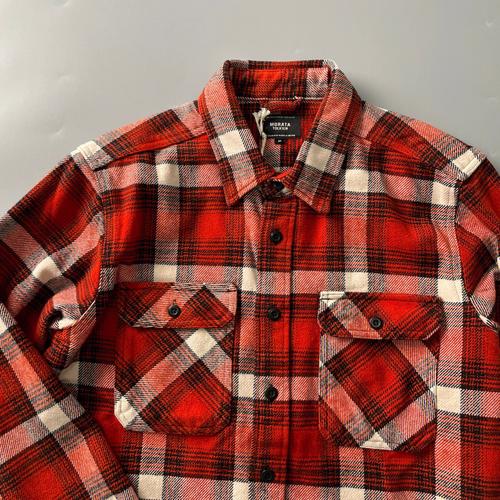
For a flannel shirt collection, private label customization may include:
- Custom neck labels
- Woven brand labels
- Printed care labels
- Custom hangtags
- Embroidered logos
- Printed graphics
- Custom buttons
- Custom colors
- Custom fabric
- Custom packaging
- Specific garment measurements
- Custom patterns and designs
This approach allows a clothing company to create a consistent product identity while outsourcing the manufacturing process to a professional production partner.
For emerging brands, this can be particularly useful because setting up an entire garment production operation internally would require significant investment in equipment, staff, facilities, materials, and production management.
Why Are Flannel Shirts Popular for Private Label Brands?
Flannel shirts have remained a popular clothing category because they can be adapted to different styles and customer groups.
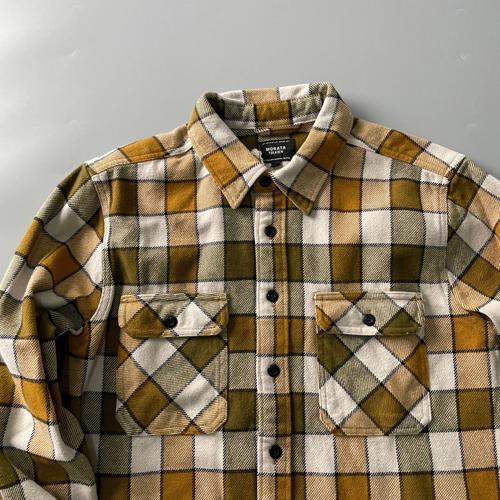
A classic plaid flannel shirt can appeal to customers looking for timeless casualwear. A heavyweight version can work as a cold-weather overshirt. An oversized style can fit into a streetwear collection, while a durable construction can make the garment suitable for workwear.
This flexibility gives brands many opportunities to create their own interpretation of the product.
A private label clothing company does not have to follow a traditional flannel shirt design. It can develop a completely different silhouette or combine familiar flannel characteristics with modern design elements.
For example, a brand could create:
- Oversized plaid flannel shirts
- Heavyweight brushed flannel overshirts
- Minimalist solid-color flannel shirts
- Western-inspired flannel shirts
- Utility-style flannel shirts
- Embroidered flannel shirts
- Relaxed unisex flannel shirts
- Layering shirts for seasonal collections
The ability to customize these details makes private label manufacturing suitable for brands with different market positions.
Start With Your Brand Positioning
Before choosing fabrics or creating samples, a brand should understand what it wants the product to represent.
A premium fashion label may focus on sophisticated fabrics, refined construction, and subtle branding. A streetwear company may prioritize oversized proportions, bold graphics, and distinctive colors. A workwear brand may focus on durability, reinforced stitching, practical pockets, and functional materials.
The manufacturing process should reflect these differences.
For example, a brand targeting younger streetwear customers might request a loose silhouette, dropped shoulders, oversized chest pockets, heavy fabric, and a large embroidered logo.
A classic menswear brand may prefer a regular fit, traditional collar, carefully matched plaid, natural fibers, and understated woven labels.
The same basic product category can therefore become very different garments depending on the brand strategy.
A good private label flannel shirt manufacturer should be able to understand these requirements and translate them into practical production specifications.
Choosing the Right Fabric for Your Brand
Fabric selection is one of the most important decisions in private label production.
The fabric affects the shirt’s appearance, weight, softness, warmth, durability, and overall customer experience.
Traditional flannel is often associated with brushed cotton, but modern manufacturers can work with different fabric constructions and material compositions depending on the product concept.
Brands should consider the following factors:
Fabric Weight
Lightweight fabrics are suitable for layering and transitional weather, while heavier fabrics can create a warmer and more substantial overshirt.
Fiber Composition
Cotton is widely used because of its comfort and familiar hand feel. Depending on the desired characteristics, brands may also explore blended or alternative materials.
Brushing and Softness
The finishing process can affect the surface texture and softness of the fabric. A softer brushed surface may create a more comfortable premium feel.
Color Fastness
Colors should remain reasonably stable after washing and regular use. This is especially important for dark or highly saturated plaid designs.
Shrinkage
Brands should discuss shrinkage requirements with their manufacturer and ensure that garment measurements account for the expected behavior of the fabric.
Selecting the right material at the beginning can help prevent problems later during sampling and bulk production.
Creating Your Own Flannel Shirt Design
One of the biggest benefits of private label manufacturing is product customization.
A brand can start with an existing concept, a technical drawing, a reference garment, or a completely original design.
The design process may include:
- Developing the initial concept
- Selecting the silhouette
- Defining garment measurements
- Choosing fabric
- Selecting colors
- Designing pockets and closures
- Confirming buttons and trims
- Adding branding
- Developing the first sample
- Reviewing and revising the product
For companies without an internal technical design team, an experienced apparel manufacturer can often help translate visual ideas into production specifications.
Monsoon Apparel provides custom clothing development and manufacturing services, supporting brands through design development, prototyping, sample approval, and mass production.
This can be especially valuable for smaller companies that have a strong creative concept but limited internal manufacturing experience.
The Importance of Custom Labels
Labels are an essential part of private label clothing.
A custom neck label immediately communicates the brand identity to the customer. Care labels provide necessary garment information, while hangtags can communicate product details, sizing, materials, or brand messaging.
Depending on the product, a flannel shirt may include:
- Main brand label
- Size label
- Care label
- Fabric composition label
- Country-of-origin information
- Hangtag
- Special collection label
The placement and appearance of these elements should be considered during the sample stage.
A professional private label manufacturer should be able to coordinate these details with the garment production process so that the finished product looks consistent and professional.
Custom Embroidery and Printing
Branding does not have to be limited to labels.
Embroidery and printing can make a private label flannel shirt more distinctive.
Small embroidery on the chest can create a subtle premium appearance, while larger embroidery on the back can create a stronger streetwear aesthetic. Screen printing, digital printing, and other techniques can also be considered depending on the artwork and fabric.
For flannel shirts, brands should carefully consider the placement of graphics because the texture and structure of the fabric can affect the final result.
A manufacturer experienced with different apparel decoration techniques can help determine the most appropriate method for a specific design.
Monsoon Apparel offers printing and embroidery as part of its apparel manufacturing services, giving brands additional options for customizing finished garments.
Private Label Packaging Matters Too
A customer’s experience begins before the garment is worn.
Packaging is therefore another opportunity to reinforce brand identity.
A private label flannel shirt can be packed using branded bags, custom hangtags, stickers, boxes, tissue paper, or other presentation materials depending on the brand’s requirements.
For an online clothing business, packaging can be particularly important because the customer may first encounter the product physically when opening a delivery.
A consistent combination of garment branding and packaging can make a small clothing company appear more established and professional.
At the same time, brands should consider practical and environmental factors when selecting packaging. Recyclable or reduced packaging can help reduce unnecessary material use while supporting a more responsible brand image.
Monsoon Apparel states that it offers recyclable packaging options and works with materials such as organic cotton, hemp, and linen as part of its approach to more environmentally conscious apparel production.
MOQ and Private Label Production
Minimum order quantity is one of the first questions many new brands ask a manufacturer.
MOQ can vary depending on the manufacturer, fabric, colors, customization requirements, and production method.
For a new brand, a lower MOQ can reduce the financial risk of launching a new product.
Instead of purchasing a very large quantity before testing the market, a company may prefer to start with a manageable production run and increase the order after receiving customer feedback.
This can be particularly useful when launching several flannel shirt designs at the same time.
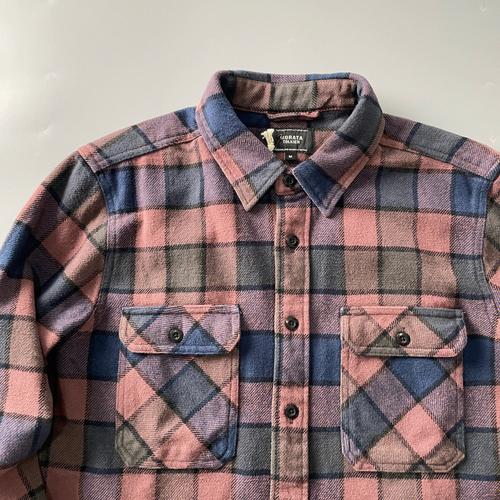
For example, a new brand may want to test three different plaid patterns rather than placing a very large order for one design. Flexible manufacturing can make it easier to experiment with different products while keeping inventory under control.
Monsoon Apparel states that it supports businesses of different sizes with a low minimum order quantity, which can help smaller brands manage inventory and test new products.
Quality Control for Private Label Flannel Shirts
When customers purchase a private label garment, they associate the product quality with your brand—not with the factory.
This makes quality control extremely important.
A manufacturing issue that appears repeatedly across a production run can damage customer trust and create returns, complaints, or negative reviews.
Quality control for flannel shirts can involve checking:
- Fabric quality
- Color consistency
- Plaid alignment
- Garment measurements
- Stitching
- Collar construction
- Sleeve and cuff construction
- Button attachment
- Pocket placement
- Embroidery
- Printing
- Label placement
- Loose threads
- Final appearance
- Packaging
Measurement consistency is particularly important. If the same shirt is produced in multiple sizes, customers expect the grading between sizes to be accurate and consistent.
For this reason, the approved sample should serve as an important reference during bulk production.
From Sample Approval to Bulk Manufacturing
Once the design, fabric, measurements, branding, and construction details have been finalized, the manufacturer can move toward bulk production.
The typical process may look like this:
Design Development → Material Selection → Pattern Making → Sample Development → Sample Revision → Approval → Bulk Production → Quality Control → Packaging → Shipping
Sample approval is an important milestone because it establishes the final product specifications.
After approval, brands should avoid making unnecessary changes during production unless they have been discussed with the manufacturer. Even a small change in fabric, buttons, labels, or measurements can affect production requirements.
Clear communication and accurate specifications can therefore help keep the project on schedule.
Monsoon Apparel describes a production workflow that includes design and concept development, prototyping, sample approval, mass production, packaging, and worldwide shipping.
Choosing a Long-Term Manufacturing Partner
A private label project should not always be viewed as a one-time transaction.
For a growing clothing brand, the ideal manufacturer can become a long-term production partner.
Once a manufacturer understands your preferred fabrics, measurements, labels, construction methods, quality expectations, and packaging requirements, future orders may become easier to manage.
Long-term cooperation can also help a brand develop additional products using a consistent manufacturing system.
For example, after launching a successful flannel shirt, a brand might expand into:
- Flannel overshirts
- Cotton shirts
- Work jackets
- Hoodies
- Sweatshirts
- T-shirts
- Casual trousers
- Seasonal outerwear
Having a reliable apparel manufacturing partner can make this expansion easier because the brand already has an established production relationship.
Why Choose Monsoon Apparel?
For brands searching for a private label flannel shirt manufacturer, Monsoon Apparel offers a range of services designed to support custom clothing businesses.
The company provides custom apparel manufacturing, OEM production, ODM services, private labeling, sampling, printing, embroidery, packaging, and international shipping.
It works with customers in international markets and supports different production models, including CMT, FOB, and ODM. This allows brands to choose a cooperation approach based on their own product development and manufacturing requirements.
For a private label flannel shirt project, the manufacturer can support the process from the initial concept through sampling and final production.
This integrated approach can be useful for brands that want to maintain control over product design while outsourcing the technical and manufacturing work to an experienced apparel production partner.
Build Your Own Flannel Shirt Collection
Private label manufacturing gives clothing brands the opportunity to create products that are closely connected to their own identity.
Instead of competing solely on generic products, brands can differentiate themselves through fabric, fit, color, pattern, construction, branding, and packaging.
A flannel shirt may appear simple at first, but every detail can contribute to the customer’s perception of quality.
The right private label flannel shirt manufacturer should therefore be evaluated based on more than price. Consider the manufacturer’s experience, fabric options, customization capabilities, sampling process, MOQ, quality control, branding services, communication, production capacity, and shipping support.
For new brands, the manufacturing process can seem complicated at first. However, a clear product concept and an experienced production partner can make the journey much easier.
From the first sketch to the final branded package, every stage is an opportunity to build a stronger product and a stronger brand.
If you are planning to launch your own flannel shirt collection, working with a professional private label manufacturer can help you transform your ideas into finished garments that are ready for retail, e-commerce, and customers around the world.
Get a Quote Now