For clothing brands, creating a successful flannel shirt is about much more than choosing a plaid fabric and adding a brand label. A well-made flannel shirt requires careful attention to fabric, fit, construction, trims, branding, sampling, and production. Working with an experienced custom flannel shirt manufacturer can help turn an initial design idea into a finished product that is ready for the market.
Custom manufacturing gives brands greater control over the final garment. Instead of purchasing generic products from a catalog, brands can develop shirts that reflect their own style, target customers, and positioning. This is particularly valuable for fashion labels, streetwear companies, workwear brands, outdoor businesses, retailers, and private label clothing companies.
From the first design concept to final bulk production, understanding the manufacturing process can help you make better decisions and avoid common production problems.
What Is a Custom Flannel Shirt Manufacturer?
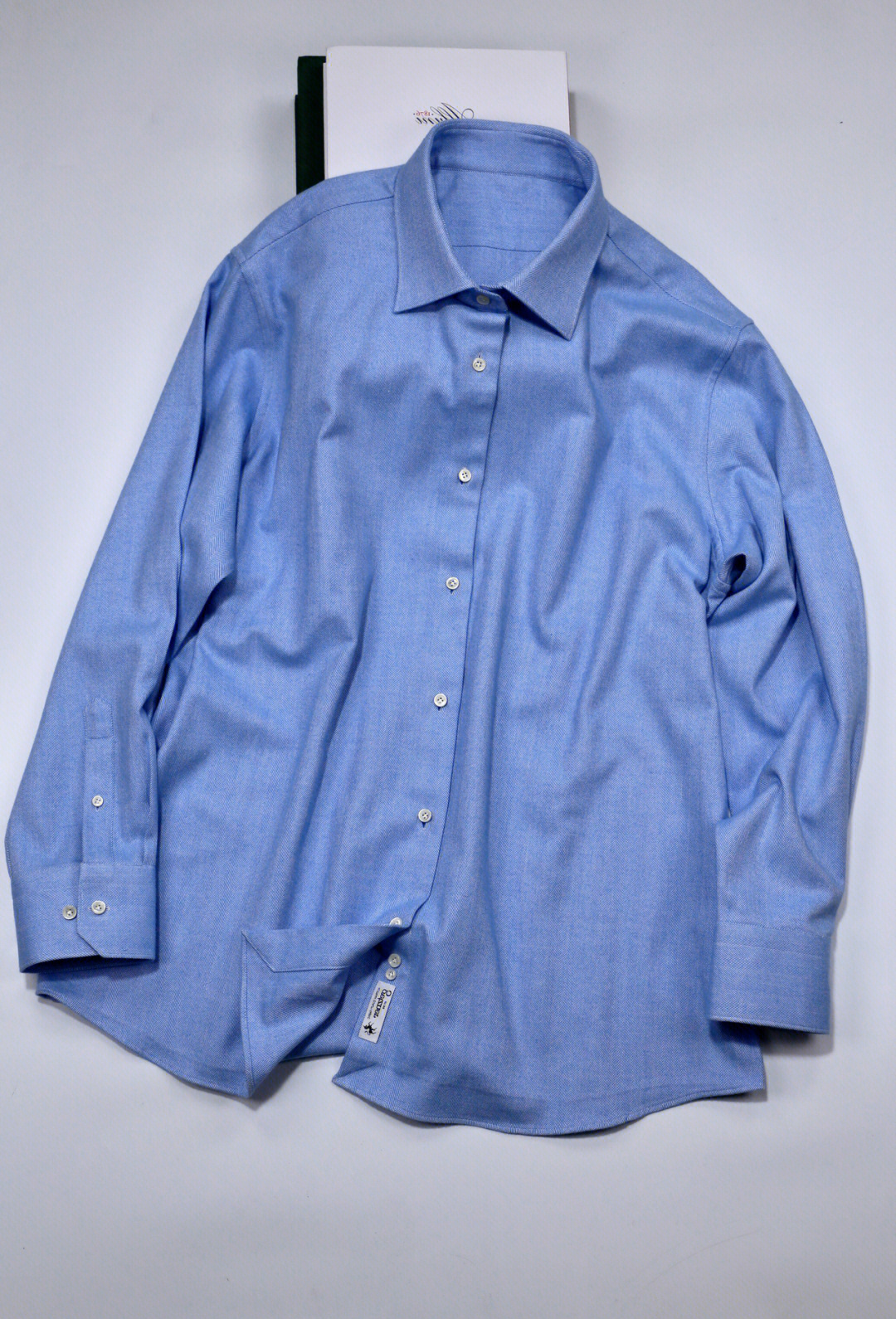
A custom flannel shirt manufacturer produces garments according to a brand’s specific requirements rather than simply selling ready-made products.
Depending on the project, customization can include the fabric, color, pattern, garment measurements, silhouette, collar, cuffs, pockets, buttons, labels, printing, embroidery, packaging, and other details.
For example, a brand may want a heavyweight oversized flannel shirt with a relaxed fit and custom embroidery. Another company may need a lightweight cotton flannel shirt with a classic fit, branded buttons, and custom woven labels.
A capable manufacturer should be able to accommodate these requirements while helping the brand understand which specifications are practical for bulk production.
This relationship is particularly important for brands that want to develop products that are difficult for competitors to copy. A distinctive pattern, custom fit, unique fabric, or carefully designed construction can become part of a brand’s product identity.
Start With a Clear Product Concept
The first step in custom flannel shirt manufacturing is defining the product.
Before contacting a manufacturer, brands should have a general idea of what they want to produce. A complete concept does not necessarily require professional fashion design software. Reference photographs, sketches, measurements, fabric examples, and written descriptions can all help communicate the idea.
Useful information may include:
- Target customer
- Intended selling price
- Garment style
- Preferred fit
- Fabric composition
- Fabric weight
- Color palette
- Plaid or solid design
- Collar style
- Pocket design
- Button preferences
- Branding requirements
- Expected order quantity
- Target delivery date
The clearer these details are, the easier it becomes for a manufacturer to estimate production requirements and recommend appropriate materials.
At Monsoon Apparel, the product development process begins with understanding a customer’s concept and requirements. The company then supports design development, prototyping, sample approval, and mass production. This type of integrated process allows brands to refine a garment before committing to a large production run.
Selecting the Right Flannel Fabric
Fabric selection is one of the most important stages in developing a custom flannel shirt.
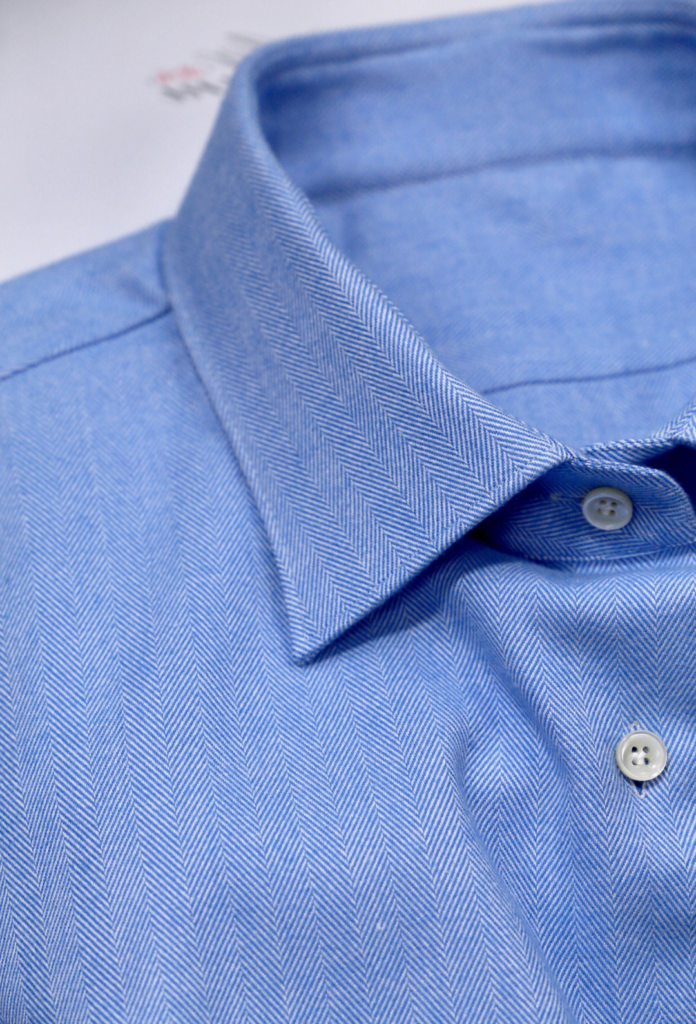
Although many people associate flannel with traditional cotton plaid shirts, there are numerous possibilities for modern apparel collections. Different fabric weights and finishes can create completely different products.
A lightweight flannel may work well as a layering shirt during transitional seasons. A medium-weight fabric can provide a balance between comfort and warmth, while heavyweight flannel can function more like an overshirt or casual jacket.
The fabric should also match the brand’s target market.
A premium fashion label may prioritize softness, texture, drape, and refined finishing. A workwear company may prioritize durability and abrasion resistance. An outdoor-oriented brand may look for lightweight construction, breathability, or performance characteristics.
When working with a custom flannel shirt manufacturer, it is useful to discuss fabric requirements at the beginning of development rather than waiting until the sample stage.
Important fabric characteristics to evaluate include:
- Fiber composition
- Weight
- Width
- Texture
- Brushing
- Shrinkage
- Color fastness
- Wash performance
- Durability
- Hand feel
These factors can influence both the appearance and the final cost of the garment.
Developing the Right Fit
A flannel shirt can use the same basic fabric and still look completely different depending on its pattern and fit.
Current brands may choose from classic, regular, relaxed, oversized, boxy, cropped, or workwear-inspired silhouettes. The right option depends on the target customer and overall brand identity.
For example, an oversized flannel shirt may appeal to a streetwear audience, while a regular-fit shirt may be more appropriate for a traditional casualwear collection.
During development, manufacturers work with garment measurements and patterns to create the desired silhouette. Important measurements may include:
- Chest width
- Body length
- Shoulder width
- Sleeve length
- Sleeve opening
- Cuff width
- Collar dimensions
- Pocket placement
A good sample should be evaluated on an actual person whenever possible. This makes it easier to identify issues such as tightness across the shoulders, excessive sleeve length, an incorrect body proportion, or an uncomfortable collar.
Why a Prototype Is Essential
One of the biggest mistakes a new clothing brand can make is moving directly from an idea to bulk production.
A physical prototype allows the brand and manufacturer to identify problems before they become expensive production issues.
During the sample stage, you can check:
Fit: Does the shirt have the intended silhouette?
Fabric: Does the material have the expected weight and softness?
Construction: Are the seams, cuffs, collar, and pockets properly made?
Appearance: Do the colors and proportions match the original concept?
Branding: Are the labels, embroidery, and other details positioned correctly?
Function: Are the buttons, pockets, and closures practical?
If changes are needed, the manufacturer can revise the pattern or construction before bulk production begins.
This process may require more than one sample, especially for highly customized garments. However, spending time on development can significantly reduce the risk of producing a large quantity of garments that do not meet expectations.
Custom Plaid and Pattern Development
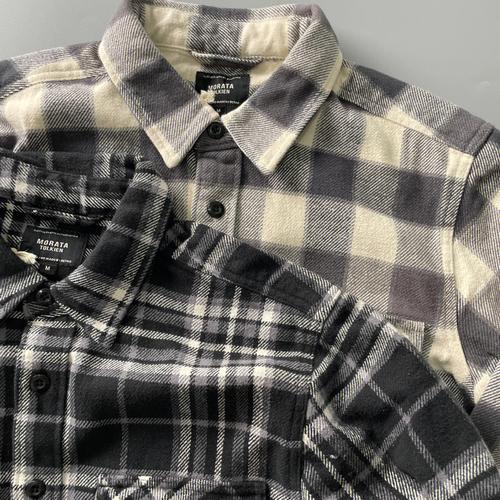
Plaid is one of the most recognizable visual characteristics of many flannel shirts, but creating a good plaid garment requires careful attention to pattern placement.
When multiple fabric panels are joined together, the lines and colors should be positioned consistently wherever possible. This is particularly important around the center front, chest pockets, side seams, and other highly visible areas.
Poor pattern matching can make an otherwise good shirt look inexpensive.
Brands developing custom plaid flannel shirts should therefore discuss pattern requirements with their manufacturing partner before production.
A manufacturer with experience in shirt production can help determine how the fabric should be cut and assembled to achieve the desired visual result while balancing material usage and production efficiency.
For brands seeking a distinctive product, custom patterns can also help create a recognizable visual identity. Instead of relying only on a standard plaid design, a company can develop a color combination or pattern that is unique to its collection.
Branding and Private Label Options
Custom manufacturing also gives brands more control over how their products are presented.
A flannel shirt can include several branding elements, such as:
- Woven neck labels
- Printed care labels
- Hangtags
- Embroidered logos
- Printed graphics
- Custom buttons
- Branded packaging
- Custom poly bags
- Product stickers
These details may seem small, but together they contribute to the customer’s perception of the product.
For private label brands, consistent branding across the garment and packaging can create a more professional presentation.
Monsoon Apparel provides private label and OEM clothing manufacturing services, allowing brands to develop garments with their own logos, labels, colors, and specifications. This can be useful for companies that want to build a recognizable apparel collection without establishing their own factory.
OEM Manufacturing for Flannel Shirts
OEM production is another option for brands with detailed product specifications.
With an OEM project, the customer generally provides the design requirements, while the manufacturer handles the technical and production process.
This may involve:
- Receiving design files or specifications
- Reviewing construction requirements
- Selecting or confirming materials
- Developing patterns
- Creating samples
- Making revisions
- Confirming the final sample
- Starting bulk production
- Conducting quality checks
- Completing packaging and shipment
The exact process can vary depending on the manufacturer and complexity of the product.
For experienced brands, OEM production can provide greater control over the final garment. For newer brands, an experienced manufacturing partner can also provide useful guidance during development.
Managing Bulk Production
Once the sample has been approved, the project moves into bulk production.
This is the stage where consistency becomes particularly important.
The bulk garments should follow the approved sample in terms of fabric, measurements, color, construction, trims, labels, and finishing.
Quality control should be considered throughout production rather than only at the very end.
Common quality checks can include:
- Fabric inspection
- Measurement checks
- Stitching inspection
- Button attachment
- Label placement
- Embroidery quality
- Color consistency
- Loose thread removal
- Final garment appearance
- Packaging inspection
A professional manufacturing partner should have procedures in place to identify problems before finished products are shipped.
Minimum Order Quantity and Inventory Planning
Minimum order quantity, or MOQ, can have a significant effect on a brand’s purchasing strategy.
A large MOQ may make sense for an established company with strong sales forecasts, but it can create unnecessary risk for a new brand.
If a business orders too much inventory before understanding customer demand, it may have to discount products later or hold excess stock for an extended period.
Flexible production quantities can therefore be particularly useful during the early stages of a brand.
Monsoon Apparel states that it supports businesses of different sizes with a low minimum order quantity, helping brands test products while reducing the risks associated with excessive inventory.
When discussing your project with a manufacturer, it is worth asking about MOQ requirements for different fabrics, colors, sizes, and designs. In some cases, production requirements may change depending on the materials or customization level.
Production Time and Delivery
Timing is another important consideration when developing a custom flannel shirt.
A typical project may involve several stages before the finished goods are ready:
Design → Fabric Selection → Pattern Development → Sample → Revision → Approval → Bulk Production → Quality Control → Packaging → Shipping
Each stage requires time, and delays at one stage can affect the entire schedule.
Brands should therefore discuss expected lead times with their manufacturer before confirming a launch date.
Monsoon Apparel states that standard orders can typically have a turnaround of around 7–20 working days, while expedited options may be available for urgent projects. Actual timing depends on the design, materials, quantity, and production requirements.
Planning ahead is particularly important for seasonal products. Flannel shirts are often strongly associated with fall and winter collections, so brands should allow enough time for development, manufacturing, shipping, photography, marketing, and retail distribution.
Why Choose Monsoon Apparel for Custom Flannel Shirts?
For brands looking for an experienced custom flannel shirt manufacturer, Monsoon Apparel offers an integrated approach to clothing development and production.
The company provides custom apparel manufacturing services covering design development, sampling, OEM production, private labeling, printing, embroidery, packaging, and international shipping.
Its manufacturing services are designed for different types of clothing businesses, from emerging brands to established companies. The company works with international customers and supports different production models, including CMT, FOB, and ODM.
This means a brand can discuss its product concept, develop samples, make revisions, and move into production through one manufacturing partner rather than coordinating every stage with separate suppliers.
For companies developing a new flannel shirt collection, this can simplify communication and make it easier to maintain consistency between product development and bulk production.
Build a Flannel Shirt That Represents Your Brand
A successful custom flannel shirt should do more than satisfy a basic clothing requirement. It should communicate something about the brand.
The fabric, fit, colors, pattern, buttons, labels, and construction details all contribute to the final product. When these elements are developed together, a simple shirt can become a recognizable part of a larger collection.
Choosing the right custom flannel shirt manufacturer can make this process much easier.
Instead of treating manufacturing as simply an order fulfillment process, brands should look for a partner that can contribute to product development, material selection, sampling, quality control, and production management.
Whether you are launching a small private label collection, expanding an existing apparel line, or developing a completely new clothing concept, investing time in the manufacturing process can have a direct impact on the quality and commercial potential of your products.
With a clear product concept, carefully selected materials, accurate sampling, reliable quality control, and an experienced manufacturing partner, your flannel shirt idea can move from an initial concept to a finished garment that is ready for customers around the world.
Get a Quote Now