Finding the right flannel shirt manufacturer is an important step for any clothing brand planning to launch or expand a flannel shirt collection. Although a flannel shirt may look like a relatively simple garment, producing a high-quality product requires careful decisions about fabric, construction, fit, trims, branding, quality control, and production quantities.
For fashion brands, retailers, private label companies, and online clothing businesses, the manufacturer you choose can have a direct impact on product quality, production costs, delivery schedules, and customer satisfaction.
A reliable manufacturing partner should not simply produce garments according to an order. The right partner should understand your product requirements, help solve manufacturing challenges, provide accurate samples, maintain consistency during bulk production, and support your brand as it grows.
If you are preparing to manufacture flannel shirts for your clothing business, there are several important factors to understand before placing your first production order.
Understanding Flannel Shirt Manufacturing
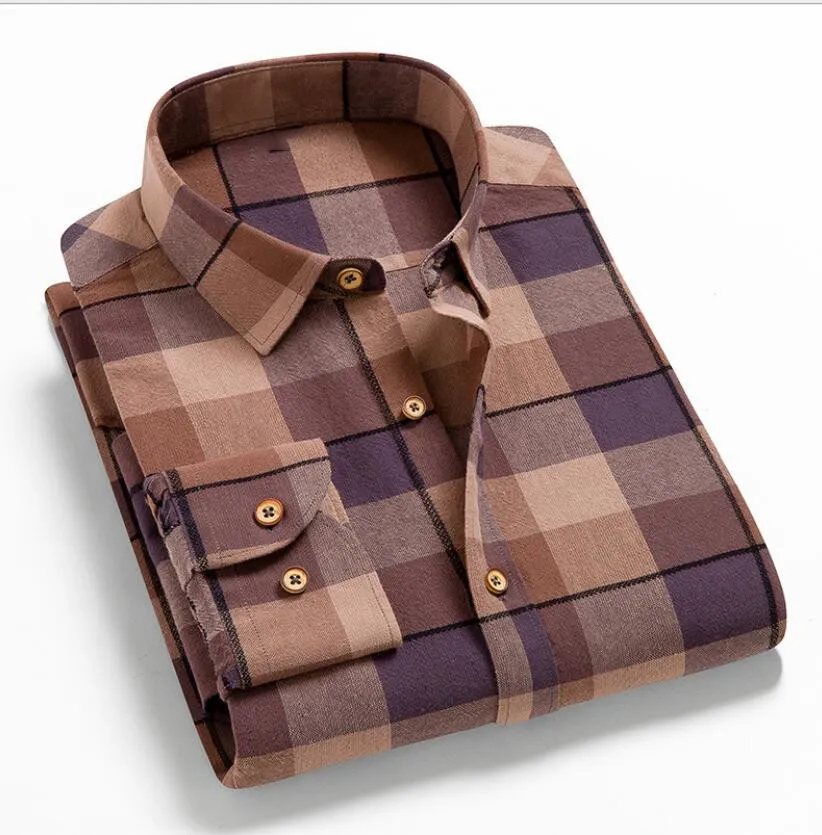
Flannel shirts are commonly associated with soft, brushed fabrics and classic plaid patterns, but modern flannel products can take many different forms.
A manufacturer may produce lightweight flannel shirts for transitional weather, heavyweight overshirts for colder seasons, relaxed streetwear styles, workwear-inspired garments, or premium fashion pieces.
The final product depends on several components working together.
These include:
- Fabric composition
- Fabric weight
- Brushing and finishing
- Garment pattern
- Fit and measurements
- Collar construction
- Sleeve and cuff design
- Pocket placement
- Button selection
- Stitching
- Labels
- Printing or embroidery
- Washing and finishing
- Packaging
For this reason, brands should evaluate a manufacturer’s overall production capabilities rather than focusing only on the quoted unit price.
A manufacturer that can support the complete product development process can make it easier to move from an initial concept to a commercially ready garment.
Choosing the Right Flannel Fabric
Fabric is one of the most important decisions when developing a flannel shirt.
The material determines much of the garment’s comfort, appearance, weight, warmth, and durability. It can also influence how the shirt behaves during cutting, sewing, washing, and finishing.
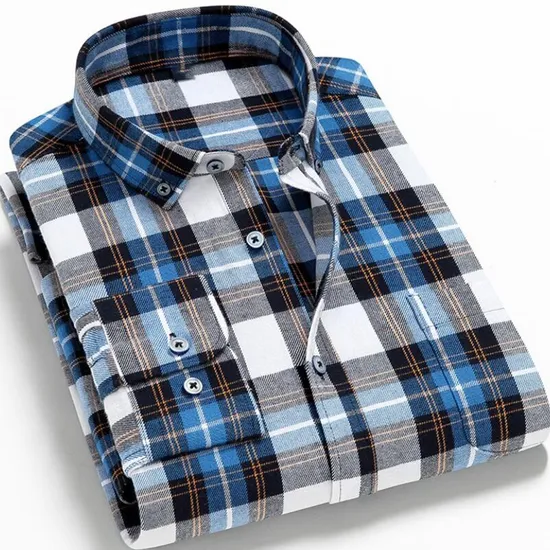
Cotton is a popular choice for flannel shirts because it offers a comfortable hand feel and works well across many casualwear applications. Depending on the product concept, brands can also consider different fabric compositions and finishing techniques.
Before selecting a material, consider the intended use of the shirt.
A lightweight flannel designed for layering may require a different fabric from a heavyweight shirt intended to be worn as an outer layer.
Brands should also discuss the following fabric characteristics with their manufacturer:
Fabric Weight
The weight affects how substantial the garment feels. Lightweight materials can create a softer layering piece, while heavier fabrics can produce a more structured overshirt.
Hand Feel
Softness is particularly important for flannel products. Customers generally expect the fabric to feel comfortable against the skin.
Shrinkage
Natural fabrics may change after washing. Manufacturers should account for expected shrinkage when developing patterns and garment measurements.
Color Fastness
Flannel shirts often use strong colors and contrasting plaid patterns. Good color stability is therefore important for maintaining the appearance of the garment.
Surface Finish
Brushing can create the soft surface commonly associated with flannel. Different finishing techniques can create different textures and levels of softness.
Designing a Flannel Shirt for Your Target Market
Before production begins, brands should determine who the product is designed for.
A flannel shirt aimed at a streetwear audience may require an oversized silhouette, dropped shoulders, large pockets, and bold colors.
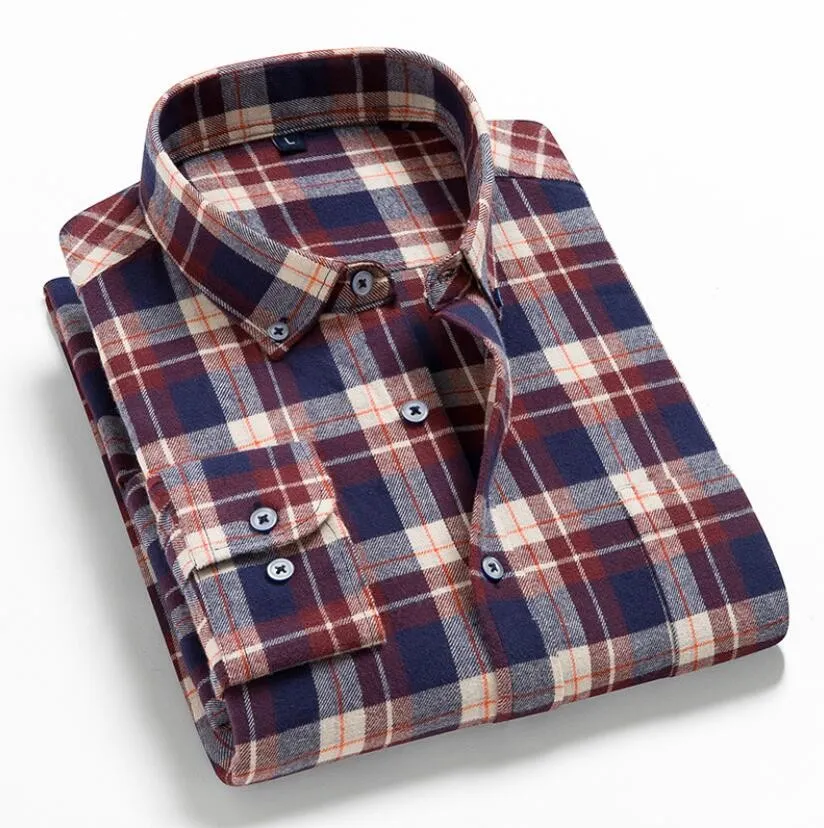
A traditional casualwear brand may prefer a classic regular fit with a familiar plaid pattern.
A workwear company may prioritize durability, reinforced seams, practical pockets, and heavier materials.
The manufacturer should understand these differences because they affect the technical specifications of the garment.
Important measurements can include:
- Chest width
- Shoulder width
- Body length
- Sleeve length
- Cuff opening
- Collar width
- Pocket dimensions
- Pocket position
- Hem width
Even small changes to these measurements can significantly affect the appearance and comfort of the finished shirt.
This is why brands should avoid relying only on a generic size chart. A custom product should be developed according to the intended fit and customer profile.
Why Sampling Is Essential
One of the most important stages in flannel shirt manufacturing is sample development.
A design drawing or reference image cannot show every detail of the finished garment. A physical sample allows the brand to evaluate the actual fabric, fit, construction, and appearance.
During the sample stage, brands should examine:
- Fabric softness
- Fabric weight
- Overall fit
- Shoulder position
- Sleeve length
- Collar shape
- Cuff construction
- Pocket position
- Button placement
- Stitching
- Plaid alignment
- Branding
- Overall appearance
If the sample does not meet expectations, revisions can be made before bulk production.
Monsoon Apparel’s manufacturing process includes design and concept development, prototype production, sample evaluation, and approval before mass production begins. This provides brands with an opportunity to review the product before committing to the full order.
For a new clothing company, this stage can be particularly valuable because it helps identify potential problems while changes are still relatively manageable.
Plaid Matching and Garment Construction
Plaid matching is an important detail when producing traditional flannel shirts.
A shirt may contain several fabric panels, including front panels, back panels, sleeves, cuffs, and chest pockets. If the plaid pattern is not carefully positioned, the finished garment can appear uneven or poorly constructed.
The center front is particularly noticeable because customers naturally look at the area around the buttons.
Chest pockets can also require careful attention. When the pocket fabric is cut incorrectly, the pattern may appear disconnected from the surrounding garment.
Experienced shirt manufacturers understand that these details contribute to the perceived quality of the finished product.
Brands developing custom plaid flannel shirts should therefore discuss pattern placement and matching requirements before production begins.
For unique collections, companies can also create custom color combinations or original plaid patterns. This can help a flannel shirt stand out from standard market offerings.
Quality Control During Bulk Production
Once the final sample has been approved, the manufacturer moves into bulk production.
At this point, consistency becomes extremely important.
The bulk garments should closely follow the approved sample in terms of:
- Fabric
- Color
- Measurements
- Construction
- Buttons
- Labels
- Pockets
- Stitching
- Branding
- Finishing
Quality control should take place throughout production rather than only when the garments are finished.
Potential inspection points include fabric quality, cutting accuracy, sewing quality, measurements, button attachment, label placement, embroidery, printing, and final appearance.
For larger production runs, even a small manufacturing problem can affect hundreds or thousands of garments. Early inspection can therefore help reduce unnecessary waste and rework.
Selecting the Right Manufacturing Quantity
Minimum order quantity is another major consideration for clothing brands.
Large established companies may be comfortable placing high-volume orders, but smaller businesses often need more flexibility.
Ordering too much inventory can tie up capital and create storage problems. Ordering too little may result in higher unit costs or make it difficult to meet customer demand.
A manufacturer that supports lower quantities can provide more flexibility, particularly for startups and brands testing new products.
Monsoon Apparel states that it maintains a low minimum order quantity to support both large and small businesses and help reduce inventory costs and overstocking risks.
This can be useful when launching a new flannel shirt collection because a brand can test different colors, patterns, or designs before making larger purchasing decisions.
Custom Labels for Your Flannel Shirt Brand
Branding is another important part of custom garment production.
A flannel shirt can include a variety of branded elements, such as:
- Woven neck labels
- Printed care labels
- Size labels
- Hangtags
- Embroidered logos
- Printed graphics
- Custom buttons
- Branded packaging
These details help transform a standard garment into a product that belongs to your brand.
For private label clothing companies, custom labeling is particularly important because the finished product should create a consistent brand experience.
Monsoon Apparel provides custom labeling services, allowing customers to add their own brand names and logos to manufactured clothing.
Brands should confirm label specifications, dimensions, materials, placement, and artwork before bulk production begins.
Embroidery and Printing Options
Flannel shirts can also be customized with embroidery and printing.
A small embroidered logo on the chest can create a subtle branded appearance. Larger embroidery may be appropriate for workwear or streetwear products.
Printing can be used for logos, graphics, artwork, or collection-specific designs.
The best decoration method depends on the artwork, fabric, location, and desired appearance.
Monsoon Apparel offers both screen printing and embroidery services as part of its apparel manufacturing capabilities.
When developing a decorated flannel shirt, brands should always review the actual sample rather than relying only on digital artwork. The fabric texture and garment construction can influence how a printed or embroidered design looks in reality.
Production Lead Time
Production timing should be discussed before confirming a launch schedule.
A typical custom clothing project may include several stages:
Design → Material Selection → Pattern Development → Prototype → Sample Revision → Approval → Bulk Production → Quality Control → Packaging → Shipping
Each stage requires coordination.
Monsoon Apparel states that its standard turnaround time is approximately 7–20 working days, with expedited production available for urgent projects. Actual timing can vary depending on order specifications, quantities, materials, and production complexity.
Brands should also allow additional time for international shipping, customs procedures, product photography, marketing, and retail preparation.
For seasonal flannel collections, early planning is particularly important because demand is often concentrated around autumn and winter.
What to Ask a Flannel Shirt Manufacturer
Before selecting a production partner, clothing brands should ask clear questions about the manufacturing process.
Useful questions include:
What types of flannel fabrics can you provide?
Understanding available materials can help determine whether the manufacturer can meet your product requirements.
Can you produce custom patterns and fits?
This is important if your design differs from a standard shirt.
Can you provide samples before bulk production?
Sampling should be an important part of custom garment development.
What is your minimum order quantity?
This helps you calculate inventory requirements and initial investment.
Can you add private labels and branding?
If you are building your own clothing brand, custom labeling is essential.
Do you offer printing or embroidery?
Having these services available through the same manufacturer can simplify production.
What is the expected production time?
This allows you to plan product launches and inventory.
How is quality controlled?
Understanding inspection procedures can help reduce production risks.
Why Work With Monsoon Apparel?
For brands searching for an experienced flannel shirt manufacturer, Monsoon Apparel provides a range of custom apparel manufacturing services designed to support different types of clothing businesses.
The company works with customers across more than 60 countries and provides international logistics support. Its manufacturing services include private labeling, OEM production, customized product development, sampling, mass production, printing, embroidery, packaging, and shipping.
Monsoon Apparel also offers flexible cooperation models, including CMT, FOB, and ODM, allowing brands to select a production approach that fits their business requirements.
Its production process is structured around several stages, beginning with understanding the customer’s brand concept and continuing through prototype development, sample approval, mass production, packaging, and worldwide shipping.
For brands that want to build a long-term apparel collection rather than place a one-time order, this type of integrated manufacturing support can make product development easier to manage.
Consider Sustainability When Developing Your Product
Sustainability is becoming an increasingly important consideration for clothing brands.
Material selection, packaging, waste management, and production practices can all influence the overall environmental impact of a garment.
Brands may consider materials such as organic cotton and other more environmentally conscious fabrics when appropriate for their product.
Monsoon Apparel states that it works with organic cotton, hemp, linen, and other eco-friendly fabrics and uses recyclable packaging as part of its sustainability approach.
When discussing a new flannel shirt project, brands can ask manufacturers about available fabric options and packaging solutions that align with their product goals.
Build a Better Flannel Shirt Collection
A successful flannel shirt begins long before the first bulk order is produced.
The fabric must match the intended product. The pattern must create the right fit. Construction details need to be carefully developed. Plaid patterns should be properly positioned. Labels and branding need to be accurate. Samples should be approved before production, and bulk garments should be consistently inspected.
This is why choosing the right flannel shirt manufacturer is such an important decision.
The lowest quotation is not necessarily the best option. A manufacturer that offers strong product development, reliable communication, flexible quantities, quality control, customization, and production support may provide greater value over the long term.
For startups, private label businesses, fashion companies, workwear brands, and established retailers, a reliable manufacturing partner can help turn a flannel shirt concept into a finished product that customers want to buy.
If your brand is preparing a new flannel shirt collection, take time to define your product requirements, evaluate potential manufacturers, request samples, and confirm production details before placing a bulk order. With the right planning and the right manufacturing partner, your flannel shirts can become a dependable part of your clothing collection and a strong representation of your brand.