Choosing the right flannel shirt manufacturer is one of the most important decisions for a fashion brand, retailer, or private label business. A well-designed flannel shirt can become a reliable year-round product, but the quality of the final garment depends heavily on the manufacturer behind it.
From fabric selection and pattern development to stitching, labeling, packaging, and bulk production, every stage can influence the appearance, comfort, durability, and profitability of your flannel shirt collection. For brands that want to build a recognizable product line, working with an experienced clothing manufacturer can make the entire process more efficient and predictable.
Whether you are launching your first flannel shirt collection or looking for a new manufacturing partner, there are several important factors to consider before placing a bulk order.
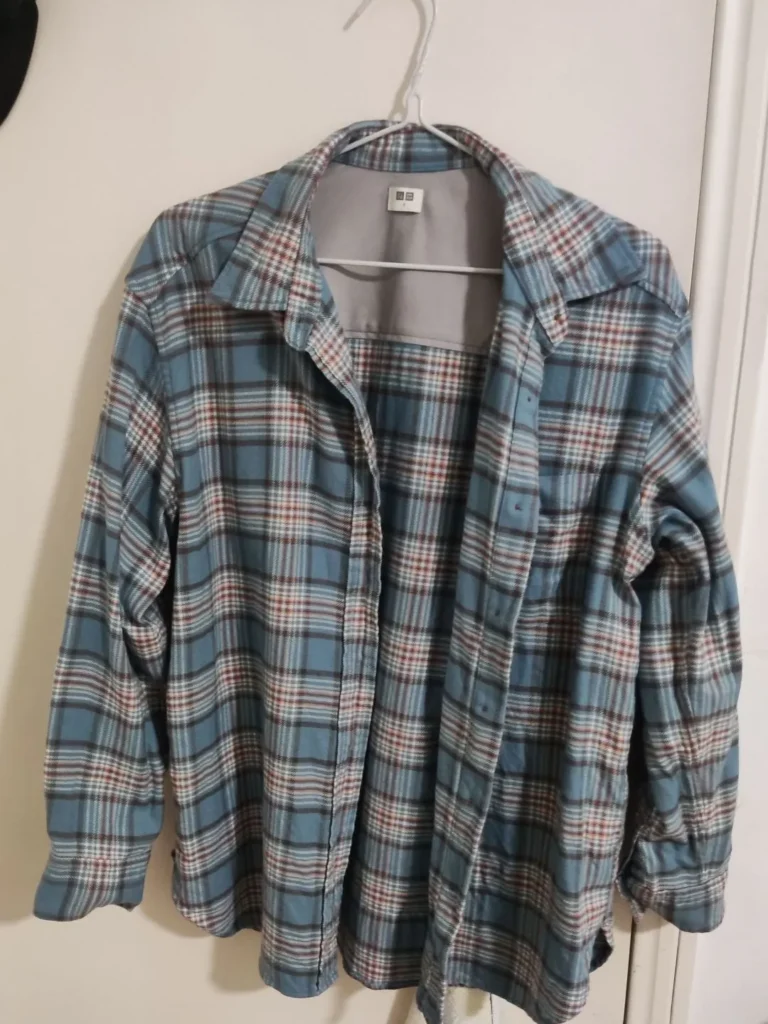
What Makes a Good Flannel Shirt Manufacturer?
A professional flannel shirt manufacturer should offer more than basic cut-and-sew production. The right partner should be able to understand your product concept, recommend suitable materials, develop samples, manage production, and maintain consistent quality throughout the manufacturing process.
For a clothing brand, communication is particularly important. Your manufacturer needs to understand details such as the target market, desired fit, fabric weight, color combinations, button style, pocket design, labels, packaging, and expected order quantity.
A capable manufacturing partner can also help turn a simple product idea into a production-ready garment. This may include technical specifications, measurements, construction details, material sourcing, and sample development.
At Monsoon Apparel, the manufacturing process starts with understanding a client’s brand vision, target audience, and product requirements. The design team can then translate those requirements into detailed specifications before creating a prototype for review. This allows brands to evaluate fit, appearance, materials, and workmanship before moving into full production.
Fabric Selection Is Critical for Flannel Shirts
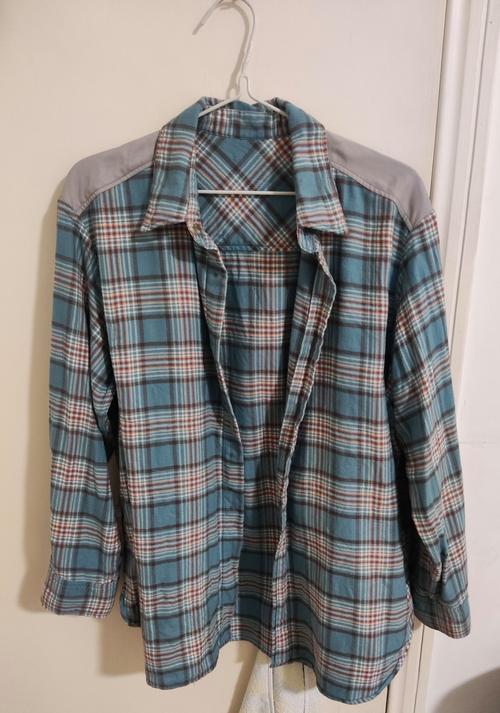
The fabric is one of the defining characteristics of a flannel shirt. Traditional flannel is commonly associated with a soft, warm, brushed feel, making it especially popular for autumn and winter collections. However, modern brands can develop flannel shirts in different weights, textures, fiber compositions, and finishes depending on their target customers.
When selecting fabric, a brand should consider:
- Fiber composition
- Fabric weight
- Softness and hand feel
- Breathability
- Warmth
- Durability
- Shrinkage
- Color fastness
- Brushing or finishing
- Intended season and market
Cotton is a popular choice for flannel shirts because of its familiar comfort and versatility. Depending on the collection, brands may also explore blends or alternative materials to achieve specific performance or sustainability goals.
The fabric should also match the intended positioning of the product. A lightweight flannel shirt designed for layering requires different material characteristics from a heavy overshirt intended for cold-weather use.
This is why working with a manufacturer that can discuss fabric options early in the development process is valuable. The manufacturer should be able to help you balance appearance, comfort, performance, production requirements, and target cost.
Custom Flannel Shirts for Different Brand Concepts
One of the biggest advantages of working with a custom clothing manufacturer is the ability to create a product around your brand rather than simply selecting an existing garment.
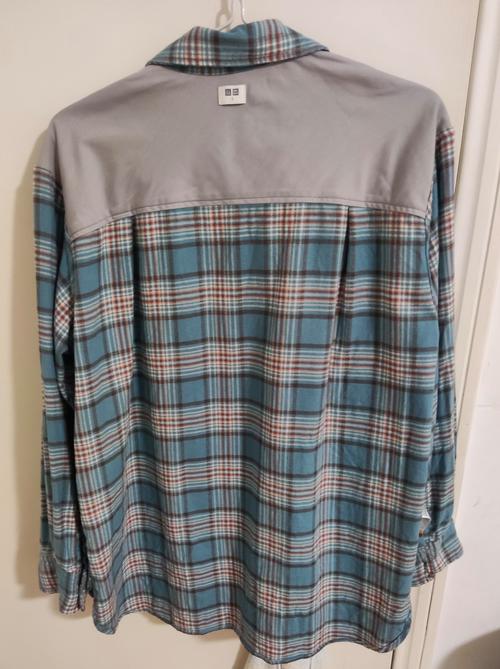
A custom flannel shirt can be developed with different design elements, including:
- Classic plaid patterns
- Solid colors
- Oversized silhouettes
- Regular or relaxed fits
- Western-inspired details
- Workwear styling
- Utility pockets
- Custom buttons
- Contrast fabrics
- Embroidery
- Printed graphics
- Custom woven labels
- Branded packaging
For example, a streetwear brand may prefer an oversized flannel shirt with dropped shoulders, heavier fabric, and embroidered branding. A workwear brand may require reinforced construction, durable fabric, and functional pockets. Meanwhile, a contemporary fashion label may focus on premium fabric, refined tailoring, and minimalist branding.
A flexible flannel shirt manufacturer should be able to adapt production to these different requirements instead of forcing every customer into the same standard design.
Private Label Flannel Shirt Manufacturing
Private labeling is another important consideration for growing apparel brands.
With private label production, the garment can be manufactured according to your specifications and finished with your own brand identity. This may include custom neck labels, care labels, hangtags, packaging, and other branded elements.
For emerging brands, private label flannel shirts provide an opportunity to create a consistent product identity without having to establish an entire manufacturing operation internally.
Monsoon Apparel provides private labeling services, allowing clothing brands to add their own brand names and logos to custom garments. The company also supports OEM production, where clients can provide specific requirements for designs, colors, and other product details.
Why Sampling Matters Before Bulk Production
Never underestimate the importance of the sample stage.
A technical drawing may look perfect on paper, but the finished garment can reveal issues that are difficult to identify before a physical sample exists. For a flannel shirt, sampling allows brands to evaluate the fabric feel, garment measurements, collar shape, sleeve length, button placement, pocket position, stitching, and overall appearance.
The sample stage is also an opportunity to identify potential production problems before committing to a large quantity.
A professional manufacturing workflow should therefore include:
- Design confirmation
- Fabric and trim selection
- Pattern development
- Prototype creation
- Sample review
- Adjustments
- Final approval
- Bulk production
- Quality inspection
- Packaging and shipping
Monsoon Apparel describes a similar development process, including design and concept development, prototyping, sample approval, mass production, packaging, and worldwide shipping. Production begins after sample approval, helping reduce unexpected problems during the bulk manufacturing stage.
Quality Control for Flannel Shirts
Quality control is another major factor when choosing a flannel shirt supplier.
A shirt may look attractive in a product photograph but still have problems such as uneven stitching, incorrect measurements, loose threads, poor button attachment, fabric defects, or inconsistent color.
For plaid or checked flannel shirts, pattern matching is particularly important. The alignment of the fabric across the front panels, pockets, and other visible sections can have a significant effect on the perceived quality of the garment.
Brands should discuss quality expectations with their manufacturer before production begins. Important checkpoints can include fabric inspection, measurement verification, sewing quality, trims, labels, washing performance, and final garment inspection.
Consistent quality becomes even more important when ordering larger quantities because customers expect every piece in the collection to meet the same standard.
Choosing the Right MOQ for Your Brand
Minimum order quantity is another factor that should not be overlooked.
Large minimum orders can create significant inventory pressure for small and emerging brands. If a new business has to purchase thousands of garments before testing market demand, the financial risk can become substantial.
A manufacturer that offers flexible order quantities can make it easier for brands to launch new products, test different designs, or expand gradually.
Monsoon Apparel states that it supports businesses of different sizes with a low minimum order quantity, helping brands reduce inventory costs and the risk of overstocking.
For a new flannel shirt collection, a practical approach may be to start with a controlled production quantity, evaluate customer response, and then increase production for successful designs.
Consider Production Speed and Communication
Time is another important consideration.
Fashion brands often work around seasonal launches, promotional campaigns, retail deadlines, and changing customer demand. Delays in manufacturing can therefore affect inventory availability and marketing plans.
When comparing manufacturers, ask about sample development time, production lead time, shipping arrangements, and the process for handling urgent orders.
Monsoon Apparel states that its standard order turnaround is approximately 7–20 working days, with expedited options available for urgent cases. Actual production time can vary depending on product complexity, order quantity, materials, and other project requirements.
Communication is equally important. A manufacturer should be responsive when discussing product specifications, revisions, samples, pricing, and production schedules.
Sustainability and Material Choices
Sustainability is becoming increasingly important to clothing brands and consumers.
When developing a flannel shirt collection, brands can consider more responsible material choices, production practices, packaging, and waste management.
Monsoon Apparel states that it works with eco-friendly materials such as organic cotton, hemp, and linen, while also emphasizing recyclable packaging and efforts toward a greener clothing production process.
For brands targeting environmentally conscious customers, discussing material sourcing and production practices with a potential manufacturer can help create a more transparent product story.
Why Work With Monsoon Apparel for Your Flannel Shirt Collection?
For brands looking for a reliable apparel manufacturing partner, Monsoon Apparel provides a range of custom clothing production services.
The company works with customers across North America, Europe, Australia, and other international markets and supports different cooperation models, including CMT, FOB, and ODM. Its production capabilities cover custom design, private labeling, OEM manufacturing, sampling, bulk production, printing, embroidery, packaging, and international shipping.
For a flannel shirt project, this integrated approach can simplify the manufacturing process by allowing product development and production requirements to be coordinated through one experienced apparel partner.
From the first product concept to the final shipment, having a manufacturer involved throughout the process can help brands maintain better control over quality, customization, costs, and delivery.
Final Thoughts
Finding the right flannel shirt manufacturer is about more than comparing unit prices. The best manufacturing partner should understand your brand, provide suitable fabric and customization options, communicate clearly, maintain consistent quality, and support your business as your product line grows.
Before choosing a manufacturer, evaluate its sampling process, fabric capabilities, customization options, minimum order quantity, quality control standards, production timeline, labeling services, and shipping capabilities.
A well-developed flannel shirt can become an important product for streetwear brands, outdoor labels, workwear companies, fashion retailers, and private label businesses. With the right manufacturing partner, your concept can move from an initial design into a commercially ready product with consistent quality and strong brand identity.
If you are planning a custom flannel shirt collection, choosing an experienced apparel manufacturing partner at the beginning of the project can help you avoid unnecessary production problems and build a more reliable supply chain for future collections.
Get a Quote Now