
Traditional garment creation is deeply anchored in tactile reality. For decades, the fashion design process routinely stalled while teams waited weeks for physical fabric swatches to arrive via international couriers. Designers needed to feel the weight of a premium cotton, test the stretch of an activewear blend, and observe how light played across a silk weave before committing to a production run. Today, the rapid digitization of the apparel supply chain is rendering the physical swatch book obsolete. Cloud-based fabric libraries now allow designers to evaluate and “touch” textiles with astonishing accuracy entirely through digital interfaces, fundamentally accelerating how modern collections are built.
The Physics of Digital Textiles
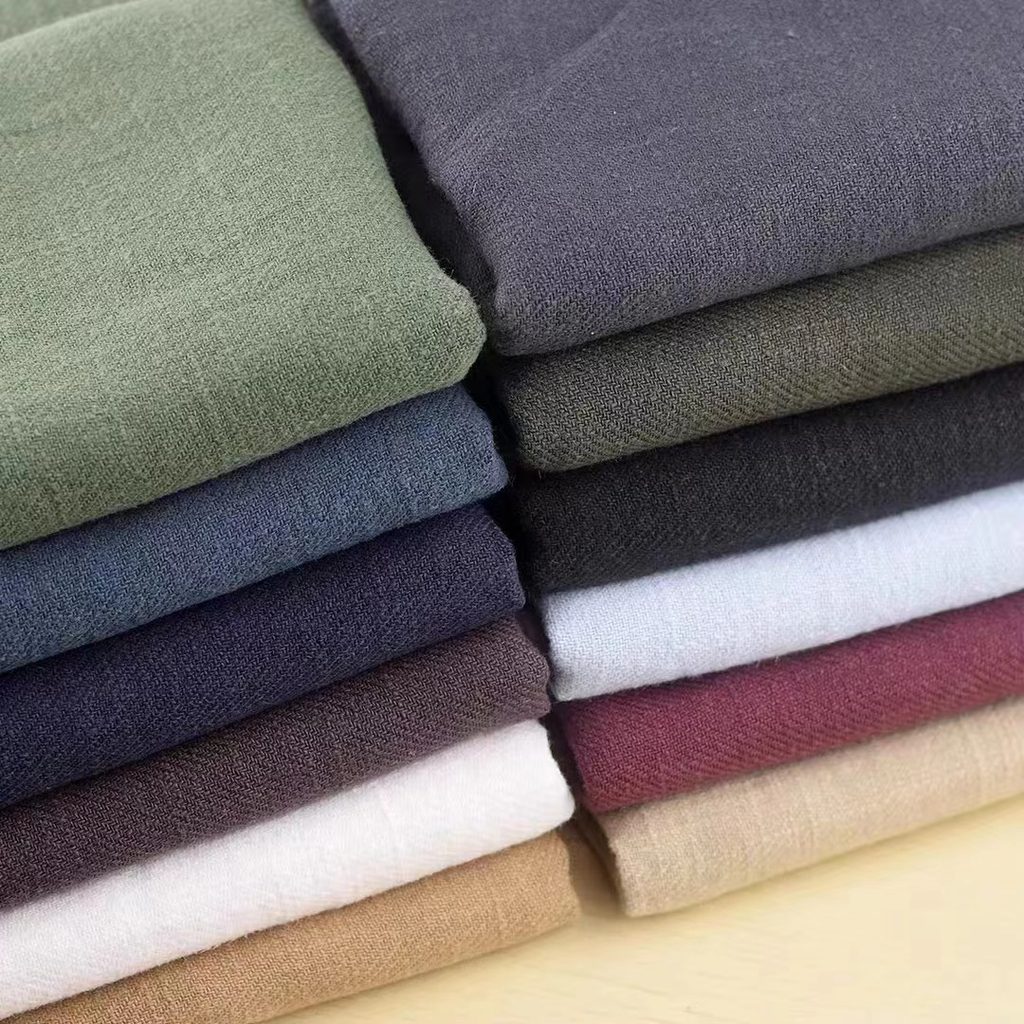
Moving a fabric library to the cloud requires far more than uploading high-resolution photographs. To truly simulate the tactile experience online, material data must translate into physical intuition. This is achieved through advanced micro-level scanning technology.
Specialized scanners analyze physical fabrics to capture their precise structural data, mapping the intricate geometry of individual yarns, the exact density of the weave, and the subtle surface variations. This raw data is then transformed into a digital twin—a highly accurate 3D file that contains the physical properties of the material. By capturing data points like thickness, friction, bending rigidity, and sheer resistance, these cloud-hosted files store the actual DNA of the fabric. When a designer accesses this file, they are not just looking at a picture of a textile; they are interacting with a mathematically precise simulation of how that specific material exists in the real world.
Simulating Drape, Stretch, and Weight
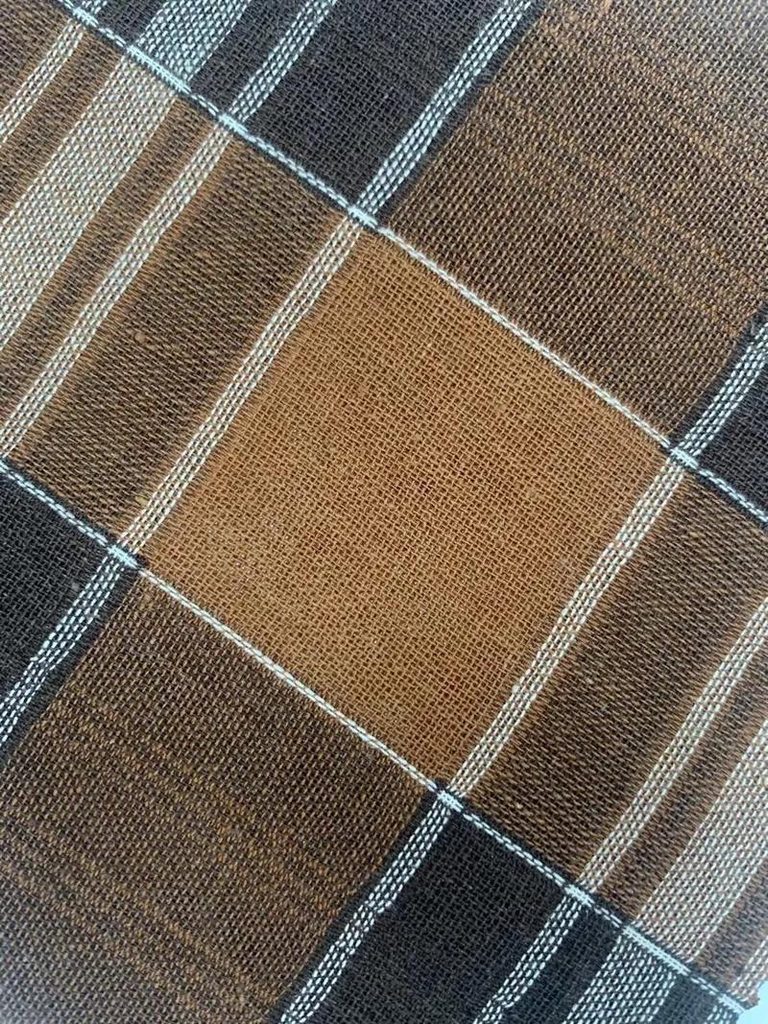
The true magic of a cloudified fabric library emerges when digital textiles are integrated into 3D garment design software. A static image reveals nothing about how a material will perform once cut and sewn. However, because these digital swatches contain physical data parameters, physics engines can perfectly simulate their real-world behavior.
When a designer applies a digitized heavyweight denim to a virtual 3D avatar, the software calculates its stiffness, rendering deep, rigid folds. If the designer swaps that denim for a lightweight chiffon, the visual representation instantly changes on the screen—the fabric will immediately drape softly, clinging to the avatar and catching simulated light exactly as silk would in a physical studio. Designers can virtually pull on the fabric to test its stretch and recovery, or apply virtual wind to see its movement. This dynamic visual feedback tricks the brain, allowing experienced designers to accurately “feel” the weight and drape of the fabric solely through its digital behavior.
Accelerating the Design and Sampling Process
The transition to a cloud-based fabric library offers a massive competitive edge in speed-to-market. In the traditional model, sourcing materials, ordering swatches, waiting for delivery, and creating a physical prototype can take upwards of six to eight weeks. If the initial prototype fails, the entire time-consuming loop begins again.
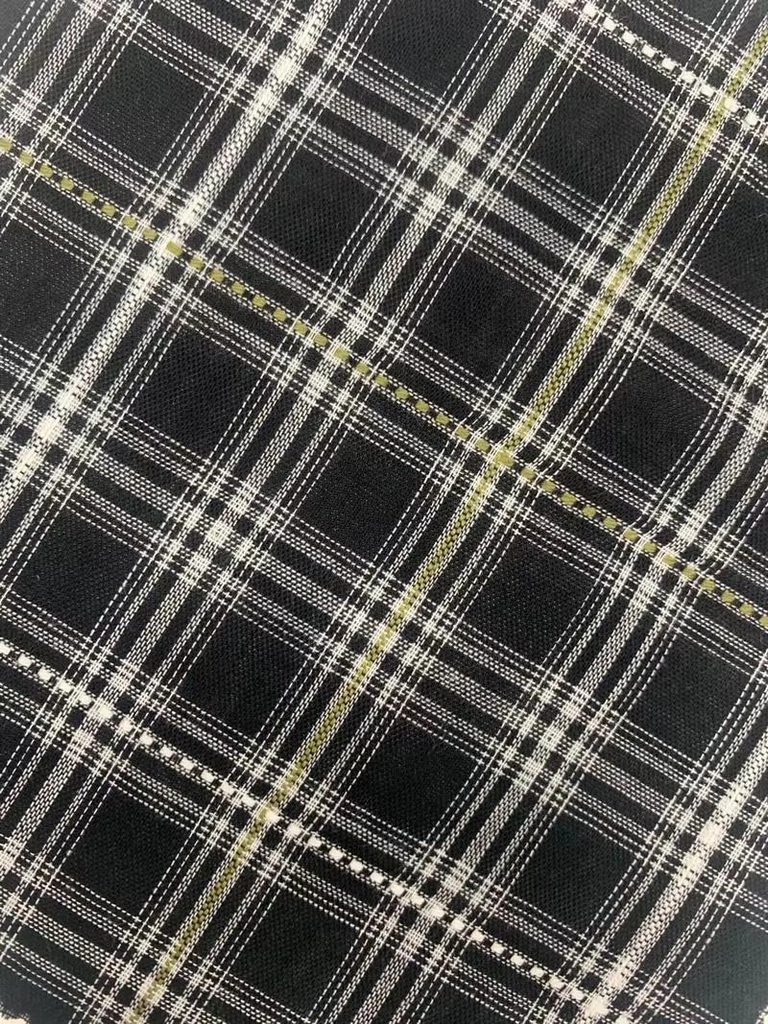
With a cloud-based library, this timeline shrinks from months to mere hours. A designer can instantly browse thousands of digital swatches from global mills, filtering by composition, weight, and price. They can rapidly test dozens of different fabrics on a single 3D garment design in an afternoon, making immediate decisions about material suitability without waiting for a single physical package to ship. This agile workflow allows fashion brands to finalize designs and move into actual production significantly faster, capturing rapidly changing consumer trends before they fade.
Sustainability Through Virtual Sourcing
Beyond speed, digitizing the material sourcing phase is a critical step toward sustainable fashion manufacturing. The traditional sampling process generates a massive amount of textile waste and carbon emissions. Millions of fabric swatches and physical prototype garments are shipped globally every year, only to end up in landfills once a collection is finalized.
By shifting the initial evaluation and prototyping phases to the cloud, apparel brands drastically reduce their reliance on physical resources. Virtual sampling ensures that physical resources are only consumed once a design is 100% approved and ready for mass production. This precision eliminates the waste associated with trial-and-error physical prototyping, aligning modern fashion brands with the growing consumer demand for environmentally responsible business practices.
The Future of Agile Manufacturing
As technology continues to evolve, the integration of haptic feedback devices may soon allow designers to literally feel digital textures through specialized gloves or touchpads. However, even with current 3D visual physics, the cloud-based fabric library has already revolutionized material sourcing.
For forward-thinking manufacturing partners like Monsoon Apparel, integrating with these advanced digital workflows is essential. When clothing brands can accurately select and approve materials via the cloud, the transition from initial concept to final factory floor production becomes seamless. Embracing digital textiles is no longer just a futuristic concept; it is the new standard operating procedure for any fashion brand looking to build high-quality, sustainable collections with unprecedented speed and efficiency.