In today’s hyper-competitive fashion industry, consumer trends shift faster than the seasons. When a new style goes viral on social media, retailers face a critical and immediate challenge: restocking inventory before the hype fades. This is the ultimate reorder race. Traditional garment manufacturing simply cannot keep up with this intense demand for speed, often taking weeks or even months to fulfill a repeat order.
However, industry leaders like Monsoon Apparel have cracked the code, transforming a historically sluggish supply chain into an agile powerhouse capable of a remarkable 7-day delivery turnaround. But how is this lightning-fast speed actually achieved? The answer lies not just in faster sewing machines or overnight shipping, but in a highly strategic and mathematical approach to fabric warehousing.
The Traditional Bottleneck: Why Reorders Stall
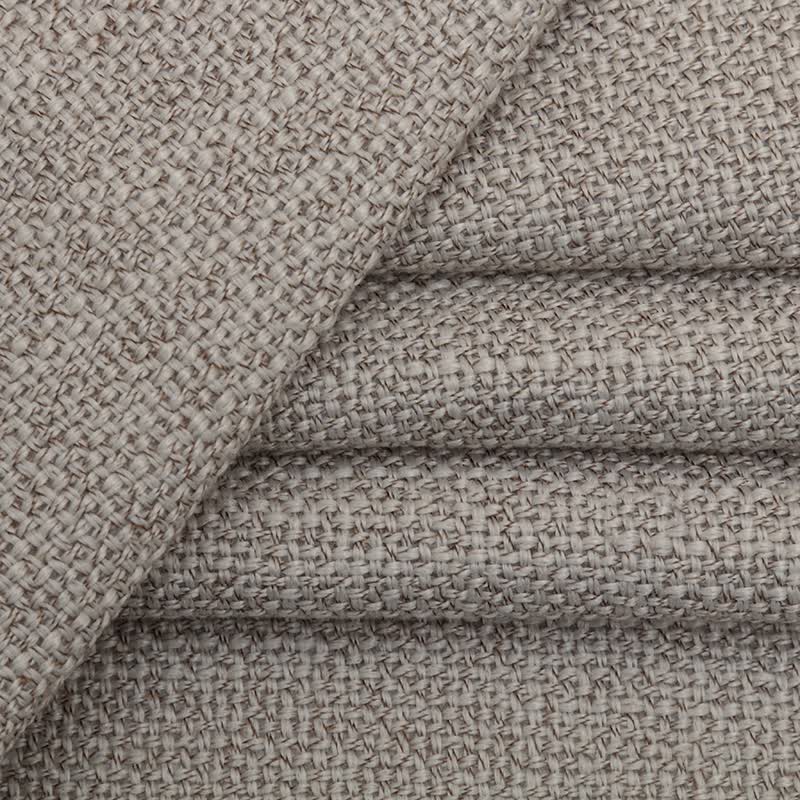
To truly appreciate the marvel of a seven-day turnaround, we first need to understand where the traditional apparel supply chain gets stuck. Typically, when a fashion brand places a reorder for a sold-out item, the factory doesn’t just immediately start cutting and sewing. They must first source and order the raw materials.
Producing, dyeing, and finishing custom fabrics can easily consume 15 to 30 days of lead time. Add in the time required for domestic transportation, fabric quality inspection, the actual garment production phase, and final shipping, and you are often looking at a total lead time of 45 to 60 days. By the time the newly restocked merchandise finally hits the retail shelves, the consumer trend might have already passed, leaving retailers with stagnant dead-stock and severely slashed profit margins. The traditional manufacturing model is strictly reactive, waiting for the purchase order to trigger the material sourcing. To win the modern reorder race, a proactive paradigm shift is absolutely required.
The Proactive Paradigm: Strategic Fabric Warehousing
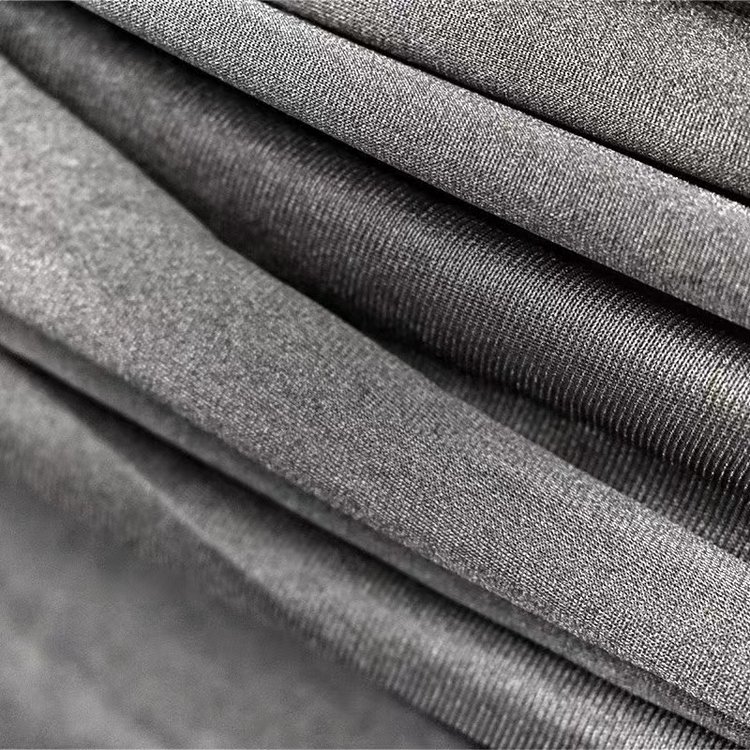
The true foundation of ultra-fast reorder fulfillment is predictive inventory management—specifically, the strategic stocking of greige (raw, unfinished) and pre-dyed fabrics.
Instead of waiting for a client to confirm a restock, forward-thinking manufacturers analyze market data, historical sales performance, and seasonal forecasts to predict exactly which styles and colors will surge in demand. Based on these data-driven insights, factories preemptively stockpile the core fabrics required for those potential bestsellers. This is the secret engine driving Monsoon Apparel’s rapid response system. By maintaining a carefully curated, heavily stocked warehouse of raw materials, the most time-consuming steps of the entire supply chain—fabric weaving and initial dyeing—are completely eliminated from the reorder timeline.
Decoding the 7-Day Delivery Logic
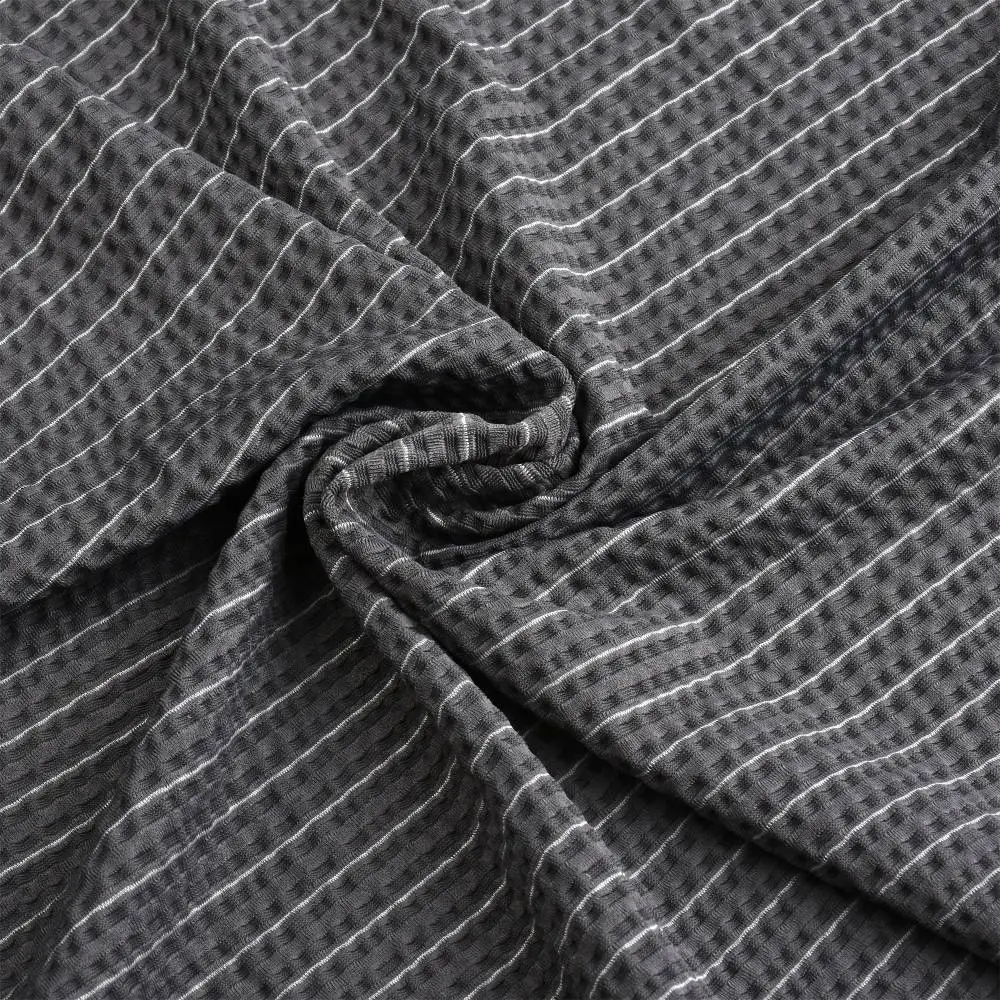
Let’s break down the exact operational mechanics of this accelerated timeline. How is it possible to compress a multi-week, complex manufacturing process into just 168 hours?
- Day 1: Order Activation and Material Allocation. The moment a brand’s reorder is placed in the system, it immediately communicates with the internal fabric warehouse. Because the core fabrics are already stocked and on standby, they are instantly allocated, pulled from the racks, and sent straight to the cutting room.
- Day 2-3: Precision Cutting and Pre-Production. Utilizing automated, computer-aided cutting machines (CNC), the fabric is rapidly and accurately sliced into exact garment panels. Simultaneously, all necessary trims, zippers, labels, and buttons (which are also strategically kept in stock) are gathered and bundled for the sewing teams.
- Day 4-5: Agile Assembly Lines. The neatly cut panels are distributed to specialized, modular sewing teams. Unlike traditional, slow-moving linear assembly lines, modular teams are cross-trained and highly adaptable, focusing purely on speed, efficiency, and high-quality stitching for a specific garment type.
- Day 6: Rigorous Quality Control and Finishing. The fully assembled garments undergo strict quality assurance checks. Every seam, zipper, and hem is inspected. Any minor defects are instantly rectified on the spot. The clothes are then pressed, tagged, and folded according to the client’s exact retail specifications.
- Day 7: Dispatch and Final Shipping. The finalized, packaged order leaves the manufacturing facility, instantly ready to hit the retail floor and capture the ongoing consumer demand.
Why This Logistics Strategy Matters for Your Brand
For independent boutiques, e-commerce stores, and major retailers alike, partnering with a manufacturer that actively utilizes this advanced warehousing logic offers a tremendous competitive advantage.
Firstly, it drastically reduces inventory risk. Brands no longer need to order massive, risky initial quantities just to avoid potential stockouts. They can confidently test the waters with smaller initial batches and rapidly reorder only the proven, profitable winners. Secondly, it maximizes total profitability. By capturing sales at the absolute peak of a trend, retailers avoid the dreaded end-of-season markdowns that eat into their bottom line. Finally, it vastly improves cash flow. Capital isn’t tied up in months of supply chain limbo; it cycles quickly and efficiently from order to final sale. Monsoon Apparel’s strict commitment to this agile methodology empowers brands to remain exceptionally responsive to their end consumers.
The Future of Fast Response
Ultimately, a 7-day delivery guarantee is not a simple marketing promise; it is the direct result of meticulous operational planning, accurate data forecasting, and an intelligent fabric warehousing strategy. In a modern retail landscape where speed is the ultimate currency, mastering the reorder timeline is exactly what separates thriving, dynamic brands from the rest of the pack. By keeping the right materials on constant standby, the fashion supply chain transforms from a frustrating bottleneck into a powerful catalyst for sustained brand growth.