
The women’s T-shirt continues to be one of the most versatile products in the global fashion market. From everyday basics and oversized streetwear to premium essentials, cropped silhouettes, graphic designs, and sustainable collections, T-shirts remain an important part of many clothing brands’ product strategies.
For fashion companies planning a new collection, understanding current product preferences can help when working with a women’s t-shirt manufacturer. The right manufacturing partner can turn these trends into practical products while helping brands maintain their own identity.
In 2026, customers are increasingly looking for clothing that combines comfort, quality, versatility, and individuality. This creates opportunities for brands that can develop well-designed T-shirts rather than relying only on generic products.
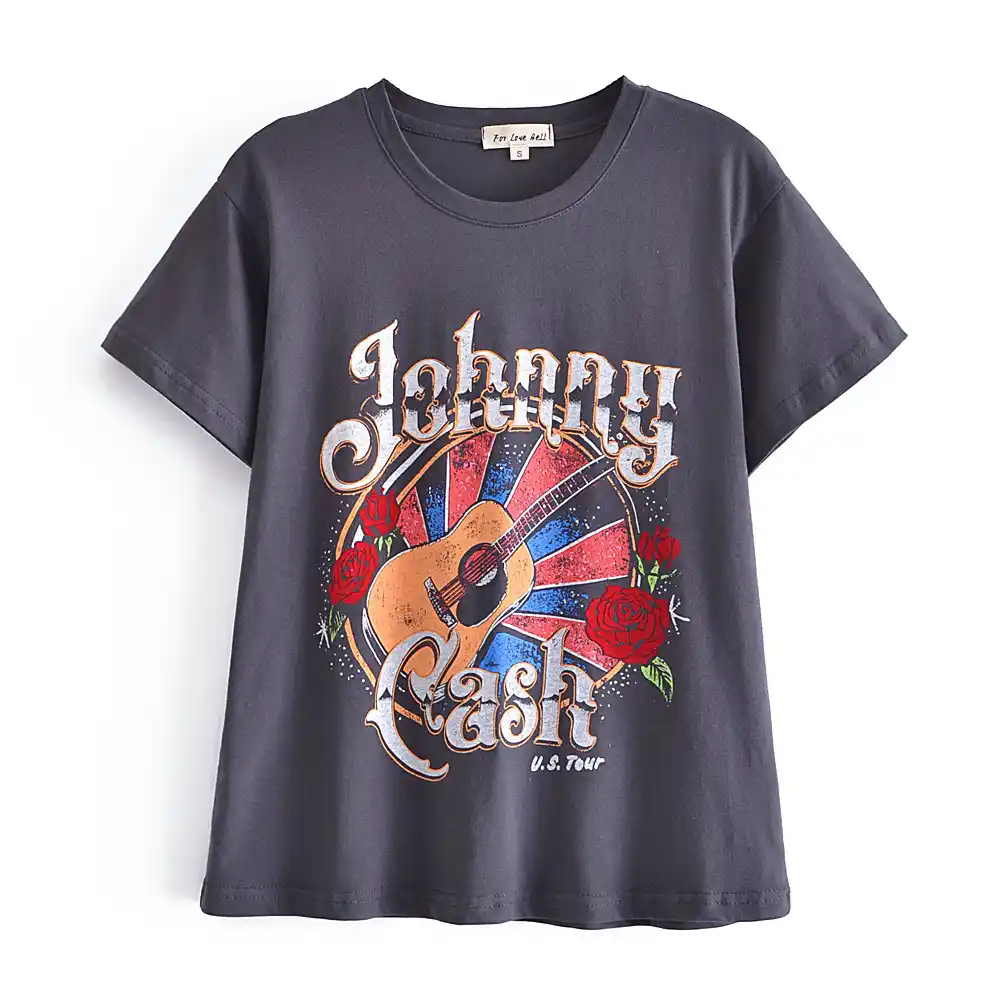
The Women’s T-Shirt Market Is Becoming More Diverse
The basic T-shirt is no longer limited to one standard silhouette.
Today, women’s T-shirts can be designed for many different occasions and customer groups. A single fashion brand may offer fitted basics for everyday wear, oversized graphic tees for streetwear customers, cropped styles for younger consumers, and premium heavyweight designs for customers looking for higher-quality wardrobe essentials.
This variety gives brands more opportunities to develop specialized products.
A custom women’s t-shirt manufacturer can help brands create different silhouettes while maintaining consistent branding across the collection.
Instead of offering one standard T-shirt in multiple colors, a brand can build a product range around different fits, fabrics, and design details.
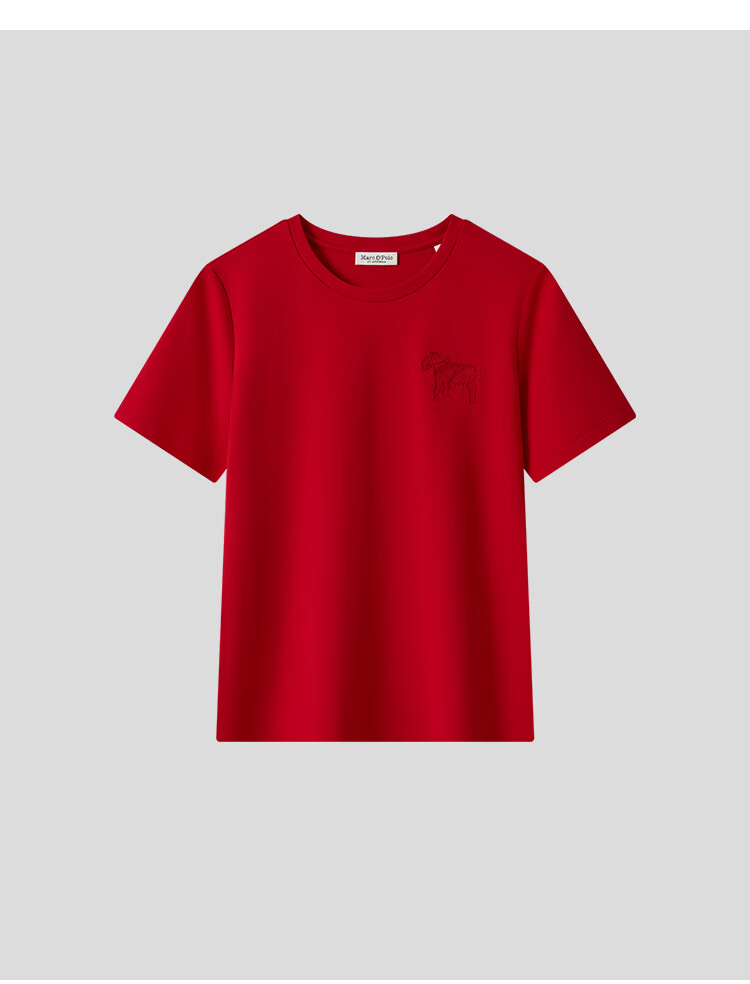
Oversized T-Shirts Continue to Attract Attention
Oversized T-shirts have become an important part of contemporary casualwear and streetwear.
The relaxed silhouette provides comfort while also creating a distinctive fashion appearance.
An oversized T-shirt may feature:
- Dropped shoulders
- Wider sleeves
- A loose body
- Longer sleeves
- A relaxed neckline
- A heavier fabric
- Graphic printing
However, simply increasing the measurements of a regular T-shirt does not necessarily create a good oversized garment.
The pattern needs to be developed specifically for the intended silhouette.
Shoulder position, sleeve proportions, body length, neckline size, and fabric drape all affect the final result.
Brands should therefore work with a women’s t-shirt manufacturer that understands pattern development and can create the desired proportions rather than simply scaling up a standard pattern.
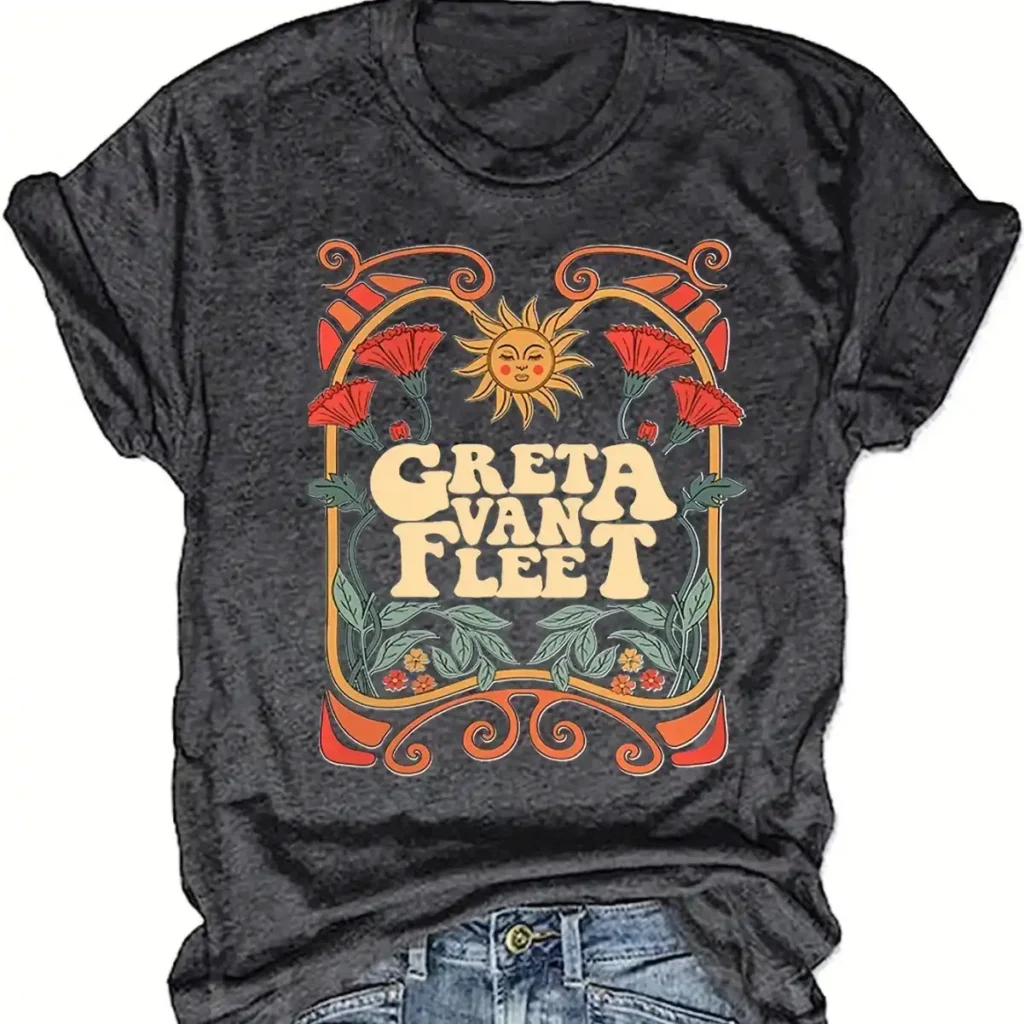
Premium Basic T-Shirts Are Becoming More Important
Graphic T-shirts are popular, but there is also strong potential in premium basics.
A premium basic T-shirt focuses on the details that customers notice when they wear the garment.
These details may include:
- High-quality fabric
- Comfortable neckline
- Clean stitching
- Consistent measurements
- Durable construction
- Refined silhouette
- Minimal branding
A heavyweight cotton T-shirt, for example, can create a more structured appearance than a lightweight jersey.
For brands targeting customers who are willing to pay more for quality, investing in fabric and construction can create a stronger product proposition.
A professional women’s t-shirt supplier should be able to discuss fabric weights and construction options based on your target market and retail price.
Comfort Remains a Key Product Requirement
Fashion trends change, but comfort remains important.
Women’s T-shirts are often worn for long periods, making softness, breathability, fit, and ease of movement essential considerations.
This is one reason cotton remains widely used for T-shirt manufacturing.
Depending on the product, brands may also explore cotton blends, stretch materials, linen blends, hemp, and other fabrics.
The right material depends on the purpose of the garment.
For example, a lightweight breathable fabric may be appropriate for warm-weather clothing, while a heavier fabric may be better suited to an autumn or winter streetwear collection.
Monsoon Apparel states that it works with materials including organic cotton, hemp, and linen, providing different options for brands developing custom clothing products.
Sustainability Is Influencing Material Choices
Sustainability has become an important consideration for many fashion brands.
Customers increasingly want to understand what their clothing is made from and how products are manufactured.
This does not mean every brand must use the same material. Instead, businesses should consider which materials and production practices align with their own positioning.
Potential options include:
- Organic cotton
- Recycled materials
- Hemp
- Linen
- Durable fabrics designed for longer use
- Recyclable packaging
Monsoon Apparel highlights materials such as organic cotton, hemp, and linen and states that it focuses on more environmentally conscious production and packaging practices.
For brands developing sustainable collections, material choices should be discussed with the manufacturer at the beginning of product development.
Custom Colors Can Strengthen Brand Identity
Color is one of the simplest ways to create a recognizable clothing collection.
A brand may choose a signature neutral palette, seasonal colors, pastel tones, earth-inspired shades, or bold statement colors.
Custom color development can help a T-shirt collection look more distinctive than standard wholesale products.
However, color consistency is important.
If a brand reorders the same T-shirt several months later, customers expect the new production to match the previous collection as closely as possible.
A reliable custom apparel manufacturer should have processes for managing approved colors and production specifications.
Brands should also provide clear color references whenever possible instead of relying only on general descriptions such as “light blue” or “dark green.”
Graphic T-Shirts Offer Creative Opportunities
Graphic T-shirts remain an effective way for brands to communicate ideas, artwork, and identity.
A graphic can be:
- A brand logo
- Typography
- Illustration
- Photograph
- Abstract artwork
- Seasonal design
- Cultural reference
- Artistic pattern
The placement of the artwork can also change the appearance of the garment.
Common locations include:
- Center chest
- Left chest
- Full front
- Upper back
- Full back
- Sleeve
- Hem
A women’s t-shirt manufacturer with printing capabilities can help brands determine the appropriate production method for their artwork.
Monsoon Apparel states that it provides screen printing and embroidery services for customized apparel.
Before production, brands should approve artwork size, placement, colors, and decoration method.
Embroidery Adds a Premium Detail
Embroidery can create a different visual effect from printing.
A small embroidered logo on the chest or sleeve can give a T-shirt a more refined appearance.
Embroidery can be especially suitable for:
- Minimalist logos
- Monograms
- Small brand graphics
- Text
- Decorative details
However, not every design is suitable for embroidery.
Very fine artwork may require adjustments, and the fabric must be able to support the embroidered design.
Discussing the artwork with the manufacturer before production can help determine whether printing or embroidery is more appropriate.
Private Label T-Shirts Give Brands More Control
Private label manufacturing continues to be an attractive option for clothing businesses that want to sell products under their own brand.
A private label women’s t-shirt manufacturer can produce garments with custom branding elements.
These may include:
- Neck labels
- Woven labels
- Care labels
- Hang tags
- Packaging
- Printed logos
- Embroidered logos
Monsoon Apparel provides private label and OEM manufacturing services for brands that want customized apparel.
Private labeling can help create consistency between a brand’s website, clothing, packaging, and customer experience.
Smaller Brands Need Flexible Manufacturing
The fashion industry is no longer dominated only by large retail companies.
Independent designers, social media brands, online stores, and small fashion startups can launch products directly to consumers.
For these businesses, flexible production quantities are important.
A large MOQ can create substantial financial pressure before a new product has been tested.
Monsoon Apparel states that it maintains a low MOQ to accommodate businesses of different sizes and help reduce inventory and overstocking risks.
Flexible production can allow smaller brands to test new designs, collect customer feedback, and increase production when demand is proven.
Sampling Remains Essential
Even when a design looks perfect digitally, the physical product may require changes.
A sample allows the brand to evaluate the actual garment before bulk production.
During the sample stage, check:
Fit: Is the silhouette correct?
Fabric: Does the material have the expected weight and feel?
Color: Does the physical color match the approved reference?
Construction: Are seams and hems finished correctly?
Graphics: Is the artwork positioned and printed correctly?
Branding: Are labels and tags placed correctly?
Monsoon Apparel describes a production process that includes prototyping and sample approval before mass production.
This process gives brands an opportunity to identify problems before committing to a larger production run.
T-Shirts Are Becoming Part of Larger Collections
Another important development is the role of the T-shirt within a broader clothing collection.
Rather than selling T-shirts as isolated products, brands can use them as part of a coordinated range.
A collection might include:
- T-shirts
- Hoodies
- Sweatshirts
- Sweatpants
- Jeans
- Jackets
- Activewear
- Loungewear
The same color palette, graphics, labels, and design language can be used across multiple categories.
This creates a more complete brand identity.
For brands planning long-term growth, it can therefore be useful to choose a women’s t-shirt manufacturer that can also produce other apparel categories.
Monsoon Apparel states that it provides manufacturing for a broad selection of clothing categories, allowing brands to develop different types of products through the same manufacturing partner.
Faster Product Development Can Create a Competitive Advantage
Fashion businesses need to respond to customer preferences quickly.
However, speed should not come at the expense of quality.
A reliable product development process can make it easier to move from an idea to a sample and then into production.
Monsoon Apparel states that standard production orders can generally be completed within approximately 7–20 working days, while expedited options may be available for urgent projects. Actual production time depends on the product, quantity, materials, and customization requirements.
Brands should still plan sufficient time for design development, sampling, revisions, quality inspection, packaging, and shipping.
Choosing a Manufacturing Partner for 2026 and Beyond
As fashion brands become more specialized, manufacturers need to provide more than basic production capacity.
A strong women’s t-shirt manufacturer should ideally provide:
- Custom product development
- Flexible fabric options
- Sampling
- Private labeling
- Printing
- Embroidery
- Flexible MOQ
- Consistent quality
- Reliable production
- International shipping
- Support for future product categories
Monsoon Apparel states that it offers private label, OEM, CMT, FOB, and ODM manufacturing options, allowing brands to select different cooperation models depending on their needs.
The company also states that it serves customers in more than 60 countries across North America, Europe, Australia, and other international markets.
Why Work With Monsoon Apparel?
For brands looking for a custom women’s t-shirt manufacturer, Monsoon Apparel provides an end-to-end approach to apparel production.
The company’s stated services cover design and concept development, prototyping, sample approval, mass production, private labeling, packaging, and shipping.
This allows brands to manage multiple stages of product development through one manufacturing partner.
For a new fashion business, this can simplify the process of developing its first collection. For an established brand, it can provide additional flexibility when introducing new styles, materials, and product categories.
Final Thoughts
Women’s T-shirts remain a highly adaptable product, and their potential goes far beyond the traditional basic tee.
Oversized silhouettes, premium fabrics, sustainable materials, custom colors, graphic artwork, embroidery, private labeling, and carefully developed fits give brands many ways to create distinctive products.
The key is choosing a manufacturing partner that can turn these ideas into consistent, commercially viable garments.
An experienced women’s t-shirt manufacturer can support your brand through fabric selection, product development, sampling, customization, production, quality control, packaging, and delivery.
If you are planning a new women’s T-shirt collection, start by defining your target customer and product positioning. Then consider the fabric, silhouette, colors, graphics, branding, order quantity, and production requirements.
With thoughtful product development and the right manufacturing partner, your T-shirts can become more than everyday basics. They can become recognizable products that strengthen your brand, attract new customers, and create opportunities for future apparel collections.