For fashion brands selling in competitive markets, choosing the right production partner can have a major impact on product quality, pricing, delivery, and long-term growth. As clothing businesses expand internationally, many companies look for experienced manufacturers that can handle custom designs, private labeling, flexible order quantities, quality control, and global shipping.
A professional women’s t-shirt manufacturer can provide much more than basic garment production. The right partner can become an important part of a brand’s supply chain, helping transform product concepts into finished T-shirts that are ready for customers around the world.
Whether you are launching a new online fashion business, developing a private label collection, or expanding an established apparel company, understanding what to look for in an international manufacturing partner can help you make a better decision.
Why Women’s T-Shirts Are Important for Global Fashion Brands
The T-shirt is one of the most universal clothing products.
It can be sold as an affordable everyday basic, a premium wardrobe essential, a streetwear statement piece, a promotional garment, or part of a seasonal fashion collection.
Because the product is so versatile, brands can adapt T-shirts to different markets and customer groups.
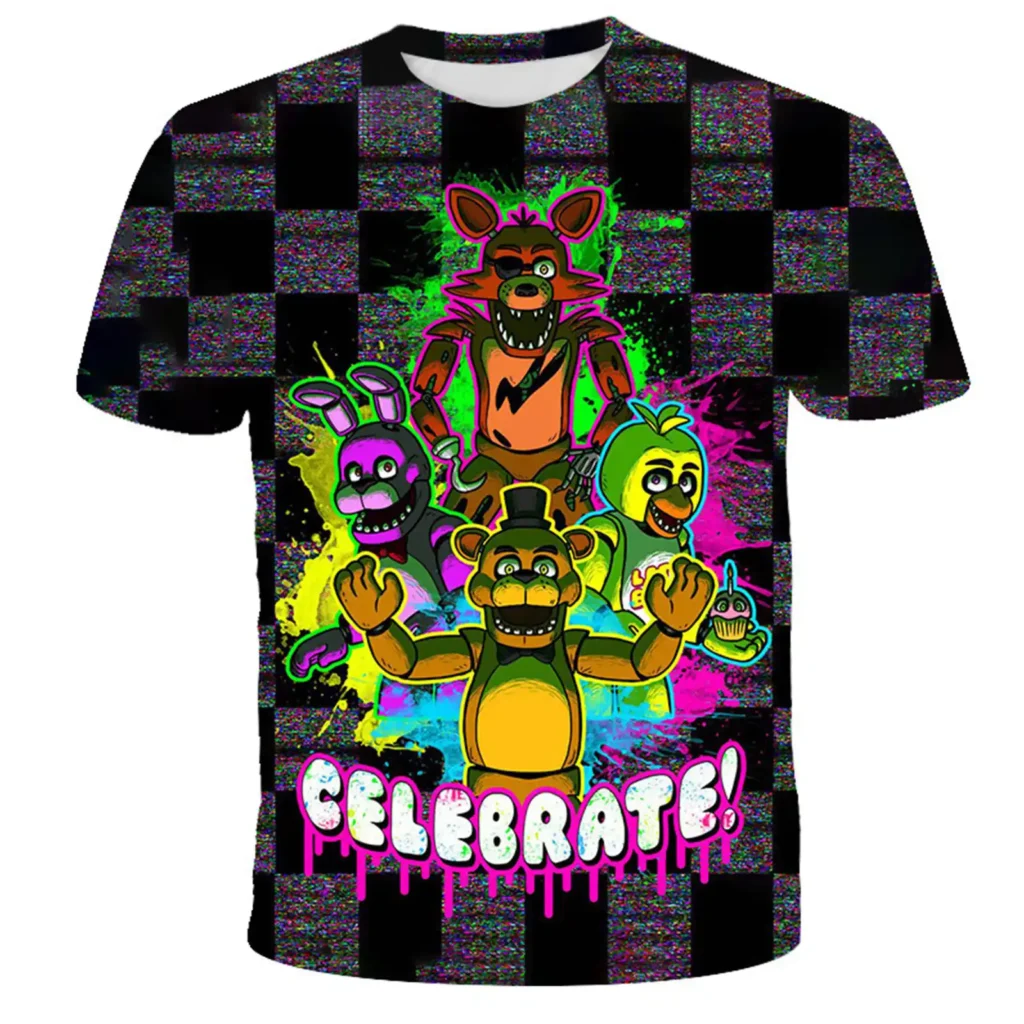
For example, a streetwear company may focus on oversized heavyweight T-shirts with large graphics, while a minimalist fashion brand may prefer fitted cotton basics with subtle branding.
An active lifestyle company may require lightweight performance materials, while a sustainable brand may prioritize organic or alternative fibers.
A capable custom women’s t-shirt manufacturer should be able to accommodate these different requirements.
Custom Manufacturing for International Brands
International brands often need products that are different from standard wholesale garments.
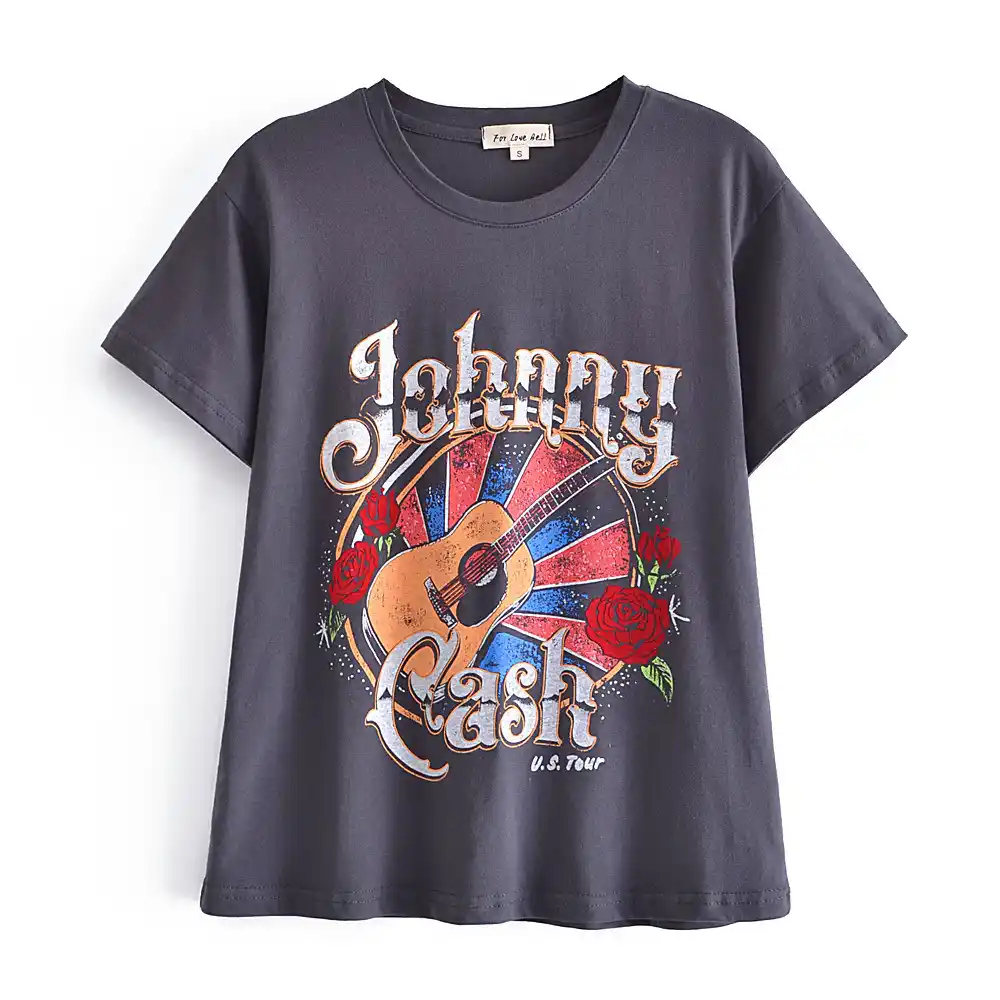
Custom manufacturing allows a company to control the details of the product.
These details can include:
- Fabric
- Color
- Fit
- Pattern
- Measurements
- Neckline
- Sleeves
- Printing
- Embroidery
- Labels
- Packaging
This level of customization can help brands create products that are difficult for competitors to copy using standard blank garments.
A custom T-shirt can also be designed around a specific customer profile.
For example, a brand targeting young consumers may choose oversized proportions and bold graphics. A premium lifestyle company may focus on high-quality fabric and minimalist branding.
The manufacturer needs to understand the purpose of the garment, not simply the technical instructions.
Private Label Manufacturing Builds Brand Identity
Private labeling is especially important for online fashion companies.
When customers purchase a T-shirt from an independent clothing brand, they expect the garment to reflect that brand.
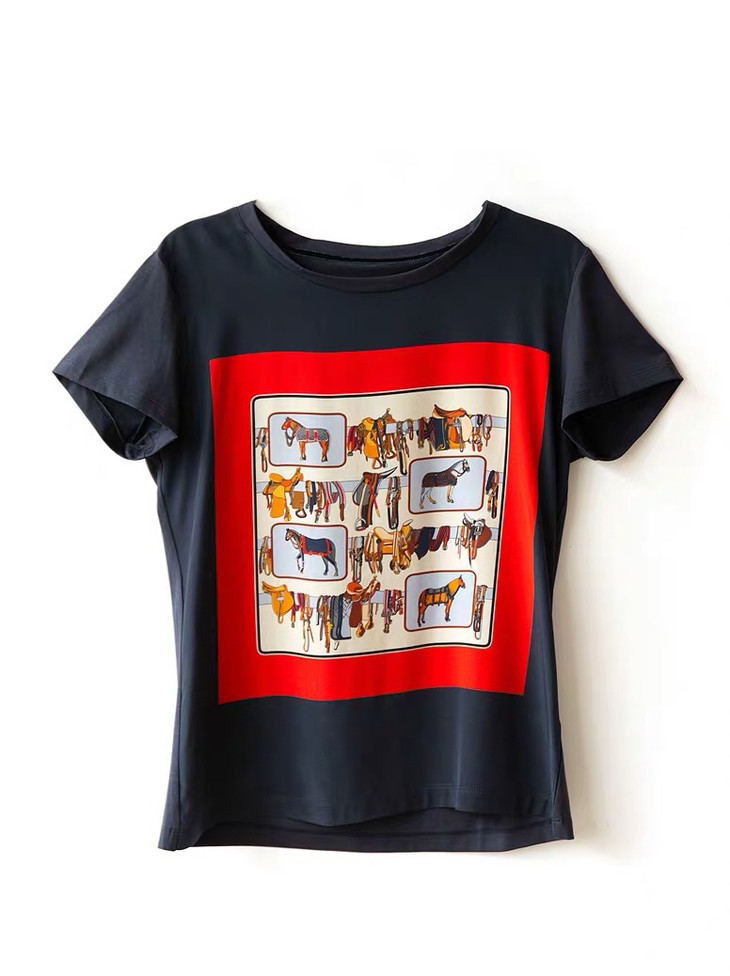
A private label women’s t-shirt manufacturer can incorporate customized branding throughout the product.
This may include:
- Woven neck labels
- Printed neck labels
- Care labels
- Hang tags
- Custom packaging
- Logo embroidery
- Printed branding
Monsoon Apparel provides private label and OEM manufacturing services for businesses that want customized apparel under their own brand identity.
Instead of purchasing generic garments and adding branding later, businesses can develop branding as part of the original manufacturing process.
This creates a more consistent product experience.
Flexible MOQ Helps International Startups
Not every clothing company begins with a large production budget.
A new online fashion business may want to test a product before investing heavily in inventory.
This makes minimum order quantity an important consideration.
A manufacturer with a flexible MOQ can allow smaller brands to launch products at a manageable scale.
Monsoon Apparel states that it maintains a low MOQ to support businesses of different sizes and help reduce inventory costs and overstocking risks.
For a startup, this flexibility can make it possible to test:
- New designs
- New colors
- Different fits
- Seasonal collections
- Limited-edition products
Once customer demand becomes clearer, the brand can increase future production quantities.
Quality Control Matters Across International Markets
When products are manufactured in one country and sold in another, quality control becomes particularly important.
A defective garment may need to travel thousands of miles before reaching the customer.
If a problem is discovered after delivery, replacing the product can be expensive and time-consuming.
For this reason, quality control should be integrated into the production process.
Important checks include:
Fabric Inspection
The fabric should be checked for visible defects, color inconsistencies, and other issues.
Measurement Inspection
Finished garments should be compared against approved size specifications.
Sewing Inspection
Seams, hems, sleeves, and neckline construction should be checked for consistency.
Decoration Inspection
Printing and embroidery should match the approved artwork in terms of size, position, and appearance.
Final Inspection
Finished products should be checked before packaging and shipping.
Monsoon Apparel describes quality control as part of its production process and states that finished garments are inspected before packaging and shipping.
Consistent quality is particularly important for brands selling across multiple markets because customers expect the same product standards regardless of where they live.
Fabric Selection for Different Markets
International brands may serve customers in different climates.
This means fabric selection should take the target market into account.
For warm climates, lightweight and breathable fabrics may be preferred.
For cooler regions, heavier T-shirts can be useful as layering pieces.
The intended retail positioning also matters.
A premium collection may require heavier cotton or specialized materials, while an affordable basic collection may focus on comfortable and cost-effective fabrics.
Monsoon Apparel states that it works with materials such as organic cotton, hemp, and linen, giving brands multiple options for developing customized apparel products.
A good manufacturer should help brands understand the practical differences between available materials rather than simply offering a list of fabrics.
Sampling Is Essential Before International Production
For international orders, sampling becomes even more important.
Once a product enters mass production, making changes can become much more difficult.
A sample provides an opportunity to confirm:
- Fit
- Fabric
- Color
- Construction
- Printing
- Embroidery
- Labels
- Packaging
Brands should approve the sample before bulk production begins.
Monsoon Apparel states that its production process includes prototyping and sample approval before mass production.
For international fashion businesses, this approval process can help reduce the risk of receiving a large quantity of products that do not meet the original specifications.
Production Lead Time and Global Launches
International fashion brands often work around seasonal calendars.
A collection may need to arrive before:
- Summer
- Winter
- Holiday shopping
- Back-to-school season
- A promotional campaign
- A fashion event
- An online product launch
Production delays can therefore have a direct impact on sales.
Monsoon Apparel states that its standard production turnaround is generally approximately 7–20 working days, while expedited production options may be available for urgent orders. Actual lead times depend on product complexity, quantity, material availability, customization, and other factors.
Brands should also account for sample development, revisions, quality control, packaging, and international shipping when planning a launch.
International Shipping and Logistics
Manufacturing is only one part of international apparel sourcing.
Once the products are finished, they need to reach the correct destination.
Depending on the business model, this could be:
- A brand warehouse
- A fulfillment center
- A retail store
- A distribution center
- A third-party logistics provider
Shipping costs can be affected by order volume, destination, packaging dimensions, delivery method, and timing.
Monsoon Apparel states that it provides worldwide shipping and serves customers in more than 60 countries across North America, Europe, Australia, and other markets.
For an international brand, working with a manufacturer familiar with global apparel logistics can make the supply chain easier to manage.
OEM and ODM Manufacturing Options
Different brands require different levels of manufacturing support.
Some businesses have complete designs, patterns, tech packs, and material specifications. They mainly need a factory to manufacture the approved products.
Other businesses have a product concept but need help developing the garment.
This is where different manufacturing models can become useful.
Monsoon Apparel states that it supports CMT, FOB, and ODM cooperation models in addition to its custom manufacturing services.
Understanding these options can help a brand choose a production model that matches its internal capabilities.
Why Communication Is Critical
International manufacturing often involves teams working across different countries and time zones.
Clear communication is therefore essential.
A manufacturer should have a process for managing:
- Product specifications
- Sample feedback
- Artwork
- Fabric approvals
- Size charts
- Quantity breakdowns
- Production updates
- Packaging
- Shipping
Brands should avoid relying on vague descriptions.
For example, instead of saying that the T-shirt should be “slightly oversized,” provide exact measurements.
Instead of describing a color as “bright red,” provide an approved color reference.
Instead of saying the logo should be “on the front,” specify its location and dimensions.
Clear information reduces misunderstandings and makes production more predictable.
Choosing a Manufacturer That Can Grow With You
Your first order is unlikely to be your last if your brand succeeds.
A small online business may start with a limited collection and gradually expand into a larger apparel company.
As the business grows, manufacturing requirements can change.
You may need:
- Larger production quantities
- More color options
- New T-shirt silhouettes
- Additional fabric choices
- Faster reorders
- More packaging options
- Additional apparel categories
This makes scalability an important factor when choosing a women’s t-shirt manufacturer.
Monsoon Apparel states that it provides manufacturing for a wide range of apparel categories in addition to T-shirts. These include products such as hoodies, sweatshirts, jeans, swimwear, sportswear, uniforms, and loungewear.
A manufacturer with broader capabilities can potentially support a brand as it expands beyond its initial product line.
Why Choose Monsoon Apparel?
For brands searching for an experienced women’s t-shirt manufacturer, Monsoon Apparel offers a broad range of custom apparel manufacturing services.
The company states that its production process can cover design and concept development, technical specifications, prototyping, sample approval, mass production, private labeling, packaging, and shipping.
Its stated manufacturing models include CMT, FOB, and ODM, providing different options for businesses with different production requirements.
The company also states that it supports low MOQ orders and serves customers in more than 60 countries.
For startups, these capabilities can provide flexibility during the early stages of brand development. For established businesses, they can support larger production programs and broader apparel collections.
What International Brands Should Look for in a Supplier
Before selecting a manufacturing partner, create a checklist of your priorities.
A strong women’s t-shirt supplier should ideally offer:
- Custom product development
- Reliable fabric sourcing
- Sample production
- Private labeling
- Printing
- Embroidery
- Flexible MOQ
- Quality control
- Consistent production
- Competitive manufacturing costs
- Clear communication
- International shipping
- Scalable production
Not every supplier will be equally strong in every area.
The best choice depends on your product requirements, order size, target market, budget, and growth plans.
Final Thoughts
International apparel brands need manufacturing partners that can provide more than basic production.
A successful women’s T-shirt requires the right fabric, fit, construction, decoration, branding, quality control, packaging, and logistics. When these elements are managed effectively, the result is a product that can represent a brand consistently across different markets.
Working with an experienced women’s t-shirt manufacturer can simplify this process by bringing multiple production services together.
For fashion startups, private label companies, online retailers, and established international brands, the ideal manufacturing partner should be flexible enough to support small beginnings while having the capabilities required for long-term growth.
If you are developing a new women’s T-shirt collection, begin by defining your product concept, target customer, fabric requirements, branding, expected quantity, and delivery destination. Then choose a manufacturer that can support the complete journey from product development to finished garments.
With the right partner, international apparel sourcing can become a more organized and scalable process, allowing your brand to focus on creating products customers want while maintaining control over quality, branding, and production.