As the global apparel industry continues to expand, clothing brands have more manufacturing options than ever before. Whether you are launching a new fashion label, operating an e-commerce store, or managing a large retail business, selecting the right sweatshirt manufacturer is one of the most important decisions you will make.
Today, sweatshirt manufacturers can be found across Asia, Europe, North America, and other regions, each offering different advantages in pricing, quality, production capacity, and customization capabilities. While having more choices creates opportunities, it can also make the selection process more challenging.
Comparing sweatshirt manufacturers requires more than simply finding the lowest price. Factors such as quality standards, communication, lead times, scalability, and customization services often have a greater impact on long-term business success. Understanding what to evaluate can help brands choose a manufacturing partner that supports both current needs and future growth.
Why Choosing the Right Manufacturer Matters
A sweatshirt manufacturer directly influences the quality of your products, customer satisfaction, and brand reputation.
Even the best designs can fail if production quality is inconsistent. Common manufacturing problems include:
- Poor stitching
- Fabric defects
- Inaccurate sizing
- Delayed deliveries
- Color inconsistencies
- Branding errors
These issues can result in customer complaints, increased returns, and damage to your brand image.
By carefully comparing manufacturers before placing orders, businesses can reduce risk and establish a more reliable supply chain.
Evaluate Manufacturing Experience
Experience is one of the first factors to consider when comparing sweatshirt manufacturers.
An experienced manufacturer typically has:
- Established production processes
- Skilled workers
- Strong quality control systems
- Reliable supplier relationships
- Proven problem-solving capabilities
Manufacturers with years of experience producing sweatshirts often understand garment construction better and can provide valuable recommendations during product development.
When evaluating potential partners, ask about:
- Years in operation
- Types of apparel produced
- Major export markets
- Previous client experience
- Production specialties
A manufacturer with extensive sweatshirt production experience is often better equipped to deliver consistent results.
Assess Fabric Sourcing Capabilities
The fabric used in a sweatshirt significantly impacts comfort, durability, appearance, and customer satisfaction.
Leading sweatshirt manufacturers typically offer a wide range of materials, including:
Cotton Fleece
A popular choice for warm, comfortable sweatshirts with a soft interior finish.
French Terry
Lightweight and breathable, making it suitable for transitional seasons.
Organic Cotton
An increasingly popular option among environmentally conscious brands.
Recycled Fabrics
Produced from recycled fibers to support sustainability initiatives.
Cotton-Polyester Blends
Known for durability, wrinkle resistance, and cost efficiency.
Manufacturers with strong sourcing networks can often provide more fabric options and competitive pricing.
Compare Customization Services
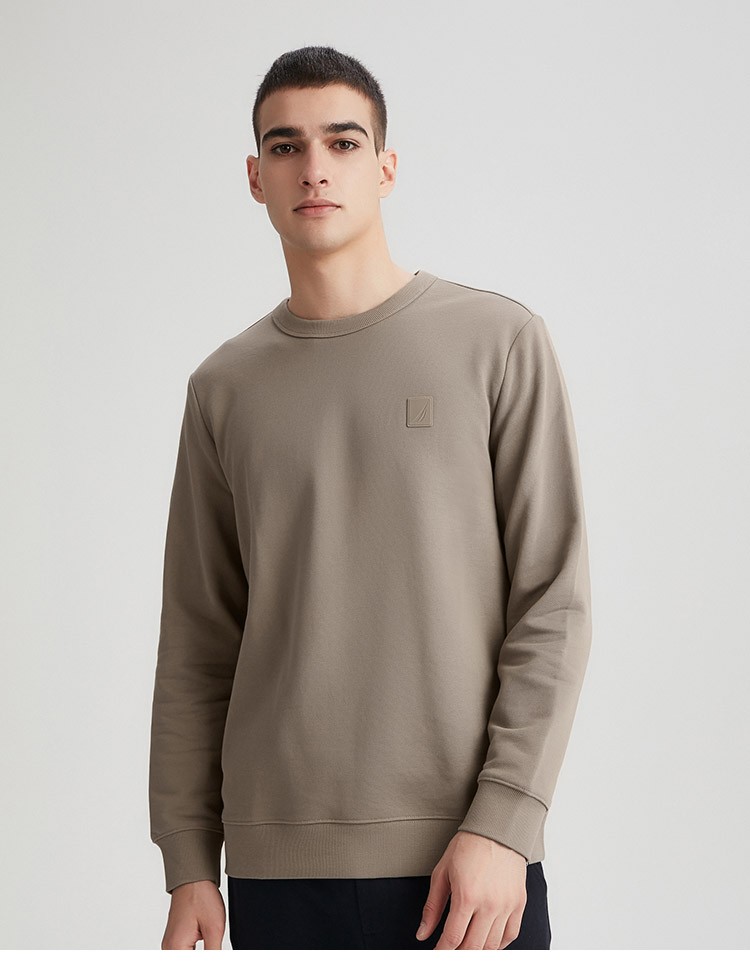
Modern apparel brands rely heavily on customization to differentiate themselves in the marketplace.
Not all sweatshirt manufacturers offer the same customization capabilities.
Look for manufacturers that provide:
Custom Printing
Popular methods include:
- Screen printing
- Direct-to-garment (DTG) printing
- Heat transfer printing
- Puff printing
Different techniques are suitable for different design requirements and order volumes.
Embroidery
Embroidery adds a premium appearance and is commonly used for logos and branding elements.
Private Label Services
Private labeling allows brands to place their own identity on products through:
- Neck labels
- Care labels
- Woven tags
- Hang tags
- Custom packaging
The more customization options available, the greater flexibility brands have when building unique collections.
Understand Minimum Order Quantities
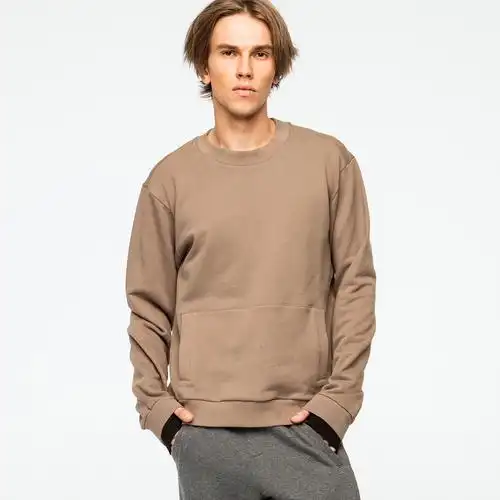
Minimum order quantity (MOQ) requirements vary significantly among sweatshirt manufacturers.
Large factories may require substantial production volumes, while others specialize in low MOQ manufacturing.
For startups and small businesses, low MOQ options provide several benefits:
- Reduced financial risk
- Easier inventory management
- Faster product testing
- Greater design flexibility
For larger brands, higher production capacity may become more important than low minimums.
The ideal manufacturer should offer a balance between flexibility and scalability.
Review Quality Control Procedures
Quality control is often the difference between a successful production run and a costly mistake.
Reliable sweatshirt manufacturers implement inspection procedures throughout production.
Quality control measures may include:
- Raw material inspection
- Pattern verification
- Stitching inspections
- Color consistency testing
- Measurement checks
- Final product review
When comparing manufacturers, ask for details about their quality assurance processes and inspection standards.
A strong quality control system helps ensure consistency across every order.
Evaluate Production Lead Times
Speed to market has become increasingly important in today’s apparel industry.
Long production delays can:
- Miss seasonal opportunities
- Delay product launches
- Create inventory shortages
- Reduce sales potential
Manufacturers should provide realistic timelines for:
- Sample development
- Material sourcing
- Bulk production
- Shipping preparation
Businesses should be cautious of manufacturers that promise unusually fast turnaround times without explaining how those timelines are achieved.
Consistency is often more valuable than unrealistic speed.
Consider Communication and Customer Support
Effective communication plays a critical role in successful manufacturing partnerships.
Misunderstandings can lead to:
- Production errors
- Delayed approvals
- Increased costs
- Missed deadlines
Professional sweatshirt manufacturers should provide:
- Prompt responses
- Clear production updates
- Transparent pricing
- Detailed documentation
- Dedicated account support
Good communication becomes even more important when working with international suppliers.
Sustainability Is Becoming a Key Competitive Factor
Consumers increasingly prefer apparel brands that prioritize responsible manufacturing practices.
Many sweatshirt manufacturers now support sustainable production through:
- Organic materials
- Recycled fabrics
- Water-saving processes
- Reduced waste initiatives
- Ethical labor standards
- Eco-friendly packaging
Brands that incorporate sustainability into their supply chains can strengthen customer trust and improve market positioning.
When comparing manufacturers, ask about environmental initiatives and certifications where applicable.
Global Manufacturing Regions: Key Considerations
Different regions offer unique advantages.
Asia
Many brands choose Asian manufacturers because of:
- Competitive pricing
- Large production capacity
- Extensive textile supply chains
- Strong customization capabilities
Europe
European manufacturers are often known for:
- Premium craftsmanship
- Strict quality standards
- Faster delivery within Europe
North America
Manufacturers in North America may offer:
- Shorter shipping times
- Easier communication
- Smaller production runs
- Greater supply chain transparency
The best choice depends on your brand’s priorities, budget, and target market.
Why Brands Choose Monsoon Apparel
When evaluating sweatshirt manufacturers globally, many brands prioritize a partner that combines quality, flexibility, and dependable service. Monsoon Apparel supports apparel businesses with comprehensive manufacturing solutions that include product development, fabric sourcing, custom printing, embroidery, private labeling, quality control, and bulk production.
The company works with startups, growing fashion labels, wholesalers, and established retailers seeking reliable production support. Flexible MOQ options, experienced manufacturing teams, and a customer-focused approach allow Monsoon Apparel to help brands create high-quality sweatshirt collections that meet both market expectations and business objectives.
Conclusion
Comparing sweatshirt manufacturers requires a careful evaluation of quality, customization options, production capabilities, communication standards, and long-term scalability. While pricing remains important, the most successful brands understand that manufacturing partnerships are about far more than cost alone.
A reliable manufacturer contributes to product quality, customer satisfaction, operational efficiency, and brand growth. By taking the time to evaluate potential partners thoroughly, businesses can build stronger supply chains and position themselves for long-term success in the competitive apparel industry.