Sweatshirts remain one of the most popular apparel products worldwide. From fashion brands and streetwear labels to corporate merchandise and sportswear companies, businesses continue to invest in high-quality sweatshirt collections to meet growing consumer demand.
However, many apparel entrepreneurs and brand owners have a limited understanding of what happens behind the scenes during production. While a finished sweatshirt may appear simple, creating a high-quality garment requires a structured manufacturing process involving design development, material sourcing, sampling, production, quality control, and logistics.
Understanding the complete sweatshirt manufacturing process helps brands make better decisions, improve communication with suppliers, and reduce costly production mistakes. Whether you are launching your first clothing collection or scaling an established apparel business, knowing how professional sweatshirt manufacturers operate can provide a significant advantage.
Step 1: Product Concept and Design Development
Every successful sweatshirt begins with a clear concept.
Before production starts, brands must define the key characteristics of the product, including:
- Target customer
- Intended market
- Style direction
- Fabric preferences
- Branding requirements
- Price positioning
At this stage, designers typically create:
- Technical sketches
- Design mockups
- Size specifications
- Color selections
- Branding placements
Providing detailed design information helps manufacturers accurately understand the product vision and reduce misunderstandings later in the process.
Professional sweatshirt manufacturers often assist clients in refining designs to ensure they are suitable for efficient production.
Step 2: Fabric Selection and Material Sourcing
Fabric selection is one of the most important stages of sweatshirt manufacturing.
The material directly affects:
- Comfort
- Durability
- Appearance
- Weight
- Production cost
Manufacturers typically offer several fabric options depending on the project requirements.
Cotton Fleece
Cotton fleece is one of the most commonly used sweatshirt fabrics because it provides warmth and softness.
French Terry
French terry offers a lighter-weight alternative that remains comfortable throughout different seasons.
Cotton-Polyester Blends
Blended fabrics improve durability while helping garments maintain their shape after repeated washing.
Organic Cotton
Many brands choose organic cotton to support sustainability initiatives and appeal to environmentally conscious consumers.
Recycled Materials
Recycled fabrics are increasingly used by brands seeking responsible manufacturing solutions.
Experienced sweatshirt manufacturers can recommend suitable materials based on product goals, budget, and target market.
Step 3: Pattern Making and Size Development
Once materials are selected, manufacturers begin pattern development.
Patterns serve as the blueprint for garment construction and determine:
- Fit
- Proportions
- Sleeve shape
- Body length
- Overall silhouette
A well-developed pattern ensures consistency throughout production.
Manufacturers often create size grading systems that allow the design to be produced in multiple sizes while maintaining proper fit and proportions.
This stage is critical because pattern issues can lead to sizing problems that affect customer satisfaction.

Step 4: Sample Production
Before moving into bulk production, manufacturers create samples for approval.
Sampling allows brands to evaluate the product in physical form and make adjustments before committing to large production volumes.
Common sample evaluations include:
Fabric Performance
Brands assess softness, weight, stretch, and overall comfort.
Fit Testing
Samples are worn and measured to verify sizing accuracy.
Branding Placement
Logos, embroidery, labels, and graphics are reviewed to ensure proper positioning.
Construction Quality
Stitching, seams, and finishing details are carefully inspected.
Many apparel professionals consider sampling one of the most important stages in the manufacturing process because it significantly reduces production risks.
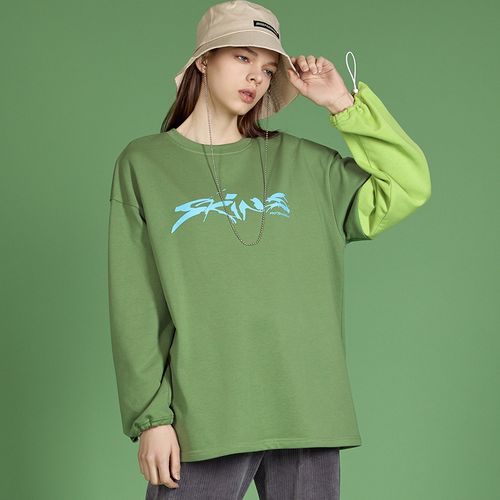
Step 5: Material Preparation
Once samples receive final approval, manufacturers begin preparing materials for bulk production.
This stage includes:
- Ordering fabric
- Sourcing trims
- Preparing labels
- Acquiring packaging materials
- Scheduling production
Production planning is essential because delays in material sourcing can affect overall lead times.
Reliable sweatshirt manufacturers maintain strong supplier networks to ensure smooth material procurement.
Step 6: Fabric Cutting
Fabric cutting is the first major stage of garment production.
Manufacturers use approved patterns to cut fabric panels according to specific size requirements.
Accurate cutting is essential because mistakes at this stage can affect:
- Garment fit
- Fabric utilization
- Production efficiency
- Product consistency
Advanced manufacturers often utilize modern cutting equipment to improve precision and minimize material waste.
Step 7: Sewing and Assembly
After cutting, garment components move to the sewing department.
During this stage, operators assemble various parts of the sweatshirt, including:
- Front panels
- Back panels
- Sleeves
- Cuffs
- Waistbands
- Necklines
- Hoods (if applicable)
Quality sewing directly impacts garment durability and customer satisfaction.
Professional sweatshirt manufacturers employ skilled technicians who follow standardized construction procedures to maintain consistency throughout production.
Step 8: Printing and Embroidery
Many sweatshirt designs include custom branding elements.
Depending on project requirements, manufacturers may apply:
Screen Printing
Ideal for large-volume graphic applications.
Direct-to-Garment Printing
Suitable for detailed artwork and smaller production runs.
Puff Printing
Creates raised graphic effects popular in streetwear collections.
Embroidery
Offers a premium appearance and long-lasting durability.
This stage often plays a major role in brand differentiation and product appeal.
Step 9: Quality Control Inspection
Quality control is integrated throughout the manufacturing process, but a final inspection occurs before products are packaged.
Inspection procedures typically include:
- Measurement verification
- Stitching checks
- Color consistency evaluation
- Fabric inspection
- Print quality assessment
- Embroidery review
- Label verification
Strong quality control systems help manufacturers identify and correct issues before products reach customers.
Consistent quality contributes directly to customer satisfaction and long-term brand success.
Step 10: Packaging and Labeling
After passing inspection, sweatshirts move to packaging.
Manufacturers may provide customized packaging options such as:
- Branded poly bags
- Custom boxes
- Hang tags
- Woven labels
- Care labels
- Barcode stickers
Professional packaging enhances the customer experience and reinforces brand identity.
For many direct-to-consumer brands, packaging serves as an important extension of the overall brand experience.
Step 11: Shipping and Delivery
The final stage involves preparing products for shipment.
Manufacturers coordinate logistics based on:
- Order size
- Destination country
- Shipping method
- Delivery timeline
Common shipping options include:
- Air freight
- Sea freight
- Express courier services
Efficient logistics planning helps brands maintain inventory levels and meet customer demand.
Why Understanding the Manufacturing Process Matters
Brands that understand how sweatshirt manufacturing works often experience several advantages:
- Better communication with suppliers
- More accurate production planning
- Improved product quality
- Reduced production delays
- Stronger inventory management
- Better cost control
Knowledge of the production process allows businesses to make informed decisions throughout product development and manufacturing.
Why Brands Work with Monsoon Apparel
Successful apparel production depends on working with a manufacturing partner that understands every stage of the process. Monsoon Apparel provides end-to-end sweatshirt manufacturing solutions, helping brands move from initial concepts to finished products efficiently and professionally.
Services include product development, fabric sourcing, pattern making, sample creation, custom printing, embroidery, private labeling, quality assurance, packaging, and bulk production. By combining manufacturing expertise with flexible production options, Monsoon Apparel supports startups, fashion brands, wholesalers, and retailers seeking reliable apparel manufacturing solutions.
Conclusion
The sweatshirt manufacturing process involves far more than simply sewing fabric together. From concept development and material sourcing to sampling, production, quality control, and delivery, every stage plays a critical role in creating a successful product.
Brands that understand this process can collaborate more effectively with manufacturers, avoid common production challenges, and deliver higher-quality products to their customers. By partnering with an experienced sweatshirt manufacturer, businesses gain the support, expertise, and production capabilities needed to bring their apparel ideas to life and grow successfully in an increasingly competitive market.