Choosing the right fabric is one of the most important decisions when developing a private label clothing collection. Fabric affects not only the appearance and comfort of a garment but also its durability, production cost, and overall market appeal. Among the many materials available today, modal fabric has become a popular option for clothing brands looking for softness, breathability, and a comfortable wearing experience.
But is modal fabric a good choice for private label clothing brands? What are its advantages and disadvantages, and which types of garments are best suited to this material?
In this article, we explore the key characteristics of modal fabric and explain why it may be a valuable addition to your custom apparel collection.
1. What Is Modal Fabric?
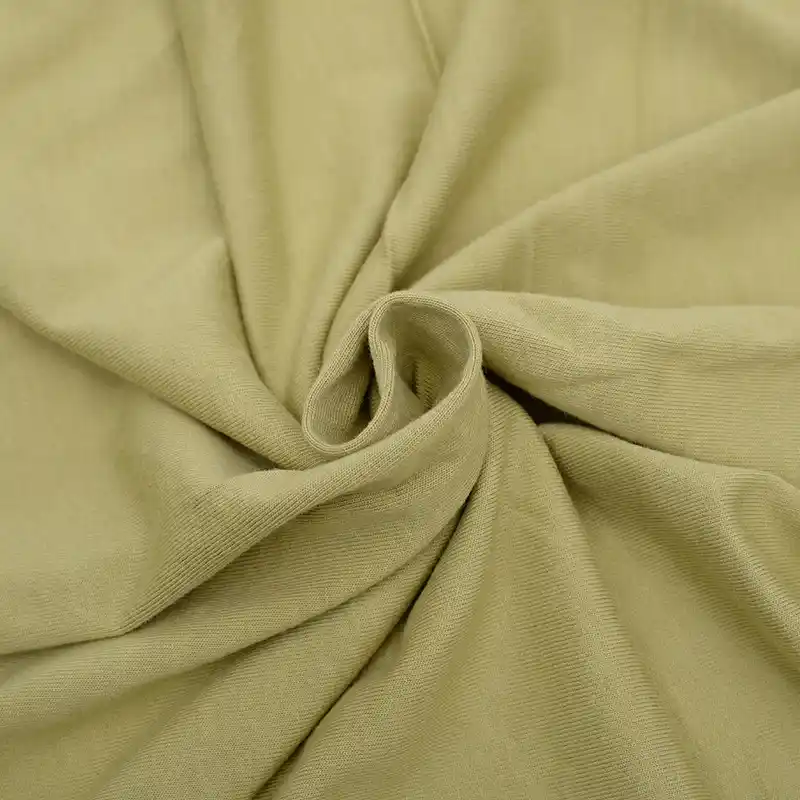
Modal is a type of regenerated cellulose fiber made primarily from beechwood pulp. It belongs to the rayon family and is commonly used in apparel because of its soft texture, smooth surface, and excellent draping properties.
Compared with conventional viscose rayon, modal is generally designed to offer better strength and dimensional stability, particularly when wet. However, actual performance depends on the fiber quality, fabric construction, and manufacturing process.
Modal fabric is often blended with other fibers, such as cotton, polyester, or elastane, to achieve specific performance characteristics.
For private label clothing brands, modal offers an interesting combination of comfort, appearance, and versatility, making it suitable for different types of everyday apparel.
2. Key Advantages of Modal Fabric for Clothing Brands
Exceptional Softness and Comfort
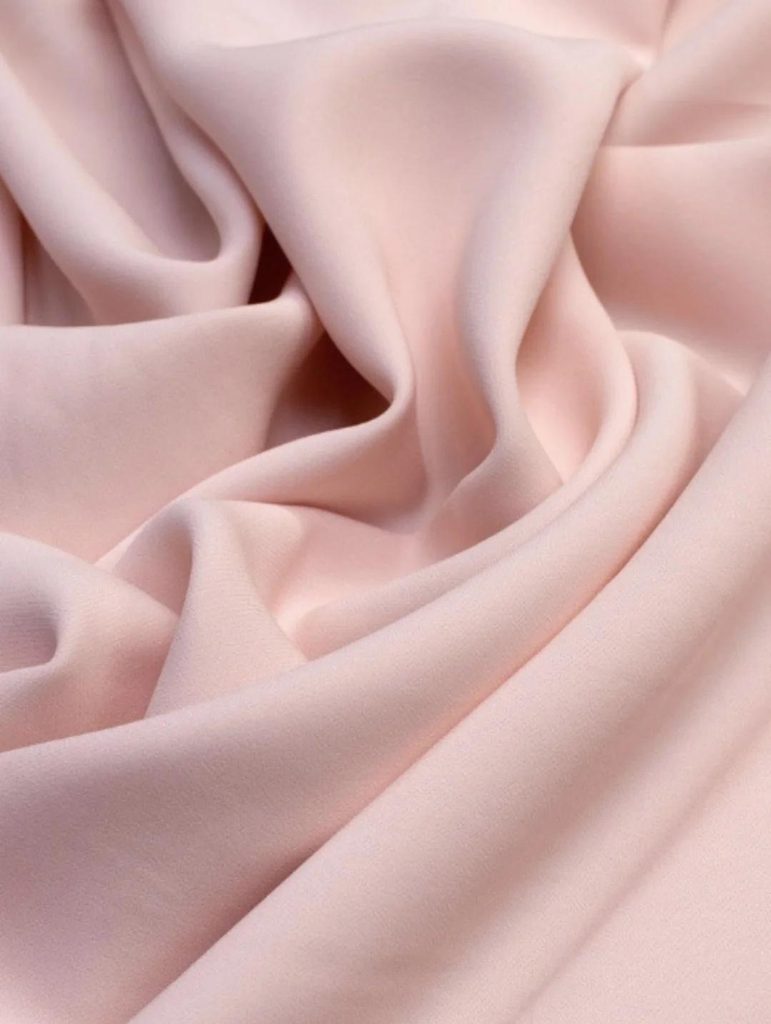
One of the biggest reasons brands choose modal fabric is its exceptionally soft hand feel.
Modal fibers create a smooth fabric surface that feels gentle against the skin. This makes modal clothing particularly attractive for products designed for all-day comfort.
For brands targeting customers who value comfortable everyday clothing, this softness can become an important selling point.
Modal is frequently used in underwear, pajamas, T-shirts, loungewear, and lightweight tops.
Excellent Breathability and Moisture Management
Comfortable clothing needs to perform well in different environments.
Modal fabric has good moisture absorption properties, allowing it to absorb moisture and help maintain a comfortable feeling against the skin.
This makes it suitable for lightweight apparel, sleepwear, and casual clothing.
When blended with other fibers, modal can also provide a balance of softness, flexibility, and everyday practicality.
Beautiful Draping and Appearance
Another advantage of modal is its natural drape.
Unlike some heavier fabrics that maintain a more structured shape, modal often falls smoothly around the body, creating a relaxed and elegant appearance.
This characteristic makes it especially suitable for women’s tops, dresses, skirts, and fashionable loungewear.
For private label brands, attractive draping can help create garments with a more refined appearance without requiring complicated garment construction.
Good Color Absorption
Modal fabric is generally known for its ability to produce rich and attractive colors.
Depending on the dyeing process and fabric construction, it can achieve a smooth, consistent appearance with good color depth.
This gives clothing brands greater flexibility when developing seasonal color collections or coordinating multiple products within the same range.
3. Potential Disadvantages of Modal Fabric
Although modal has many advantages, it is not the perfect material for every clothing product.
Before selecting modal for a private label collection, brands should understand its limitations.
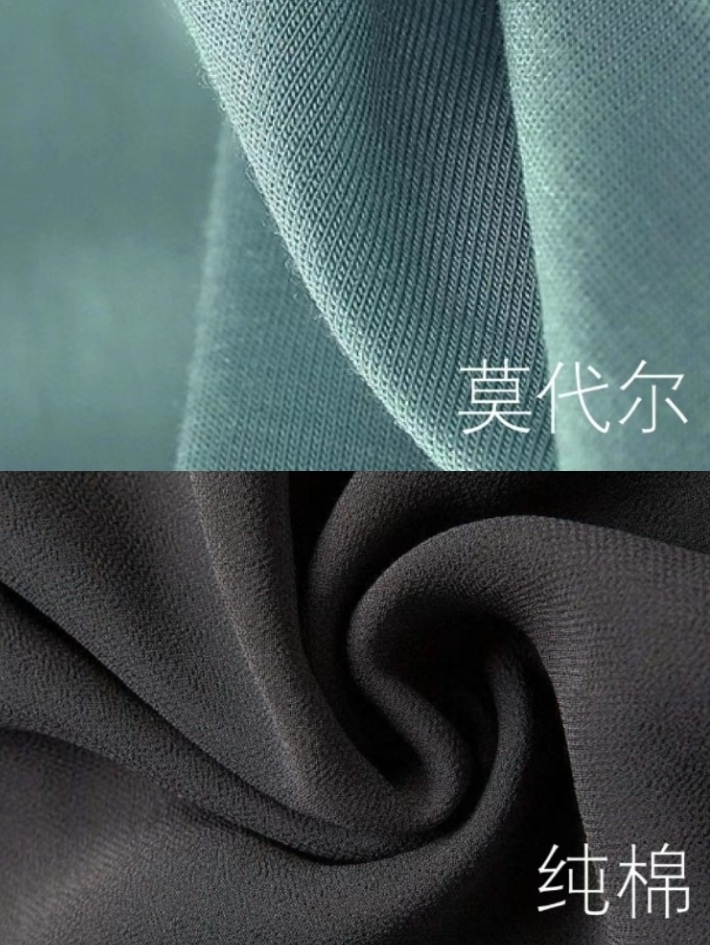
Potential pilling: Some modal fabrics may develop pilling after repeated friction, depending on fiber quality, yarn construction, and fabric finishing.
Wrinkle and shape considerations: Although modal often has good dimensional stability, certain lightweight constructions may still wrinkle or lose their original shape if not properly manufactured and cared for.
Higher material costs: Modal can be more expensive than some conventional cotton or polyester options, depending on the supplier, fiber grade, and fabric specifications.
Care requirements: Some modal garments require gentle washing and appropriate drying methods to maintain their softness and appearance over time.
Working with an experienced clothing manufacturer can help brands select suitable modal fabric qualities and avoid unnecessary performance issues.
4. What Types of Private Label Clothing Are Suitable for Modal?
Modal is a versatile textile that can be used across several apparel categories.
Here are some popular applications:
T-shirts and Casual Tops
Modal T-shirts are valued for their smooth texture, lightweight feel, and comfortable drape. They are a good option for brands developing premium everyday basics.
Loungewear and Sleepwear
Because of its softness and moisture absorption properties, modal is widely used in pajamas, lounge pants, sleep shirts, and comfortable homewear collections.
Underwear and Intimate Apparel
Modal’s smooth surface and gentle feel make it suitable for underwear, briefs, camisoles, and other next-to-skin garments. Blending modal with elastane can provide additional stretch and flexibility.
Women’s Dresses and Fashion Tops
The fluid drape of modal works well for relaxed dresses, lightweight skirts, and fashionable tops that require a soft, flowing appearance.
Active-Inspired Casualwear
Modal blends can be considered for comfortable casualwear and lightweight leisure apparel. However, brands developing high-performance sportswear should evaluate stretch recovery, drying speed, durability, and moisture management before choosing a specific fabric.
5. Modal vs. Cotton vs. Polyester: Which Is Better?
Choosing between modal, cotton, and polyester depends on the intended garment, target customers, and product positioning.
| Fabric | Main Advantages | Common Applications |
|---|---|---|
| Modal | Soft, smooth, breathable, excellent drape | Loungewear, underwear, premium T-shirts |
| Cotton | Natural feel, breathable, versatile | T-shirts, sweatshirts, casualwear |
| Polyester | Durable, quick-drying, easy-care | Sportswear, uniforms, outerwear |
Modal is an attractive choice when softness and draping are priorities. Cotton remains a popular option for classic everyday clothing, while polyester is often preferred when durability, easy maintenance, and quick drying are important.
Some brands also choose blended fabrics to combine the advantages of different fibers.
For example, cotton-modal blends can provide a balance of familiar cotton comfort and modal softness, while modal-elastane blends offer additional stretch.
6. What Should Brands Consider When Sourcing Modal Fabric?
Selecting modal fabric involves more than simply choosing a fiber name.
Private label clothing brands should evaluate several important specifications before placing a bulk manufacturing order.
- Fabric composition: Confirm the exact percentage of modal and other blended fibers.
- Fabric weight (GSM): Select an appropriate weight based on the garment category and desired thickness.
- Fabric construction: Compare single jersey, rib, interlock, and other knit structures.
- Colorfastness: Check whether the fabric maintains its color after washing and rubbing.
- Pilling resistance: Evaluate how well the fabric performs under repeated friction.
- Shrinkage: Confirm dimensional stability after washing.
- Hand feel: Request fabric swatches or samples to assess softness and drape.
It is also important to request relevant material certifications and supporting documentation when making sustainability or fiber-origin claims.
Proper fabric evaluation before bulk production helps reduce quality risks and ensures that the finished garments meet brand expectations.
7. Is Modal a Sustainable Fabric Choice?
Sustainability is becoming increasingly important in the global apparel industry, and modal is often associated with more responsible textile production.
Because modal is made from renewable wood-based cellulose, it can offer advantages over some conventional synthetic fibers.
However, its environmental impact depends on several factors, including forestry management, chemical processing, energy consumption, water usage, and wastewater treatment.
Not all modal fabrics have the same environmental profile.
Brands interested in sustainable private label clothing should look for credible sourcing information and relevant certifications, such as FSC or PEFC for responsible forest sourcing, and applicable textile certifications where available.
It is important to evaluate the complete production process rather than assuming that every modal product is automatically sustainable.
Conclusion
So, is modal fabric a good choice for private label clothing brands? In many cases, yes.
Its exceptional softness, moisture absorption, attractive drape, and versatility make it an excellent option for premium T-shirts, loungewear, sleepwear, underwear, and other comfortable everyday garments.
However, brands should carefully evaluate fabric quality, durability, shrinkage, pilling resistance, and production costs before making a final decision.
At Monsoon Apparel, choosing suitable materials is an important part of developing custom clothing collections. Whether you are creating premium basics, comfortable loungewear, or a new private label apparel line, selecting the right fabric helps establish product quality and strengthen your brand identity.
The best fabric is not necessarily the most expensive one. It is the material that matches your product requirements, target customers, and long-term brand positioning.