Launching a successful vest collection involves much more than creating an attractive design. Behind every high-quality garment is a well-organized manufacturing process that transforms an idea into a finished product ready for the market. Whether you are starting a new clothing brand, expanding your existing product line, or sourcing garments for wholesale distribution, working with an experienced custom vest manufacturer can make the entire journey more efficient and predictable.
Many apparel brands are unfamiliar with the complete manufacturing workflow, which can lead to unrealistic expectations, communication gaps, or costly production mistakes. Understanding what happens at each stage allows you to collaborate more effectively with your manufacturing partner and ensure the final product meets your quality standards.
This guide walks through every step of the custom vest manufacturing process—from the initial concept to global delivery—and explains how choosing the right manufacturing partner can contribute to your brand’s long-term success.
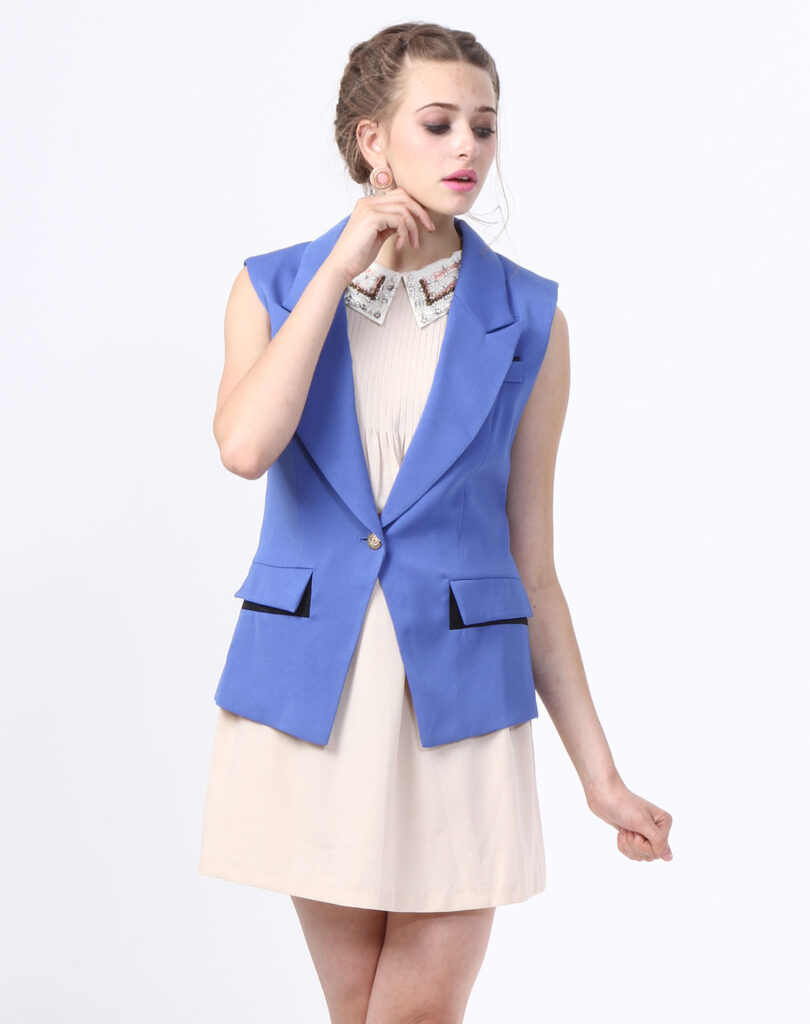
Step 1: Defining Your Product Vision
Every successful product starts with a clear idea.
Before contacting a manufacturer, take time to define your project by answering a few important questions:
- Who is your target customer?
- What purpose will the vest serve?
- Which season is it designed for?
- What price range are you targeting?
- What makes your vest different from competing products?
For example, an insulated outdoor vest requires very different materials and construction techniques than a lightweight corporate uniform vest.
The more detailed your product concept, the easier it will be for the manufacturer to understand your expectations and recommend suitable production solutions.

Step 2: Preparing Design Files
Professional manufacturers work more efficiently when they receive complete product information.
Useful documents include:
- Technical packs (Tech Packs)
- Design sketches
- Reference photos
- Size specifications
- Fabric preferences
- Color references
- Logo artwork
- Label designs
- Packaging requirements
If you don’t yet have a professional tech pack, many experienced manufacturers can assist with product development and pattern creation.
Providing accurate information at this stage reduces misunderstandings during production.
Step 3: Material Selection
Fabric selection is one of the most important decisions in vest manufacturing.
Different materials provide different performance characteristics.
Popular fabric choices include:
Polyester
Durable, lightweight, and affordable, making it ideal for sportswear, uniforms, and promotional apparel.
Nylon
Excellent abrasion resistance and weather protection make nylon a common choice for outdoor products.
Cotton Canvas
Provides a rugged appearance and long-lasting durability for workwear and casual fashion.
Softshell Fabric
Offers flexibility, wind resistance, and breathability.
Fleece
Suitable for lightweight insulation and comfortable everyday wear.
Recycled Fabrics
Many brands now choose recycled polyester and other environmentally responsible materials to support sustainable product collections.
A knowledgeable manufacturer can explain the advantages and limitations of each material based on your product goals.
Step 4: Pattern Making and Sample Development
Before bulk production begins, manufacturers create patterns and develop samples.
This is one of the most valuable stages in the manufacturing process because it allows brands to evaluate the product before investing in large production runs.
Sample evaluation usually focuses on:
- Overall appearance
- Fit
- Measurements
- Comfort
- Fabric performance
- Pocket placement
- Stitch quality
- Branding details
- Hardware selection
Sometimes several sample revisions are required before every detail meets expectations.
Although this stage requires patience, it significantly reduces production risks later.
Step 5: Confirming Production Details
Once the sample is approved, both parties confirm all manufacturing specifications.
These typically include:
- Final measurements
- Fabric composition
- Color approval
- Trim selection
- Labels
- Packaging
- Production quantity
- Delivery schedule
Making changes after production has started can increase costs and delay delivery, so careful confirmation is essential.
Step 6: Bulk Production Begins
After receiving approval, the manufacturer begins large-scale production.
The process usually includes:
Fabric Inspection
Raw materials are checked for defects, color consistency, and quality before cutting.
Fabric Cutting
Computerized or manual cutting ensures that garment components match approved patterns.
Sewing
Skilled operators assemble the garment according to standardized production procedures.
Different vest styles may require specialized techniques such as:
- Quilting
- Reinforced seams
- Waterproof seam construction
- Reflective tape attachment
- Multi-pocket assembly
Each operation contributes to the durability and appearance of the finished product.
Step 7: Quality Control Throughout Manufacturing
Reliable manufacturers inspect products continuously instead of waiting until production is complete.
Typical inspections include:
In-Process Inspection
Production supervisors monitor sewing quality, measurements, and workmanship during manufacturing.
Final Inspection
Completed garments are checked for:
- Correct sizing
- Stitch consistency
- Fabric defects
- Logo placement
- Clean finishing
- Packaging accuracy
Many manufacturers also perform random inspections based on international quality standards before shipment.
This systematic approach helps ensure every shipment meets customer expectations.
Step 8: Private Label Branding
One of the biggest advantages of custom manufacturing is the ability to create products that represent your own brand.
Private label options may include:
- Woven labels
- Printed neck labels
- Care labels
- Hang tags
- Embroidery
- Heat transfer logos
- Screen printing
- Silicone patches
- Rubber badges
- Custom zipper pullers
- Branded poly bags
- Custom cartons
These finishing details strengthen brand recognition and create a more professional presentation.
Step 9: Packaging and International Shipping
Once production is complete, garments are prepared for shipment.
Packaging options often include:
- Individual poly bags
- Folded presentation packaging
- Barcode stickers
- Retail-ready packaging
- Custom shipping cartons
Depending on your business model, products may be shipped by:
- Sea freight
- Air freight
- Railway transport (for selected regions)
- International courier services
Choosing the appropriate shipping method depends on delivery deadlines, budget, and order volume.
An experienced manufacturer can help coordinate logistics and prepare export documentation, making international trade much smoother.
Common Challenges During Manufacturing
Even well-planned projects may encounter unexpected issues.
Some common challenges include:
Material Availability
Certain fabrics or trims may become temporarily unavailable, requiring suitable alternatives.
Color Differences
Fabric dye lots can vary slightly, making color approval an important step.
Seasonal Production Peaks
Production schedules often become busier before major retail seasons, so early planning is recommended.
Design Revisions
Late design changes can affect costs and lead times.
Maintaining open communication with your manufacturer helps resolve these situations efficiently.
How to Build a Long-Term Manufacturing Partnership
Many successful apparel brands work with the same manufacturer for years rather than changing suppliers frequently.
Long-term partnerships offer several advantages:
- More efficient communication
- Faster product development
- Better understanding of brand requirements
- More consistent product quality
- Easier production planning
- Improved supply chain stability
Treating your manufacturer as a strategic business partner instead of simply a supplier often leads to better results for both sides.
Why Brands Trust Monsoon Apparel
Selecting the right manufacturing partner is about more than production capacity—it is about finding a team that understands your business goals and is committed to delivering consistent results. Monsoon Apparel provides comprehensive custom apparel manufacturing services for brands around the world, supporting projects from initial concept through final delivery.
Our services include product development, pattern making, fabric sourcing, sample production, OEM manufacturing, private label solutions, quality inspection, custom packaging, and international shipping. Whether you are creating fashion vests, outdoor apparel, workwear, or corporate uniforms, our experienced production team works closely with clients to ensure every garment meets agreed specifications.
With flexible minimum order quantities, transparent communication, and a focus on long-term partnerships, Monsoon Apparel helps businesses of all sizes bring high-quality vest collections to market efficiently and confidently.
Final Thoughts
Working with a custom vest manufacturer is a collaborative process that extends far beyond garment production. From refining your initial concept and selecting premium materials to sampling, quality control, branding, and global logistics, every stage contributes to the success of your finished product.
Understanding the complete manufacturing journey enables brands to make informed decisions, avoid common production challenges, and build stronger relationships with their manufacturing partners. As your business grows, partnering with an experienced manufacturer that offers technical expertise, flexible production capabilities, and dependable service will help ensure your vest collections continue to meet customer expectations and support the long-term growth of your brand.
Get a Quote Now