Finding the right vest manufacturer is one of the most important decisions for any apparel business. Whether you’re launching a startup clothing brand, sourcing products for an established retailer, or expanding your wholesale catalog, the manufacturer you choose will directly influence product quality, customer satisfaction, production efficiency, and your brand’s long-term reputation.
With thousands of garment factories available worldwide, selecting the right partner can seem overwhelming. While pricing is certainly an important consideration, focusing only on cost can lead to inconsistent quality, missed delivery deadlines, and expensive production problems.
A reliable vest manufacturer should be viewed as a long-term business partner rather than simply a supplier. This article outlines ten essential factors every buyer should evaluate before making a manufacturing decision.
1. Manufacturing Experience and Industry Expertise
Experience matters in apparel manufacturing.
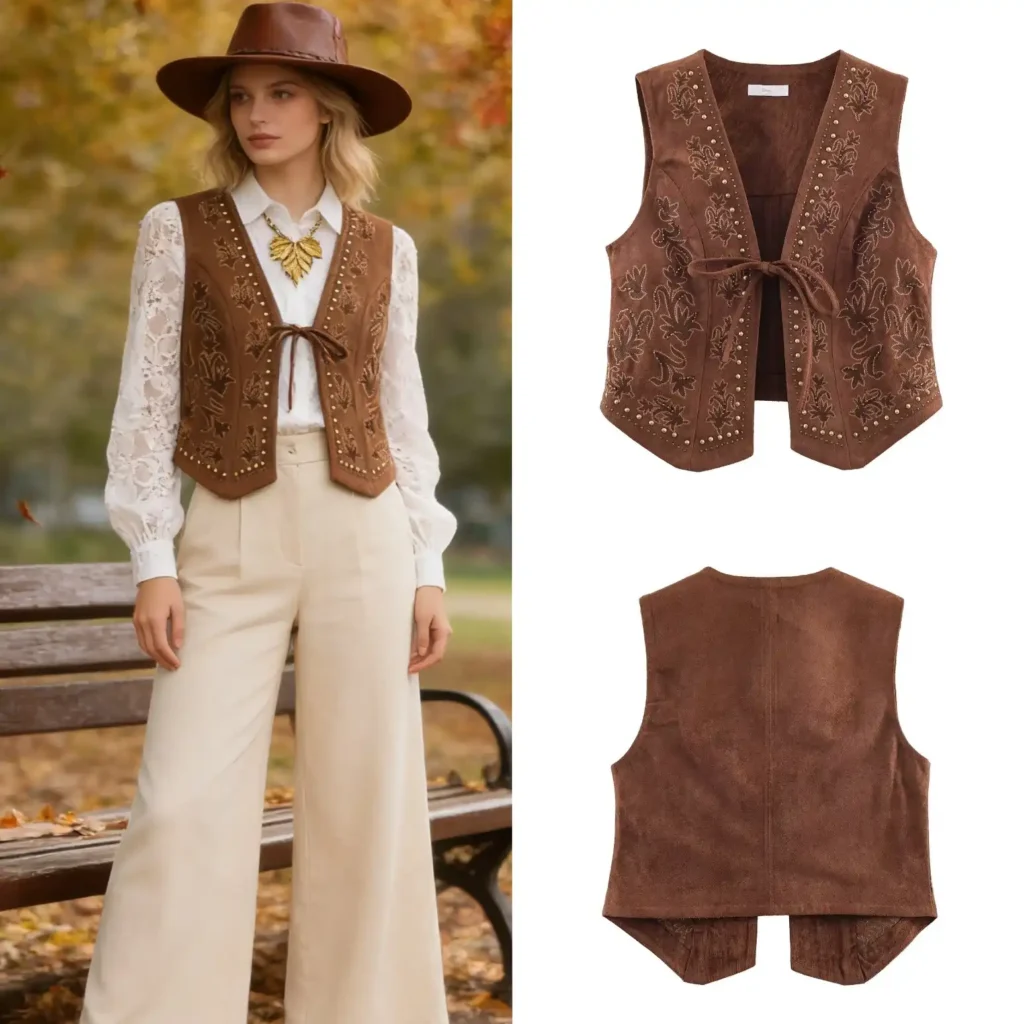
A factory that has produced various types of garments may not necessarily have extensive expertise in vest production. Different vest styles require different construction techniques, specialized equipment, and quality standards.
For example:
- Quilted vests require precise stitching alignment.
- Puffer vests need even insulation distribution.
- Softshell vests require laminated fabric handling.
- Utility vests involve reinforced seams and complex pocket construction.
- High-visibility safety vests must meet reflective performance requirements.
Manufacturers with years of experience in producing these products are better equipped to identify potential issues before they become costly problems.
When evaluating a manufacturer, ask about their experience with projects similar to yours and request examples of previous work.
2. Product Development Capabilities
A strong manufacturer does more than assemble garments.
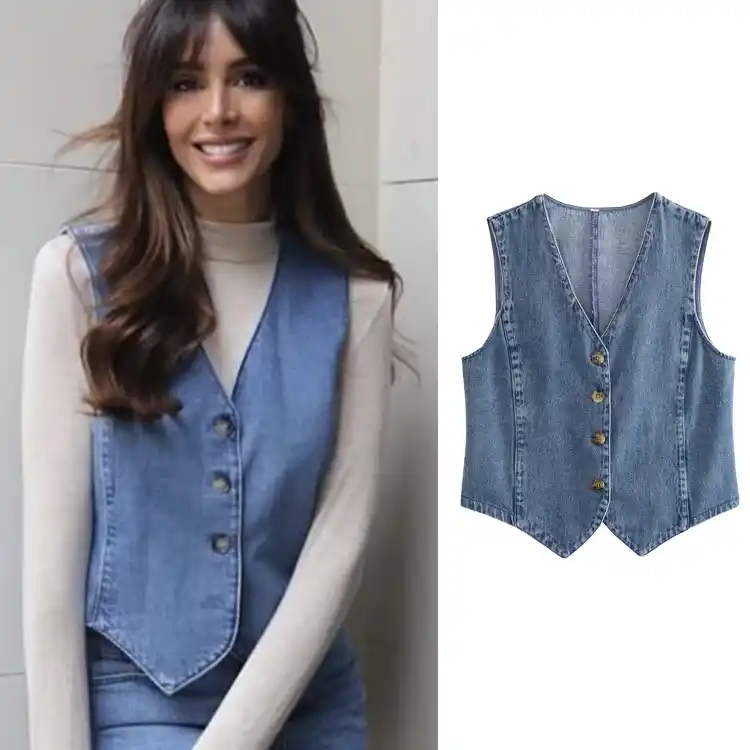
Professional product development services often include:
- Pattern making
- Technical consultation
- Size grading
- Material recommendations
- Construction optimization
- Prototype development
If your design is still evolving, these services can significantly improve the final product while reducing development time.
Manufacturers that actively participate in product development often become valuable partners throughout your brand’s growth.
3. Fabric Sourcing Network
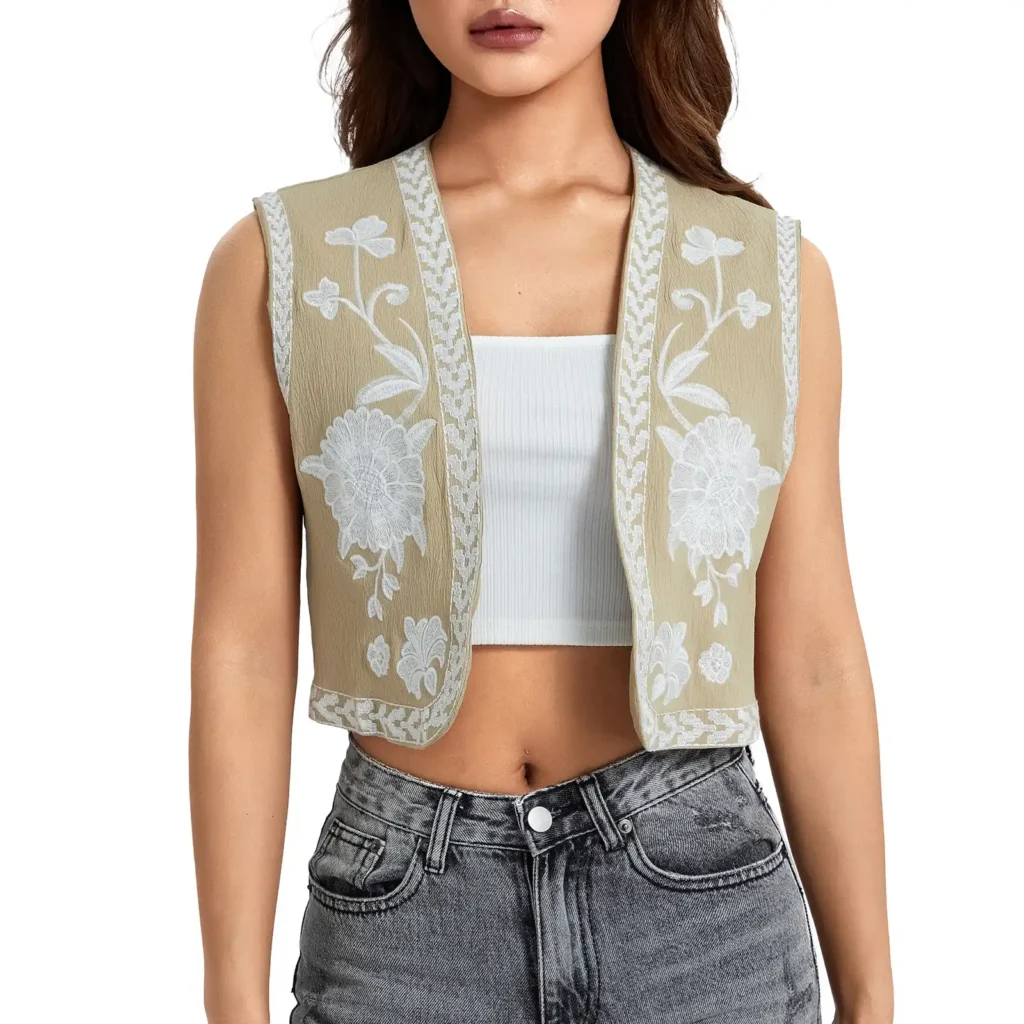
Fabric quality has a major impact on the appearance, durability, comfort, and performance of every vest.
Reliable manufacturers usually maintain long-term relationships with trusted fabric suppliers.
Common materials include:
- Polyester
- Nylon
- Cotton canvas
- Ripstop
- Softshell fabric
- Polar fleece
- Waterproof laminated fabrics
- Recycled polyester
An experienced manufacturer can recommend materials that align with your target market instead of simply offering the lowest-cost option.
Strong sourcing capabilities also reduce delays caused by material shortages.
4. Sampling Process
Never skip sample development.
A professional sampling process allows you to verify every aspect of the product before committing to mass production.
During sample evaluation, review:
- Fit and sizing
- Fabric performance
- Stitch quality
- Color consistency
- Hardware selection
- Logo placement
- Pocket functionality
- Overall appearance
Multiple sample revisions are common, especially for new product designs.
Investing time in sampling helps prevent expensive corrections later.
5. Quality Control System
One of the clearest signs of a reliable vest manufacturer is a structured quality control system.
Quality inspections should occur throughout production—not only after garments are completed.
A comprehensive quality management process typically includes:
Incoming Material Inspection
Checking fabrics, accessories, and trims before production begins.
Cutting Inspection
Verifying pattern accuracy and minimizing fabric waste.
In-Line Sewing Inspection
Monitoring stitching quality, seam strength, and workmanship during production.
Finishing Inspection
Ensuring garments are clean, properly pressed, and free from defects.
Final Inspection
Checking measurements, branding, packaging, and overall garment quality before shipment.
Consistent inspections help maintain high production standards and reduce customer complaints.
6. Production Capacity and Flexibility
Your manufacturing needs may change as your business grows.
Some factories specialize in small custom orders, while others focus on high-volume production.
The ideal manufacturer should be capable of supporting:
- Product sampling
- Small trial orders
- Seasonal production
- Large wholesale orders
- Long-term production programs
Scalable production capacity allows your business to expand without changing suppliers.
This continuity improves efficiency and maintains consistent quality across future collections.
7. Communication and Project Management
Clear communication is often underestimated in international manufacturing.
Reliable manufacturers provide regular updates regarding:
- Material sourcing
- Sample progress
- Production schedules
- Quality inspections
- Packaging
- Shipping arrangements
Dedicated account managers can simplify communication and ensure that important project details are handled promptly.
Quick responses and transparent communication often indicate a well-organized manufacturing operation.
8. Private Label and Customization Services
Many clothing brands rely on private label manufacturing to establish a unique market identity.
A professional vest manufacturer should offer various customization options, including:
- Woven labels
- Printed neck labels
- Care labels
- Hang tags
- Embroidery
- Screen printing
- Heat transfer logos
- Silicone patches
- Rubber badges
- Custom zipper pullers
- Branded packaging
These details create a professional presentation while strengthening customer recognition of your brand.
9. Sustainability and Responsible Manufacturing
Consumers increasingly value environmentally responsible apparel.
Manufacturers that invest in sustainable practices can help brands meet these changing expectations.
Examples include:
- Recycled polyester
- Organic cotton
- Eco-friendly packaging
- Efficient fabric utilization
- Waste reduction initiatives
- Responsible sourcing practices
Choosing sustainable production methods not only supports environmental goals but can also strengthen your brand’s reputation in competitive markets.
10. Long-Term Partnership Potential
Perhaps the most overlooked factor when selecting a vest manufacturer is long-term compatibility.
Changing factories frequently can create numerous challenges, including:
- Inconsistent sizing
- Different quality standards
- Production delays
- Communication issues
- Increased development costs
A manufacturer that understands your products, customers, and quality expectations becomes increasingly valuable over time.
Rather than evaluating manufacturers solely based on the first order, consider whether they can support your business for years to come.
Questions You Should Ask Before Choosing a Vest Manufacturer
Before making a final decision, prepare a list of questions to better understand each factory’s capabilities.
Examples include:
- How many years have you specialized in apparel manufacturing?
- Have you produced similar vest styles before?
- What are your minimum order quantities?
- Can you assist with product development?
- Do you provide OEM and private label services?
- How do you manage quality control?
- Can you source sustainable fabrics?
- What is your average production lead time?
- Which countries do you regularly export to?
- What support do you provide after production is completed?
The answers will help you compare manufacturers based on value rather than price alone.
Why Monsoon Apparel Is a Trusted Manufacturing Partner
Selecting a manufacturing partner is about building a relationship that supports your brand as it grows. At Monsoon Apparel, we understand that every client has unique requirements, whether they are launching a new clothing label, expanding an outdoor apparel collection, or sourcing uniforms for commercial use.
Our team provides comprehensive apparel manufacturing services, including product development, fabric sourcing, pattern making, sample production, OEM manufacturing, private label solutions, quality inspection, custom packaging, and international shipping. By combining experienced craftsmanship with modern production management, we help clients achieve consistent quality across every production run.
We also recognize that flexibility is important for growing businesses. That’s why we support both smaller development orders and larger-scale production, allowing brands to scale confidently without changing manufacturing partners. Throughout every project, our goal is to maintain clear communication, dependable lead times, and high manufacturing standards that contribute to our clients’ long-term success.
Whether your focus is fashion, workwear, outdoor apparel, or corporate uniforms, Monsoon Apparel is committed to delivering custom vest manufacturing solutions that align with your business objectives.
Final Thoughts
Choosing the right vest manufacturer involves much more than comparing quotations. Manufacturing expertise, product development capabilities, material sourcing, quality control, communication, production flexibility, and long-term reliability all contribute to the success of your apparel business.
By carefully evaluating these ten factors, you can reduce production risks, improve product consistency, and establish a stronger foundation for sustainable growth. The best manufacturing partnerships are built on trust, collaboration, and a shared commitment to quality. When you invest time in selecting the right partner, you are also investing in the future of your brand, your customers, and your reputation in an increasingly competitive global apparel market.
Get a Quote Now