Outdoor jackets have become an essential product category for brands serving hikers, campers, climbers, travelers, skiers, cyclists, and everyday consumers. While style remains important, today’s buyers expect much more than an attractive appearance. They want jackets that can withstand changing weather conditions, provide lasting comfort, and perform reliably during outdoor activities.
Behind every high-quality outdoor jacket is a manufacturing process that combines technical fabrics, advanced construction methods, and strict quality standards. For brands working with outdoor jacket manufacturers, understanding these materials and technologies is essential for creating products that meet customer expectations and stand out in a competitive market.
This guide explores the most commonly used fabrics, waterproof technologies, insulation options, and functional features found in modern outdoor jackets, helping brands make more informed manufacturing decisions.
Why Fabric Selection Matters
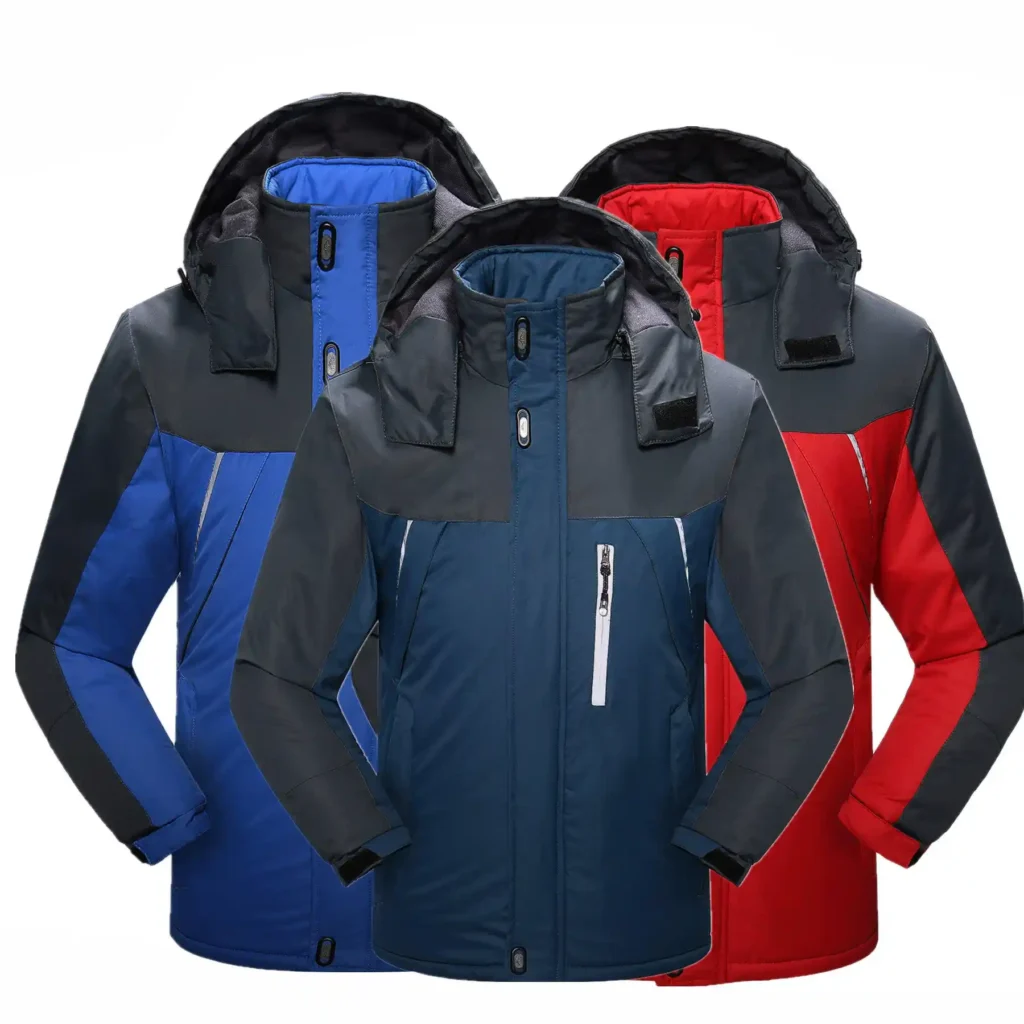
The fabric is the foundation of every outdoor jacket. It determines how the garment performs in rain, wind, cold temperatures, and physically demanding conditions.
Choosing the right fabric affects:
- Weather protection
- Breathability
- Durability
- Weight
- Comfort
- Flexibility
- Appearance
- Production cost
Experienced outdoor jacket manufacturers evaluate these factors carefully before recommending materials for a specific product.
Softshell Fabrics
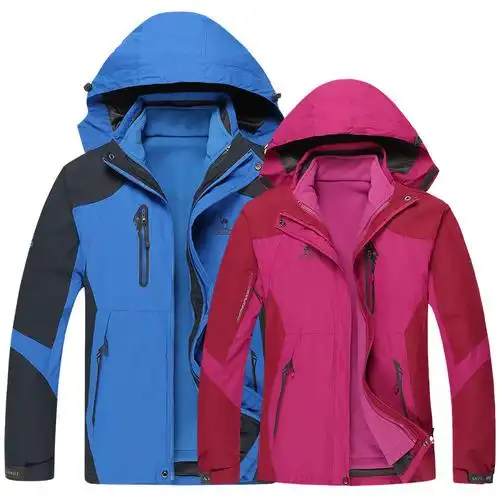
Softshell jackets are popular because they offer an excellent balance between comfort and performance.
Typical characteristics include:
- Lightweight construction
- Wind resistance
- Moderate water resistance
- Excellent flexibility
- High breathability
- Comfortable interior
Softshell jackets are commonly used for hiking, cycling, climbing, travel, and everyday outdoor activities where maximum waterproof protection is not always required.
Their stretch properties also make them ideal for active movement.
Hardshell Fabrics
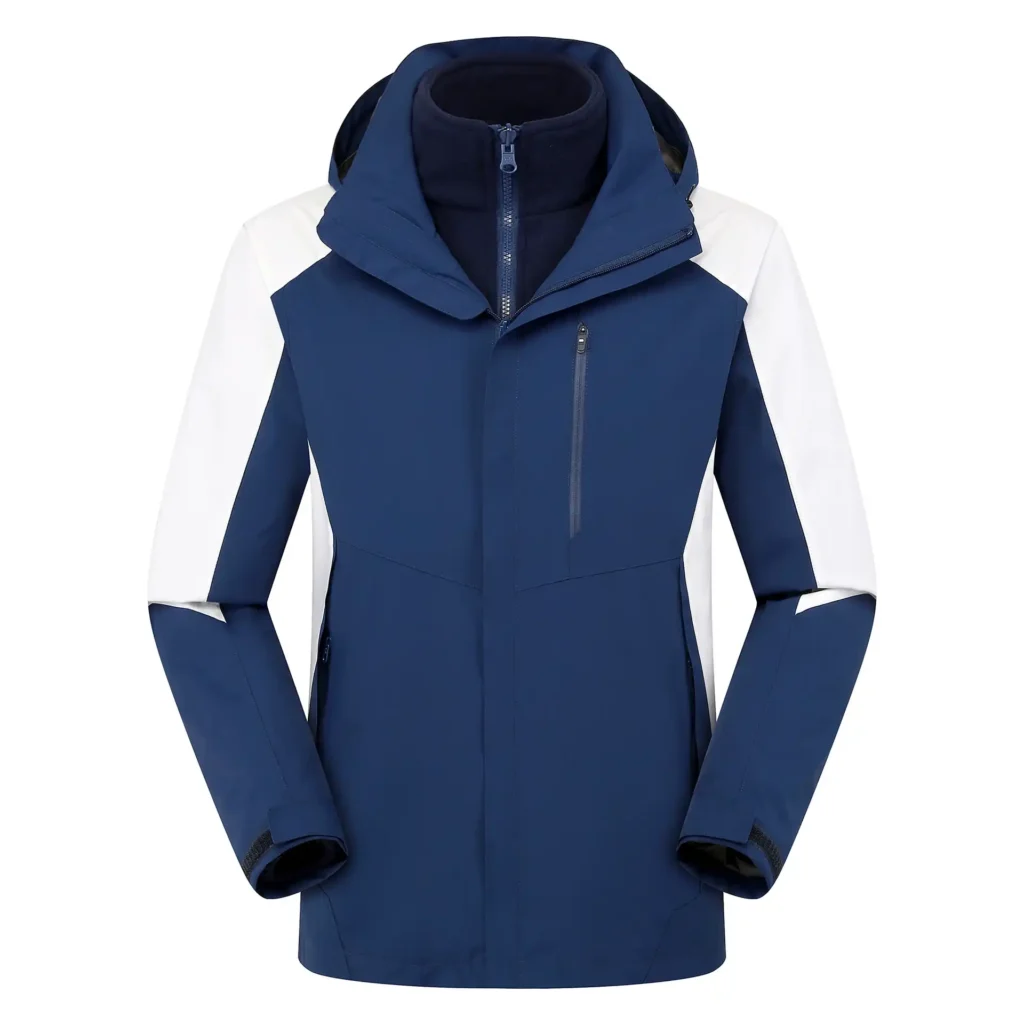
Hardshell jackets prioritize weather protection.
These garments are designed for environments where heavy rain, snow, and strong winds are common.
Advantages include:
- Excellent waterproof performance
- Superior wind protection
- Durable outer surface
- High abrasion resistance
- Long service life
Many hiking, skiing, and mountaineering jackets use hardshell construction because it performs well under challenging weather conditions.
Waterproof Fabrics
Waterproof performance depends on both the fabric itself and the overall garment construction.
Professional outdoor jacket manufacturers often work with laminated fabrics consisting of multiple layers.
A typical waterproof fabric system includes:
- Durable outer shell
- Waterproof membrane
- Protective inner layer
This layered construction prevents rain from entering while allowing body moisture to escape.
Breathability Is Just as Important
Keeping water out is only part of the equation.
During physical activity, the body generates heat and moisture. If this moisture cannot escape, the wearer may feel uncomfortable even when the jacket remains waterproof.
Breathable fabrics help transport water vapor away from the body, improving overall comfort during activities such as:
- Hiking
- Running
- Trekking
- Cycling
- Backpacking
Balancing waterproof protection with breathability is one of the most important considerations in outdoor jacket development.
Durable Water Repellent (DWR) Finishes
Many outdoor jackets feature a Durable Water Repellent (DWR) treatment applied to the outer fabric.
Rather than allowing rain to soak into the surface, DWR causes water droplets to bead up and roll off the fabric.
Benefits include:
- Faster drying
- Reduced fabric saturation
- Improved comfort
- Better overall weather resistance
Although DWR enhances water resistance, it works best when combined with waterproof fabrics and proper garment construction.
Seam Sealing Technology
Even the highest-quality waterproof fabric can leak if stitched seams are left unprotected.
Every needle creates tiny holes that allow water to penetrate.
To solve this problem, many outdoor jacket manufacturers apply waterproof seam tape over stitched seams using specialized heat-sealing equipment.
Proper seam sealing significantly improves waterproof performance and is an essential feature for rain jackets, ski jackets, and technical mountaineering apparel.
Insulation Options
Outdoor jackets designed for cold weather rely on insulation to retain body heat.
Manufacturers typically work with two primary categories of insulation.
Synthetic Insulation
Advantages include:
- Maintains warmth when damp
- Easy to care for
- Lightweight
- Quick drying
- Consistent performance
Synthetic insulation is widely used in winter jackets designed for wet or variable weather conditions.
Down Insulation
Down insulation provides exceptional warmth while remaining extremely lightweight.
Its advantages include:
- Excellent warmth-to-weight ratio
- High compressibility
- Superior comfort
Premium outdoor jackets often incorporate down insulation for cold, dry climates.
The choice between synthetic and down insulation depends on the intended use of the garment and the target market.
Functional Features That Improve User Experience
Modern outdoor jackets include a variety of practical features designed to improve comfort and performance.
Popular functional components include:
Adjustable Hoods
Provide better protection during changing weather conditions.
Waterproof Zippers
Reduce water penetration while maintaining smooth operation.
Ventilation Zippers
Allow excess heat to escape during physical activity.
Adjustable Cuffs
Help seal out cold air and rain.
Drawcord Hem Systems
Improve fit while preventing wind from entering the jacket.
Multi-Pocket Designs
Offer convenient storage for phones, maps, gloves, and outdoor accessories.
Manufacturers carefully integrate these features to enhance both functionality and appearance.
The Importance of Material Testing
Professional outdoor jacket manufacturers perform extensive testing before approving materials for production.
Testing may include:
- Water resistance
- Fabric strength
- Abrasion resistance
- Color fastness
- Dimensional stability
- Seam strength
- Zipper durability
These evaluations help ensure that finished garments meet performance expectations and maintain quality throughout their service life.
How Experienced Manufacturers Help Brands Select Materials
Every outdoor apparel collection serves a different customer group.
Some brands prioritize lightweight travel apparel, while others focus on technical mountaineering products or everyday urban outerwear.
Experienced manufacturers assist customers by recommending materials that align with:
- Product positioning
- Performance requirements
- Target pricing
- Market trends
- Production efficiency
This collaborative approach often results in better-performing products while controlling manufacturing costs.
Why Brands Partner with Monsoon Apparel
At Monsoon Apparel, we understand that exceptional outdoor jackets begin with the right combination of materials, technology, and craftsmanship. Our team works closely with brands around the world to develop outerwear that delivers reliable performance in a wide range of environments.
We offer comprehensive manufacturing solutions, including technical fabric sourcing, product development, OEM and ODM production, custom private label services, sample creation, quality control, and bulk manufacturing. Whether your project involves waterproof rain jackets, softshell outerwear, insulated winter jackets, hiking apparel, or lightweight windbreakers, we are committed to producing garments that meet your specifications and exceed customer expectations.
Conclusion
Modern outdoor jackets represent the combination of innovative materials, functional design, and precision manufacturing. From waterproof fabrics and breathable membranes to advanced insulation and seam-sealing technology, every component contributes to the overall performance of the garment.
By working with experienced outdoor jacket manufacturers who understand these technologies, brands can develop products that offer durability, comfort, and protection while meeting the demands of today’s outdoor enthusiasts.
As the outdoor apparel industry continues to evolve, investing in quality materials and expert manufacturing remains one of the most effective ways to build a trusted brand and create products that customers rely on season after season.