Creating a high-quality outdoor jacket involves far more than cutting fabric and sewing garments together. Every successful jacket represents the combined effort of designers, pattern makers, material specialists, production technicians, quality inspectors, and logistics teams working together to transform an idea into a finished product.
For outdoor apparel brands, understanding the complete manufacturing journey provides valuable insight into how professional outdoor jacket manufacturers ensure consistent quality, reliable performance, and efficient production. Whether you are launching your first collection or expanding an established product line, knowing what happens behind the scenes can help you communicate more effectively with your manufacturing partner and achieve better results.
This guide walks through each stage of the outdoor jacket manufacturing process, from the initial design concept to final shipment.
Step 1: Understanding the Product Vision
Every project begins with a clear understanding of the product’s purpose.
Before production starts, manufacturers work with customers to gather information such as:
- Target market
- Intended outdoor activities
- Performance requirements
- Climate conditions
- Price positioning
- Brand identity
- Estimated order quantity
These details influence every decision made throughout the development process.
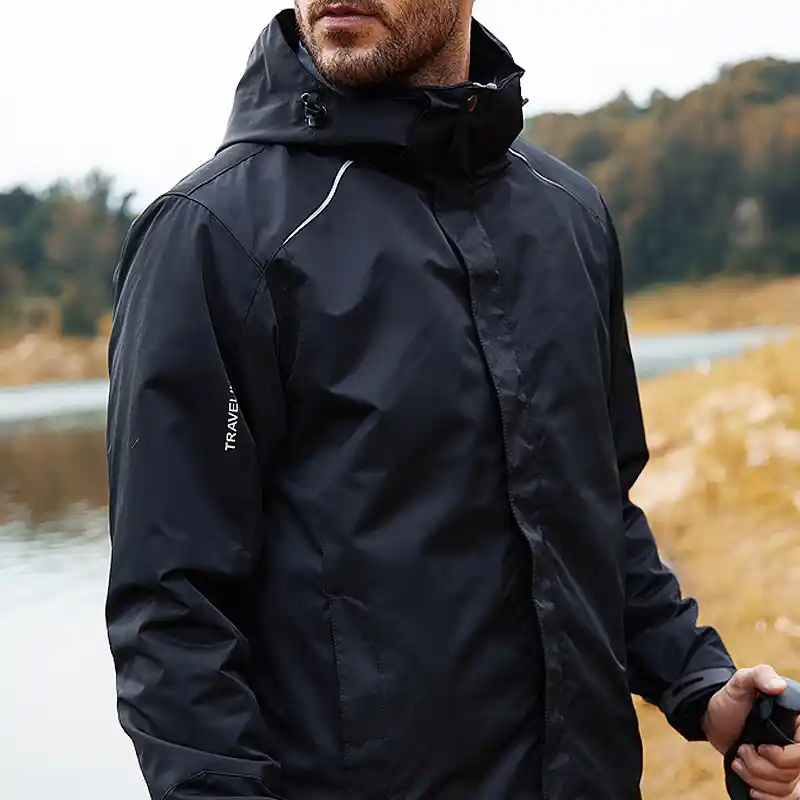
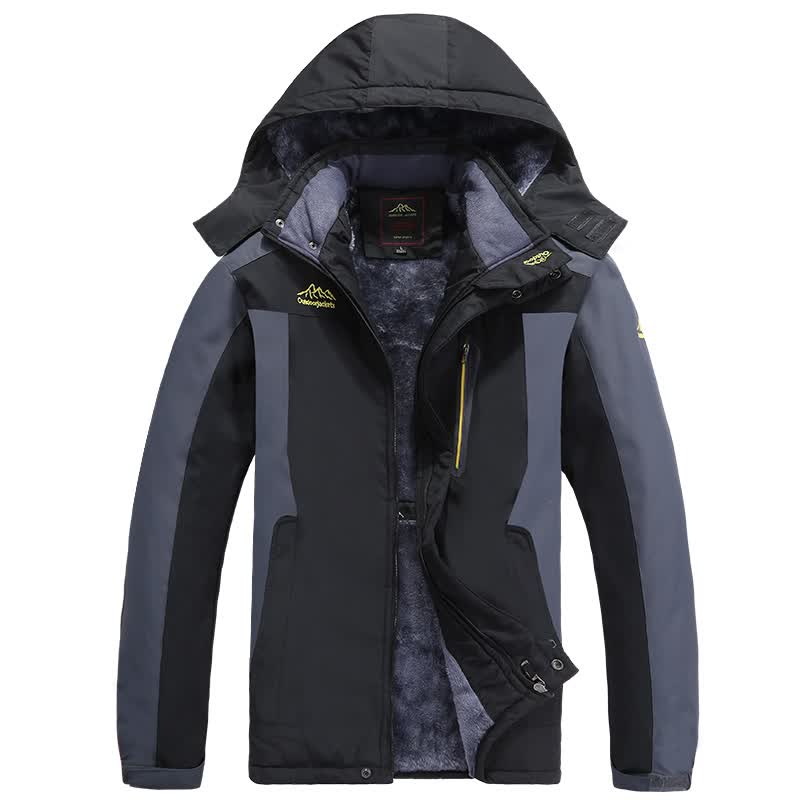
For example, a lightweight hiking jacket requires different materials and construction techniques than an insulated winter jacket designed for extreme cold.
Step 2: Design Evaluation and Technical Planning
Once the project requirements are defined, the design enters technical evaluation.
Manufacturers review:
- Technical drawings
- Reference samples
- Size specifications
- Construction details
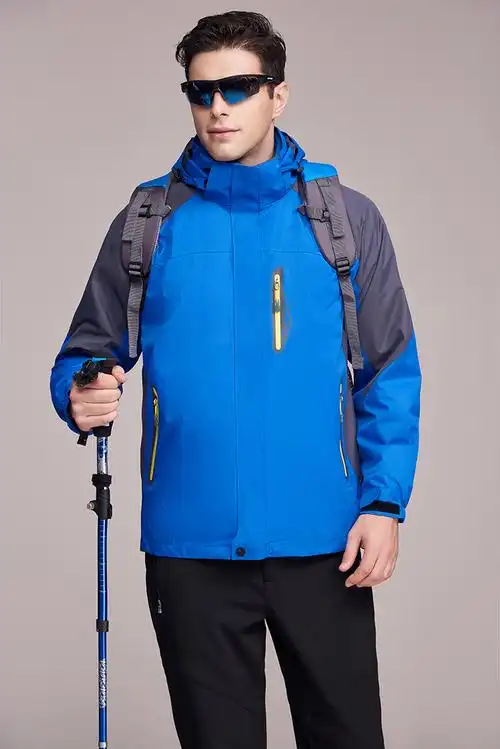
- Functional features
- Decoration methods
During this stage, experienced engineers often recommend improvements that simplify production without affecting the appearance or functionality of the jacket.
Close collaboration at this stage helps prevent manufacturing issues later.
Step 3: Pattern Development
Pattern making transforms a design concept into production-ready components.
Professional outdoor jacket manufacturers create precise digital patterns that account for:
- Body movement
- Layering requirements
- Sleeve articulation
- Hood fit
- Pocket positioning
- Fabric stretch characteristics
Accurate patterns improve garment comfort while ensuring consistency across all sizes.
Pattern development also minimizes material waste during production.
Step 4: Material and Trim Sourcing
Material selection is one of the most critical stages of outdoor jacket manufacturing.
Factories source materials based on the product’s intended performance and budget.
Common shell fabric options include:
- Waterproof laminated fabrics
- Softshell materials
- Wind-resistant woven fabrics
- Ripstop nylon
- Stretch performance fabrics
Manufacturers also source essential trims such as:
- Waterproof zippers
- Elastic cords
- Plastic buckles
- Hook-and-loop fasteners
- Reflective tapes
- Mesh linings
- Adjustable toggles
- Woven labels
Reliable sourcing ensures material consistency throughout production.
Step 5: Sample Development
Before mass production begins, manufacturers create prototype samples.
Sampling allows brands to evaluate:
- Overall fit
- Construction quality
- Color combinations
- Fabric performance
- Logo placement
- Functional features
- Customer experience
Several sample revisions are common, particularly for newly developed products.
Taking time to perfect the sample significantly reduces production risks.
Step 6: Material Inspection
Once materials arrive at the factory, they undergo detailed inspection before production begins.
Inspection typically includes:
- Fabric width
- Color consistency
- Surface defects
- Material weight
- Shrinkage performance
- Accessory quality
Identifying issues early helps avoid production delays and ensures only approved materials enter the manufacturing process.
Step 7: Fabric Cutting
Fabric cutting converts production patterns into garment components.
Modern outdoor jacket manufacturers often utilize computerized cutting equipment to improve:
- Cutting accuracy
- Production speed
- Material utilization
- Size consistency
Precise cutting creates the foundation for accurate garment assembly.
Step 8: Sewing and Assembly
Sewing is the stage where individual components become finished garments.
Outdoor jackets often require more complex construction than ordinary apparel.
Production may include:
- Multi-layer fabric assembly
- Reinforced shoulder construction
- Sleeve attachment
- Pocket installation
- Hood assembly
- Zipper insertion
- Elastic cuff construction
Experienced sewing technicians carefully monitor stitch quality throughout the process.
Step 9: Functional Finishing
Depending on the product design, additional finishing processes may include:
- Seam sealing
- Heat pressing
- Waterproof tape application
- Thread trimming
- Shape correction
These finishing procedures enhance garment performance while improving appearance.
Step 10: Quality Inspection
Professional manufacturers perform inspections throughout production rather than waiting until garments are completed.
Typical inspections include:
In-Process Inspection
Monitoring sewing quality during production.
Measurement Verification
Checking finished garments against approved specifications.
Appearance Inspection
Reviewing stitching, fabric condition, logo placement, and finishing quality.
Functional Testing
Evaluating waterproof construction, zipper operation, and other technical features when required.
Comprehensive inspections help maintain consistent product quality across every production batch.
Step 11: Packaging and Export Preparation
After final approval, garments move to packaging.
Packaging may include:
- Individual poly bags
- Recycled packaging materials
- Branded hangtags
- Carton labeling
- Size sorting
- Export documentation
Proper packaging protects products during transportation while supporting brand presentation.
Step 12: Shipping and Delivery
Reliable outdoor jacket manufacturers coordinate shipping according to customer requirements.
Common shipping options include:
- Ocean freight
- Air freight
- Railway transportation
- Express courier services
Careful logistics planning helps ensure products arrive on schedule, especially for seasonal retail launches.
Why Every Stage Matters
Each step of the manufacturing process influences the quality of the finished jacket.
Skipping or rushing any stage can lead to:
- Poor fit
- Inconsistent sizing
- Material defects
- Delayed delivery
- Customer complaints
- Higher return rates
Professional manufacturers understand that consistency results from controlling every stage of production rather than relying solely on final inspections.
Why Choose Monsoon Apparel for Outdoor Jacket Manufacturing?
At Monsoon Apparel, we manage every stage of the outdoor jacket manufacturing journey with precision and attention to detail. From initial design consultation and digital pattern development to technical fabric sourcing, sample production, bulk manufacturing, quality assurance, and international shipping, our experienced team provides complete support for apparel brands around the world.
We specialize in manufacturing waterproof jackets, hiking jackets, insulated winter outerwear, softshell apparel, windbreakers, and custom private label collections. By combining modern production technology with skilled craftsmanship, we help our clients create products that deliver reliable performance, exceptional quality, and lasting value.
Final Thoughts
Manufacturing an outdoor jacket is a carefully coordinated process that requires expertise, planning, and continuous quality control. Every stage—from concept development and material sourcing to production, inspection, and shipment—contributes to the final product’s performance and durability.
Choosing experienced outdoor jacket manufacturers ensures that every detail is managed professionally, allowing brands to bring high-quality products to market with confidence. With the right manufacturing partner, outdoor apparel businesses can streamline development, improve product consistency, and build a reputation for quality that supports long-term growth.