
In the world of lingerie, bras are among the most technically advanced garments. Unlike basic apparel, bras must combine support, comfort, durability, and aesthetics—all in one product. Behind every well-made bra is a combination of carefully selected materials and advanced manufacturing technology.
For brands looking to work with bra manufacturers, understanding these materials and technologies is essential. It not only helps you make better product decisions but also allows you to communicate more effectively with your manufacturing partner.
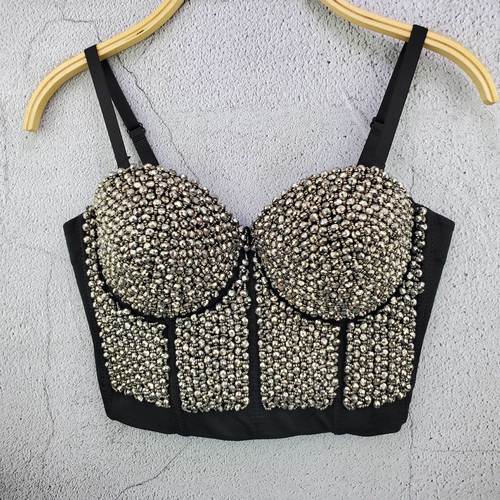
Why Materials Matter in Bra Manufacturing
The choice of materials directly impacts how a bra feels, fits, and performs. High-quality materials can enhance comfort, improve durability, and elevate the overall customer experience.
Bra manufacturers carefully select fabrics and components based on:
- Function (support vs. flexibility)
- Comfort (softness, breathability)
- Aesthetic appeal (texture, appearance)
- Durability (resistance to wear and washing)
Using the wrong materials can result in discomfort, poor fit, and a shorter product lifespan—leading to dissatisfied customers.
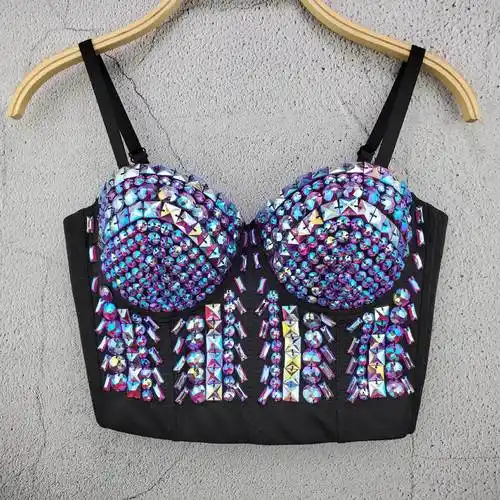
Common Fabrics Used in Bras
Modern bra manufacturers work with a wide range of fabrics, each serving a specific purpose.
Nylon and Spandex Blends
One of the most common combinations in bra production is nylon blended with spandex (also known as elastane). This fabric offers excellent stretch and recovery, making it ideal for form-fitting designs.
Benefits include:
- Smooth and lightweight feel
- High elasticity for better fit
- Long-lasting shape retention
This blend is widely used in everyday bras and seamless designs.
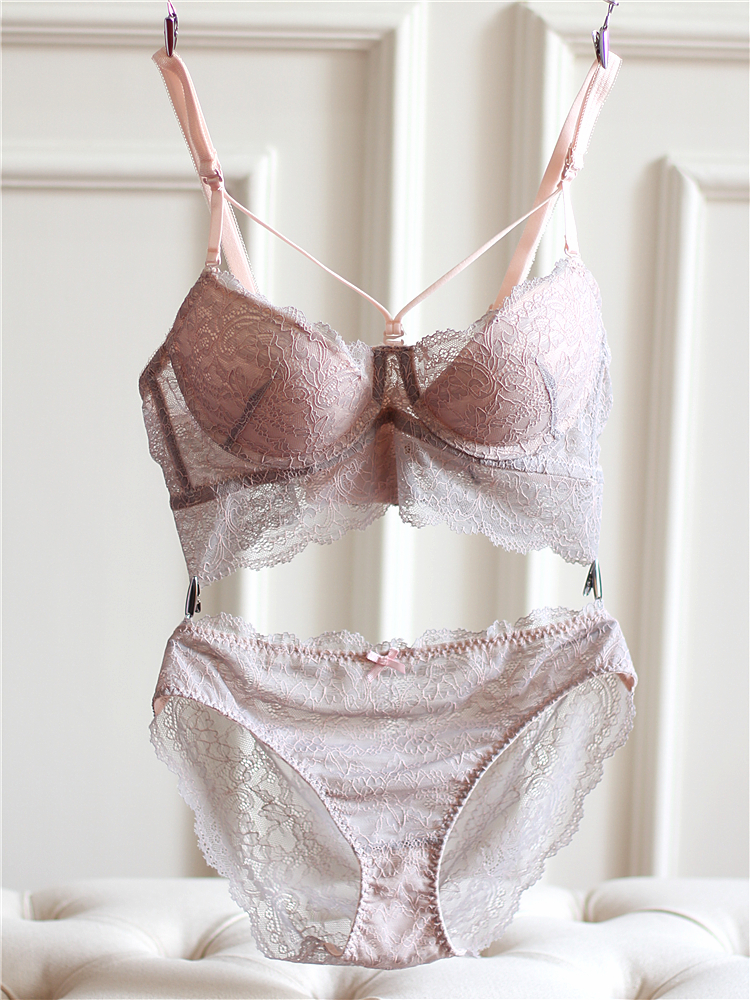
Lace
Lace is often used for decorative purposes, especially in fashion and luxury bras. However, it can also provide structure when combined with other materials.
High-quality lace adds:
- Elegance and visual appeal
- Texture and detail
- A premium look and feel
Manufacturers often combine lace with mesh or lining fabrics to maintain comfort and support.
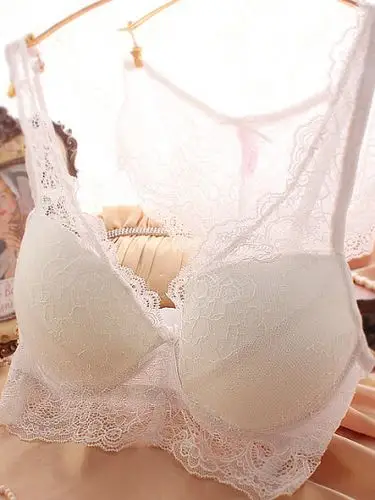
Cotton
Cotton is valued for its softness and breathability. It is commonly used in casual or everyday bras, especially for customers who prioritize comfort.
Advantages:
- Gentle on sensitive skin
- Highly breathable
- Natural and hypoallergenic
However, cotton lacks elasticity on its own, so it is usually blended with other fibers.
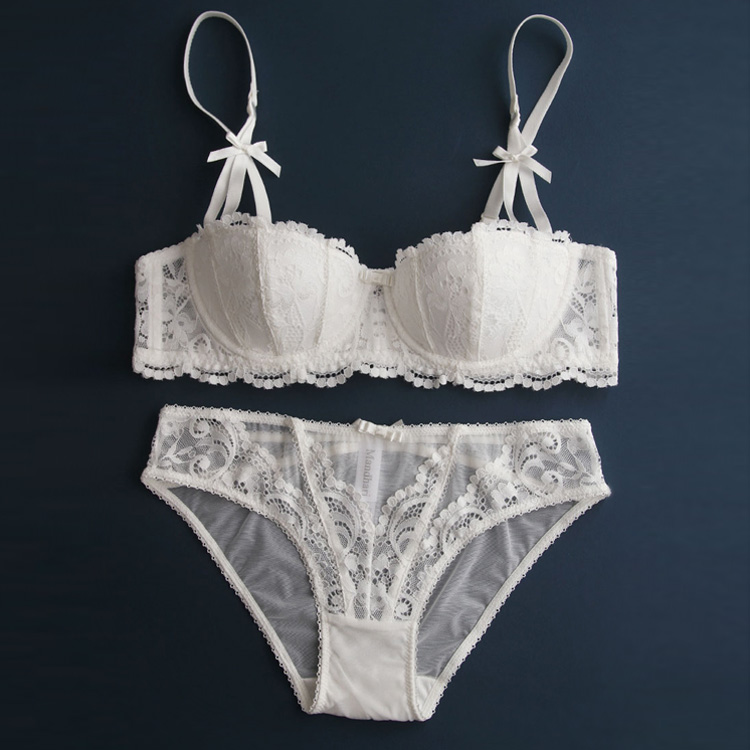
Mesh and Power Net
Mesh fabrics and power net are essential for support and structure. They are often used in the wings (side panels) and back of bras.
These materials provide:
- Strong support without adding bulk
- Breathability
- Flexibility combined with stability
They are especially important in larger cup sizes where additional support is required.
Key Components Beyond Fabric
In addition to fabric, several components play a critical role in bra construction.
Elastic Bands
Elastic bands provide the primary support in a bra. A well-designed band ensures that the bra stays in place and distributes weight evenly.
Underwires
Underwires are used in many bras to provide lift and shape. They must be carefully selected and positioned to avoid discomfort.
Straps and Closures
Adjustable straps and hook-and-eye closures allow for a customizable fit. High-quality components improve durability and user experience.
Bra manufacturers source these components from specialized suppliers to ensure consistency and performance.
Advanced Manufacturing Technologies
Modern bra manufacturers are increasingly using advanced technologies to improve efficiency and product quality.
Seamless Knitting Technology
Seamless bras are made using circular knitting machines that create garments with minimal stitching.
Benefits include:
- Smooth, invisible finish under clothing
- Reduced irritation from seams
- Enhanced comfort
This technology is especially popular for everyday and activewear bras.
Laser Cutting
Laser cutting allows for precise fabric cutting without fraying. It is often used for clean edges and intricate designs.
Advantages:
- High precision
- Reduced material waste
- Improved consistency
3D Molding
3D molding is used to create pre-shaped cups that provide structure without heavy padding.
This technique offers:
- Natural shaping
- Lightweight construction
- Consistent cup quality
Molded cups are widely used in T-shirt bras and other everyday styles.
Sustainability in Materials and Production
Sustainability is becoming a major focus for bra manufacturers. Many are now offering eco-friendly materials and adopting greener production methods.
Examples include:
- Recycled nylon and polyester
- Organic cotton
- Water-saving dyeing processes
- Reduced waste manufacturing
Brands that prioritize sustainability can appeal to environmentally conscious consumers while contributing to responsible production practices.
How to Choose the Right Materials for Your Brand
Selecting the right materials depends on your target market and product goals.
Consider:
- Your customer’s lifestyle and preferences
- The level of support required
- Desired price point
- Brand positioning (luxury, comfort, performance, etc.)
Working closely with your manufacturer can help you identify the best material combinations for your designs.
Final Thoughts
Materials and technology are at the heart of modern bra manufacturing. From fabric selection to advanced production techniques, every detail contributes to the final product’s quality and performance.
Understanding these elements allows you to make informed decisions and create products that meet customer expectations.
If you’re looking for expert guidance and reliable manufacturing solutions, visit Monsoon Apparel. With the right partner, you can develop high-quality bras that combine comfort, innovation, and style—helping your brand stand out in a competitive market.