
When entering the lingerie market, one of the first major decisions you’ll face is whether to work with custom bra manufacturers or choose a private label approach. Both options have their advantages, and the right choice depends on your business goals, budget, timeline, and brand vision.
Understanding the differences between these two manufacturing models can help you avoid costly mistakes and build a stronger, more scalable lingerie business.
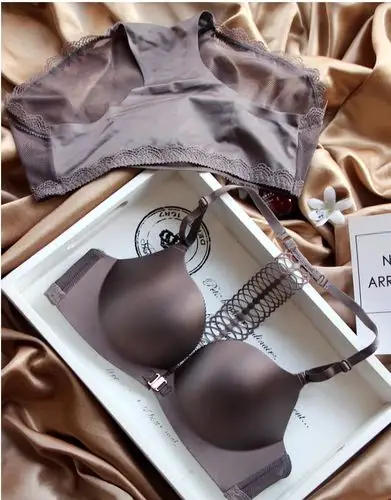
What Is Custom Bra Manufacturing?
Custom bra manufacturing involves creating a product entirely from scratch. You work closely with a manufacturer to develop unique designs, patterns, and specifications tailored specifically to your brand.
This process typically includes:
- Original design development
- Custom pattern making
- Multiple sampling stages
- Fit testing and adjustments
- Final production
With custom manufacturing, every detail—from fabric selection to stitching techniques—is built according to your requirements.
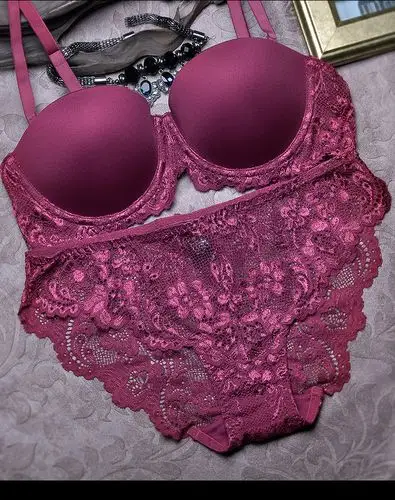
What Is Private Label Bra Manufacturing?
Private label bra manufacturing, on the other hand, uses pre-existing designs provided by the manufacturer. You select styles from their catalog and customize certain elements to align with your brand.
Common customization options include:
- Adding your logo and brand labels
- Choosing colors and fabrics
- Modifying minor design features
- Custom packaging
This approach allows you to launch products quickly without going through the full development process.
Key Differences Between Custom and Private Label
Understanding how these two options compare will help you determine which is better suited for your needs.
Development Time
Custom manufacturing takes significantly longer because each product must be developed from the ground up. Sampling and revisions can take several months.
Private label, in contrast, allows for much faster turnaround since the base designs are already complete.
If speed is a priority, private label has a clear advantage.
Cost and Investment
Custom manufacturing requires a higher upfront investment. Costs include design development, sampling, and potential revisions.
Private label is more cost-effective, making it ideal for startups or brands with limited budgets.
However, while custom manufacturing is more expensive initially, it can offer higher long-term value through product uniqueness.
Product Uniqueness
Custom bras give you complete control over design, allowing you to create truly unique products that stand out in the market.
Private label products are based on existing designs, which means other brands may offer similar styles.
If differentiation is a key part of your strategy, custom manufacturing is the better choice.
Flexibility and Control
Custom manufacturing offers maximum flexibility. You can adjust every detail to match your vision.
Private label provides limited flexibility, as changes are usually restricted to surface-level modifications.
Your decision should depend on how much creative control you want over your products.
Risk Level
Custom manufacturing carries more risk due to higher costs and longer development timelines. If the product doesn’t perform well, the financial impact can be significant.
Private label reduces risk by offering proven designs and lower initial investment.
For new brands, minimizing risk is often a top priority.
Which Option Is Best for Startups?
For most startups, private label bra manufacturers are the best starting point. They allow you to:
- Enter the market quickly
- Test different styles
- Build brand awareness
- Generate early revenue
Once you gain experience and understand your customers better, you can gradually transition to custom manufacturing.
When to Choose Custom Manufacturing
Custom manufacturing becomes a strong option when:
- You have a clear and unique brand identity
- You want to create signature products
- You have consistent sales and demand
- You are ready to invest in product development
Many successful lingerie brands evolve into custom manufacturing after establishing themselves in the market.
Can You Combine Both Approaches?
Yes—and many brands do. A hybrid strategy can be highly effective.
For example:
- Use private label for basic, high-volume styles
- Develop custom designs for premium or signature collections
This approach allows you to balance cost efficiency with brand differentiation.
How to Work Successfully with Bra Manufacturers
Regardless of the approach you choose, working effectively with bra manufacturers is key to success.
Best practices include:
- Communicating clearly and consistently
- Requesting and reviewing samples carefully
- Understanding production timelines
- Building a long-term partnership
A reliable manufacturer will support your growth and help you navigate challenges along the way.
Making the Right Decision for Your Brand
There is no one-size-fits-all answer. The right choice depends on your business stage, resources, and goals.
Ask yourself:
- What is my budget?
- How quickly do I want to launch?
- How important is product uniqueness?
- Am I ready for a longer development process?
Your answers will guide you toward the best manufacturing strategy.
Final Thoughts
Choosing between custom and private label bra manufacturers is a critical step in building your lingerie brand. Both options offer unique advantages, and the best choice depends on your current needs and future ambitions.
If you’re looking for expert guidance and flexible manufacturing solutions, visit Monsoon Apparel. Whether you’re starting with private label or developing custom designs, the right partner can help you create high-quality products and grow your brand with confidence.