
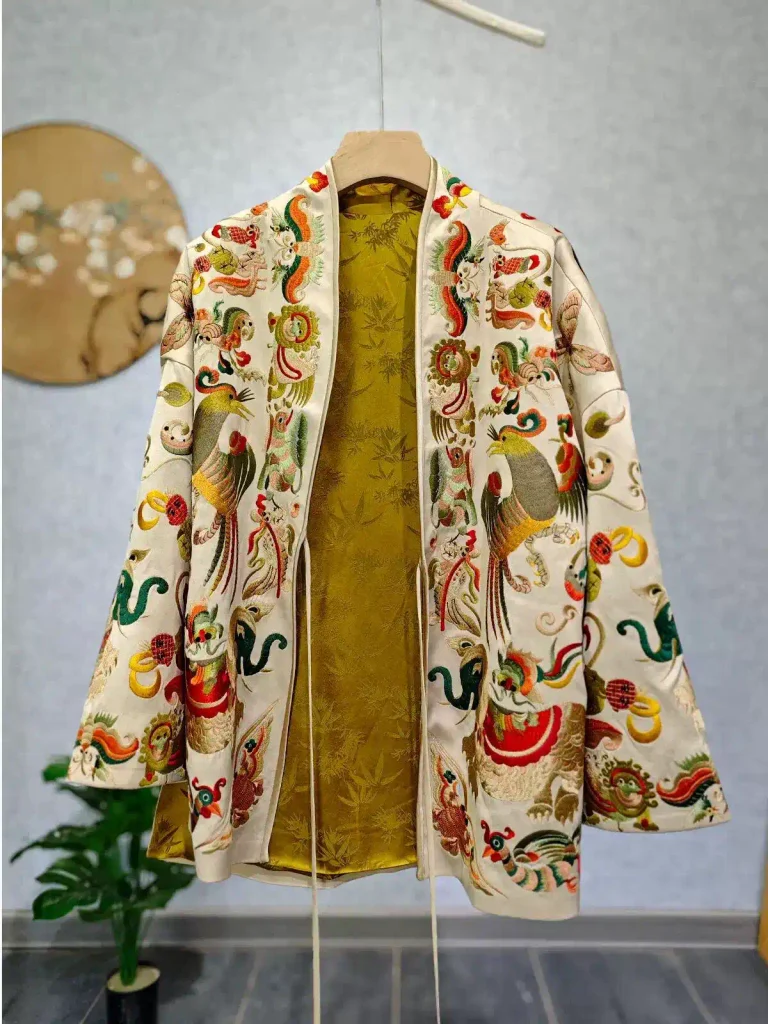
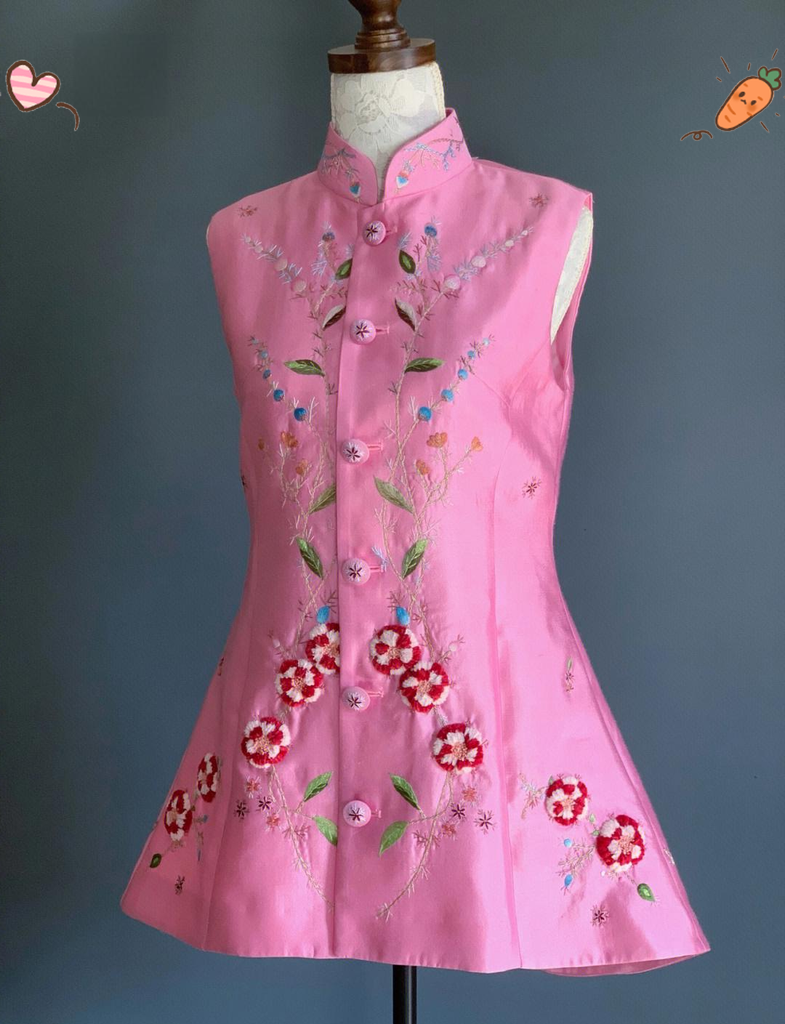
Heavy embroidery is a true mark of luxury and craftsmanship in the world of custom apparel. From intricate floral motifs on premium jackets to dense corporate logos on high-end polos, heavy stitching adds a tactile, three-dimensional finish that printed designs simply cannot replicate. However, any embroidery professional or fashion enthusiast knows the dreaded enemy of this beautiful art form: fabric puckering.
When the fabric wrinkles, pulls, or bunches tightly around the design, it ruins the drape of the garment and diminishes the perceived quality of the piece. At Monsoon Apparel, we know that achieving a perfectly flat, crisp, and pristine embroidered finish isn’t just about loading a design into a commercial machine. It is a meticulously calculated game—a delicate tug-of-war between two vital elements: base fabric tension and stitch density.
Understanding how these two factors interact is the secret to flawlessly executed heavy embroidery.
The Nightmare of Embroidery Puckering
Before diving into the solution, it is essential to understand why puckering happens. Puckering is the distortion of the base fabric caused by the push and pull forces of the embroidery thread. When the machine drives a needle through the garment thousands of times, the threads physically displace the woven or knitted fibers of the fabric.
With “heavy embroidery”—designs that require tens of thousands of closely packed stitches—the risk of distortion multiplies exponentially. If the forces applied by the thread overcome the structural integrity of the fabric, the fabric surrenders and begins to wrinkle. Preventing this requires mastering the foundation (tension) and the artwork (density).
Base Fabric Tension: The Foundation of Flat Stitches
Fabric tension refers to how the garment is held in place during the embroidery process. This involves both the physical hooping technique and the invisible heroes of embroidery: stabilizers (or backing).
The Hooping Technique: A perfectly hooped garment should feel like a tambourine—firm and smooth, but not overstretched. If the fabric is hooped too loosely, it will bounce and shift with the needle, causing immediate wrinkles and misaligned outlines. Conversely, if the fabric is stretched too tightly in the hoop, the fibers are unnaturally elongated. Once the garment is removed from the hoop, those fibers will attempt to shrink back to their natural state, instantly pulling the heavy embroidery into a crumpled mess.
The Role of Stabilizers: You cannot rely on the garment’s fabric alone to hold the tension of heavy embroidery. This is where backing comes in. For heavy, stitch-dense designs, a sturdy cut-away stabilizer is absolutely crucial. Unlike tear-away stabilizers that break apart when perforated, cut-away stabilizers hold their grid structure, locking the fabric in place and absorbing the stress of the dense stitching so the garment doesn’t have to.
Stitch Density: The Art of Precision Digitizing
While tension handles the base, stitch density is all about the thread being applied. Density refers to how closely together the stitches are laid down.
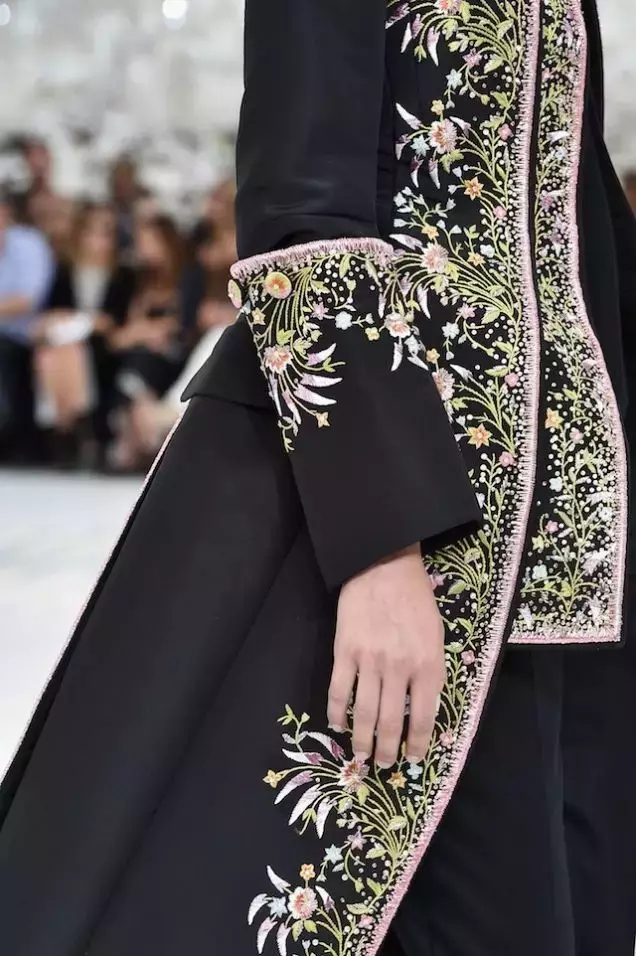
A common misconception in custom apparel is that more stitches equal a better, richer design. In reality, excessive stitch density creates a stiff, bulletproof patch of thread that fights against the natural drape of the garment. When stitches are packed too tightly, they push the fabric fibers apart aggressively, creating an outward pressure that results in heavy puckering along the edges of the design.
The Power of Underlay Stitches: Expert digitizing—the process of translating a graphic into an embroidery file—is the key to managing density. Instead of just packing top stitches closely together, a master digitizer uses strategic underlay stitches. Underlay acts as a scaffolding system beneath the visible design. It stabilizes the fabric to the backing and lifts the top stitches up. With a solid underlay, you can actually reduce the density of the top satin or fill stitches while still achieving full, opaque color coverage. This drastically reduces the stress on the fabric.
The Tug-of-War: Where Tension and Density Collide
The true art of flawless heavy embroidery lies in the intersection of these two forces. It is a constant game of push and pull compensation.
If your design requires a high stitch density due to complex shading or fine details, you must compensate with enhanced base fabric tension. This might mean using a double layer of heavy cut-away stabilizer or choosing a heavier garment that can handle the weight.
Furthermore, the machine’s thread tension (the balance between the top thread and the bobbin thread) must be dialed in perfectly. If the top thread tension is too tight, it will pull the edges of the dense design inward, overpowering the fabric’s natural tension and creating a “cupping” effect. If the density is optimized but the bobbin tension is wrong, loops will form, ruining the texture. The digitizer and the machine operator must work in total harmony to anticipate how the fabric will react to every single needle drop.
The Monsoon Apparel Standard
Different fabrics change the rules of this game entirely. A heavy canvas work jacket can handle high stitch density with standard tensioning, while a lightweight, moisture-wicking athletic polo requires meticulous adjustments to both density and backing to prevent the fabric from buckling under the weight of the thread.
At Monsoon Apparel, we view custom clothing as a canvas that deserves respect. When dealing with complex, heavy embroidery, our approach is deeply analytical. We don’t just use default settings. Our team carefully evaluates the fabric composition of your chosen garment, optimizes the digitizing file to reduce unnecessary stitch density, and selects the exact combination of stabilizers and hooping techniques required for that specific item.
Conclusion
Heavy embroidery should elevate a garment, not weigh it down or distort its shape. By mastering the intricate game between base fabric tension and stitch density, it is entirely possible to create massive, vibrant, and incredibly detailed embroidered designs that sit perfectly flat. Whether you are creating luxury streetwear or premium corporate uniforms, paying attention to these technical details guarantees a final product that looks impeccable, washes beautifully, and stands the test of time.