
When developing premium casualwear, fabric selection plays a major role in determining how a garment looks, feels, and performs. Consumers increasingly expect everyday clothing to offer more than basic comfort. They want soft textures, a polished appearance, reliable durability, and versatility for different occasions. This is one of the reasons interlock fabric has become a popular choice for clothing manufacturers and fashion brands.
Interlock fabric is a type of double-knit material known for its smooth surface, balanced structure, and comfortable feel. Compared with many lightweight single-knit fabrics, it often provides a more substantial hand feel and a cleaner appearance, making it particularly suitable for premium casualwear collections.
What Is Interlock Fabric?
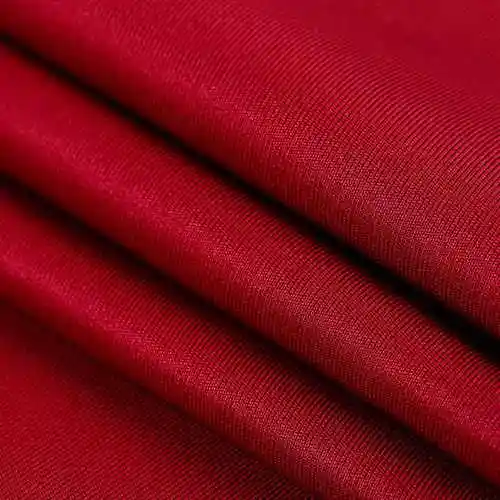
Interlock fabric is produced using a double-knit construction in which two sets of knitted loops are interconnected. This structure creates a fabric with two relatively smooth surfaces that look similar on both sides.
Unlike single jersey, which typically has a distinct face and reverse side, interlock fabric has a more uniform appearance. Its construction generally makes it thicker, more stable, and less prone to curling at the edges.
Interlock can be manufactured using different fiber compositions, including cotton, polyester, cotton-polyester blends, modal, and other fibers. The final characteristics depend on the yarn quality, knitting parameters, fabric weight, and finishing processes.
For apparel brands, this versatility makes interlock an adaptable material for a wide range of casual clothing products.
1. A Smooth and Premium Surface Appearance
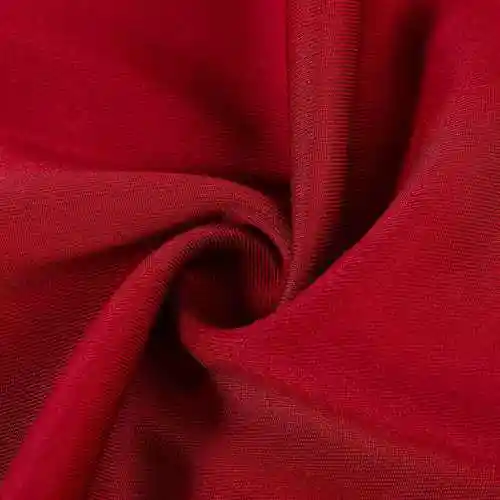
One of the biggest advantages of interlock fabric is its smooth, clean surface.
The fabric’s double-knit construction creates a relatively even appearance on both sides, making it suitable for garments where visual quality is important. Compared with some lightweight jersey fabrics, interlock can offer a fuller appearance that helps clothing maintain a more refined silhouette.
This makes it a practical choice for premium basics, minimalist designs, and everyday clothing that relies on fabric quality rather than complicated decoration.
Interlock fabric works particularly well for:
- Premium basic T-shirts
- Long-sleeve tops
- Polo shirts
- Casual sweatshirts
- Lounge sets
- Lightweight dresses
- Everyday children’s clothing
For brands positioning their products in the mid-range or premium market, fabric appearance can significantly influence the perceived value of a garment.
2. Comfortable Softness for Everyday Wear
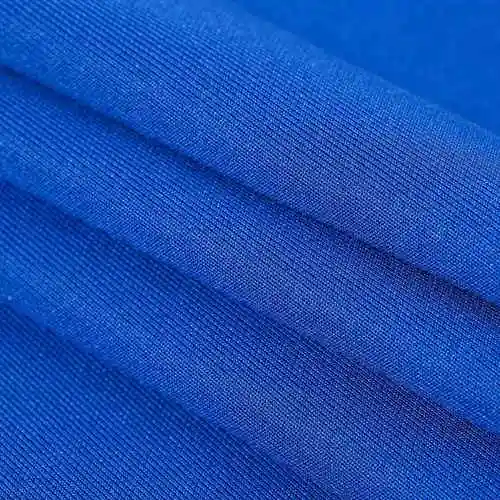
Comfort remains one of the most important purchasing factors in casualwear. Interlock fabric is often appreciated for its soft, smooth hand feel and relatively balanced surface texture.
Cotton interlock is especially popular for everyday clothing because it combines natural fiber comfort with a stable knitted structure. Depending on the cotton quality and finishing treatment, it can provide a soft touch suitable for garments worn directly against the skin.
Other fiber blends can further enhance specific performance characteristics. For example, polyester blends may improve dimensional stability or drying performance, while modal blends can provide additional softness and drape.
When selecting interlock fabric, clothing brands should evaluate the actual hand feel rather than relying exclusively on fiber composition. Two fabrics with similar material percentages can feel noticeably different because of yarn selection, knitting density, and finishing.
3. Better Shape Retention and Fabric Stability
Premium casualwear needs to maintain its appearance after repeated wearing and washing.
Interlock fabric’s double-knit construction generally provides greater structural stability than lightweight single jersey. This can help garments maintain a more consistent shape, although the actual performance depends on the fiber composition, fabric specifications, and garment construction.
Its relatively stable structure makes interlock suitable for clothing that requires a clean silhouette, such as fitted T-shirts, structured casual tops, and comfortable lounge garments.
For manufacturers, fabric stability is also important during cutting, sewing, and finishing. A fabric with predictable behavior can help improve production consistency and reduce certain handling challenges.
However, proper testing is still necessary. Brands should evaluate shrinkage, stretch recovery, colorfastness, and dimensional stability before approving fabric for bulk production.
4. Versatility Across Different Casualwear Categories
Another reason interlock fabric is widely used is its versatility.
Different fabric weights, fiber blends, and finishing methods allow manufacturers to develop interlock materials for various product categories.
Lightweight interlock can be used for breathable everyday tops and layering pieces. Medium-weight versions are suitable for premium T-shirts, casual pullovers, and lounge clothing. Heavier interlock fabrics can support more structured garments with a substantial hand feel.
This flexibility helps clothing brands build coordinated collections using related fabrics while maintaining differences in garment weight, texture, and styling.
For example, a brand could develop a matching casualwear collection featuring:
- Short-sleeve interlock T-shirts
- Long-sleeve layering tops
- Relaxed-fit lounge pants
- Coordinated casual sets
- Lightweight pullovers
Using compatible fabric qualities across multiple styles can also simplify product development and create a more consistent brand identity.
5. Suitable for Premium Branding and Customization
Interlock fabric is also a practical option for private label apparel manufacturing.
Its smooth surface can support different branding techniques, including screen printing, embroidery, heat transfers, and selected decorative applications. The suitability of each method depends on the fabric composition, thickness, surface texture, and design requirements.
For brands developing custom apparel, fabric selection should be coordinated with garment design and decoration from the beginning.
An embroidered logo, for example, may require appropriate fabric weight and stabilizer selection to minimize puckering. Large printed graphics may require testing to ensure color consistency and a smooth final appearance.
Working with an experienced clothing manufacturer can help brands evaluate these factors before production begins.
6. What Should Brands Consider Before Choosing Interlock?
Although interlock fabric offers many advantages, it is not automatically the best material for every garment.
Before making a final selection, brands should consider several factors:
Fabric weight: Choose a weight that matches the intended garment, climate, and target customer.
Fiber composition: Cotton, polyester, modal, and blended yarns create different comfort, durability, and maintenance characteristics.
Stretch and recovery: Evaluate whether the fabric provides sufficient flexibility and returns to its original shape after wearing.
Shrinkage: Conduct washing tests to confirm dimensional stability and establish appropriate production allowances.
Drape and structure: Determine whether the fabric creates the desired fit, silhouette, and overall appearance.
Cost and production requirements: Consider fabric consumption, cutting efficiency, sewing methods, finishing requirements, and target retail positioning.
A well-selected interlock fabric should balance comfort, appearance, functionality, and manufacturing feasibility.
Conclusion
Interlock fabric has earned its place in premium casualwear manufacturing because it combines a smooth appearance, comfortable hand feel, balanced structure, and versatile applications. Its double-knit construction makes it an attractive option for brands seeking to create everyday garments with a more refined look and reliable performance.
From premium T-shirts and casual tops to lounge sets and coordinated collections, interlock fabric offers clothing brands considerable flexibility during product development.
At Monsoon Apparel, choosing the right fabric is an important part of developing quality custom clothing. By evaluating fabric composition, weight, construction, finishing, and garment requirements together, brands can create casualwear products that meet customer expectations while supporting consistent manufacturing quality.