
When developing comfortable and warm clothing collections, fabric selection plays an important role in determining product quality and customer satisfaction. Among the many materials used in casualwear and winter apparel, brushed fleece has become a popular choice for clothing brands.
Known for its soft texture, cozy feel, and excellent warmth, brushed fleece is widely used in hoodies, sweatshirts, joggers, jackets, and loungewear. Its ability to provide comfort while maintaining a casual appearance makes it particularly attractive for everyday clothing collections.
But what exactly is brushed fleece, how is it made, and when should clothing brands use it? Understanding its characteristics can help fashion businesses make better fabric sourcing decisions and develop products that meet their customers’ expectations.
1. What Is Brushed Fleece Fabric?
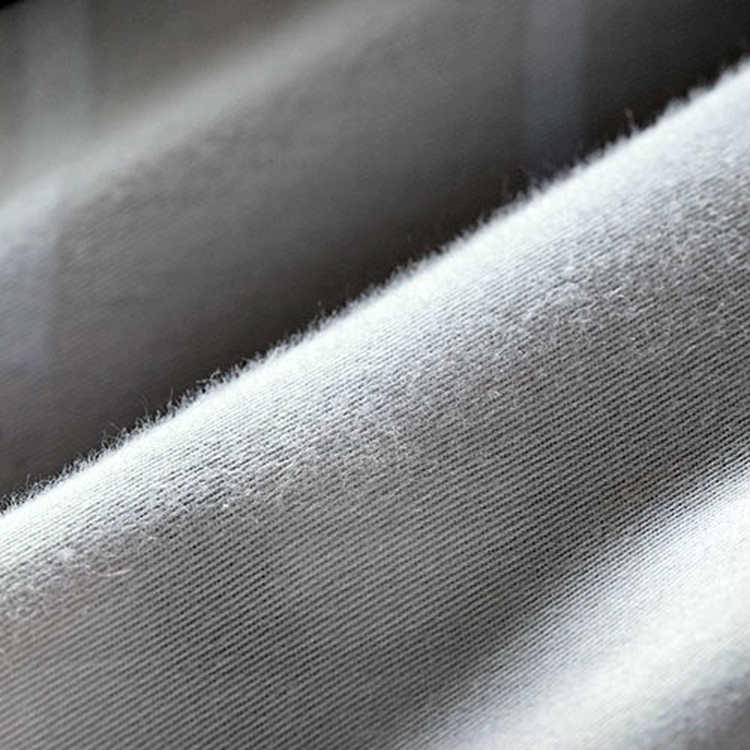
Brushed fleece is a type of fabric that undergoes a mechanical brushing process to create a soft, fuzzy surface.
It is commonly made from cotton, polyester, or cotton-polyester blends. During manufacturing, specialized brushing equipment raises some of the surface fibers, creating a soft layer that traps air and improves insulation.
Unlike smooth jersey fabrics, brushed fleece has a slightly fluffy texture that provides additional warmth and a comfortable hand feel.
There are different types of fleece fabrics, including:
- Cotton brushed fleece.
- Polyester brushed fleece.
- Cotton-polyester blended fleece.
- Single-sided brushed fleece.
- Double-sided brushed fleece.
Each type has different characteristics depending on its fiber composition, fabric construction, and finishing process.
For clothing manufacturers, selecting the right brushed fleece is essential for achieving the desired garment appearance, warmth, and performance.
2. How Is Brushed Fleece Made?
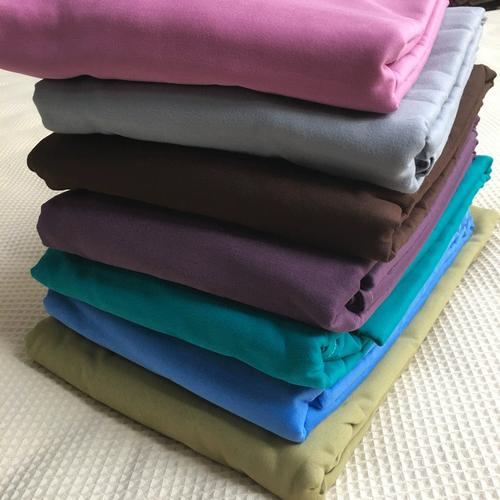
The production of brushed fleece involves several textile manufacturing steps.
First, yarns are knitted or processed into a suitable fabric structure. Many sweatshirt and hoodie fabrics use a three-thread fleece construction, which provides a smooth outer surface and a looped inner structure.
Next, the fabric undergoes a brushing process.
Specialized machines use brushes or rollers to raise fibers from the fabric surface. This creates a fluffy inner layer that feels softer against the skin.
Depending on the desired product, manufacturers may apply additional treatments such as shearing, compacting, or fabric finishing to improve surface consistency and dimensional stability.
After finishing, the fabric is inspected for defects, weight consistency, color quality, and other important specifications before being used for garment production.
The brushing process is particularly important because excessive or uneven brushing can affect fabric appearance, shedding, and durability.
3. Key Benefits of Brushed Fleece for Clothing Brands
Excellent Warmth and Insulation
One of the main advantages of brushed fleece is its ability to provide warmth.
The raised fibers create small air pockets that help retain body heat, making brushed fleece suitable for cold-weather apparel.
This makes it a popular choice for winter hoodies, sweatshirts, jogging pants, and casual jackets.
For brands developing autumn and winter collections, brushed fleece offers a practical way to create comfortable garments with additional insulation.
Soft and Comfortable Hand Feel
Comfort is one of the biggest reasons consumers choose fleece clothing.
The brushed inner surface feels soft against the skin and provides a cozy wearing experience.
This characteristic makes brushed fleece particularly suitable for products designed for everyday use, including oversized hoodies, lounge sets, and relaxed-fit sweatshirts.
A soft fabric surface can also improve the perceived quality of a garment, which is important for premium casualwear brands.
Versatile Design Applications
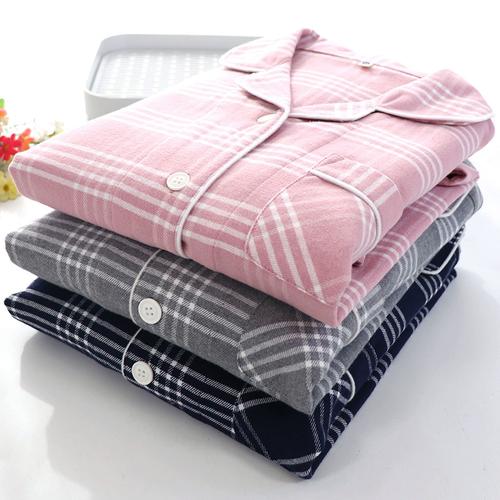
Brushed fleece is available in different weights, compositions, and colors.
It can be used for various garment styles, from lightweight sweatshirts to heavyweight winter hoodies.
Depending on the fabric construction, it can also support different branding techniques, including embroidery, screen printing, and heat transfer.
This flexibility allows private label clothing brands to develop different product categories using similar fleece materials.
4. Brushed Fleece vs. French Terry: What Is the Difference?
Brushed fleece and French terry are both popular fabrics for sweatshirts and casualwear, but they have different surface structures.
French terry typically has a smooth outer surface and visible loops on the inside. Brushed fleece undergoes an additional brushing process that raises the inner fibers, creating a soft, fuzzy surface.
Here are their main differences:
| Feature | Brushed Fleece | French Terry |
|---|---|---|
| Inner surface | Soft and fuzzy | Looped texture |
| Warmth | Generally warmer | Generally lighter |
| Hand feel | Cozy and plush | Smooth and breathable |
| Common use | Winter hoodies, sweatshirts | Lightweight hoodies, casualwear |
| Best season | Autumn and winter | Spring, autumn, and year-round layering |
For brands developing warm winter clothing, brushed fleece is often the better option.
For lightweight casualwear and transitional-season collections, French terry may be more suitable.
5. When Should Clothing Brands Use Brushed Fleece?
Brushed fleece is particularly useful when warmth, softness, and comfort are important product requirements.
Here are some common applications.
Hoodies and Sweatshirts
Hoodies are among the most popular applications for brushed fleece. Its soft interior and insulating properties make it suitable for everyday hoodies, oversized sweatshirts, and premium streetwear collections.
Joggers and Sweatpants
Brushed fleece provides a comfortable interior surface for relaxed-fit pants and winter joggers. It works particularly well for coordinated hoodie and sweatpant sets.
Winter Loungewear
Brands developing homewear and comfortable clothing collections can use brushed fleece to create soft lounge pants, tops, and matching sets.
Casual Jackets
Heavier brushed fleece can be used for casual outerwear and lightweight layering jackets, depending on the construction and intended temperature range.
Private Label Streetwear
Brushed fleece is also a popular material for premium streetwear brands that want to develop heavyweight hoodies and sweatshirts with a substantial hand feel.
6. How to Choose the Right GSM for Brushed Fleece
Fabric weight is an important consideration when sourcing brushed fleece.
GSM, or grams per square meter, measures fabric weight and helps manufacturers determine its thickness and overall feel.
Common fleece weight categories include:
- 200–250 GSM: Lightweight fleece for transitional-season clothing.
- 250–300 GSM: Medium-weight fleece for everyday sweatshirts and hoodies.
- 300–350 GSM: Heavyweight fleece for premium casualwear.
- 350–450 GSM: Extra heavyweight fleece for winter hoodies and structured streetwear.
These ranges are general guidelines. Actual warmth and performance also depend on fiber composition, fabric density, brushing quality, and garment construction.
Brands should consider their target market, seasonal requirements, and desired garment silhouette before selecting a GSM.
Heavier fleece may provide a more substantial feel, but it can also increase garment weight and production costs.
7. What Should Brands Check Before Ordering Brushed Fleece?
Before starting bulk clothing production, brands should evaluate several important fabric specifications.
Fiber Composition: Confirm whether the material is 100% cotton, polyester, or a blended fabric.
Fabric Weight: Select a GSM suitable for the intended product and season.
Brushing Quality: Check whether the inner surface is evenly brushed and feels consistently soft.
Pilling Resistance: Evaluate whether the fabric develops small fiber balls after repeated friction.
Shrinkage: Test dimensional stability after washing and drying.
Colorfastness: Make sure the fabric maintains its color during washing and rubbing.
Shedding: Check whether excessive loose fibers are released from the brushed surface.
It is also important to request fabric samples and conduct garment washing tests before approving bulk production.
Working with an experienced clothing manufacturer can help brands select suitable fleece materials and maintain consistent quality throughout production.
Conclusion
Brushed fleece is an excellent fabric choice for clothing brands developing warm, comfortable, and casual apparel collections.
Its soft brushed surface, insulating properties, and versatile applications make it particularly suitable for hoodies, sweatshirts, joggers, loungewear, and premium streetwear.
However, choosing the right brushed fleece requires careful consideration of fabric composition, GSM, brushing quality, durability, and seasonal requirements.
At Monsoon Apparel, selecting suitable fabrics is an important part of developing custom clothing collections. Whether you are creating heavyweight hoodies, comfortable sweatshirts, or a new private label winterwear line, the right fabric helps establish product quality and strengthen your brand identity.
Great winter apparel starts with the right material, thoughtful garment design, and reliable manufacturing processes.