Denim has remained one of the most popular and versatile fabrics in the fashion industry for decades. From classic blue jeans to premium designer collections, denim products continue to dominate global apparel markets. For fashion brands, retailers, and startups entering the denim industry, selecting the right jean manufacturer is one of the most important decisions for long-term success.
A reliable manufacturing partner affects every stage of product development, including fabric quality, fit consistency, production efficiency, delivery timelines, and customer satisfaction. Whether you are building a streetwear label, launching a private-label denim collection, or expanding an established apparel company, working with the right jean manufacturer can strengthen your brand identity and improve product quality.
In this article, we will explore why choosing the right denim manufacturing partner is essential and what fashion brands should consider before starting production.
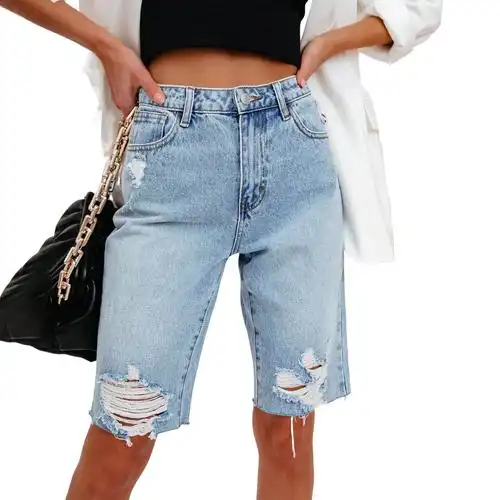
The Growing Demand for High-Quality Denim
Denim remains a global fashion staple because of its durability, versatility, and timeless appeal. Consumers wear jeans in casual, workwear, streetwear, and even luxury fashion settings.
Modern customers are no longer satisfied with basic denim products. Today’s market demands:
- Better fabric quality
- Comfortable stretch materials
- Sustainable production
- Fashion-forward washes
- Premium finishing
- Reliable sizing consistency
As competition increases, brands must offer products that stand out in both appearance and performance.
This is why manufacturing quality has become a major factor in the success of denim brands.

Understanding the Role of a Jean Manufacturer
A professional jean manufacturer does much more than sew garments together. They manage multiple stages of production, including:
- Fabric sourcing
- Pattern development
- Sampling
- Cutting and sewing
- Washing and finishing
- Quality control
- Packaging
- Logistics support
Experienced manufacturers understand how denim behaves during production and washing processes. They know how to maintain consistency in fit, shrinkage, and color.
This expertise is especially important because denim production involves more technical complexity than standard cotton apparel.
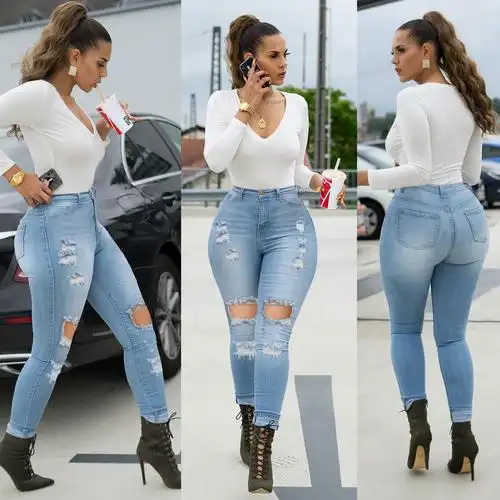
Fabric Quality Defines the Product
The quality of denim fabric directly affects how jeans look, feel, and perform over time.
Consumers often evaluate jeans based on:
- Softness
- Stretch recovery
- Durability
- Weight
- Comfort
- Color retention
A trusted jean manufacturer should offer a wide range of denim fabric options, including:
- Rigid denim
- Stretch denim
- Selvedge denim
- Organic cotton denim
- Recycled denim fabrics
- Lightweight fashion denim
- Heavyweight premium denim
Different styles require different materials.
For example, skinny jeans often use stretch fabrics for flexibility, while vintage-inspired denim collections may use heavyweight rigid cotton.
Brands should always request fabric swatches and sample garments before bulk production begins.

Fit Consistency Is Critical
Fit is one of the most important factors influencing customer satisfaction in denim products.
Poorly fitting jeans can lead to:
- High return rates
- Negative customer reviews
- Reduced brand loyalty
An experienced jean manufacturer understands the technical aspects of pattern making and grading.
They can help brands develop:
- Slim fit jeans
- Straight leg styles
- Relaxed fit designs
- Wide-leg silhouettes
- High-waisted cuts
- Custom fashion fits
Consistent sizing across all production batches is essential for maintaining customer trust.
Professional manufacturers use measurement standards and quality inspections to ensure production accuracy.
Washing Techniques Create Unique Styles
One of the defining features of denim apparel is the washing process.
Different washes can dramatically change the appearance and feel of jeans.
Popular denim washing techniques include:
- Stone wash
- Acid wash
- Enzyme wash
- Vintage wash
- Sandblasting effects
- Distressed finishing
- Garment dyeing
The washing stage requires technical expertise because improper processes may damage fabric strength or create inconsistent colors.
A skilled jean manufacturer should have advanced washing capabilities and experience producing different visual effects.
Creative washing techniques help fashion brands differentiate their collections in competitive markets.
Customization and Branding Options
Modern denim brands often focus heavily on branding details.
Custom features may include:
- Leather patches
- Metal hardware
- Embroidery
- Printed pocket linings
- Custom labels
- Rivets and buttons
- Branded trims
These small elements contribute to the overall customer experience and perceived product value.
An experienced manufacturer can help brands create cohesive designs with premium finishing details.
Strong branding increases product recognition and strengthens customer loyalty.
Sustainability in Denim Manufacturing
Sustainability has become increasingly important in the fashion industry, especially in denim production.
Traditional denim manufacturing can consume large amounts of water and chemicals.
As consumers become more environmentally conscious, many brands now seek sustainable manufacturing solutions.
Responsible jean manufacturers may offer:
- Organic cotton fabrics
- Recycled denim materials
- Water-saving washing technologies
- Eco-friendly dyes
- Reduced chemical processing
- Ethical labor practices
Sustainable production not only supports environmental responsibility but also enhances brand reputation.
Consumers are increasingly attracted to brands that demonstrate transparency and responsible sourcing.
The Importance of Sampling
Sampling is a crucial part of denim production.
Before moving to mass production, brands should carefully review samples to evaluate:
- Fabric quality
- Fit accuracy
- Wash consistency
- Stitching quality
- Hardware placement
- Overall appearance
Professional jean manufacturers usually provide development samples and pre-production samples.
Multiple revisions may be necessary before achieving the desired result.
Skipping proper sampling can lead to costly production mistakes.
Investing time in product development improves final product quality and customer satisfaction.
Production Capacity and Scalability
As apparel businesses grow, manufacturing requirements also increase.
Choosing a jean manufacturer with scalable production capacity allows brands to expand more efficiently.
Important considerations include:
- Monthly production capability
- Lead times
- Factory equipment
- Workforce experience
- Quality control systems
A reliable manufacturing partner should support both small and large production runs.
This flexibility is especially valuable for growing brands launching seasonal collections or expanding internationally.
Communication and Reliability
Strong communication is one of the most overlooked aspects of successful apparel manufacturing.
Reliable manufacturers provide:
- Clear timelines
- Transparent pricing
- Fast responses
- Technical support
- Production updates
Poor communication can create delays, misunderstandings, and quality issues.
Fashion brands should work with suppliers who understand their goals and communicate professionally throughout the development process.
Long-term relationships built on trust often lead to smoother production and better business outcomes.
Why Manufacturing Quality Influences Brand Reputation
Customers associate product quality directly with your brand.
If jeans fade quickly, shrink excessively, or fit inconsistently, consumers are less likely to purchase again.
On the other hand, well-made denim products encourage:
- Repeat purchases
- Positive reviews
- Word-of-mouth marketing
- Customer loyalty
High-quality manufacturing helps brands build stronger reputations in competitive apparel markets.
This is particularly important for premium and private-label denim businesses.
Building a Long-Term Manufacturing Partnership
The best denim brands often maintain long-term relationships with trusted manufacturers.
Long-term partnerships offer several advantages:
- Better production consistency
- Improved pricing structures
- Faster turnaround times
- Easier product development
- Better understanding of brand standards
Manufacturers who become familiar with your business can help optimize future collections and improve operational efficiency.
Instead of constantly searching for new suppliers, investing in a reliable partnership creates long-term stability.
Final Thoughts
Choosing the right jean manufacturer is one of the most important decisions for any fashion brand entering the denim market.
From fabric sourcing and fit development to washing techniques and quality control, every stage of production affects the final customer experience.
Reliable manufacturing partners help brands create durable, stylish, and consistent denim products that stand out in competitive markets.
As denim trends continue to evolve, working with an experienced manufacturer allows fashion brands to adapt quickly while maintaining product quality and brand identity.
At Monsoon Apparel, quality craftsmanship, reliable production, and attention to detail remain central to supporting apparel brands in creating premium denim collections for today’s global market.