The global apparel industry is more competitive than ever, and finding the right vest manufacturer can be the difference between a successful clothing brand and one that struggles with quality issues, delayed shipments, or inconsistent production. Whether you’re launching a fashion label, expanding a workwear collection, or introducing functional outdoor apparel, your manufacturing partner plays a critical role in your long-term success.
A vest may appear to be a simple garment, but producing a high-quality vest requires expertise in fabric sourcing, pattern development, stitching, finishing, and quality control. The right manufacturer doesn’t just produce garments—they become an extension of your business.
This guide explains what to look for in a vest manufacturer and why choosing an experienced production partner can help your brand grow with confidence.
Why Vests Continue to Be a Popular Apparel Category
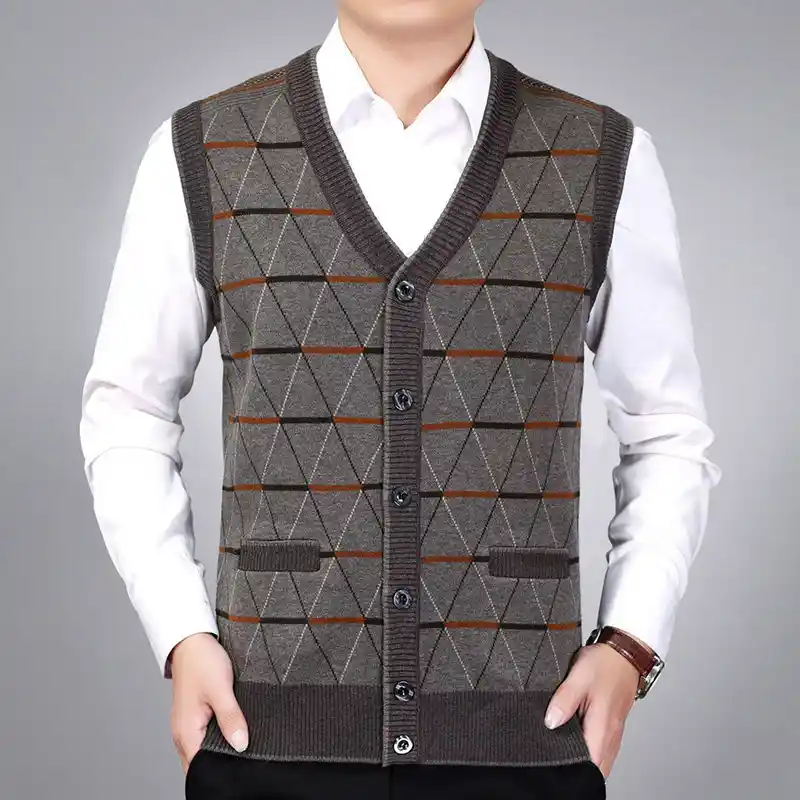
Vests remain one of the most versatile garments in modern fashion. They serve multiple industries and customer groups, including:
- Fashion brands
- Outdoor apparel companies
- Corporate uniform suppliers
- Workwear brands
- Sportswear businesses
- Promotional clothing companies
- Safety equipment suppliers
Unlike seasonal garments, vests can be produced in lightweight, insulated, waterproof, or performance fabrics, allowing brands to offer products throughout the year.
Because of their versatility, retailers often include several vest collections within the same product line, making reliable manufacturing even more important.
What Makes a Professional Vest Manufacturer?
Not every garment factory specializes in vest production. Experienced manufacturers understand that different vest styles require different production techniques.
For example:
- Puffer vests require precise insulation distribution.
- Safety vests must comply with visibility standards.
- Utility vests need reinforced pockets and durable stitching.
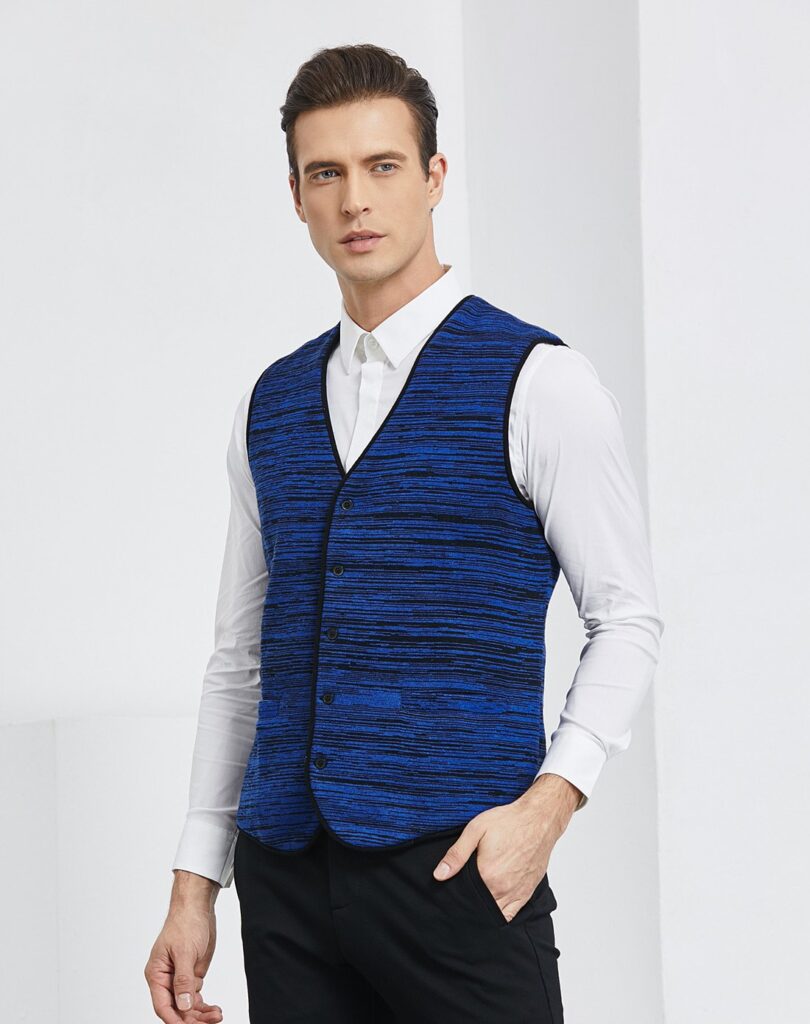
- Fashion vests require clean tailoring and premium finishing.
- Outdoor vests demand weather-resistant materials and functional construction.
A professional vest manufacturer understands these differences and adjusts production methods accordingly.
Key Services You Should Expect
When evaluating manufacturers, look beyond basic sewing capabilities.
A reliable manufacturing partner should provide:
Product Development
The process starts with your design concept. Professional manufacturers help transform sketches or tech packs into production-ready garments by refining measurements, selecting suitable fabrics, and optimizing construction methods.
Fabric Sourcing
Different vest applications require different materials.
Common fabric options include:
- Cotton twill
- Polyester
- Nylon
- Ripstop fabric
- Softshell materials
- Fleece
- Canvas
- Recycled polyester
- Waterproof laminated fabrics
Manufacturers with strong sourcing networks can recommend materials that balance performance, durability, and cost.
Sampling
Before mass production begins, manufacturers create samples for evaluation.
This allows brands to verify:
- Fit
- Comfort
- Construction
- Fabric quality
- Color accuracy
- Logo placement
- Overall appearance
Sampling helps prevent costly mistakes during bulk production.
Custom Branding
Private label services allow businesses to establish their own identity.
Typical branding options include:
- Woven labels
- Printed neck labels
- Hang tags
- Embroidery
- Screen printing
- Heat transfer logos
- Custom packaging
Strong branding helps products stand out in competitive markets.
Quality Control Matters
Even the best designs can fail if production quality is inconsistent.
Professional vest manufacturers implement quality inspections throughout production rather than waiting until the garments are finished.
Quality checks typically include:
- Fabric inspection
- Pattern verification
- Stitch consistency
- Measurement accuracy
- Color consistency
- Logo placement
- Final garment inspection
- Packaging review
Consistent quality protects both your reputation and customer satisfaction.
Low MOQ vs. Large Production Capacity
Many startup clothing brands worry about minimum order quantities (MOQs).
A flexible manufacturer should be able to support businesses at different stages.
For startups, lower MOQs reduce inventory risk and make testing new collections easier.
As brands grow, manufacturers should also have the production capacity to handle larger wholesale orders without compromising quality or delivery schedules.
This scalability allows businesses to continue working with the same manufacturing partner instead of switching factories during expansion.
The Importance of Communication
Manufacturing is a collaborative process.
A responsive factory should provide updates throughout production, including:
- Material confirmation
- Sample progress
- Production schedules
- Quality inspections
- Shipping timelines
Clear communication reduces misunderstandings and keeps projects moving efficiently.
Working with a manufacturer that assigns dedicated account managers can significantly improve the production experience.
Sustainable Manufacturing Is Becoming Essential
Consumers increasingly value responsible production practices.
Many apparel brands now prioritize manufacturers that offer sustainable options such as:
- Organic cotton
- Recycled polyester
- Eco-friendly packaging
- Waste reduction initiatives
- Efficient production planning
Offering sustainable vest collections can strengthen brand positioning while meeting evolving customer expectations.
Why Private Label Manufacturing Creates Long-Term Value
Instead of selling generic products, many brands choose private label manufacturing.
Private label services allow businesses to:
- Build unique collections
- Control product specifications
- Create recognizable branding
- Increase profit margins
- Develop customer loyalty
Rather than competing solely on price, private label brands compete through design, quality, and customer experience.
An experienced vest manufacturer can simplify this process by managing development, production, branding, and packaging under one roof.
Questions to Ask Before Choosing a Vest Manufacturer
Before committing to a supplier, consider asking:
- How many years of apparel manufacturing experience do you have?
- Can you produce custom vest designs?
- What are your minimum order quantities?
- Do you offer OEM and private label services?
- What fabrics do you recommend for my product?
- How long is your production timeline?
- What quality control procedures do you follow?
- Can you handle international shipping?
- Do you provide sampling before bulk production?
The answers will help determine whether the manufacturer is capable of supporting your business goals.
Why Many Brands Choose Monsoon Apparel
For brands looking for a reliable production partner, Monsoon Apparel provides comprehensive apparel manufacturing services designed to simplify the entire production process.
From concept development and fabric sourcing to sampling, private labeling, bulk production, and global shipping, the company supports both startups and established clothing brands. Their flexible minimum order quantities, experienced development team, quality control procedures, and ability to manufacture customized garments make them a practical choice for businesses seeking long-term manufacturing partnerships. Monsoon Apparel also supports OEM, private label production, and sustainable material options while serving customers across more than 60 countries.
Final Thoughts
Selecting the right vest manufacturer is about much more than finding the lowest production cost. The ideal manufacturing partner contributes to product quality, consistent delivery, efficient communication, and long-term brand growth.
Whether you’re launching your first apparel collection or expanding an established business, investing time in choosing an experienced manufacturer can save significant time, money, and resources in the future.
A dependable manufacturing partner helps transform creative ideas into market-ready products that customers trust and return to purchase again.
Get a Quote Now