Choosing the right sock manufacturer is one of the most important decisions for any apparel brand, retailer, distributor, or eCommerce business. Whether you are launching a new product line or expanding an existing collection, your manufacturing partner directly impacts product quality, customer satisfaction, production efficiency, and long-term profitability.
Unfortunately, many businesses focus only on pricing when selecting a sock factory. While cost is certainly an important consideration, it should never be the only factor. A low-cost manufacturer that fails to meet quality standards or delivery schedules can ultimately cost your business far more in lost sales and damaged reputation.
Before committing to a production partner, it is essential to ask the right questions. Doing so helps you evaluate manufacturing capabilities, avoid costly mistakes, and establish a successful long-term partnership.
In this guide, we will explore the most important questions every buyer should ask sock manufacturers before placing an order.
1. What Types of Socks Do You Manufacture?
Not every manufacturer specializes in the same products.
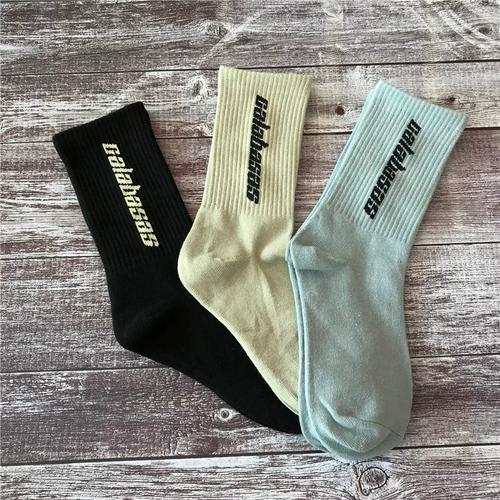
Some factories focus primarily on fashion socks, while others excel in athletic socks, compression socks, work socks, or specialty performance products.
Ask potential manufacturers whether they have experience producing:
- Athletic socks
- Casual socks
- Fashion socks
- Compression socks
- Work socks
- Hiking socks
- Cycling socks
- Grip socks
- Thermal socks
- Children’s socks
A manufacturer with experience in your target category is more likely to understand technical requirements and customer expectations.
2. What Materials Do You Offer?
The materials used in sock production significantly affect comfort, durability, performance, and pricing.
A reliable sock manufacturer should provide multiple material options, including:
Cotton
Cotton remains one of the most widely used sock materials due to its softness and breathability.
Organic Cotton
Organic cotton appeals to environmentally conscious consumers and sustainable apparel brands.
Bamboo Fiber
Bamboo socks offer excellent moisture management and a soft feel.
Merino Wool
Merino wool is commonly used for outdoor, hiking, and premium performance socks.
Recycled Fibers
Many modern brands seek recycled materials to support sustainability initiatives.
Understanding available material options helps ensure your products meet market demands and brand positioning.
3. What Is Your Minimum Order Quantity (MOQ)?
Minimum order quantity is one of the first questions businesses should ask.
MOQ requirements vary significantly between manufacturers.
For startups and emerging brands, lower MOQs can provide several advantages:
- Reduced inventory risk
- Lower upfront investment
- Easier product testing
- Greater flexibility
Larger businesses may prioritize production efficiency and volume discounts.
A manufacturer that offers flexible MOQ options can better support growth at different stages of business development.
4. Can You Create Custom Designs?
Product differentiation has become increasingly important in today’s competitive marketplace.
Ask manufacturers about their customization capabilities.
Key customization services may include:
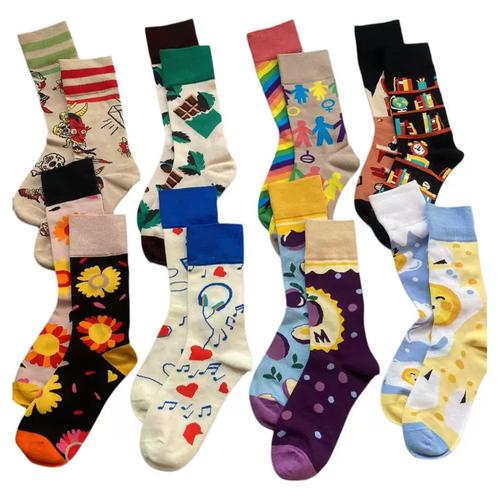
- Custom patterns
- Brand logos
- Jacquard knitting
- Embroidery
- Custom colors
- Unique packaging
- Private labeling
The more customization options available, the easier it becomes to create products that stand out from competitors.
5. Do You Offer OEM and Private Label Manufacturing?
Many businesses prefer to sell products under their own brand name.
OEM (Original Equipment Manufacturing) and private label services allow companies to build brand recognition without operating their own factories.
Ask manufacturers whether they provide:
- Custom branding
- Private label packaging
- Woven labels
- Hang tags
- Retail-ready packaging
These services help create a professional appearance and strengthen customer loyalty.
6. What Is Your Sample Development Process?
Sampling is a critical step before mass production.
A sample allows you to evaluate:
- Product quality
- Fit
- Comfort
- Materials
- Design accuracy
- Construction details
Ask questions such as:
- How long does sample production take?
- How many revisions are included?
- What are the sample costs?
- Can modifications be made before bulk production?
A transparent sampling process reduces risk and improves final product quality.
7. What Quality Control Procedures Do You Use?
Quality control is one of the most important factors in manufacturing success.
A reputable sock manufacturer should have comprehensive inspection procedures throughout production.
These may include:
Raw Material Inspection
Ensuring yarns and materials meet specifications before production begins.
In-Process Inspection
Monitoring production to identify issues before they become larger problems.
Final Product Inspection
Checking finished products for:
- Size consistency
- Stitching quality
- Color accuracy
- Packaging compliance
Strong quality control helps minimize defects and maintain customer satisfaction.
8. What Is Your Production Lead Time?
Understanding lead times is essential for inventory planning.
Production schedules typically depend on factors such as:
- Order quantity
- Product complexity
- Material availability
- Seasonal demand
Ask manufacturers for realistic timelines regarding:
- Sample development
- Production
- Packaging
- Shipping
Reliable lead times help businesses avoid stock shortages and missed sales opportunities.
9. Can You Support Business Growth?
Many brands begin with small orders but eventually require larger production volumes.
A manufacturing partner should be capable of supporting future expansion.
Questions to ask include:
- What is your monthly production capacity?
- Can you scale production during peak seasons?
- How do you handle large orders?
- Do you have multiple production lines?
Scalability is an important factor when selecting a long-term manufacturing partner.
10. What Packaging Options Are Available?
Packaging plays a significant role in customer perception.
Many sock manufacturers offer packaging options such as:
- Custom boxes
- Printed sleeves
- Recyclable packaging
- Hang tags
- Gift packaging
Branded packaging enhances product presentation and helps strengthen market positioning.
11. What Shipping and Logistics Support Do You Provide?
Global sourcing often involves complex logistics.
Ask manufacturers whether they assist with:
- International shipping
- Customs documentation
- Freight coordination
- Packaging compliance
A manufacturer with logistics experience can simplify the supply chain and reduce operational challenges.
Why Choosing the Right Sock Manufacturer Matters
The right manufacturing partner provides more than production capacity.
They contribute to:
- Product quality
- Brand reputation
- Customer satisfaction
- Operational efficiency
- Business growth
Selecting a manufacturer based solely on price often leads to long-term challenges.
Instead, businesses should evaluate expertise, communication, flexibility, quality standards, and scalability.
Why Brands Choose Monsoon Apparel
At Monsoon Apparel, we work closely with businesses around the world to provide reliable custom sock manufacturing solutions.
Our services include:
- OEM sock manufacturing
- Private label production
- Custom design development
- Premium material sourcing
- Flexible MOQ options
- Quality assurance programs
- Custom packaging
- Global shipping support
We help startups, retailers, sports brands, and apparel companies create products that align with their vision while maintaining exceptional quality standards.
Conclusion
Finding the right sock manufacturer requires careful evaluation and thoughtful planning. Asking the right questions before placing an order can help businesses avoid costly mistakes, improve product quality, and establish stronger manufacturing partnerships.
By focusing on experience, customization capabilities, quality control, communication, and scalability, brands can identify manufacturing partners that support long-term success.
A strong partnership with an experienced sock manufacturer creates the foundation for sustainable growth, satisfied customers, and a more competitive position in the global marketplace.