The loungewear industry has evolved rapidly over the past decade, driven by changing consumer lifestyles and a growing demand for comfort-focused fashion. What was once considered casual homewear has now become a core segment of the global apparel market. As we move further into 2026 and beyond, loungewear manufacturers are playing a pivotal role in shaping the future of this category.
For brands looking to stay competitive, understanding where the industry is heading can provide valuable direction for product development and long-term strategy.
The Shift Toward Lifestyle-Driven Apparel
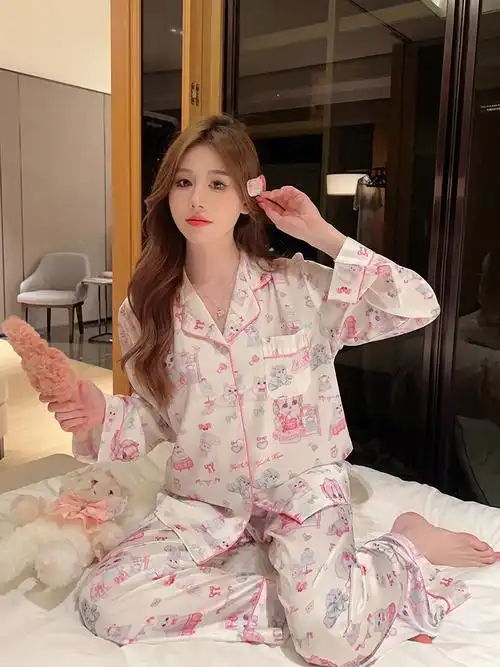
Modern consumers no longer separate their wardrobes into strict categories like workwear, activewear, and homewear. Instead, they prefer versatile clothing that adapts to different aspects of their daily lives.
Loungewear manufacturers are responding to this shift by creating designs that combine comfort with functionality and style. This includes:
- Multi-purpose garments suitable for both indoor and outdoor use
- Elevated basics with refined silhouettes
- Coordinated sets that offer a polished yet relaxed look
This lifestyle-driven approach is redefining how loungewear is designed and marketed.
Sustainability as a Core Priority
Sustainability is no longer just a trend—it has become a fundamental requirement in the fashion industry. Consumers are increasingly making purchasing decisions based on environmental and ethical considerations.
Loungewear manufacturers are investing in sustainable practices such as:
- Using organic and recycled materials
- Reducing water and energy consumption during production
- Implementing eco-friendly dyeing and finishing techniques
- Minimizing waste through efficient manufacturing processes
Brands that collaborate with responsible manufacturers can better align with consumer expectations and build long-term trust.
Partnering with forward-thinking companies like Monsoon Apparel allows brands to incorporate these sustainable practices into their collections while maintaining high quality standards.
Technology Transforming Manufacturing
Technology is reshaping the way loungewear is designed and produced. From concept development to final delivery, digital tools are improving efficiency and accuracy across the entire process.
Key technological advancements include:
- 3D design and virtual prototyping
- Automated cutting and sewing systems
- Data-driven production planning
- Advanced fabric performance testing
These innovations reduce development time, lower costs, and improve consistency. For brands, this means faster turnaround times and the ability to adapt quickly to market trends.
The Rise of On-Demand Production
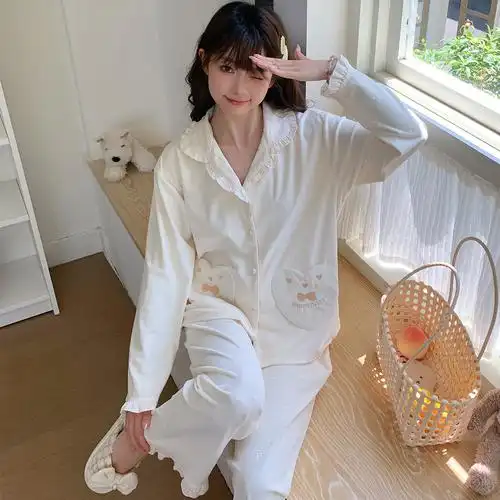
Traditional mass production models often lead to overstock and waste. To address this issue, many loungewear manufacturers are adopting on-demand or small-batch production strategies.
This approach allows brands to:
- Produce based on actual demand
- Reduce excess inventory
- Respond quickly to customer preferences
On-demand production is particularly beneficial for direct-to-consumer brands, as it aligns production closely with sales data and minimizes financial risk.
Globalization and Supply Chain Diversification
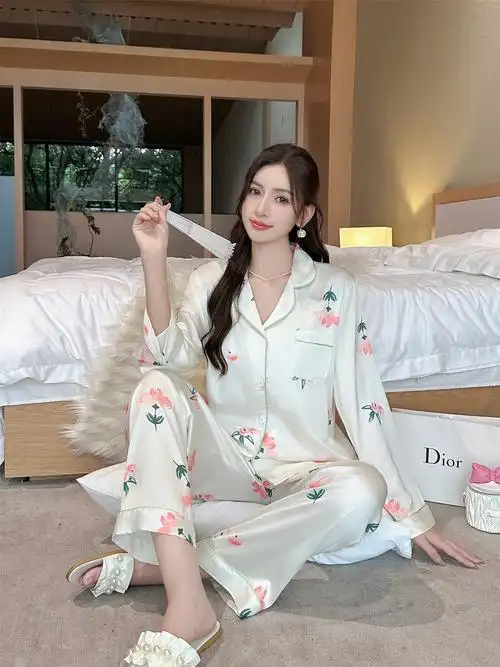
The global nature of the fashion industry means that supply chains are becoming more interconnected. However, recent disruptions have highlighted the importance of flexibility and resilience.
Loungewear manufacturers are adapting by diversifying their supply chains and improving logistics systems. This includes:
- Sourcing materials from multiple regions
- Establishing production facilities in different locations
- Enhancing shipping and distribution networks
For brands, working with manufacturers that have strong global capabilities can provide greater stability and reduce the risk of delays.
Increased Focus on Inclusivity
Inclusivity is becoming a central focus in fashion, and loungewear is no exception. Consumers expect brands to offer products that cater to a wide range of body types and preferences.
Manufacturers are addressing this demand by:
- Expanding size ranges
- Improving fit through better pattern grading
- Designing adaptive clothing for enhanced comfort
This shift not only broadens market reach but also strengthens brand loyalty by making customers feel represented.
Customization and Personalization
As competition increases, brands are looking for ways to stand out. Customization and personalization are becoming key differentiators in the loungewear market.
Manufacturers are offering more flexible solutions, such as:
- Custom colors and prints
- Unique fabric combinations
- Personalized branding elements
These capabilities allow brands to create distinctive collections that resonate with their target audience.
The Growing Importance of Speed and Agility
In today’s fast-paced market, speed is a critical factor. Brands need to move quickly from concept to launch in order to stay relevant.
Loungewear manufacturers are improving agility by:
- Streamlining production processes
- Reducing lead times
- Enhancing communication with clients
This increased efficiency enables brands to respond to trends faster and maintain a competitive edge.
Building Stronger Brand-Manufacturer Partnerships
The future of loungewear manufacturing is not just about production—it’s about collaboration. Successful brands are those that build strong, long-term relationships with their manufacturing partners.
These partnerships are based on:
- Clear communication
- Shared goals and values
- Continuous improvement
By working closely with manufacturers, brands can achieve better results and navigate industry changes more effectively.
Final Thoughts
The future of loungewear manufacturers is defined by innovation, sustainability, and adaptability. As consumer expectations continue to evolve, manufacturers are stepping up to provide solutions that go beyond traditional production.
For brands, staying ahead in this dynamic market requires more than just following trends—it involves choosing the right partners and embracing new ways of working.
By aligning with experienced and forward-thinking manufacturers, you can create products that meet modern demands while positioning your brand for long-term success. In an industry driven by comfort and versatility, those who innovate and adapt will lead the way.