Denim continues to dominate the global fashion industry, making jeans one of the most profitable and consistent product categories for apparel businesses. From luxury fashion houses to startup streetwear labels, denim plays a central role in brand identity and long-term growth.
However, producing high-quality jeans is far more complex than manufacturing basic garments. It requires specialized knowledge, advanced equipment, and a deep understanding of fabric behavior. This is why working with a professional jean manufacturer is essential for brands that want to succeed in the denim market.
In this guide, we will walk through everything you need to know about working with a jean manufacturer, from product development to bulk production.
Why Denim Manufacturing Is Different
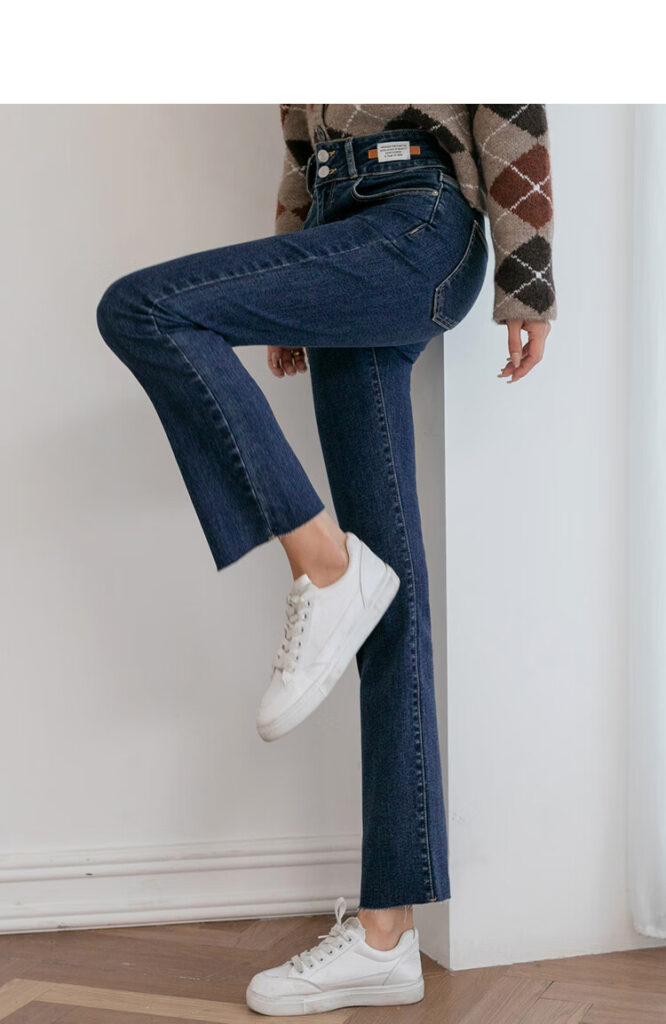
Unlike standard T-shirts or basic apparel, denim production involves multiple technical processes that require expertise.
These include:
- Heavy-duty stitching techniques
- Fabric shrinkage control
- Complex washing processes
- Durable hardware application
- Structured pattern construction
Denim fabric is thicker and less flexible than most materials, which makes precision extremely important during production.
A skilled jean manufacturer understands these challenges and ensures consistency across every stage.
Step 1: Defining Your Denim Product
Before contacting any manufacturer, you should clearly define your product.
Important details include:
- Target audience
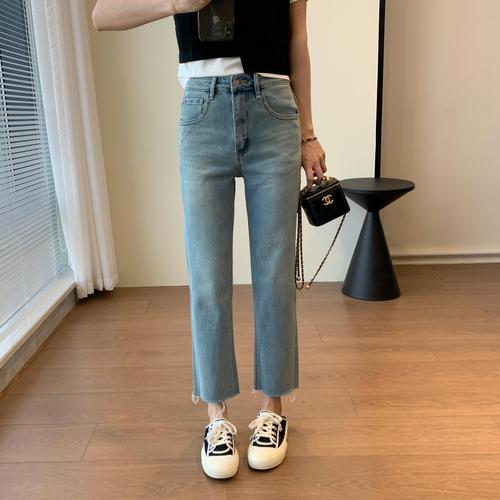
- Fit type (slim, relaxed, straight, etc.)
- Fabric preference
- Wash style
- Branding elements
- Price positioning
Having a clear concept allows manufacturers to provide accurate recommendations and pricing.
Without clear direction, product development may take longer and lead to unnecessary revisions.
Step 2: Fabric Selection
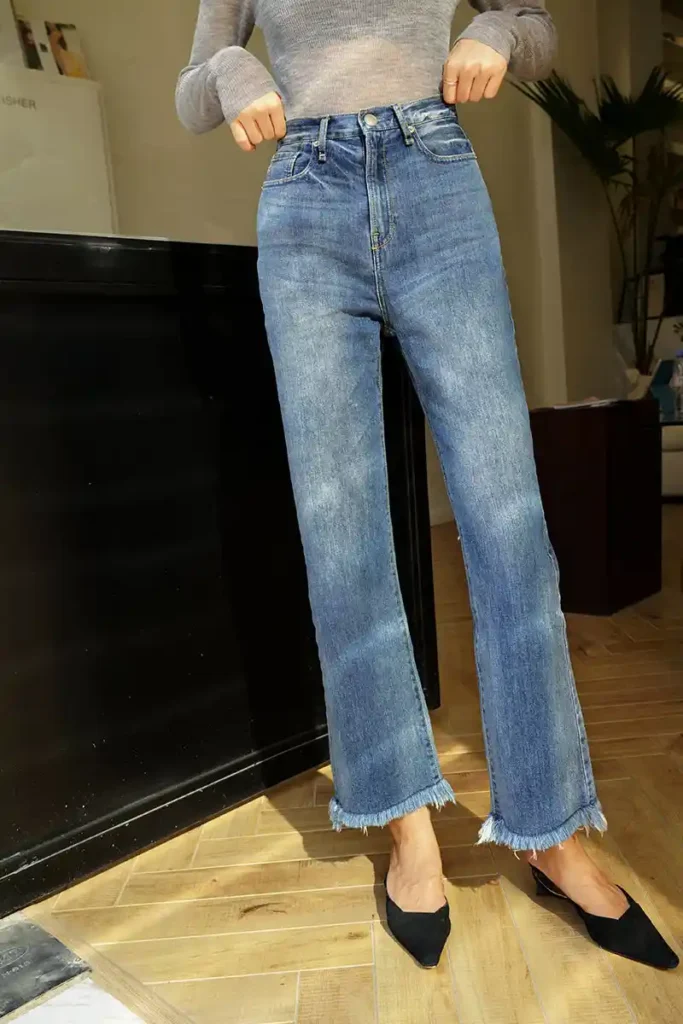
Fabric is one of the most important components of any pair of jeans.
Different fabrics create different experiences for customers.
Common denim options include:
- 100% cotton rigid denim
- Stretch denim blends
- Selvedge denim
- Organic cotton denim
- Recycled denim materials
Each fabric type affects comfort, durability, and appearance.
For example, stretch denim is ideal for slim-fit styles, while rigid denim is often used in premium or vintage collections.
A reliable jean manufacturer should provide fabric samples and explain their characteristics in detail.

Step 3: Sampling and Development
Sampling is a critical stage in denim production.
During this process, manufacturers create prototype garments based on your design.
Sampling allows you to evaluate:
- Fit accuracy
- Fabric performance
- Wash results
- Stitching quality
- Branding placement
Most denim products require multiple sample revisions before final approval.
Although this stage takes time, it helps avoid expensive mistakes in bulk production.

Step 4: Pattern Making and Fit Adjustments
Fit is one of the most important factors for customer satisfaction.
Even small measurement errors can affect comfort and appearance.
Professional jean manufacturers use advanced pattern-making techniques to ensure consistency.
They can help refine:
- Waist measurements
- Rise (high, mid, low)
- Leg shape
- Length proportions
Wear testing is often used to confirm comfort and mobility.
Accurate pattern grading ensures that all sizes maintain consistent proportions.
Step 5: Washing and Finishing
Denim washing is one of the most complex stages of production.
Different techniques create unique styles and textures.
Popular washing methods include:
- Stone wash
- Enzyme wash
- Acid wash
- Vintage wash
- Distressing
- Sanding
Each method affects color, softness, and overall appearance.
An experienced jean manufacturer understands how to control these processes to achieve consistent results.
Poor washing techniques can damage fabric strength or create uneven finishes.
Step 6: Production and Quality Control
Once samples are approved, bulk production begins.
During this stage, quality control becomes extremely important.
Professional manufacturers conduct inspections at multiple stages, including:
- Fabric inspection
- Cutting accuracy
- Stitching quality
- Wash consistency
- Final product checks
Consistent quality ensures that customers receive the same product across all orders.
This builds trust and reduces returns.
Step 7: Branding and Customization
Brand identity plays a major role in denim products.
Customization options may include:
- Leather patches
- Metal buttons and rivets
- Embroidery
- Printed labels
- Custom packaging
These details enhance the perceived value of your product.
A professional jean manufacturer should be able to execute branding elements accurately and consistently.
Step 8: Minimum Order Quantities
Different manufacturers have different minimum order requirements.
Some factories require large quantities, while others offer more flexibility.
Lower minimums allow brands to:
- Test new designs
- Reduce financial risk
- Launch limited collections
As your business grows, you can increase order volume.
Discuss MOQ requirements clearly before starting production.
Step 9: Lead Times and Logistics
Understanding production timelines is essential for planning product launches.
Typical timelines include:
- Sampling: 2–4 weeks
- Production: 4–8 weeks
- Shipping: varies by location
Reliable manufacturers provide clear schedules and updates.
Delays can impact inventory and sales, so communication is critical.
Step 10: Building a Long-Term Partnership
The best apparel brands build long-term relationships with their manufacturers.
This creates several benefits:
- Better pricing
- Faster production
- Improved communication
- Consistent quality
Manufacturers who understand your brand can help improve future collections.
Treat your manufacturer as a strategic partner rather than just a supplier.
Common Mistakes to Avoid
Many brands make avoidable mistakes when working with manufacturers.
These include:
- Skipping the sampling process
- Choosing based on price alone
- Ignoring fabric quality
- Poor communication
- Unrealistic deadlines
Avoiding these mistakes can save time, money, and resources.
Final Thoughts
Working with a professional jean manufacturer is essential for building a successful denim brand.
From fabric selection and fit development to washing techniques and quality control, every stage influences the final product.
Choosing the right partner allows your business to focus on branding, marketing, and growth while ensuring consistent product quality.
At Monsoon Apparel, we support apparel brands with reliable denim manufacturing solutions, helping them create high-quality jeans that meet modern market demands.