
Over the past two guides, we have explored how scrap fabrics are transforming from industrial waste into premium textiles, and how revolutionary micro-factories are reshaping sustainable manufacturing. But the journey of circular fashion does not end on the designer’s cutting table—it comes alive when a garment enters your daily routine.
In 2027, fashion is no longer defined by how fast you can buy into trend cycles. Instead, luxury and style are measured by intentionality, authenticity, and narrative. When you step into a garment made from upcycled deadstock or reclaimed fabric, you are actively participating in a cultural reset. You become the living, breathing showcase for a cleaner, smarter clothing ecosystem.
Here is how to curate, style, and care for an upcycled wardrobe that feels effortless, modern, and deeply personal.
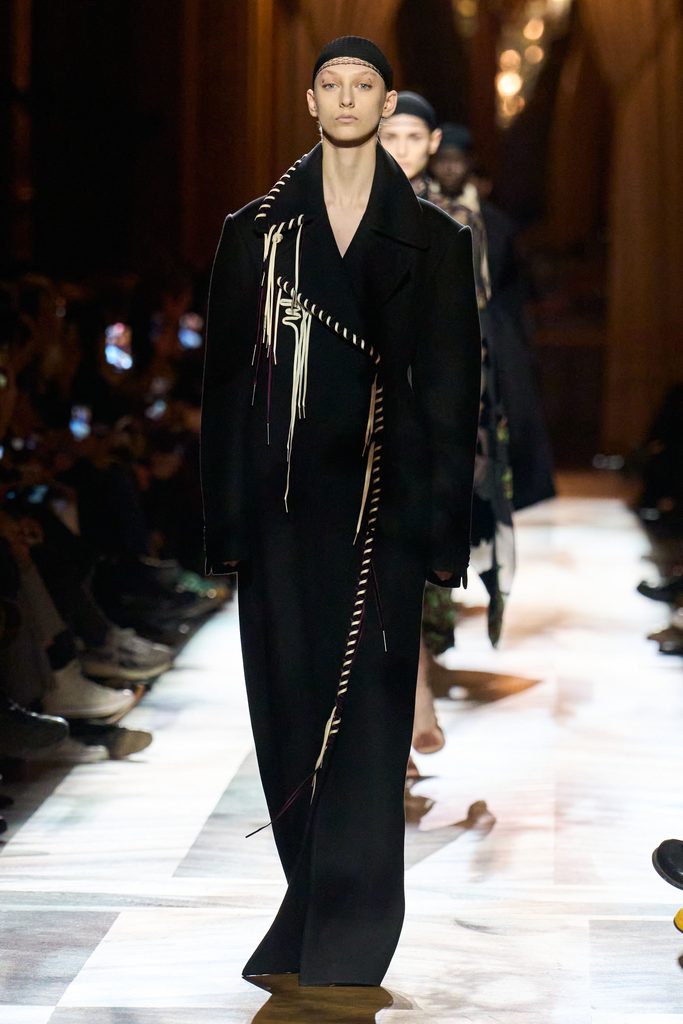
Wearable Storytelling: Finding Meaning in What You Wear
The traditional mass-production model commoditized clothing. Identical items were churned out by the millions, stripping garments of their individuality. Upcycled fashion does the exact opposite: it restores soulful craftsmanship to everyday apparel.
Every scrap of fabric brings a past life into your wardrobe. A color-blocked jacket might combine offcuts from Japanese denim with salvaged organic cotton from an artisan weaver. These subtle differences in texture, tone, and weave create a rich visual rhythm that standard factory dyeing simply cannot replicate.
Wearing these pieces shifts how you feel throughout your day:
- Unique Identity: Because reclaimed materials are limited in supply, your clothing becomes inherently rare. You are unlikely to ever pass someone on the street wearing the exact same piece.
- Conversation Starters: A bold, patched coat or an intricately stitched blouse draws intrigue. It gives you an opportunity to share a meaningful story about resourcefulness and creative design.
- Value Connection: When you know the immense effort required to rescue, sort, and assemble upcycled fabrics, you naturally develop a deeper respect for your clothes.
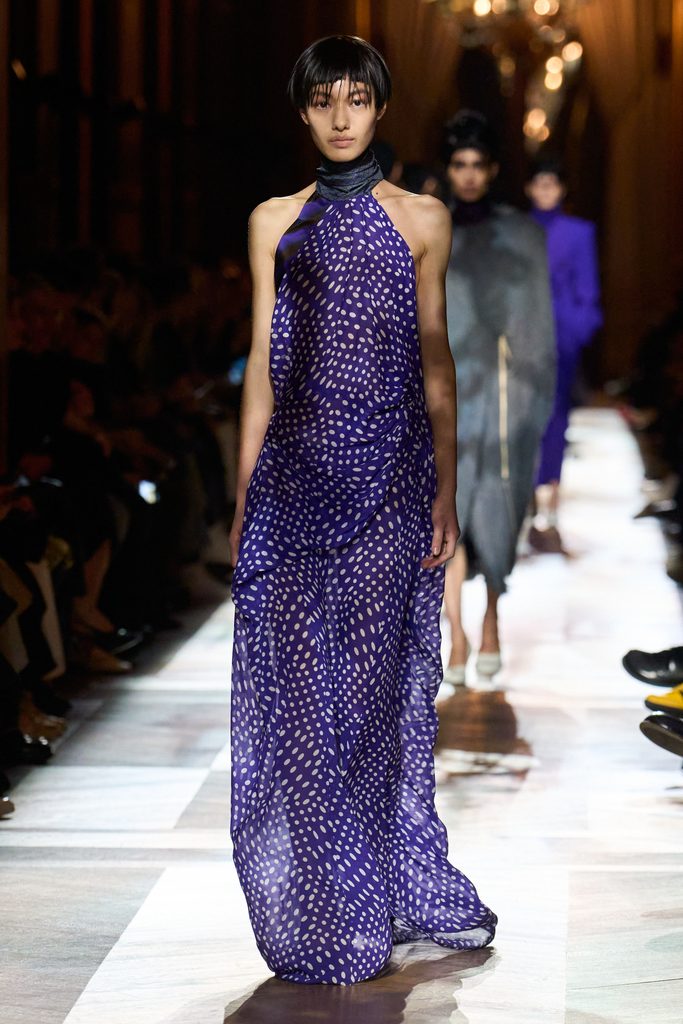
Mastering the Art of High-Low and Contrast Styling
A common misconception about sustainable or upcycled apparel is that it looks overly rustic or unrefined. In reality, the 2027 approach to circular design is sleek, architectural, and effortlessly sophisticated. The secret to styling these pieces lies in balance and contrast.
1. Let the Statement Piece Breathe
Upcycled garments often feature striking patchwork patterns, contrasting topstitching, or mixed fabric textures. When styling a high-impact piece—like an upcycled utility jacket or a multi-tonal skirt—keep the rest of your outfit clean and minimalist. Pair a multi-textured scrap fabric jacket with classic tailored trousers and crisp neutral basics to let the craftsmanship take center stage.
2. Play with Structural Opposites
Combine contrasting textures to create depth. Try pairing a structured, zero-waste outerwear piece with soft, fluid knits. The interplay between rigid reclaimed canvas and fluid regenerated cotton adds sophisticated visual interest to casual everyday wear.
3. Embrace Trans-Seasonal Layering
One of the best ways to maximize a circular wardrobe is through intelligent layering. Designed to be durable and versatile, upcycled shirts and vests can easily transition across seasons. Layer a deadstock cotton button-down under a sleeveless knit during colder months, or wear it open over a lightweight tee when the weather warms up.
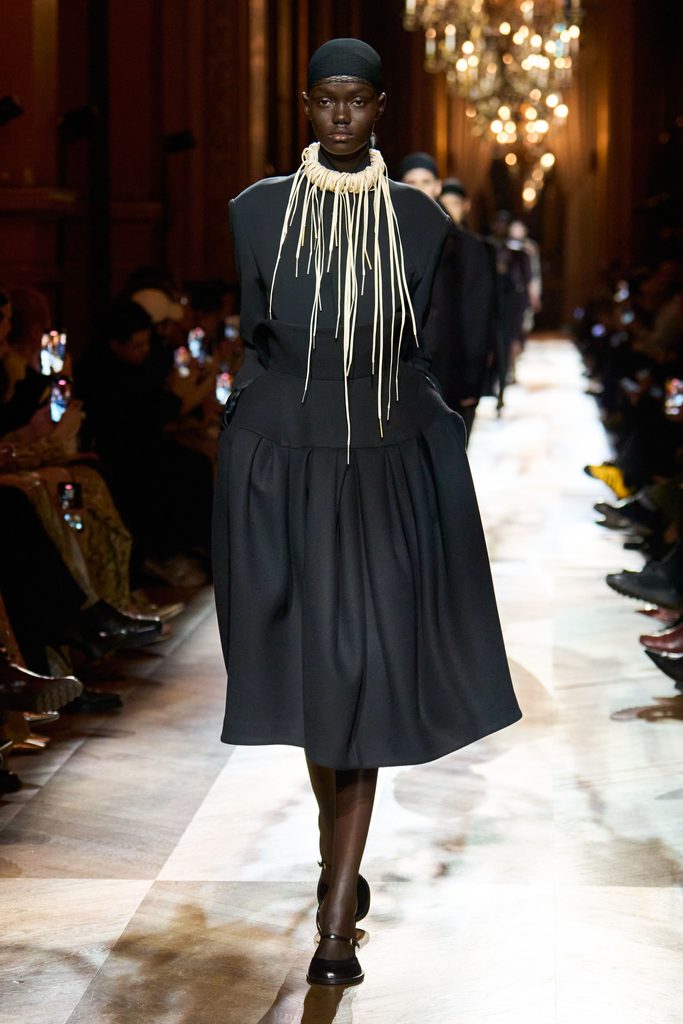
Extending the Life Cycle: Active Garment Care
A truly circular fashion ecosystem requires conscious stewardship from the wearer. Buying a sustainably manufactured garment is the first step; taking care of it ensures that those saved resources remain in active use for years—or even decades—to come.
To keep your upcycled pieces looking exceptional, follow these core garment care principles:
- Wash Less, Wash Cold: Most garments are washed far more often than necessary, which breaks down fibers and fades dyes prematurely. Spot clean small stains when possible, and when a full wash is needed, opt for cold water cycles and gentle eco-friendly detergents.
- Air Dry Over Tumble Dry: Heat from dryers is the leading cause of fiber degradation, shrinkage, and seam stress. Hang drying or laying garments flat to air dry preserves the structural integrity of mixed-fabric constructions.
- Embrace Visible Mending: If a seam softens or a cuff shows wear over time, do not discard the garment. Decorative sashiko stitching, subtle tonal patches, or custom embroidery can repair worn areas while adding a fresh layer of personal story to the piece.
The Future of Fashion Belongs to the Conscious Curator
As we look toward 2027 and beyond, the shift toward circular fashion represents a profound evolution in how we define modern style. We are moving away from mindless consumption and moving toward intentional curation.
By choosing garments crafted from reclaimed scrap fabrics, you are proving that style, quality, and environmental ethics can coexist seamlessly. You are voting for a world where beauty is created from what already exists, where landfills are spared, and where every clothing item carries a story worth telling.
Rewriting the script on fashion starts in the factory, but it reaches its ultimate expression in your closet. Wear your values with pride, care for what you own, and help lead the movement toward a fully circular future.