Choosing the right fabric is one of the most important decisions in apparel production. It affects garment comfort, durability, appearance, manufacturing costs, and the overall quality of finished clothing. As more fashion brands explore alternative materials for their collections, Tencel and bamboo fabric have become two popular options.
Both materials are known for their softness, breathability, and moisture management properties. They are also frequently associated with sustainable clothing and comfortable everyday apparel. However, they differ in fiber production, fabric performance, and suitability for different garment categories.
So, when comparing Tencel vs. bamboo fabric, which material works better for apparel production? Let’s take a closer look at their characteristics, advantages, disadvantages, and practical applications.
1. What Is Tencel Fabric?
TENCEL™ is a branded textile fiber product from Lenzing, primarily referring to its lyocell and modal fibers. TENCEL™ Lyocell is made from wood-based cellulose, commonly sourced from eucalyptus and other suitable wood species.
One of its distinguishing features is its closed-loop production process, in which a high proportion of the processing solvent is recovered and reused.
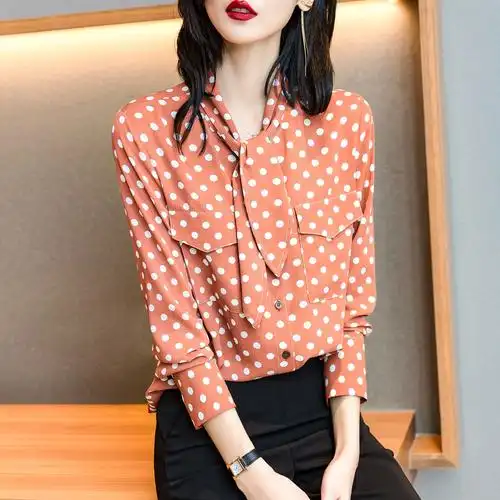
Tencel Lyocell is widely used in clothing because of its smooth surface, excellent drape, and comfortable hand feel.
Common applications include:
- T-shirts and casual tops.
- Dresses and skirts.
- Shirts and lightweight blouses.
- Loungewear and sleepwear.
- Lightweight trousers and casual pants.
For clothing brands developing premium apparel collections, Tencel offers an attractive combination of comfort, appearance, and fabric performance.
2. What Is Bamboo Fabric?
Bamboo fabric is a textile made from bamboo-derived cellulose or bamboo-based fibers.
Most bamboo clothing available commercially is made using regenerated cellulose processes, commonly viscose or rayon. Bamboo can also be processed into lyocell, although this is a different manufacturing route.
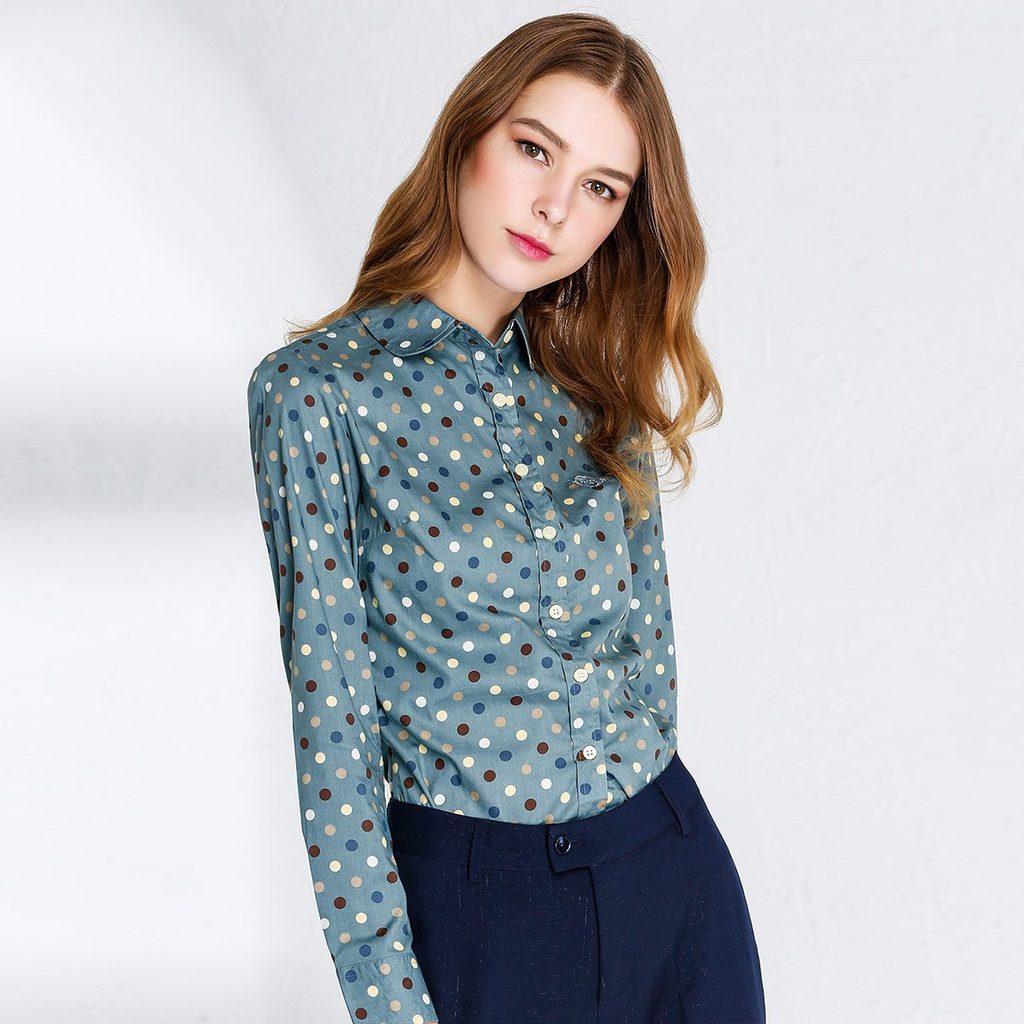
Bamboo viscose is particularly popular because of its soft texture and smooth surface.
Its common applications include:
- Underwear and intimate apparel.
- Pajamas and sleepwear.
- T-shirts and lightweight tops.
- Baby clothing.
- Socks and comfortable loungewear.
Bamboo-based fabrics are often selected by brands looking for soft, lightweight materials with good moisture absorption.
However, buyers should understand that the environmental impact of bamboo fabric depends heavily on how the raw material is processed.
3. Tencel vs. Bamboo Fabric: Key Differences
Although both materials offer a comfortable wearing experience, their performance characteristics are not identical.
| Comparison | Tencel Lyocell | Bamboo Viscose |
|---|---|---|
| Raw material | Wood-based cellulose | Bamboo-based cellulose |
| Manufacturing process | Closed-loop lyocell process | Commonly viscose process |
| Hand feel | Smooth and soft | Soft and silky |
| Breathability | Good | Good |
| Moisture absorption | Good | Good |
| Fabric drape | Smooth and fluid | Soft and flowing |
| Durability | Generally good | Depends on fiber and fabric construction |
| Environmental considerations | Solvent recovery and sourcing practices | Chemical processing and wastewater management |
An important distinction is that TENCEL™ is a branded fiber designation, while bamboo viscose describes a broader category of regenerated cellulose fibers.
The quality of the finished fabric also depends on yarn quality, fabric construction, finishing treatments, and garment manufacturing standards.
4. Which Fabric Offers Better Comfort?
Comfort is a major consideration when selecting materials for apparel production.
Both Tencel and bamboo fabric are popular because they feel soft against the skin.
Tencel Lyocell has a smooth surface and excellent draping properties. It works particularly well for garments that need a lightweight, fluid appearance.
Bamboo viscose is also known for its silky softness, making it attractive for underwear, pajamas, and other garments designed for direct skin contact.
In terms of moisture management, both materials can absorb moisture effectively. However, the actual performance depends on fabric weight, knit or weave construction, and finishing treatments.
For premium casualwear and garments requiring elegant draping, Tencel Lyocell is often a strong option. For soft, comfortable basics and sleepwear, bamboo viscose can also be an excellent choice.
5. Which Material Is More Durable?
Durability is another important factor for clothing brands, particularly those producing bulk apparel orders.
Tencel Lyocell generally offers good fiber strength, including relatively good strength when wet compared with conventional viscose.
Bamboo viscose can also provide satisfactory durability, but its performance varies depending on fiber quality, yarn construction, and fabric finishing.
When evaluating either material, manufacturers and buyers should pay attention to:
- Fabric pilling resistance.
- Dimensional stability after washing.
- Colorfastness.
- Seam strength.
- Fabric shrinkage.
- Resistance to repeated wear and laundering.
It is important not to judge durability based only on the fiber name. Requesting fabric samples and conducting appropriate washing and wear tests before bulk production is a more reliable approach.
6. Which Fabric Is More Sustainable?
Sustainability is an increasingly important consideration in modern apparel manufacturing.
Both Tencel and bamboo-based fabrics originate from plant-derived cellulose. However, being plant-based does not automatically mean that a fabric is environmentally friendly.
TENCEL™ Lyocell is known for its closed-loop solvent recovery system, which helps reduce solvent losses during fiber production. Responsible wood sourcing and manufacturing efficiency are also important considerations.
Bamboo viscose uses bamboo as its raw material, but the conventional viscose process involves chemical treatments that require proper management of wastewater and chemical recovery.
For clothing brands looking to develop more responsible collections, it is important to evaluate the entire supply chain rather than relying on marketing claims.
Useful considerations include:
- Responsible forestry or bamboo sourcing.
- Fiber production methods.
- Chemical management.
- Water and energy consumption.
- Relevant third-party certifications.
- Supplier transparency and traceability.
Brands should also verify that environmental claims are supported by appropriate documentation.
7. Which Fabric Works Better for Different Apparel Products?
The best choice depends on the intended garment and target market.
T-shirts and Casual Tops
Both fabrics can work well for T-shirts. Tencel Lyocell is suitable for premium tops with a smooth drape, while bamboo viscose is popular for soft, comfortable everyday basics.
Loungewear and Sleepwear
Both materials are suitable for sleepwear and loungewear. Bamboo viscose is often chosen for its silky hand feel, while Tencel offers a smooth texture and attractive drape.
Underwear and Intimate Apparel
Bamboo viscose is commonly used in underwear because of its softness and moisture absorption. Tencel blends with elastane are also suitable for products requiring softness and flexibility.
Dresses and Lightweight Shirts
Tencel Lyocell is particularly attractive for dresses, blouses, and shirts because of its fluid drape and refined appearance.
Premium Sustainable Apparel Collections
Both materials can be considered, but brands should evaluate fiber sourcing, manufacturing processes, certifications, and supplier transparency before making sustainability claims.
8. What Should Clothing Brands Consider Before Bulk Production?
Before choosing Tencel or bamboo fabric for a custom apparel order, clothing brands should evaluate several technical specifications.
First, confirm the exact fiber composition. A fabric labeled as bamboo or Tencel may contain additional materials such as cotton, polyester, or elastane.
Second, select the appropriate GSM according to the garment design. Lightweight fabrics are suitable for summer tops and sleepwear, while heavier constructions may work better for structured casual garments.
Third, request fabric samples to evaluate hand feel, stretch, drape, and color.
Finally, test shrinkage, pilling, colorfastness, and dimensional stability before approving bulk production.
Working closely with an experienced apparel manufacturer helps ensure that the selected material is compatible with the garment design and production requirements.
Conclusion
So, Tencel vs. bamboo fabric: which material works better for apparel production?
Both offer valuable advantages for modern clothing brands. Tencel Lyocell is an excellent option for premium garments that require smooth draping, good strength, and a refined appearance. Bamboo viscose is a popular choice for soft, comfortable everyday clothing, especially underwear, sleepwear, and loungewear.
The right choice ultimately depends on your product category, target customers, performance expectations, and sourcing priorities.
At Monsoon Apparel, selecting suitable fabrics is an important part of developing custom clothing collections. Whether you are creating premium T-shirts, comfortable loungewear, or a new private label apparel line, choosing the right material helps establish product quality and strengthen your brand identity.
A successful apparel collection starts with the right fabric, careful product development, and a reliable manufacturing process.