Finding the right sweatpants manufacturer is one of the most important decisions for any clothing brand. While design and marketing often receive the most attention, the quality of your manufacturing partner ultimately determines whether your products meet customer expectations.
A factory that delivers consistent quality, communicates effectively, and supports your business growth can become a valuable long-term partner. On the other hand, choosing the wrong manufacturer may result in production delays, inconsistent quality, unexpected costs, and dissatisfied customers.
Before placing your first order, take time to evaluate potential manufacturers by asking the right questions. The answers will help you identify a partner capable of supporting your business as it grows.
1. How Much Experience Do You Have Manufacturing Sweatpants?
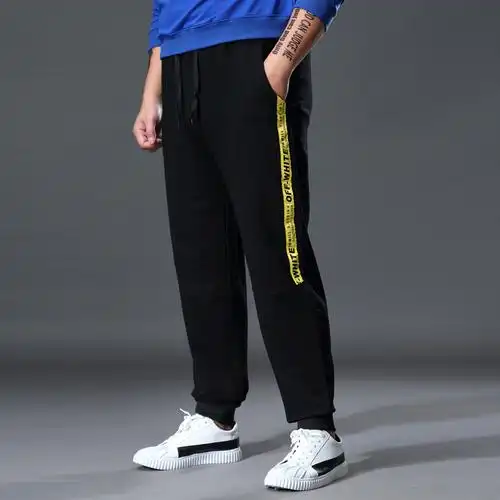
Not every apparel factory specializes in sweatpants. Some focus on T-shirts, while others mainly produce outerwear or sports uniforms.
A manufacturer with extensive experience producing sweatpants is more likely to understand:
- Different fabric behaviors
- Jogger and relaxed-fit construction
- Elastic waistband assembly
- Pocket reinforcement
- Rib cuff installation
- Size grading for different markets
Experienced manufacturers can often identify potential production issues before they become costly problems.
2. What Fabric Options Do You Offer?
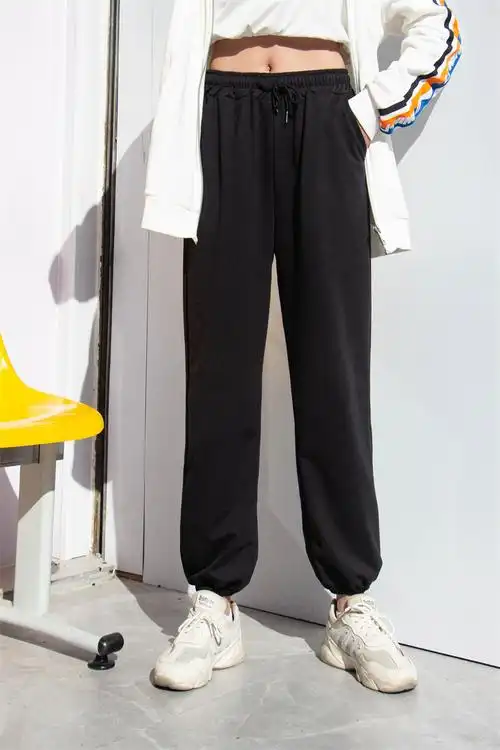
Fabric is one of the most important elements of any pair of sweatpants. It influences comfort, durability, appearance, and customer satisfaction.
Ask whether the manufacturer offers a wide range of materials, such as:
- Cotton fleece
- French terry
- Cotton-polyester blends
- Heavyweight fleece
- Organic cotton
- Recycled polyester
- Performance fabrics
Having multiple options allows your brand to create collections for different climates, customer preferences, and price points.
3. Can You Produce Fully Customized Sweatpants?
Every successful clothing brand develops a unique identity.
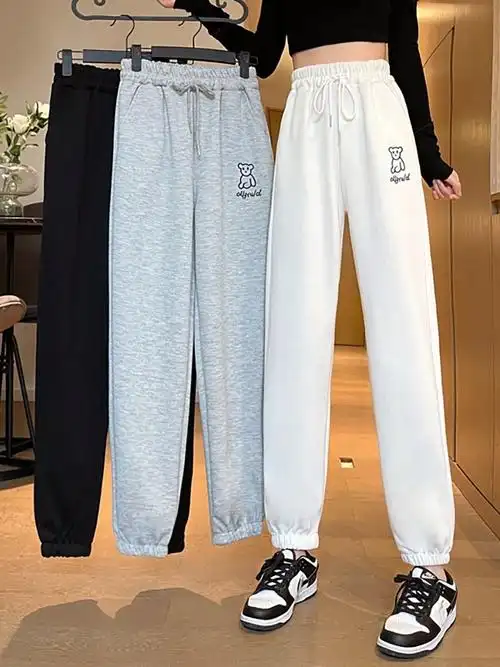
Instead of purchasing standard products, ask whether the manufacturer can customize features such as:
- Fabric weight
- Pant fit
- Pocket design
- Waistbands
- Drawstrings
- Embroidery
- Printing
- Woven labels
- Hang tags
- Packaging
Complete customization helps your products stand out in a competitive marketplace.
4. What Is Your Minimum Order Quantity?
Minimum order quantity (MOQ) directly affects inventory planning and cash flow.
Startups often benefit from lower MOQs because they can:
- Test new designs
- Introduce seasonal collections
- Validate customer demand
- Reduce inventory risk
- Manage budgets more effectively
As your business grows, production volumes can increase without changing suppliers.
5. How Does Your Sampling Process Work?
A sample is your opportunity to evaluate the product before committing to bulk production.
Ask how many sample revisions are available and what details can be adjusted.
During sample evaluation, review:
- Overall fit
- Measurements
- Fabric quality
- Stitching
- Color consistency
- Logo placement
- Comfort
- Overall appearance
Investing time in the sampling stage often prevents costly production errors later.
6. What Quality Control Procedures Do You Follow?
Reliable manufacturers inspect products throughout production rather than waiting until the end.
Ask about inspection procedures for:
- Fabric quality
- Cutting accuracy
- Sewing quality
- Measurements
- Printing
- Embroidery
- Packaging
Consistent quality control helps reduce returns and protects your brand reputation.
7. Can You Provide Private Label Services?
Private label manufacturing allows brands to sell products under their own name while outsourcing production.
Ask whether the manufacturer can provide:
- Custom woven labels
- Printed care labels
- Neck labels
- Hang tags
- Custom packaging
- Poly bags
- Barcode stickers
- Carton labeling
Professional branding creates a stronger impression and improves customer recognition.
8. How Long Does Production Usually Take?
Production lead time affects inventory planning and product launches.
Factors influencing production schedules include:
- Order quantity
- Fabric availability
- Printing techniques
- Embroidery requirements
- Seasonal demand
- Shipping method
Understanding realistic production timelines helps brands plan promotions and product releases with confidence.
9. Can You Support My Brand as It Grows?
Your first production order may be relatively small, but successful brands often expand rapidly.
Choose a manufacturer capable of supporting future growth through:
- Larger production capacity
- Additional product categories
- New color options
- Faster repeat production
- Ongoing product development
A scalable manufacturing partner eliminates the need to switch factories as your business expands.
10. How Do You Communicate With Clients?
Communication plays a major role in successful manufacturing partnerships.
Reliable manufacturers provide regular updates throughout production and respond promptly to client questions.
Good communication includes:
- Clear quotations
- Production updates
- Sample feedback
- Quality reports
- Shipping notifications
- After-sales support
Transparent communication reduces misunderstandings and helps projects move smoothly from development to delivery.
Red Flags to Watch For
While evaluating manufacturers, be aware of warning signs that may indicate future problems.
These include:
- Unclear pricing
- Slow responses to inquiries
- Limited customization options
- No sampling process
- Inconsistent product photos
- Vague production timelines
- Lack of quality control procedures
- Poor communication
Identifying these issues early can save significant time and money.
Why Long-Term Relationships Create Better Results
Many successful clothing brands work with the same manufacturer for years because long-term cooperation improves efficiency and consistency.
As the manufacturer becomes familiar with your products, they can streamline production, recommend material improvements, and ensure repeat orders maintain the same quality standards.
Long-term partnerships also encourage better planning, faster turnaround times, and smoother product development for future collections.
Why Choose Monsoon Apparel?
When selecting a sweatpants manufacturer, experience, flexibility, and quality should all be part of the decision.
Monsoon Apparel works with fashion brands, wholesalers, retailers, and startups worldwide to provide custom sweatpants manufacturing tailored to each client’s needs. The company offers support from product development and sampling to bulk production, private labeling, embroidery, printing, quality inspection, packaging, and international shipping.
With a commitment to consistent craftsmanship, responsive communication, and flexible manufacturing solutions, Monsoon Apparel helps businesses transform ideas into premium sweatpants that reflect their unique brand identity.
Choosing a manufacturer is not simply about comparing prices. It is about building a partnership that supports innovation, product quality, and sustainable business growth. By asking the right questions before production begins, clothing brands can make informed decisions and establish a reliable supply chain that supports success for years to come.