When sourcing custom silk scarves for your fashion brand, boutique, retail business, or private label collection, one of the first decisions you will face is whether to work directly with a silk scarf manufacturer or through a trading company.
Many buyers entering the fashion accessories industry are unfamiliar with the differences between these two sourcing models. At first glance, both may appear to offer similar services, including product development, customization, sampling, and production management. However, the way they operate behind the scenes can significantly impact product quality, pricing, communication, lead times, and long-term business growth.
Understanding the advantages and limitations of each option can help you make a more informed sourcing decision and build a stronger foundation for your brand.
In this guide, we compare silk scarf manufacturers and trading companies to help you determine which approach best suits your business goals.
What Is a Silk Scarf Manufacturer?
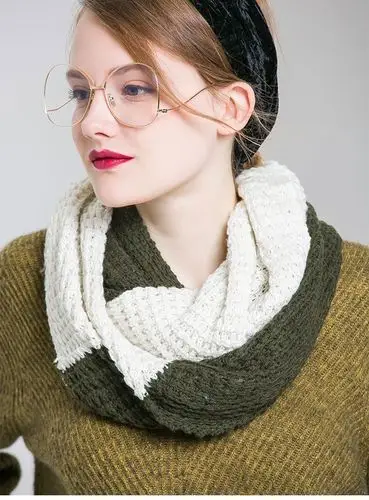
A silk scarf manufacturer is a company that directly produces scarves in its own factory or through controlled production facilities.
Manufacturers are responsible for key production processes such as:
- Fabric sourcing
- Printing
- Cutting
- Sewing
- Finishing
- Quality control
- Packaging
Because manufacturers are directly involved in production, they typically have greater control over quality standards, production schedules, and customization capabilities.
Many manufacturers also offer private label services, helping brands create fully customized products under their own names.
What Is a Trading Company?
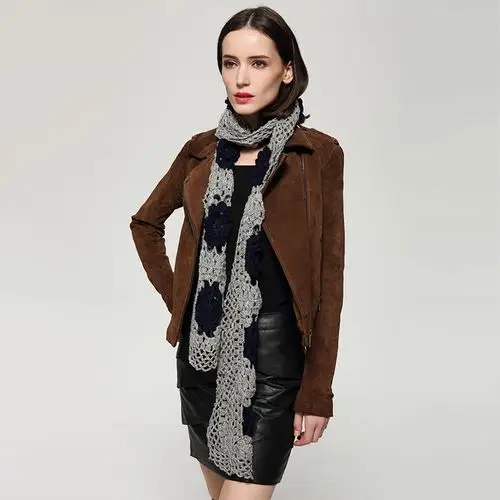
A trading company acts as an intermediary between buyers and factories.
Instead of producing products themselves, trading companies source products from one or multiple manufacturers and manage communication with clients.
Their services may include:
- Supplier sourcing
- Product coordination
- Quotation management
- Export handling
- Production follow-up
- Shipping support
For some buyers, especially those unfamiliar with overseas sourcing, trading companies can simplify the procurement process.
However, working through a middleman also introduces additional considerations.
Comparing Pricing
Price is often one of the most important factors when choosing a sourcing partner.
Working Directly With Manufacturers
When you buy directly from a silk scarf manufacturer, you eliminate intermediary costs.
Benefits include:
- More competitive pricing
- Better profit margins
- Greater pricing transparency
- Lower long-term sourcing costs
Since there are fewer parties involved, manufacturers can often provide more accurate quotations and clearer cost breakdowns.
Working With Trading Companies
Trading companies generally add service fees or markups to factory pricing.
While these additional costs may cover project management and sourcing support, they can reduce profitability for brands operating on tight margins.
For businesses planning long-term production, direct factory relationships often become more cost-effective over time.
Communication and Product Development
Clear communication is essential when developing custom silk scarves.
Manufacturer Advantages
Direct communication with manufacturers often leads to:
- Faster responses
- Better technical discussions
- Quicker problem-solving
- More accurate design implementation
When changes are required, brands can communicate directly with production teams rather than relying on multiple layers of communication.
This can significantly improve efficiency during product development.
Trading Company Challenges
Trading companies must relay information between buyers and factories.
This process may sometimes create:
- Communication delays
- Misunderstandings
- Slower revisions
- Reduced transparency
While experienced trading companies can manage communication effectively, additional layers inevitably increase complexity.
Customization Capabilities
Customization is one of the most important factors for fashion brands seeking unique products.
Professional silk scarf manufacturers often provide extensive customization options, including:
- Custom artwork
- Custom dimensions
- Fabric selection
- Edge finishing
- Woven labels
- Printed labels
- Custom packaging
- Hang tags
Because manufacturers oversee production directly, they can often accommodate specialized requests more efficiently.
Trading companies may offer customization services as well, but their capabilities ultimately depend on the factories they work with.
As a result, flexibility may vary from project to project.
Quality Control Differences
Product quality directly impacts customer satisfaction and brand reputation.
Direct Manufacturer Oversight
Manufacturers can monitor quality throughout production.
Common inspection stages include:
- Fabric inspection
- Printing verification
- Sewing inspections
- Packaging reviews
- Final product checks
This direct oversight helps maintain consistency and allows issues to be addressed quickly.
Trading Company Oversight
Some trading companies perform independent inspections before shipment.
However, because they do not directly control production, their ability to resolve manufacturing issues may be more limited.
For brands focused on premium products, direct factory relationships often provide greater confidence in quality management.
Lead Times and Production Efficiency
Speed matters in today’s fashion industry.
Seasonal collections, product launches, and promotional campaigns all depend on reliable delivery schedules.
Manufacturers
Working directly with manufacturers often allows:
- Faster sample development
- More accurate production timelines
- Better production planning
- Improved scheduling flexibility
Manufacturers have direct visibility into factory workloads and production capacity.
Trading Companies
Trading companies must coordinate with external suppliers before providing updates.
This additional layer can occasionally lead to slower response times and less visibility into production status.
Scalability for Growing Brands
As businesses expand, sourcing requirements often become more complex.
You may eventually need:
- Larger production volumes
- More product variations
- Faster replenishment
- Additional customization options
Manufacturers are generally better positioned to support long-term growth because they can increase production capacity and optimize processes as demand increases.
Developing a direct relationship with a manufacturing partner often creates stronger collaboration and operational stability.
When a Trading Company May Be Useful
Although manufacturers offer many advantages, trading companies can still be beneficial in certain situations.
For example:
New Importers
Businesses with little sourcing experience may appreciate guidance through international procurement processes.
Multi-Product Sourcing
Companies purchasing multiple product categories from different factories may benefit from centralized coordination.
Language and Cultural Support
Some trading companies provide valuable communication assistance when sourcing from unfamiliar regions.
In these cases, the convenience provided by a trading company may justify the additional cost.
Questions to Ask Before Choosing a Supplier
Whether you are evaluating a manufacturer or a trading company, consider asking:
- Do you own your production facility?
- What customization options are available?
- Can you provide production samples?
- What quality control procedures do you follow?
- What is your minimum order quantity?
- What are your typical lead times?
- Can you support future production growth?
- Do you offer private label services?
The answers will help you determine whether the supplier aligns with your business objectives.
Why More Brands Prefer Direct Manufacturing Partnerships
In recent years, many fashion brands have shifted toward direct factory relationships.
Key reasons include:
- Better pricing control
- Greater customization flexibility
- Improved quality management
- Faster communication
- Stronger long-term partnerships
As brands become more focused on differentiation and product quality, direct collaboration with manufacturers often provides a competitive advantage.
Conclusion
Both silk scarf manufacturers and trading companies play important roles in the global sourcing industry. The right choice depends on your business model, sourcing experience, and growth objectives.
However, for brands focused on custom products, private label development, quality control, and long-term scalability, working directly with a silk scarf manufacturer often delivers greater value, transparency, and flexibility.
At Monsoon Apparel, we work directly with fashion brands, retailers, wholesalers, and entrepreneurs to develop premium custom silk scarves through professional manufacturing services. From fabric sourcing and printing to private label branding and quality assurance, our team helps clients create exceptional products while building reliable long-term partnerships.
Whether you are launching a new collection or expanding an established brand, choosing the right manufacturing partner can be one of the most important decisions you make for your business.