
The modern wardrobe is undergoing a massive transformation. For decades, the global apparel industry has operated on a linear model: take, make, and dispose. However, as environmental consciousness reaches an all-time high, a new narrative is being written. We are stepping into an era where “waste” is no longer the end of the line, but rather the beautiful beginning of a new garment.
Welcome to the future of our closets. This is your comprehensive guide to how scrap fabrics are rewriting the script on our bodies, leading the charge into the 2027 circular fashion manufacturing revolution.

The Hidden Treasure in Textile Waste
To understand the future of circular clothing, we first need to look at what we are leaving behind. Every year, millions of tons of perfectly good fabric end up in landfills or incinerators. These are often referred to as “deadstock” or “offcuts”—the excess materials left over from traditional manufacturing processes.
In the past, these scraps were considered unusable simply because they did not fit the mass-production mold. Today, these discarded textiles are recognized as hidden treasures. By intercepting these materials before they become environmental burdens, innovative designers are reducing greenhouse gas emissions, saving millions of gallons of water, and preventing harmful chemical runoffs associated with producing virgin fibers.
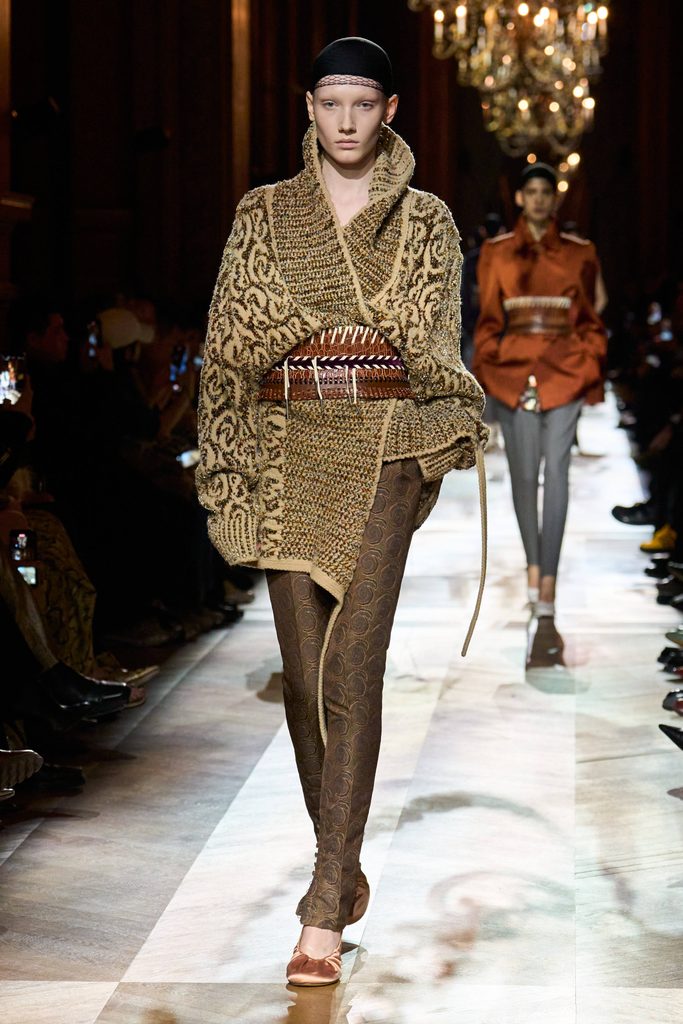
The magic of upcycled fashion lies in its uniqueness. When garments are created from scrap fabrics, no two pieces are exactly alike. Wearing upcycled apparel means you are wearing a limited-edition piece of art—a garment with a history, a purpose, and a distinct personality.
What is Circular Fashion and Why 2027?
Circular fashion goes beyond merely recycling; it is a holistic approach designed to keep resources in use for as long as possible. The goal is to design out waste and pollution entirely. But why is 2027 shaping up to be the landmark year for this movement?
- Technological Advancements: By 2027, the technology used to sort, blend, and re-spin scrap textiles will reach new levels of efficiency, making upcycled garments softer, more durable, and more accessible than ever before.
- Consumer Demand: Today’s consumers are highly educated about their carbon footprints. By 2027, the demand for radical transparency and zero-waste manufacturing is projected to outpace traditional fast fashion.
- Legislative Shifts: Governments worldwide are beginning to implement stricter regulations on textile waste. As we approach 2027, brands will be required to take responsibility for the end-of-life of their garments, pushing circularity from a niche trend to an industry standard.
Rewriting the Script: From Discarded to Desired
Think of a traditional piece of clothing as a short story with a predetermined, often abrupt ending. Circular fashion, on the other hand, is an ongoing epic. By utilizing scrap fabrics, we are quite literally rewriting the script of the garment.
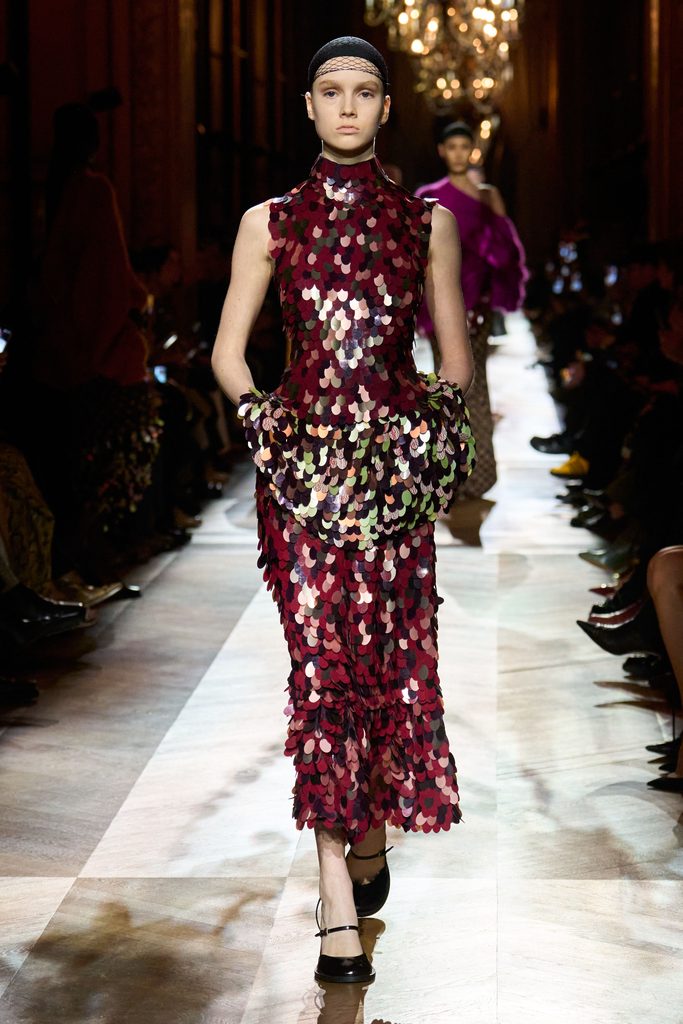
When you put on a jacket or a dress made from upcycled materials, you are wearing a physical manifestation of positive change. The fabric might have started its journey intended for a luxury upholstery line, or it might be a collage of premium cotton offcuts from high-end denim production.
This process requires a fundamental shift in manufacturing:
- Dynamic Pattern Making: Instead of forcing fabric to fit a specific pattern, 2027’s designers allow the available scrap shapes to dictate the final design, resulting in innovative, asymmetrical, and highly creative silhouettes.
- Patchwork and Quilting Renaissance: Traditional techniques are making a futuristic comeback. Expertly curated color-blocking and patchwork are becoming the signature look of modern sustainability.
- Zero-Waste Cutting: Modern laser-cutting and AI-assisted design software help manufacturers utilize up to 99% of a fabric piece, ensuring that even the smallest scraps are transformed into intricate detailing or structural reinforcements.
Building Your Sustainable Wardrobe for the Future
Adopting circular fashion is not just about what manufacturers do; it is about the choices you make as a consumer. Integrating upcycled scrap fabrics into your daily rotation is the most impactful way to support a sustainable future.
When building your wardrobe for 2027 and beyond, look for pieces that celebrate their origins. Embrace the visible seams, the unique color combinations, and the unconventional textures. These are not flaws; they are the hallmarks of authentic, eco-conscious craftsmanship. Furthermore, circular fashion is designed with longevity in mind. Because these garments are often crafted with meticulous attention to detail by skilled artisans rather than mass-produced on an assembly line, they are built to withstand the test of time.
The Next Chapter Begins With You
The transition to a circular fashion economy is not a distant dream—it is happening right now, stitch by stitch. By choosing garments manufactured from scrap fabrics, you are actively participating in rewriting the script of the apparel industry. You are transforming waste into wearable art, and proving that true style does not have to come at the expense of our planet.
As we look toward 2027, the message is clear: the most fashionable thing you can wear is your commitment to a sustainable, circular future.