The global underwear market has become one of the most dynamic sectors within the apparel industry. Consumers are increasingly seeking products that offer superior comfort, premium fabrics, modern designs, and sustainable production practices. As a result, many entrepreneurs and established businesses are launching their own underwear brands to capture a share of this growing market.
One of the most effective ways to enter the industry is by partnering with a private label underwear manufacturer.
Private label manufacturing allows brands to create and sell underwear products under their own name without the expense and complexity of operating a production facility. This business model has helped countless startups and growing companies bring products to market faster while maintaining control over branding and customer experience.
In this guide, we’ll explore how private label underwear manufacturing works, the benefits it offers, and how to choose the right manufacturing partner for your brand.
What Is Private Label Underwear Manufacturing?
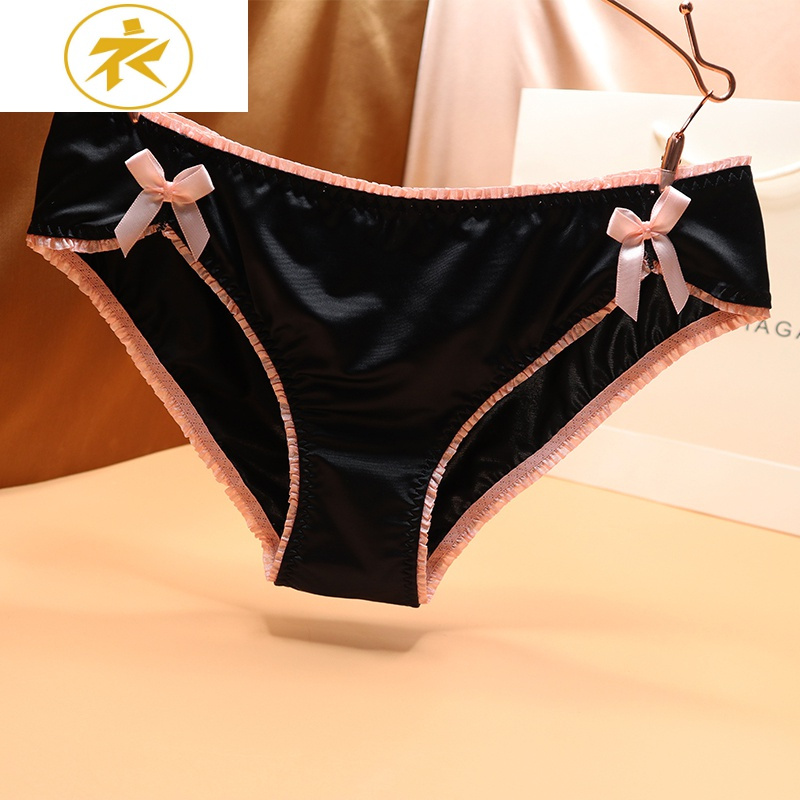
Private label underwear manufacturing refers to the process of producing underwear that is sold under a retailer’s or brand’s own label.
Rather than manufacturing products independently, brands collaborate with an experienced factory that handles production while allowing customization of:
- Brand labels
- Packaging
- Colors
- Fabrics
- Sizes
- Product specifications
The finished products are then marketed and sold under the brand’s identity.
This approach enables businesses to focus on sales, marketing, and customer acquisition while relying on a professional manufacturer for production expertise.
Why Private Label Underwear Is Growing in Popularity
Several factors have contributed to the rapid growth of private label underwear brands.
Lower Startup Costs
Building a manufacturing facility requires substantial investment in:
- Equipment
- Labor
- Quality control systems
- Material sourcing
- Production management
Private label manufacturing eliminates many of these costs, making it easier for entrepreneurs to enter the market.
Faster Product Launches
An experienced underwear manufacturer already has production systems in place.
This allows brands to move from concept to market more efficiently.
Faster launches can help businesses capitalize on emerging trends and consumer demand.
Stronger Brand Identity
Private label products allow businesses to create a unique customer experience through:
- Custom branding
- Distinct packaging
- Exclusive product designs
- Consistent product quality
Over time, these elements contribute to stronger customer loyalty and brand recognition.
Popular Private Label Underwear Categories
Private label manufacturers often support a wide variety of product types.
Men’s Underwear
Popular men’s styles include:
- Boxer briefs
- Trunks
- Briefs
- Boxers
- Athletic underwear
Many brands focus on comfort, support, and performance features when developing men’s collections.
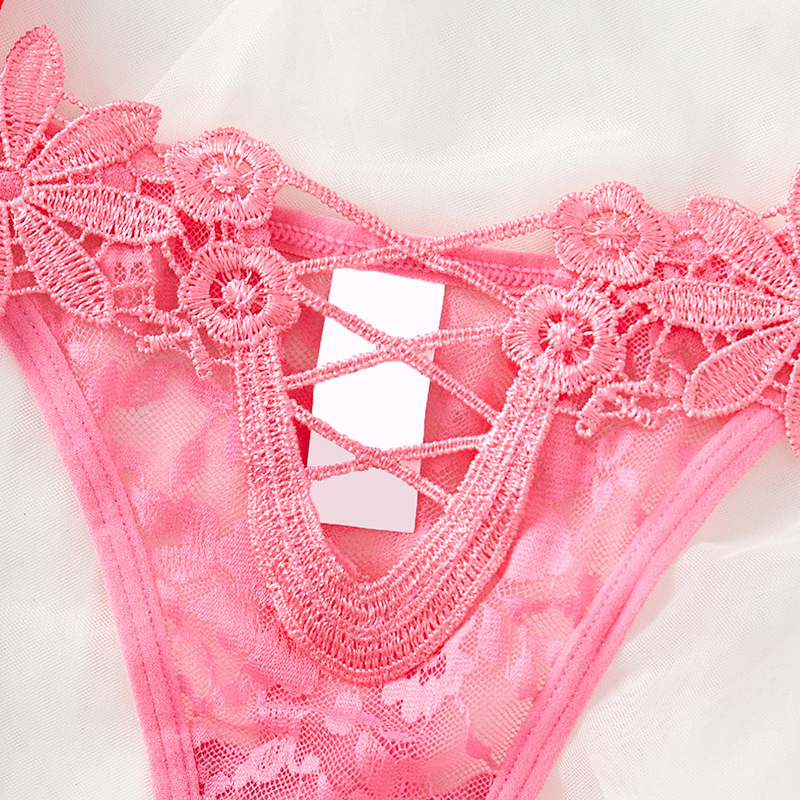
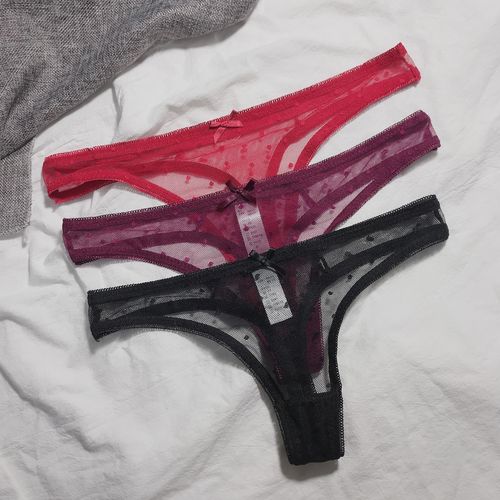
Women’s Underwear
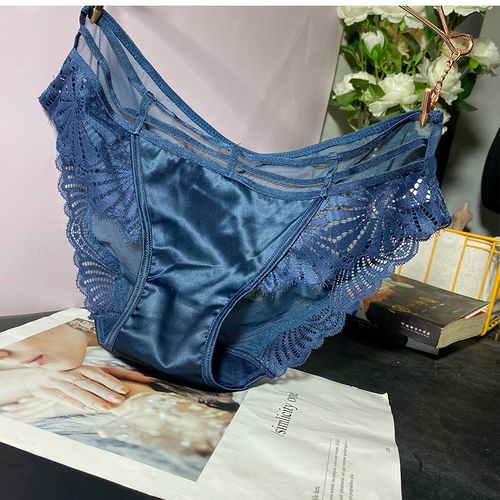
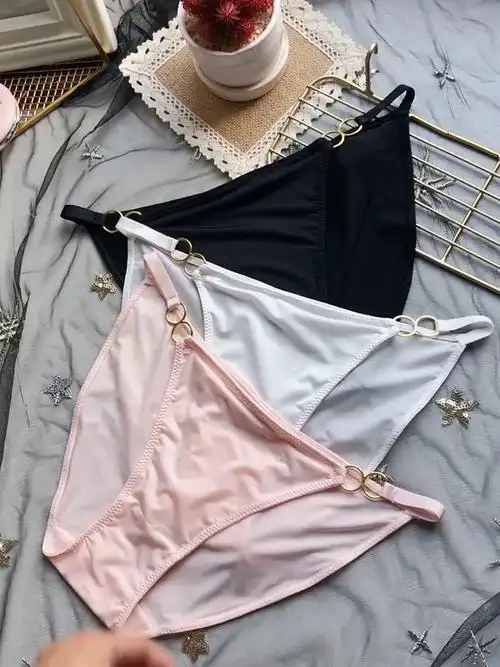
Women’s private label collections may include:
- Briefs
- Hipsters
- Bikinis
- High-rise styles
- Seamless underwear
- Shaping underwear
Fit and comfort remain key purchasing considerations.
Performance Underwear
Active consumers increasingly seek underwear designed for exercise and daily movement.
Performance products often incorporate:
- Moisture-wicking fabrics
- Stretch materials
- Breathable construction
- Lightweight designs
Sustainable Underwear
Environmental awareness continues to influence consumer purchasing behavior.
Many brands now offer collections featuring:
- Organic cotton
- Bamboo fabrics
- Recycled fibers
- Eco-friendly packaging
Sustainable products can help brands appeal to environmentally conscious customers.
The Private Label Development Process
Understanding the development process can help brands prepare for a successful launch.
Step 1: Define Your Brand
Before production begins, brands should establish:
- Target audience
- Product positioning
- Design direction
- Pricing strategy
- Brand values
A clear brand identity helps guide product development decisions.
Step 2: Product Design
Brands determine product specifications such as:
- Fabric selection
- Style details
- Color options
- Fit requirements
- Packaging preferences
Some manufacturers provide design assistance to help refine product concepts.
Step 3: Technical Development
Professional manufacturers often assist with:
- Tech packs
- Pattern making
- Size grading
- Construction planning
These services help ensure product consistency and manufacturing accuracy.
Step 4: Sampling
Samples allow brands to review:
- Fit
- Fabric quality
- Comfort
- Construction
- Branding elements
This stage provides an opportunity to make adjustments before bulk production.
Step 5: Production
After sample approval, bulk manufacturing begins.
Experienced factories implement quality control procedures throughout production to maintain consistency.
Step 6: Packaging and Branding
Private label products typically include:
- Woven labels
- Printed labels
- Branded packaging
- Custom inserts
- Hang tags
These details help create a professional and memorable customer experience.
Choosing the Right Fabric for Private Label Underwear
Fabric selection is one of the most important factors influencing product quality and customer satisfaction.
Cotton
Cotton remains a popular choice because of its comfort and breathability.
Organic Cotton
Organic cotton appeals to consumers seeking natural and environmentally responsible products.
Modal
Modal is widely used in premium underwear due to its silky texture and excellent softness.
Bamboo
Bamboo blends offer exceptional comfort and moisture management.
Performance Fabrics
Many athletic underwear products incorporate technical fabrics designed to improve airflow and stretch.
Manufacturers with strong sourcing networks can help brands select materials that align with their goals and market positioning.
Why Quality Control Matters
Consistent quality is essential for building customer trust.
Professional underwear manufacturers typically implement multiple inspection stages.
Raw Material Inspection
Materials are evaluated before production begins.
In-Line Quality Checks
Products are inspected throughout manufacturing.
Final Inspection
Finished garments undergo detailed reviews before shipment.
Strong quality assurance procedures help reduce defects and improve customer satisfaction.
Low MOQ Manufacturing for New Brands
Many entrepreneurs launch their underwear brands with limited budgets.
Low MOQ production provides several benefits:
- Lower financial risk
- Easier inventory management
- Faster market testing
- More product flexibility
Brands can validate demand before investing in larger production runs.
As sales grow, production volumes can increase accordingly.
What to Look for in a Private Label Underwear Manufacturer
Choosing the right manufacturing partner is essential.
When evaluating suppliers, consider:
Industry Expertise
Select a manufacturer with proven experience in underwear production.
Product Development Support
Look for services such as:
- Sampling
- Pattern making
- Fabric sourcing
- Technical guidance
Production Flexibility
Manufacturers offering both low MOQ and large-scale production can better support long-term growth.
Quality Assurance
Reliable quality control systems are critical for maintaining consistency.
Communication
Transparent communication helps prevent production delays and misunderstandings.
Scaling Your Underwear Brand
Private label manufacturing provides a strong foundation for growth.
As your business expands, an experienced manufacturing partner can help:
- Increase production capacity
- Launch new product categories
- Improve operational efficiency
- Support international expansion
Scalable manufacturing solutions enable brands to grow while maintaining quality standards.
The Future of Private Label Underwear
Consumer demand continues to evolve toward products that combine comfort, quality, sustainability, and unique branding.
Brands that invest in strong manufacturing partnerships will be better positioned to meet these expectations and compete effectively in the marketplace.
Private label manufacturing offers the flexibility needed to adapt to changing trends while maintaining full ownership of brand identity.
Final Thoughts
Launching a private label underwear brand is an exciting opportunity in today’s growing apparel market. With the right manufacturing partner, businesses can create high-quality products, establish a recognizable brand, and scale efficiently over time.
At Monsoon Apparel, we help brands develop premium private label underwear collections through custom manufacturing, product development, fabric sourcing, sampling, branding solutions, and scalable production services. Our team works closely with clients to transform ideas into market-ready products that deliver comfort, quality, and long-term business value.