The global baby apparel market continues to expand as parents increasingly seek high-quality, comfortable, and stylish clothing for their children. For entrepreneurs and established apparel businesses alike, private label baby clothing presents an excellent opportunity to build a unique brand without investing in their own manufacturing facilities.
Private label manufacturing allows brands to focus on design, marketing, and customer relationships while relying on an experienced production partner to handle sourcing, development, and manufacturing. Whether you are launching a new babywear brand or expanding your existing product range, understanding the private label manufacturing process is essential for long-term success.
This guide explores everything you need to know about private label baby clothing manufacturing and how the right manufacturing partner can help bring your vision to market.
What Is Private Label Baby Clothing Manufacturing?
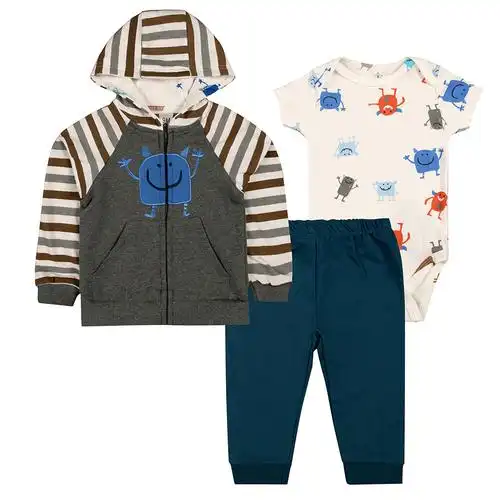
Private label baby clothing manufacturing refers to the process of producing garments that are manufactured by a third-party factory but sold under your own brand name.
Instead of building and operating a production facility, brands work with a specialized manufacturer who produces products according to their specifications. The finished garments feature the brand’s custom labels, packaging, and branding elements.
This business model allows companies to create a professional and recognizable babywear brand while minimizing operational complexity and startup costs.
Why Private Label Babywear Is Growing in Popularity
Parents today are looking for more than basic baby clothing. They seek products that combine comfort, safety, sustainability, and modern design.
As consumer preferences evolve, many entrepreneurs are launching niche babywear brands focused on:
- Organic baby clothing
- Sustainable baby apparel
- Premium newborn collections
- Gender-neutral baby fashion
- Seasonal baby clothing
- Boutique babywear
- Personalized baby products
Private label manufacturing enables brands to enter these markets quickly while maintaining control over their brand identity.
Benefits of Private Label Baby Clothing Manufacturing
Faster Market Entry
Developing an apparel manufacturing operation from scratch requires substantial investment, expertise, and infrastructure.
By partnering with an experienced baby clothing manufacturer, brands can significantly reduce development timelines and focus on launching products faster.
Lower Initial Investment
Private label manufacturing eliminates many of the costs associated with owning production facilities, including:
- Equipment purchases
- Factory management
- Staffing costs
- Material sourcing infrastructure
- Production compliance systems
This makes private label manufacturing particularly attractive for startups and small businesses.
Professional Production Expertise
Baby clothing requires specialized knowledge that differs from adult apparel production.
Experienced manufacturers understand:
- Infant garment sizing
- Fabric safety requirements
- Soft-touch finishing techniques
- Child-safe trims and accessories
- International compliance standards
This expertise helps ensure product quality and customer satisfaction.
Flexible Production Options
Many modern manufacturers offer low minimum order quantities (MOQs), making it easier for emerging brands to test new products and collections without excessive inventory risk.
Key Products in Private Label Babywear Collections
A successful baby clothing brand typically includes a variety of essential products.
Popular categories include:
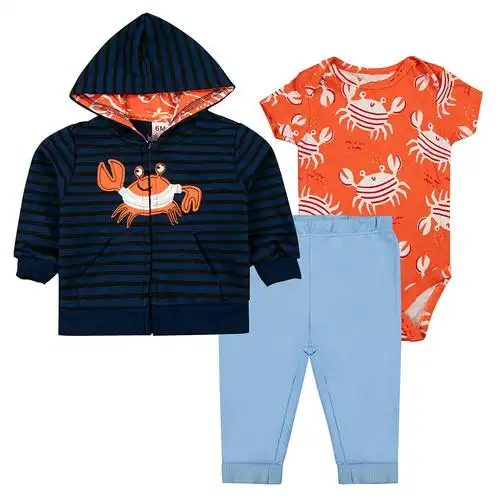
Baby Bodysuits
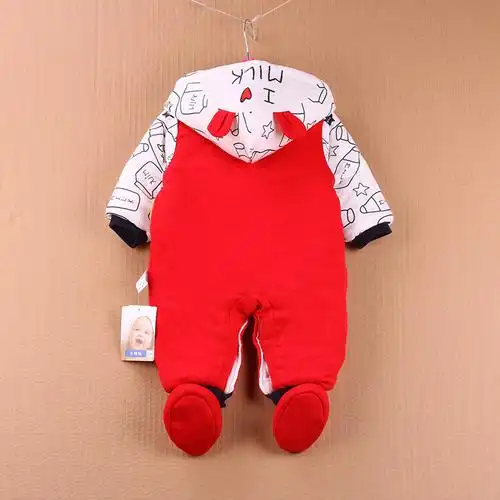
Bodysuits remain one of the most popular infant garments due to their practicality and versatility.
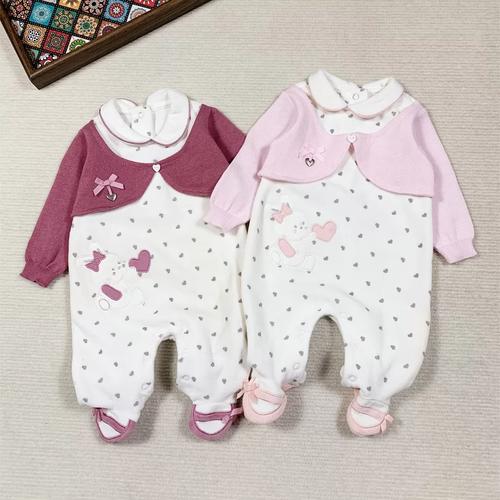
Rompers
Comfortable and stylish rompers are widely used for both everyday wear and special occasions.
Sleepwear
Parents prioritize soft and safe sleepwear that provides comfort throughout the night.
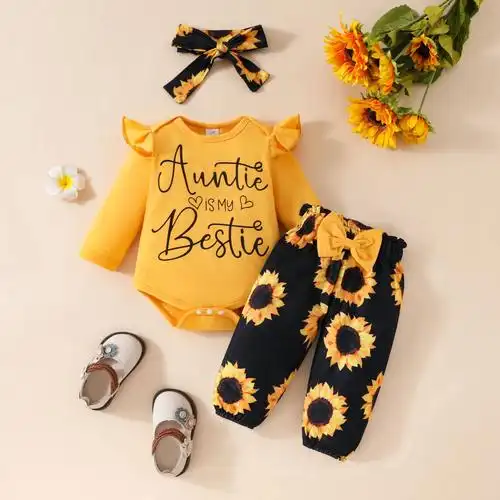
Baby Sets
Coordinated sets often include tops, bottoms, hats, or bibs, providing convenience for parents.
Baby Dresses and Outfits
Fashion-focused brands often include seasonal dresses and special occasion apparel in their collections.
Newborn Essentials
Newborn collections may feature:
- Swaddles
- Hats
- Mittens
- Receiving blankets
- First outfits
Offering a comprehensive product range can help increase customer loyalty and average order value.
Choosing the Right Fabrics
Fabric selection is one of the most important aspects of baby clothing manufacturing.
Parents are increasingly paying attention to material quality, making fabric choice a key selling point.
Organic Cotton
Organic cotton remains one of the most sought-after materials in baby apparel.
Benefits include:
- Breathability
- Softness
- Reduced exposure to chemicals
- Comfort for sensitive skin
Bamboo Blends
Bamboo fabrics are known for their luxurious softness and moisture-management properties.
Sustainable Fabrics
Eco-conscious consumers continue to drive demand for sustainable textile options.
Brands that incorporate environmentally responsible materials often strengthen their market positioning and appeal to modern parents.
The Private Label Manufacturing Process
Understanding the production journey can help brands make better decisions throughout development.
Step 1: Product Concept Development
The process begins with defining your collection, including:
- Product categories
- Target audience
- Design concepts
- Fabric preferences
- Price positioning
Step 2: Tech Pack Creation
A tech pack serves as the blueprint for production.
It typically includes:
- Measurements
- Construction details
- Material specifications
- Color references
- Label placement
- Packaging instructions
Step 3: Sampling
Manufacturers create samples for review before production begins.
This stage allows brands to evaluate:
- Fit
- Fabric quality
- Construction
- Design accuracy
Step 4: Production
Once samples are approved, bulk manufacturing begins.
Professional factories implement quality control procedures throughout the production process to maintain consistency.
Step 5: Branding and Packaging
Private label products typically include:
- Custom woven labels
- Printed labels
- Hang tags
- Branded packaging
- Custom inserts
These elements help establish a strong and recognizable brand identity.
Quality Control in Baby Clothing Manufacturing
Quality assurance is particularly important for baby apparel because products are used by infants with sensitive skin and unique safety needs.
Reliable manufacturers conduct multiple inspections throughout production, including:
- Raw material inspections
- Cutting inspections
- Sewing quality checks
- Measurement verification
- Final product evaluations
- Packaging inspections
Strong quality control systems help reduce defects and improve customer satisfaction.
How to Choose a Private Label Baby Clothing Manufacturer
When selecting a manufacturing partner, consider the following factors:
Industry Experience
Choose a factory with proven experience in babywear production.
Product Development Support
Look for manufacturers that offer:
- Pattern making
- Sampling
- Fabric sourcing
- Technical guidance
Flexible MOQs
Lower minimum order quantities allow brands to launch collections with reduced financial risk.
Scalability
Your manufacturer should be able to support future growth as order volumes increase.
Communication
Clear communication and transparent production processes contribute significantly to successful partnerships.
Final Thoughts
Private label baby clothing manufacturing provides an efficient and scalable path for entrepreneurs looking to build a successful babywear brand. By partnering with an experienced manufacturer, brands can focus on creativity, marketing, and customer engagement while ensuring consistent product quality.
From product development and fabric sourcing to sampling, production, and branding, the right manufacturing partner plays a critical role in transforming ideas into market-ready products.
At Monsoon Apparel, we work closely with emerging and established babywear brands to deliver high-quality private label manufacturing solutions. Our team supports every stage of the process, helping brands create premium baby clothing collections that meet modern market demands and exceed customer expectations.