The global demand for high-quality school uniforms continues to grow as schools place greater emphasis on creating a professional learning environment. For importers, wholesalers, distributors, retailers, and school uniform brands, choosing the right manufacturing model is just as important as selecting the right supplier.
When searching for a school uniform manufacturer, you will often encounter two common terms: OEM (Original Equipment Manufacturer) and ODM (Original Design Manufacturer). While both models involve custom manufacturing, they serve different business needs and offer unique advantages.
Understanding the differences between OEM and ODM manufacturing can help you reduce development costs, shorten lead times, and build a more competitive product line.
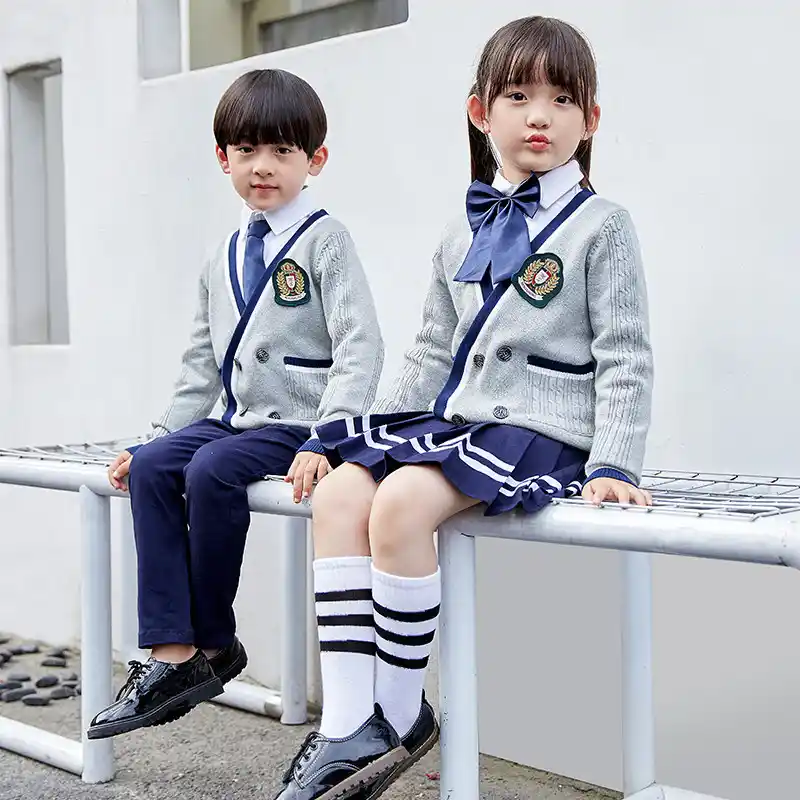
Understanding OEM Manufacturing
OEM manufacturing is designed for businesses that already have their own product ideas, technical specifications, or brand identity.
In an OEM partnership, the customer provides the design, while the manufacturer is responsible for turning those ideas into finished products.
Typical OEM projects may include:
- Custom uniform designs
- Exclusive fabric selections
- School-specific colors
- Unique size charts
- Private-label branding
- Custom packaging
- Personalized embroidery
OEM manufacturing is ideal for companies that want complete control over their products while benefiting from the production capabilities of an experienced garment factory.
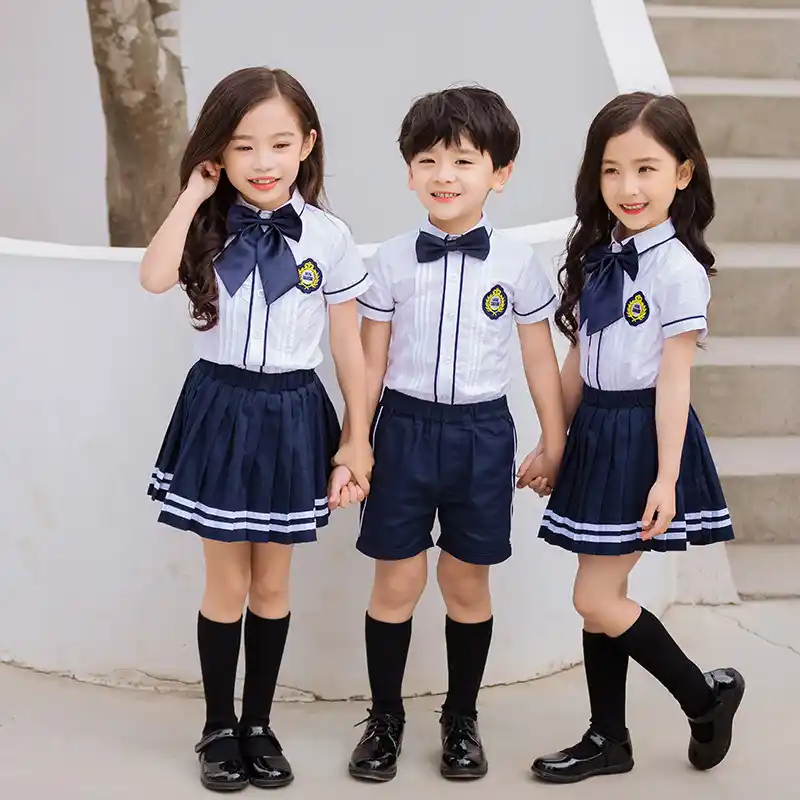
What Is ODM Manufacturing?
ODM manufacturing offers a different approach.
Instead of starting from scratch, customers choose from the manufacturer’s existing designs and then customize selected elements to match their branding.
These customizations often include:
- School logos
- Color combinations
- Labels
- Packaging
- Accessories
- Minor design adjustments
Because the basic product has already been developed, ODM projects generally require less development time and lower upfront investment.
This makes ODM an attractive option for businesses launching new product lines or entering the school uniform market for the first time.
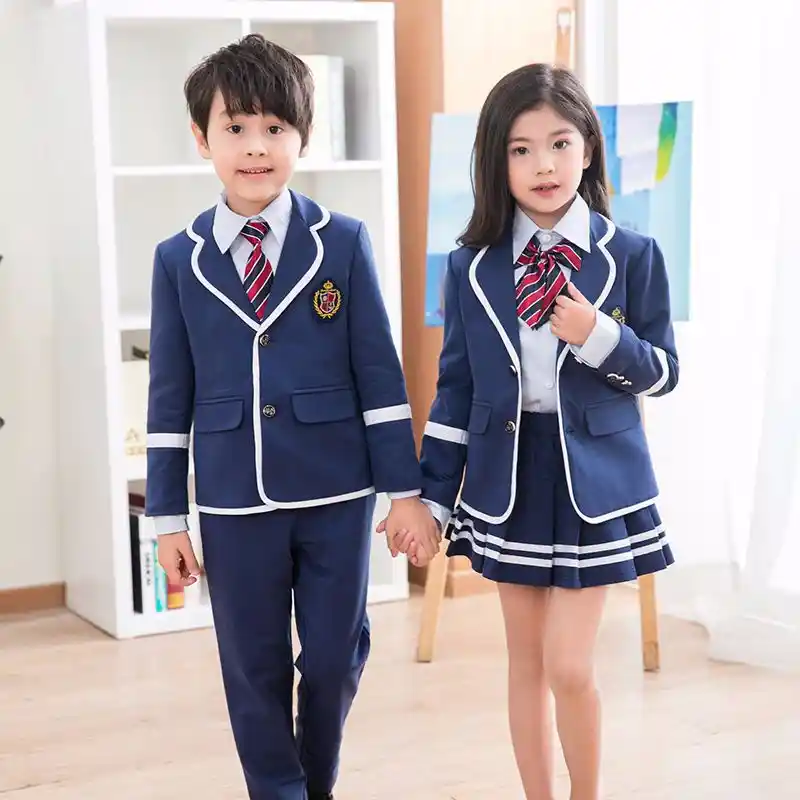
Comparing OEM and ODM Manufacturing
Although both models provide customization, they differ in several important areas.
Product Development
OEM projects begin with the customer’s original concept.
ODM projects begin with the manufacturer’s existing designs.
Development Time
OEM production usually requires additional time for product development, sampling, and testing.
ODM manufacturing can move much faster because the product structure already exists.
Investment
OEM generally involves higher initial development costs due to pattern making and product engineering.
ODM typically requires a lower investment, making it suitable for businesses with limited budgets.
Brand Differentiation
OEM offers greater flexibility and allows companies to create exclusive products that strengthen their brand identity.
ODM provides a faster route to market while still allowing meaningful customization.
Which Businesses Benefit Most from OEM?
OEM manufacturing is particularly suitable for:
- Established school uniform brands
- Large distributors
- National school uniform suppliers
- Government procurement projects
- Franchise uniform programs
These customers often require unique products that cannot be sourced from standard catalogs.
OEM also supports long-term brand development by giving businesses full control over product specifications.
When ODM Is the Better Choice
ODM is often the preferred solution for:
- New businesses
- Local retailers
- Small wholesalers
- Start-up uniform brands
- Regional school suppliers
Since the manufacturer already has proven designs, buyers can focus on branding and sales instead of product development.
ODM allows companies to enter the market more quickly while maintaining professional product quality.
Why Manufacturing Experience Matters
Whether choosing OEM or ODM, the manufacturer’s experience remains one of the most important factors.
A professional school uniform manufacturer understands:
- Children’s garment construction
- School dress standards
- Fabric performance
- International sizing
- Bulk production management
- Export logistics
Experienced factories also anticipate production challenges before they affect delivery schedules.
Fabric Selection Is Critical
The quality of a school uniform depends heavily on fabric performance.
Professional manufacturers offer fabrics selected specifically for educational environments.
Common options include:
Cotton-Polyester Blends
These fabrics combine comfort with durability and are widely used for shirts and polo shirts.
Twill Fabrics
Suitable for trousers and skirts due to their excellent strength and wrinkle resistance.
Knitted Fabrics
Frequently used for sweaters, cardigans, and sportswear.
Performance Materials
Moisture-wicking and quick-drying fabrics are increasingly popular for physical education uniforms.
Selecting the right fabric improves both student comfort and garment longevity.
Custom Branding Opportunities
Today’s schools want uniforms that represent their identity.
An experienced manufacturer can provide branding services including:
- High-quality embroidery
- Woven labels
- Printed neck labels
- Custom buttons
- School badges
- House color trims
- Personalized packaging
These details create a distinctive and professional appearance while strengthening brand recognition.
Quality Assurance Throughout Production
Reliable manufacturers implement quality control during every production stage.
Inspection procedures commonly include:
- Raw material inspection
- Fabric color verification
- Pattern accuracy checks
- Sewing inspections
- Logo placement verification
- Measurement testing
- Final appearance checks
- Packaging inspection
These quality management practices help reduce production errors, improve consistency, and ensure products meet customer expectations. Independent testing and inspection are widely recognized as important parts of apparel manufacturing quality assurance. (sgs.com)
Global Shipping Support
Manufacturing is only one part of the sourcing process.
Professional suppliers also assist customers with:
- Export documentation
- Carton labeling
- Freight coordination
- Customs paperwork
- Container loading
- Delivery scheduling
Comprehensive logistics support simplifies international purchasing and reduces potential shipping issues.
Why Partner with Monsoon Apparel?
At Monsoon Apparel, we provide both OEM and ODM manufacturing solutions for customers around the world. Whether you have a fully developed product concept or need assistance creating a complete school uniform collection, our experienced team is ready to support your project.
We manufacture a wide range of products, including polo shirts, formal shirts, skirts, trousers, shorts, blazers, sweaters, jackets, hoodies, sports uniforms, tracksuits, and school accessories. Every order is produced with careful attention to quality, consistency, and timely delivery.
Our comprehensive services include design consultation, fabric sourcing, sample development, private labeling, embroidery, quality inspection, and worldwide shipping. We work closely with schools, distributors, wholesalers, retailers, and private-label brands to create school uniforms that meet international quality standards while supporting long-term business growth.
Final Thoughts
Choosing between OEM and ODM manufacturing depends on your business objectives, budget, product strategy, and timeline.
OEM offers maximum customization and exclusive product development, making it ideal for established brands seeking long-term differentiation. ODM provides a faster and more cost-effective solution for businesses looking to enter the market with proven designs and reliable manufacturing support.
Regardless of the manufacturing model you choose, partnering with an experienced school uniform manufacturer is the key to delivering durable, comfortable, and professionally crafted uniforms that meet the expectations of schools, parents, and students alike. A trusted manufacturing partner not only produces garments but also contributes to the long-term success of your brand and your customers.