Expanding a fashion brand to include tailored outerwear is an exciting milestone. A beautifully crafted blazer can become a flagship item for your label, attracting a discerning clientele willing to invest in quality and timeless style. However, because tailored jackets are among the most structurally complex garments in the fashion industry, the transition from design to bulk production is rarely simple.
Partnering with an experienced blazer manufacturer is the most effective way to mitigate risk. Without expert guidance, brands can easily fall into production traps that compromise the fit, look, and longevity of the final product. To ensure your next tailored collection is a resounding success, here are five common manufacturing pitfalls and how to avoid them.
1. Compromising on Interior Construction
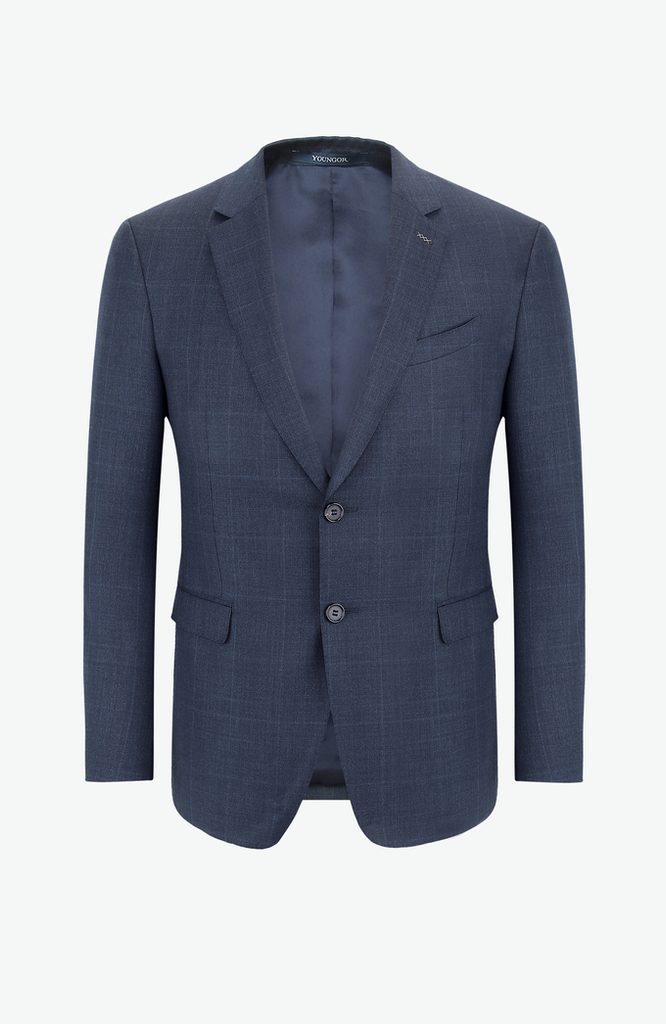
The most common mistake emerging brands make is focusing entirely on the outer fabric while ignoring the internal architecture of the jacket. The chest piece, the interfacing, and the shoulder pads dictate how the garment moves and molds to the body. Choosing the cheapest internal construction method will result in a stiff, lifeless jacket that blisters or bubbles after a few trips to the dry cleaner.
When discussing options with your blazer manufacturer, you generally have three choices for the chest construction. Understanding these options is vital for balancing your budget with your quality standards:
| Construction Type | Cost Level | Durability & Drape Profile |
| Fully Fused | Most Economical | Stiffer drape; relies on glued interfacing. Can degrade or bubble over time with heavy dry cleaning. |
| Half-Canvassed | Moderate | Excellent balance. Uses a stitched horsehair canvas in the upper chest and lapel for a natural roll, with fusing at the bottom. |
| Fully Canvassed | Premium | Superior drape and longevity. The canvas spans the entire front of the jacket, molding perfectly to the wearer’s body over time. |
At Monsoon Apparel, we educate our clients on the best internal construction for their specific target audience, ensuring the garment looks as good on its hundredth wear as it does on day one.
2. Overlooking Fabric Shrinkage Rates
A blazer is constructed using multiple layers of different materials: the outer shell, the inner lining, the canvas, and the pocketing. One of the most disastrous pitfalls in garment production occurs when these materials have different shrinkage rates.
If a brand selects a breathable cotton outer shell and pairs it with an incompatible synthetic lining without pre-shrinking the materials, the first dry cleaning will cause the outer shell to shrink while the lining remains the same size. This results in severe puckering, a distorted hem, and an unwearable garment. A rigorous manufacturing partner will conduct thorough shrinkage testing on all fabrics and trims before cutting the bulk order.
3. Submitting Vague Tech Packs
In the world of apparel production, assumptions lead to expensive errors. A tech pack is the ultimate blueprint for your garment. Providing a blazer manufacturer with a tech pack that lacks precise measurements, trim details, or construction callouts leaves too much room for interpretation.
For tailored jackets, grading (the scaling of sizes) is incredibly unforgiving. If the pocket placement is not explicitly detailed for every single size, a size large might end up with pockets that sit awkwardly high on the chest. To avoid this, ensure your tech packs include comprehensive points of measure, a detailed Bill of Materials, and clear visual annotations for everything from the lapel width to the buttonhole style.
4. Ignoring Pattern Matching Requirements
If your design features a distinctive pattern—such as a bold plaid, a subtle houndstooth, or a classic pinstripe—pattern matching is non-negotiable.
Less experienced factories will cut the fabric indiscriminately to save on fabric yield (the amount of fabric used per garment). The result is a disjointed, chaotic look where stripes and checks clash at the center back seam, the lapels, and the pocket flaps. True sartorial elegance requires matching these patterns seamlessly. While this requires more fabric and highly skilled cutting technicians, it is the defining hallmark of a premium jacket.
5. Skimping on the Final Press
Tailoring is not just about sewing pieces of fabric together; it is about sculpting a three-dimensional form. Much of a blazer’s shape is actually created through heat and steam rather than thread.
If a factory rushes through the final pressing stage using standard flat irons, the jacket will look flat and cheap on the hanger. A specialized manufacturing facility utilizes heavy, custom-shaped pressing machines and mannequins to set the roll of the lapel, shape the shoulder curve, and lock the seams into place. Never underestimate the power of the final press.
Securing the Right Production Partner
The complexities of tailored clothing mean that your choice of manufacturing partner can make or break your collection. By avoiding these common pitfalls—prioritizing interior construction, verifying fabric compatibility, perfecting your tech packs, insisting on pattern matching, and valuing the final press—you can deliver a flawless product to your customers.
At Monsoon Apparel, our deep understanding of these intricacies is what sets us apart. We serve as a dedicated blazer manufacturer, guiding brands through the technical hurdles of production so they can focus on what they do best: designing incredible fashion.