Custom hats have become one of the most popular products in the fashion, sports, promotional, and lifestyle industries. From startup streetwear brands to established apparel companies, businesses around the world are investing in custom headwear to strengthen their brand identity and connect with customers.
However, many business owners understand the value of custom hats without fully understanding how they are made. Knowing what happens behind the scenes can help brands make better sourcing decisions, communicate more effectively with manufacturers, and achieve higher-quality results.
In this guide, we’ll take a detailed look at the custom hat manufacturing process and explain how professional hat manufacturers transform an idea into a finished product ready for retail shelves.
Why Understanding the Manufacturing Process Matters
When brands partner with a hat manufacturer, they are investing not only in a product but also in a production system. Understanding the process helps businesses:
- Reduce production mistakes
- Improve design decisions
- Control costs more effectively
- Speed up product development
- Ensure consistent product quality
The more knowledge a brand has about manufacturing, the easier it becomes to create successful products that meet customer expectations.
Step 1: Product Concept Development
Every custom hat begins with an idea.
Some brands arrive with fully developed artwork and technical specifications, while others only have a general concept they want to explore.
During the concept phase, manufacturers work with clients to define important details such as:
- Hat style
- Target audience
- Branding requirements
- Materials
- Colors
- Decoration methods
- Packaging preferences
Popular hat styles include:
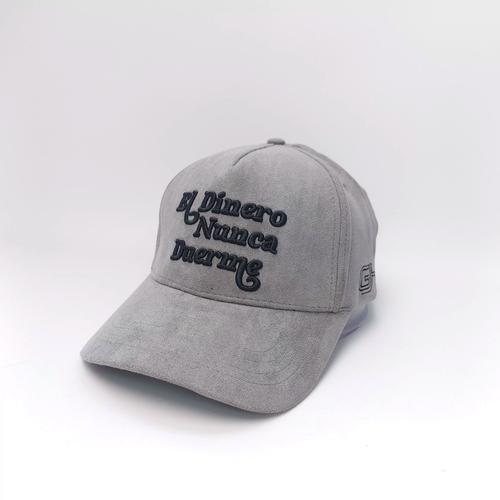
Baseball Caps
One of the most versatile and widely recognized headwear products.
Snapback Hats
Known for their adjustable closures and structured design.
Trucker Hats
Featuring mesh back panels and breathable construction.
Dad Hats
Popular for their relaxed fit and casual appearance.
Bucket Hats
Frequently used in fashion collections and outdoor products.
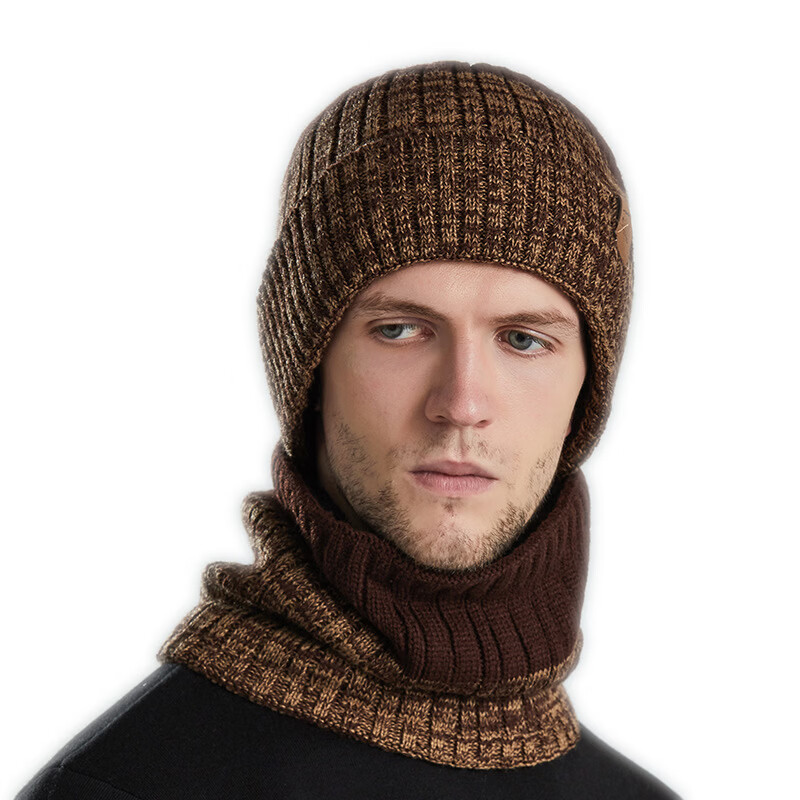
Beanies
Ideal for colder climates and seasonal collections.
At this stage, clear communication between the brand and manufacturer helps establish a strong foundation for the project.
Step 2: Material Selection
The quality of a custom hat begins with the materials used.
Professional hat manufacturers offer a wide range of fabric options based on the intended use of the product.
Common materials include:
Cotton Twill
A durable and comfortable fabric commonly used in premium baseball caps.
Washed Cotton
Provides a softer texture and vintage appearance.
Polyester
Popular for sports and performance headwear due to its moisture-wicking capabilities.
Nylon
Lightweight and highly durable, making it suitable for outdoor applications.
Corduroy
Increasingly popular in streetwear and fashion-focused collections.
Wool Blends
Frequently used for premium caps and seasonal products.
The choice of material directly affects:
- Product durability
- Comfort
- Appearance
- Retail pricing
- Customer perception
Experienced manufacturers often provide recommendations based on market trends and intended use.
Step 3: Design and Technical Development
Once materials have been selected, the technical development phase begins.
Manufacturers create production-ready specifications that include:
- Panel dimensions
- Stitching details
- Logo placement
- Closure styles
- Label positioning
- Fabric requirements
This stage ensures that every detail can be accurately reproduced during production.
Some manufacturers also create digital mockups that allow brands to visualize the finished product before sampling begins.
Step 4: Sample Production
Sampling is one of the most important steps in custom hat manufacturing.
A sample serves as a physical prototype that allows brands to evaluate the product before mass production.
During sample review, businesses typically assess:
- Overall appearance
- Fit and comfort
- Material quality
- Embroidery accuracy
- Color consistency
- Construction quality
Making revisions during the sample stage helps avoid expensive changes later.
Successful brands often spend extra time perfecting samples because product quality directly influences customer satisfaction.
Step 5: Logo Application and Decoration
Branding is one of the defining features of custom headwear.
Manufacturers offer various decoration techniques depending on the desired look.
3D Puff Embroidery
Creates raised logos with a bold and premium appearance.
Flat Embroidery
Offers clean and professional logo representation.
Woven Patches
Popular among fashion brands seeking a unique visual identity.
Leather Patches
Often used for premium outdoor and lifestyle products.
Rubber Patches
Provide a modern and durable branding solution.
Screen Printing
Suitable for specific headwear applications requiring detailed graphics.
Choosing the right decoration method can significantly impact the final appearance of the product.
Step 6: Mass Production
After sample approval, production begins.
The manufacturing process generally includes:
Fabric Cutting
Materials are cut according to approved patterns and specifications.
Panel Construction
Individual hat panels are assembled using industrial sewing equipment.
Embroidery and Decoration
Logos, patches, and branding elements are applied.
Assembly
Visors, closures, sweatbands, and internal components are added.
Finishing
Products undergo shaping, trimming, and final inspection.
Modern factories use advanced equipment to ensure consistency across large production runs.
This consistency is especially important for brands selling products through retail stores, e-commerce platforms, and wholesale channels.
Step 7: Quality Control
Quality control is one of the most critical aspects of professional hat manufacturing.
Reputable manufacturers inspect products throughout the production process.
Key inspection areas include:
- Measurements
- Stitching quality
- Embroidery accuracy
- Material consistency
- Color matching
- Closure functionality
Strict quality standards help ensure that every hat meets customer expectations.
Strong quality control systems also reduce return rates and protect brand reputation.
Step 8: Custom Packaging
Packaging has become an important part of the customer experience.
Many brands use custom packaging to reinforce brand identity and create a premium unboxing experience.
Popular options include:
- Custom hangtags
- Woven labels
- Branded poly bags
- Retail boxes
- Barcode stickers
- Instruction cards
Professional packaging adds value while enhancing product presentation.
Step 9: Shipping and Logistics
Once production is complete, products are prepared for shipment.
Manufacturers often assist with:
- Export documentation
- Carton labeling
- Freight coordination
- International shipping support
Reliable logistics management helps businesses receive products on time and maintain inventory levels.
Why Work with an Experienced Hat Manufacturer?
The quality of a custom hat depends heavily on the expertise of the manufacturer.
Experienced hat manufacturers offer:
- Professional product development
- Material sourcing expertise
- Consistent quality control
- Advanced customization capabilities
- Reliable production timelines
A strong manufacturing partner becomes an extension of your business and contributes directly to long-term brand success.
Monsoon Apparel: Your Trusted Custom Hat Manufacturing Partner
At Monsoon Apparel, we help brands bring their headwear ideas to life through comprehensive manufacturing solutions. From concept development and material sourcing to sampling, production, quality control, and delivery, our team supports every stage of the process.
We specialize in custom hats, private label headwear, baseball caps, trucker hats, bucket hats, snapbacks, and premium branded accessories. Our commitment to craftsmanship, customization, and product quality allows businesses to create headwear collections that stand out in today’s competitive marketplace.
Conclusion
Custom hat manufacturing is a detailed process that combines design, materials, craftsmanship, and quality control. Understanding each stage helps brands make informed decisions and achieve better results when developing headwear collections.
Whether you’re launching a new fashion label or expanding an established apparel business, working with an experienced hat manufacturer can simplify production, improve product quality, and support long-term growth.