
Behind every luxury fashion collection is a complex and highly refined process that transforms creative ideas into premium garments. While designers often receive the spotlight, luxury clothing manufacturers play an equally important role in bringing those visions to life.
From initial sketches to final production, the journey from concept to finished product requires precision, collaboration, and a deep understanding of both craftsmanship and innovation. For brands aiming to succeed in the luxury market, understanding this process is essential.
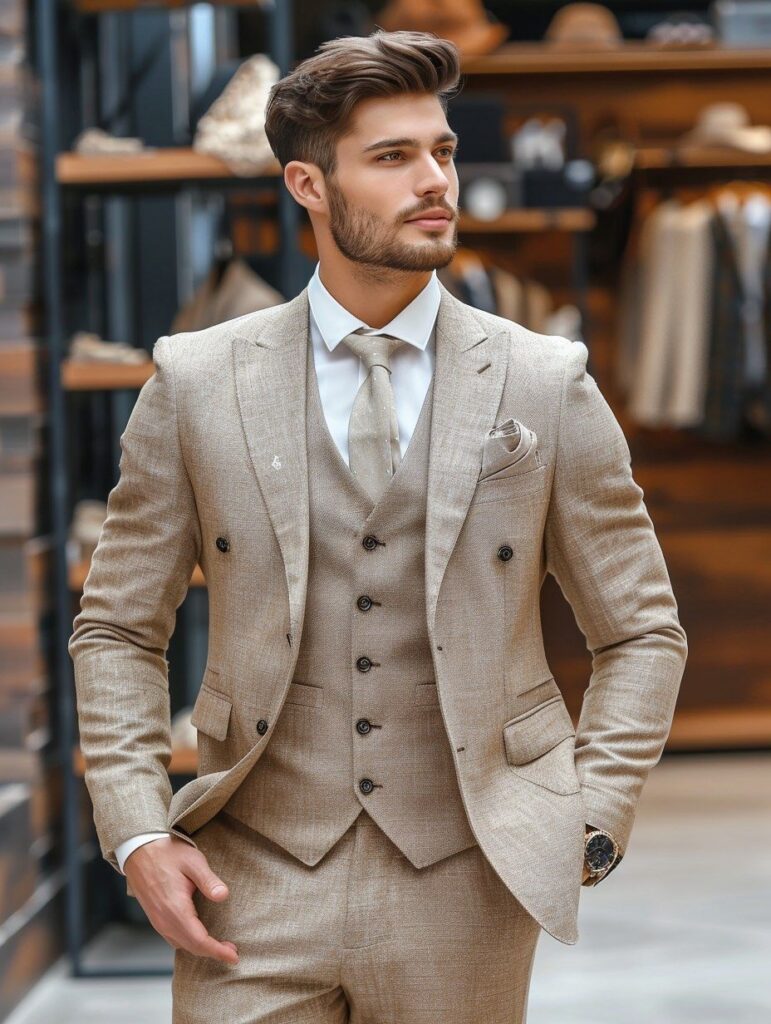
The Journey from Concept to Creation
Luxury fashion begins with an idea—a concept that reflects the designer’s vision, brand identity, and target audience. However, turning that idea into a tangible product requires technical expertise and structured processes.
Luxury clothing manufacturers act as the bridge between creativity and execution. They ensure that every design detail is translated accurately into a wearable, high-quality garment.
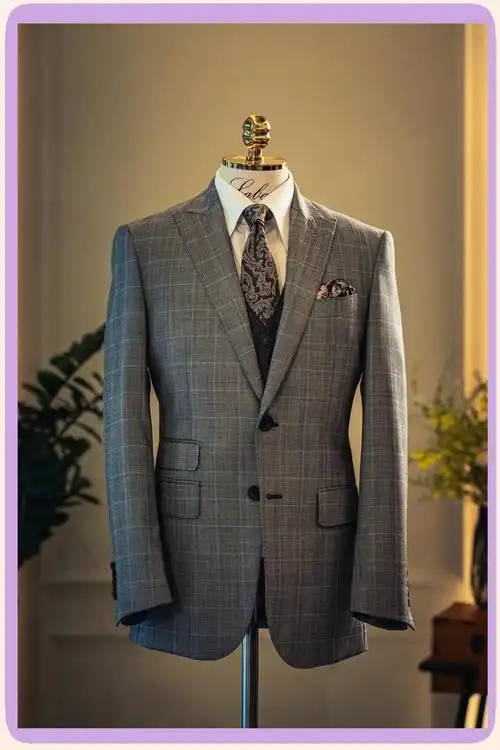
Step 1: Design Interpretation and Technical Planning
Once a design concept is presented, the manufacturer begins by interpreting the creative vision into technical specifications.
This includes:
- Analyzing sketches and design notes
- Defining garment structure and construction methods
- Identifying potential challenges in production
At this stage, communication between the brand and manufacturer is crucial. Even small misunderstandings can lead to significant differences in the final product.
Technical planning ensures that the design is not only visually appealing but also feasible to produce at a luxury standard.
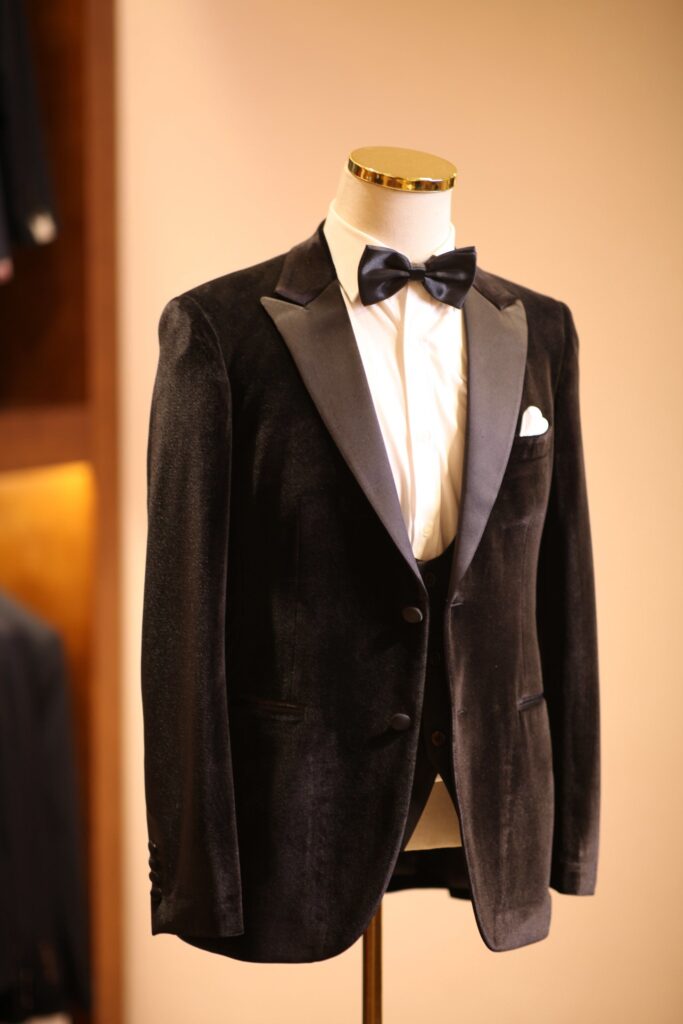
Step 2: Material Sourcing and Fabric Development
Luxury clothing is defined by its materials. The manufacturer works closely with suppliers to source fabrics that meet the highest standards.
This process involves:
- Selecting premium fibers such as silk, wool, or cashmere
- Evaluating texture, weight, and durability
- Testing fabric performance
In some cases, custom fabrics are developed to achieve a specific look or feel. This level of detail sets luxury garments apart from mass-produced alternatives.
Material selection also influences how the garment drapes, fits, and ages over time.
Step 3: Pattern Making and Sample Creation
Pattern making is a critical stage in luxury clothing manufacturing. It determines how the garment will fit and how the design will come together.
Manufacturers create:
- Detailed patterns based on measurements
- Initial prototypes or samples
- Adjustments to improve fit and structure
Sampling allows designers to see their ideas in physical form. It also provides an opportunity to refine details before moving into production.
Multiple iterations may be required to achieve the perfect balance between design and functionality.
Step 4: Fitting and Refinement
Luxury garments must offer a superior fit. After the initial sample is created, fittings are conducted to evaluate how the garment performs on the body.
During this stage:
- Adjustments are made to improve comfort and movement
- Design elements are refined for better proportions
- Feedback is incorporated into updated samples
This process may involve several rounds of revisions, ensuring that the final product meets the highest expectations.
Step 5: Production Planning
Before production begins, the manufacturer develops a detailed plan to ensure efficiency and consistency.
Key considerations include:
- Production timelines
- Workforce allocation
- Quality control checkpoints
Luxury manufacturing often involves smaller production runs, which allows for greater attention to detail but requires careful planning to maintain efficiency.
Step 6: Precision Manufacturing and Craftsmanship
Production in luxury clothing manufacturing emphasizes quality over quantity. Skilled artisans and technicians handle each stage of the process with precision.
This includes:
- Cutting fabrics with minimal waste
- Stitching garments with exact accuracy
- Applying finishing techniques by hand
Many luxury garments involve hand-crafted elements that cannot be replicated by machines. This craftsmanship contributes to the uniqueness and value of each piece.
Step 7: Quality Control and Inspection
Quality control is one of the most important aspects of luxury clothing manufacturing. Every garment must meet strict standards before it reaches the customer.
Inspection processes focus on:
- Fabric consistency
- Stitching quality
- Alignment of design elements
- Overall finish
Multiple checks are conducted throughout production to ensure that any issues are identified and resolved early.
Step 8: Finishing and Presentation
The final stage involves preparing garments for delivery. In the luxury market, presentation is just as important as the product itself.
This may include:
- Pressing and finishing touches
- Premium packaging
- Detailed labeling
Attention to presentation enhances the overall customer experience and reinforces the brand’s premium positioning.
Collaboration: The Key to Success
The relationship between a brand and its manufacturer is highly collaborative. Successful luxury collections are the result of strong communication and shared vision.
Effective collaboration involves:
- Clear and detailed feedback
- Regular updates and checkpoints
- Mutual understanding of expectations
A manufacturer that actively engages in the process can provide valuable insights and suggestions, improving the final outcome.
Balancing Creativity and Practicality
Luxury fashion is driven by creativity, but it must also be practical to produce. Manufacturers play a key role in balancing these two aspects.
They help brands:
- Refine designs for manufacturability
- Optimize material usage
- Maintain consistency across production
This balance ensures that the final product remains true to the original vision while meeting production requirements.
The Role of Innovation in Modern Luxury Manufacturing
Technology is increasingly influencing luxury clothing manufacturing. While craftsmanship remains central, innovation enhances efficiency and precision.
Examples include:
- Digital pattern making
- Advanced fabric treatments
- Improved production tracking systems
These tools allow manufacturers to deliver high-quality results while maintaining flexibility.
Common Challenges in the Process
Luxury clothing manufacturing is complex, and challenges can arise at various stages.
Common issues include:
- Difficulty sourcing premium materials
- Extended lead times due to detailed processes
- Maintaining consistency across small batches
Working with an experienced manufacturer helps minimize these challenges and ensures smoother operations.
Why Monsoon Apparel Brings Designs to Life
At Monsoon Apparel, we specialize in transforming creative concepts into high-end collections. Our process is built on precision, collaboration, and a commitment to excellence.
We provide:
- Expert design interpretation
- Access to premium materials
- Skilled craftsmanship
- Rigorous quality control
Our team works closely with brands to ensure that every garment reflects their vision and meets luxury standards.
Final Thoughts
Luxury clothing manufacturing is a detailed and collaborative process that requires expertise at every stage. From concept development to final production, each step contributes to the creation of garments that embody quality, craftsmanship, and exclusivity.
By understanding how this process works, brands can make better decisions and build stronger partnerships with manufacturers. In the world of luxury fashion, success is not just about great design—it’s about flawless execution.