Every successful pair of sweatpants begins with an idea. It may start as a sketch in a notebook, a digital design, or inspiration gathered from current fashion trends. Turning that concept into a finished product, however, requires careful planning, technical expertise, and a reliable manufacturing partner.
For clothing brands, understanding the journey from design to delivery helps improve communication with manufacturers, reduce production risks, and ensure every garment meets customer expectations. A professional sweatpants manufacturer manages each stage of the process with precision, transforming creative ideas into high-quality apparel ready for the global market.
This guide walks through every major step involved in custom sweatpants manufacturing and explains why each stage is essential to building a successful apparel collection.
Step 1: Defining the Product Vision
Every production project begins with a clear vision.
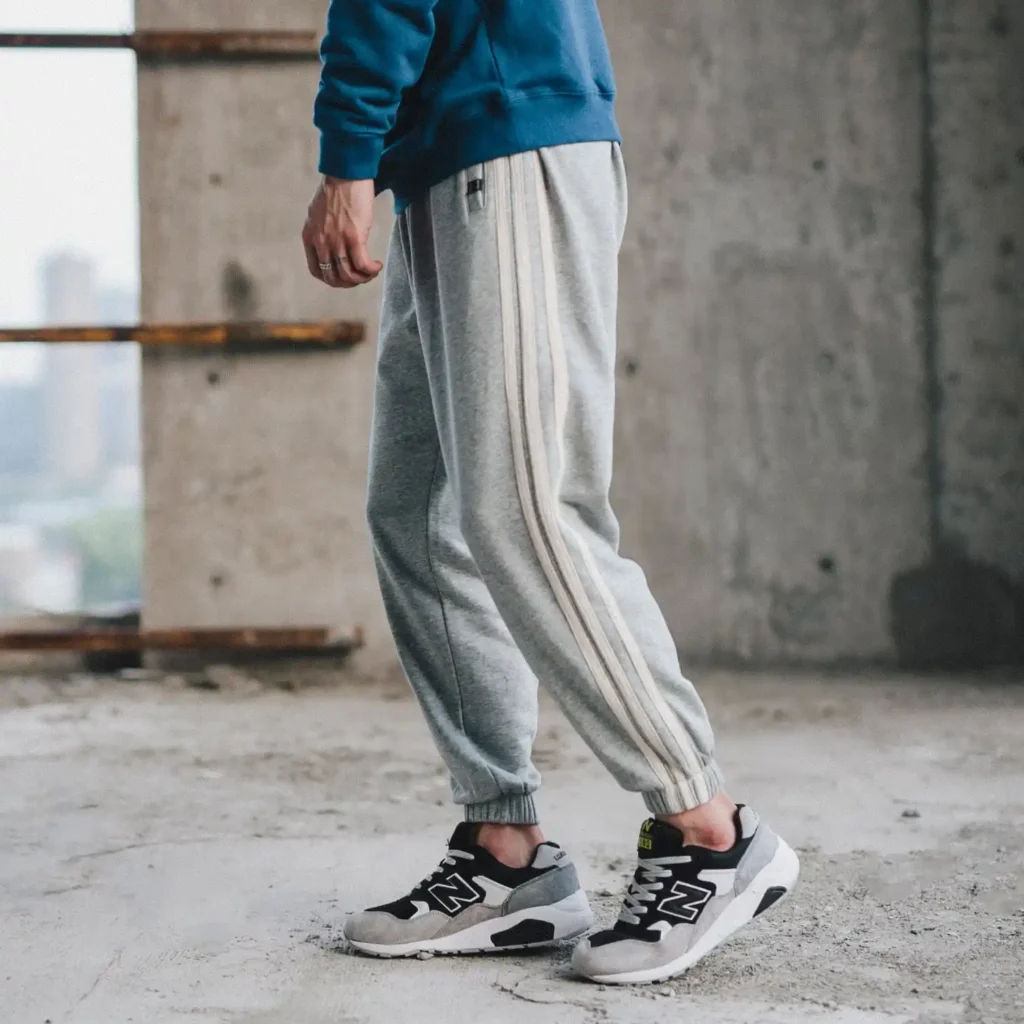
Before contacting a manufacturer, brands should identify the purpose of the collection and define their target audience. A pair of sweatpants designed for athletes will differ significantly from one created for luxury loungewear or oversized streetwear.
Important questions to consider include:
- Who is the ideal customer?
- What style best represents the brand?
- Which price range will the product target?
- What level of customization is required?
- Which markets will the products be sold in?
A well-defined concept provides a strong foundation for the entire manufacturing process.
Step 2: Developing Technical Specifications
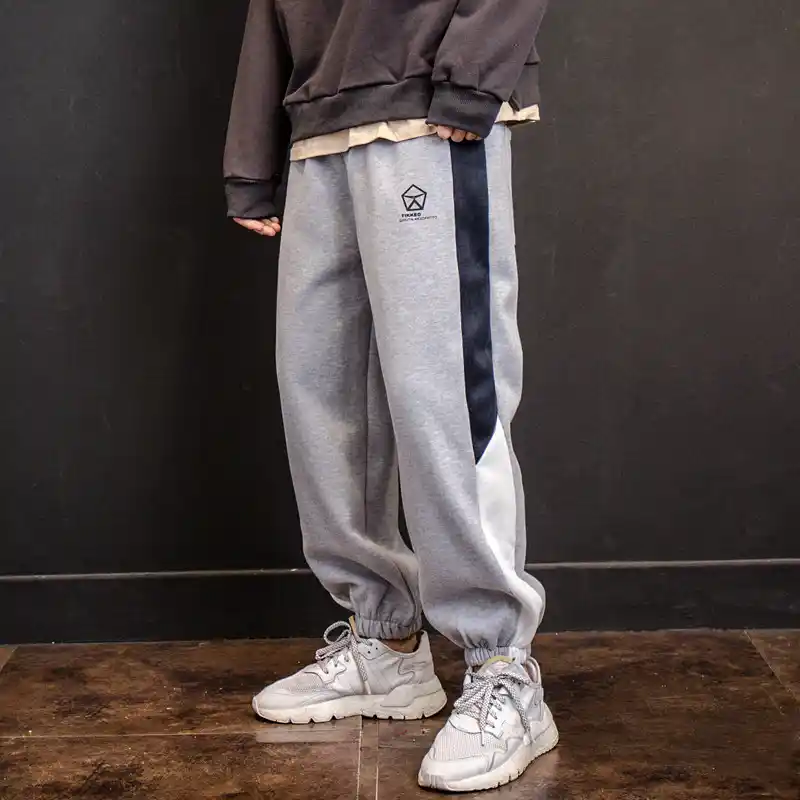
Once the concept is established, the next step is translating ideas into production-ready specifications.
Manufacturers typically work with documents that include:
- Garment measurements
- Fabric requirements
- Stitching details
- Pocket construction
- Waistband design
- Color references
- Logo placement
- Label artwork
- Packaging instructions
The more detailed these specifications are, the easier it becomes to achieve accurate production results.
Step 3: Selecting the Right Fabric
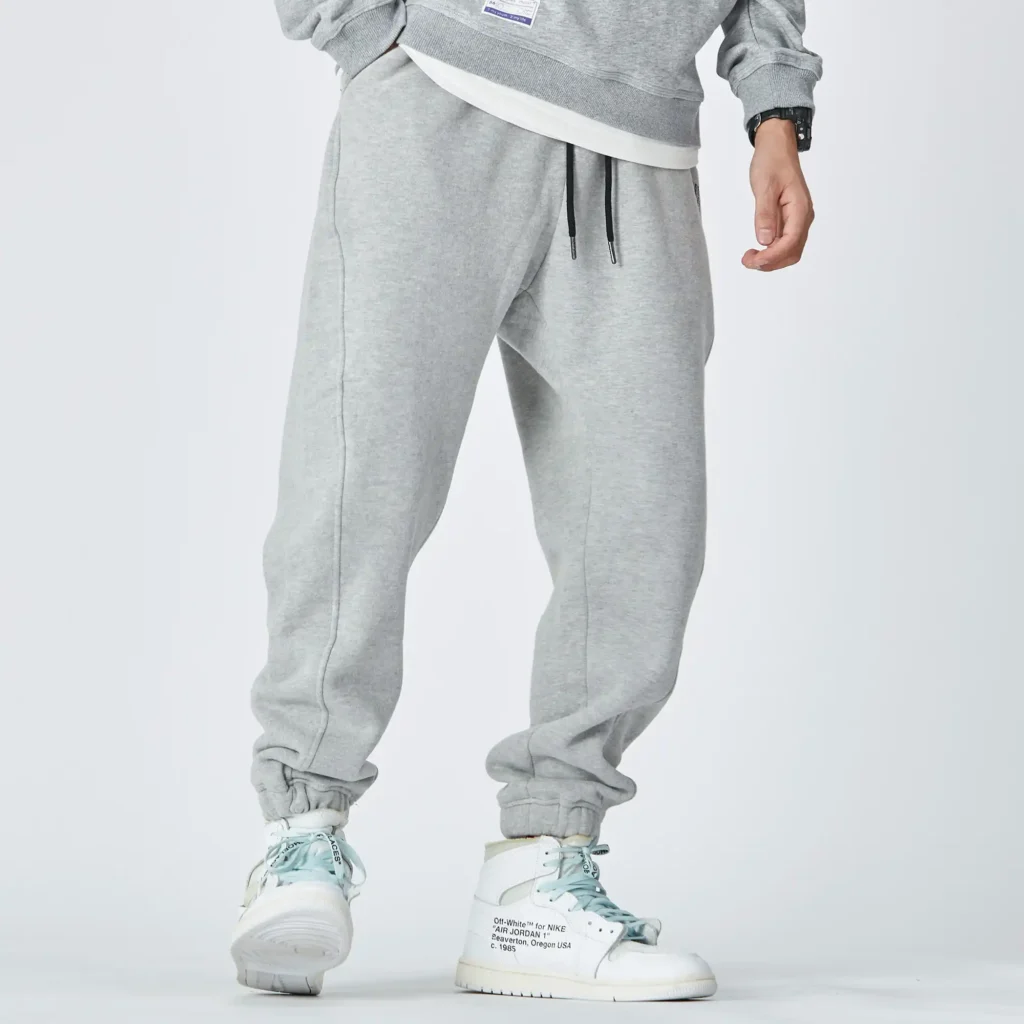
Fabric selection has a direct impact on comfort, appearance, durability, and customer satisfaction.
Professional manufacturers usually recommend materials based on the intended use of the garment.
Common fabric choices include:
- Cotton fleece for warmth
- French terry for lightweight comfort
- Cotton-polyester blends for durability
- Organic cotton for premium collections
- Recycled fibers for environmentally conscious brands
Other considerations include fabric weight, stretch, softness, shrinkage, and colorfastness.
Choosing the right material ensures the finished product performs as expected throughout its lifespan.
Step 4: Pattern Making
Pattern making transforms a design into precise garment components.
Experienced pattern makers calculate measurements, shaping, and proportions to ensure the sweatpants fit correctly across all available sizes.
Accurate patterns help achieve:
- Comfortable movement
- Consistent sizing
- Efficient fabric utilization
- Balanced garment proportions
Well-developed patterns also simplify future production by creating reliable templates for repeat orders.
Step 5: Sample Development
Sampling is one of the most valuable stages of manufacturing.
Before producing hundreds or thousands of garments, manufacturers create a prototype for evaluation.
Brands typically review:
- Overall appearance
- Fit
- Fabric feel
- Construction quality
- Pocket placement
- Logo positioning
- Drawstring details
- Stitching accuracy
This stage allows adjustments before bulk production begins, reducing both cost and production risk.
Step 6: Material Preparation
After the sample receives approval, production materials are prepared.
This includes:
- Fabric inspection
- Accessory verification
- Label preparation
- Printing setup
- Embroidery programming
- Cutting plans
Professional manufacturers inspect incoming materials to ensure consistency before garments enter production.
Early quality checks help prevent defects from affecting the final products.
Step 7: Bulk Production Begins
With all preparations complete, production moves into manufacturing.
This stage generally includes:
- Fabric spreading
- Precision cutting
- Sewing
- Pocket assembly
- Waistband attachment
- Rib cuff installation
- Embroidery
- Printing
- Thread trimming
Each production line follows standardized procedures to maintain consistent workmanship throughout the order.
Step 8: Continuous Quality Inspections
Rather than waiting until production ends, reliable manufacturers inspect garments throughout the process.
Quality control teams examine:
- Measurements
- Stitch density
- Fabric appearance
- Color consistency
- Logo alignment
- Seam strength
- Overall garment construction
Regular inspections allow problems to be corrected immediately, improving production efficiency and reducing waste.
Step 9: Finishing and Packaging
Once manufacturing is complete, garments move to the finishing department.
Typical finishing procedures include:
- Pressing
- Final thread removal
- Folding
- Label verification
- Packaging
- Carton preparation
Many brands also choose customized packaging to strengthen their identity.
Options may include:
- Printed poly bags
- Custom hang tags
- Branded tissue paper
- Personalized cartons
- Barcode labels
Professional packaging enhances the customer experience while protecting garments during transportation.
Step 10: Shipping to Global Markets
The final stage is product delivery.
Manufacturers coordinate shipping according to customer requirements and destination markets.
Depending on production schedules and business priorities, shipments may be transported by:
- Sea freight
- Air freight
- Express courier services
Proper documentation, export preparation, and logistics planning help ensure products arrive safely and on schedule.
Why Every Stage Matters
Although customers only see the finished sweatpants, every production stage contributes to the final quality.
Careful planning reduces errors.
Accurate patterns improve fit.
Premium fabrics increase comfort.
Professional sewing enhances durability.
Consistent inspections maintain quality.
Efficient logistics ensure timely delivery.
When each step is managed correctly, brands receive products that meet their expectations and strengthen customer confidence.
Choosing the Right Manufacturing Partner
The journey from design to delivery depends heavily on selecting the right manufacturing partner.
An experienced sweatpants manufacturer offers more than production capacity. They provide technical guidance, product development expertise, quality assurance, and reliable communication throughout every stage of manufacturing.
A trusted partner helps brands avoid common production challenges while supporting long-term business growth.
Why Work with Monsoon Apparel?
Monsoon Apparel understands that every clothing brand has its own vision, target market, and quality expectations. The company provides complete custom sweatpants manufacturing services, supporting clients from the earliest product concepts through sampling, bulk production, finishing, packaging, and international delivery.
With expertise in fabric sourcing, pattern development, private labeling, embroidery, printing, and strict quality control, Monsoon Apparel works closely with startups, retailers, wholesalers, and established fashion brands to create sweatpants that combine comfort, durability, and modern design.
From the first sketch to the final shipment, every stage of the manufacturing journey plays an important role in the success of a clothing collection. By partnering with an experienced manufacturer, brands can simplify production, maintain consistent quality, and confidently bring their ideas to customers around the world.