
The fashion industry is undergoing a seismic shift. Gone are the days when independent designers and emerging labels had to commit to massive minimum order quantities (MOQs) just to get a factory to return their calls. The era of overproduction, bloated inventory, and endless warehouse sales is being rapidly replaced by a leaner, more agile approach: the ultra-small batch, fast-response supply chain.
Today, ordering just 100 pieces of a garment is no longer considered a mere sampling exercise. With the right manufacturing partner, a 100-piece order can be treated with the exact same precision, quality control, and scalable potential as a 10,000-piece bulk run. But how do modern factories achieve this without bleeding money on setup times and machine changeovers? The secret lies in highly sophisticated capacity scheduling and agile production management.
At Monsoon Apparel, we understand that mastering this fast-response model is what separates thriving, modern brands from those bogged down by dead stock. Let’s look at the operational magic that makes ultra-low MOQ manufacturing a reality.
The Traditional Manufacturing Bottleneck
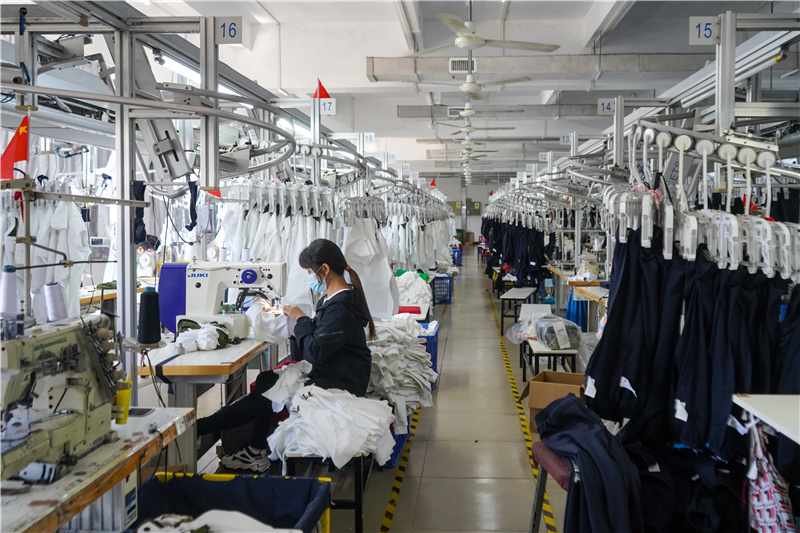
To understand the brilliance of fast-response scheduling, we first have to look at why traditional garment factories struggle with small orders. Historically, apparel manufacturing was built on the assembly line model. Setting up a line for a new jacket or dress requires calibrating sewing machines, sourcing specific threads, organizing trims, and training operators on the specific sequence of construction.
In a traditional setup, this changeover process can take hours or even days. If a factory is only producing 100 pieces, the time spent setting up the line might exceed the time spent actually sewing the garments. This efficiency loss is exactly why older factories demand high MOQs or charge exorbitant surcharges for small runs. They rely on sheer volume to absorb the operational downtime of switching from one style to the next.
Cracking the Code: Intelligent Capacity Scheduling
To turn a 100-piece order into a profitable, high-quality production run, modern manufacturing relies on dynamic capacity scheduling. This is not just about working faster; it is about working infinitely smarter.
1. Cellular Manufacturing Over Assembly Lines
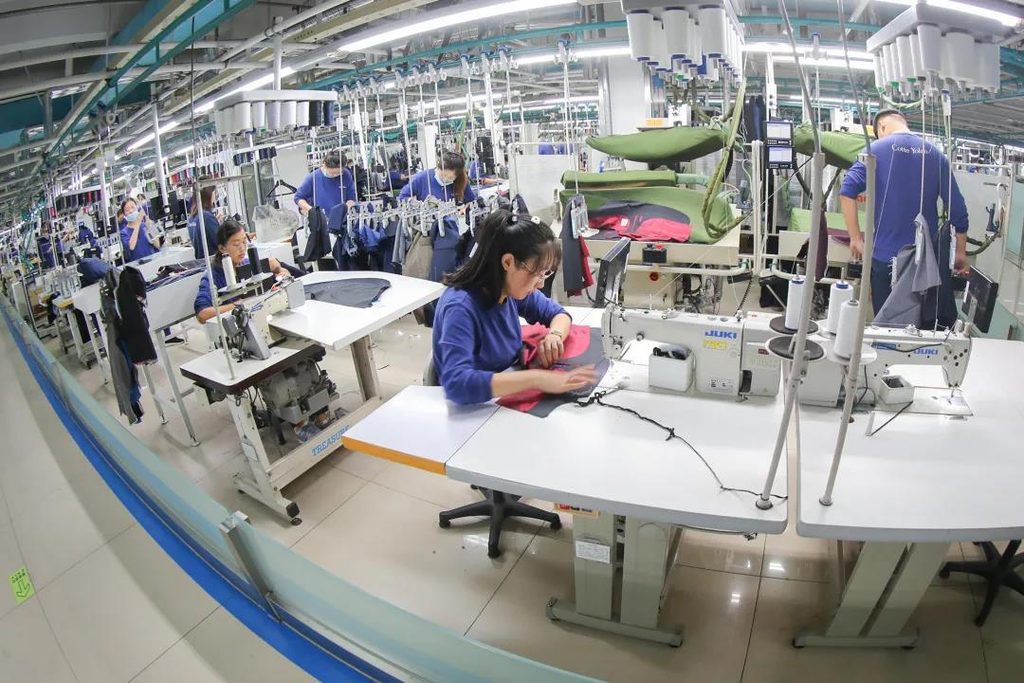
Instead of long, rigid assembly lines where each worker performs one repetitive task, agile factories utilize “modular” or “cellular” manufacturing. Workers are organized into small, cross-trained teams operating in U-shaped workstations. These modular pods can handle an entire garment from start to finish. When a 100-piece order comes in, it is assigned to a specific pod that can pivot to a new style in minutes rather than hours, drastically reducing setup friction.
2. Smart Order Batching (Group Technology)
Capacity scheduling algorithms allow production managers to group different ultra-small orders based on shared characteristics. For example, if three different brands order 100 pieces of different tops that all use the same weight of black cotton jersey, the cutting room can layer and cut these distinct styles simultaneously. By synchronizing fabrics, thread colors, and machine tensions across multiple small orders, the factory creates an artificial “bulk” order on the back end, maximizing efficiency while delivering small batches on the front end.
3. Real-Time Digital Tracking
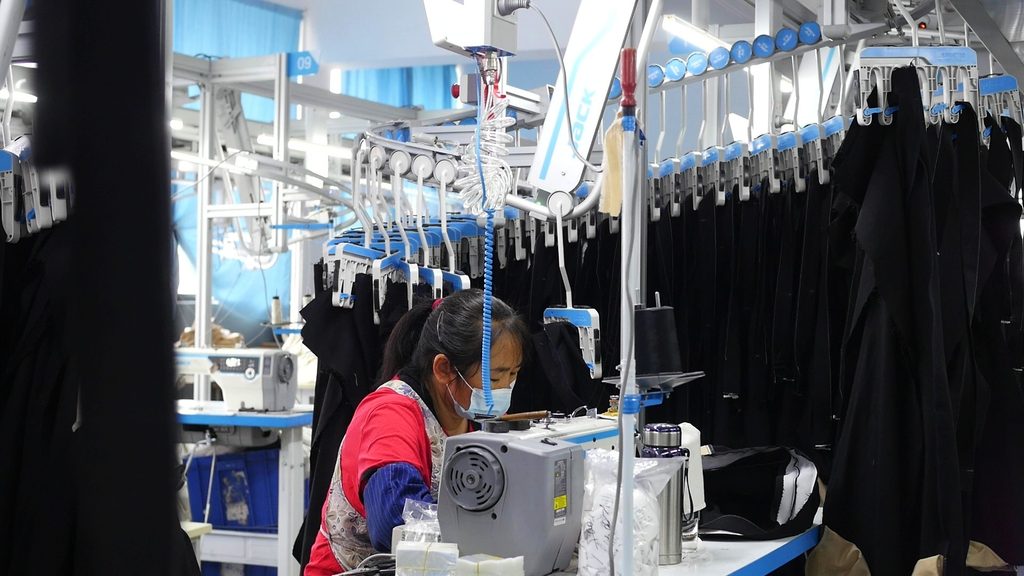
You cannot manage what you cannot see. Fast-response manufacturing relies heavily on real-time data tracking on the factory floor. Every bundle of fabric and every operational step is tracked digitally. This allows production managers to spot bottlenecks instantly and reroute materials to available sewing modules. If one pod finishes their 100-piece run ahead of schedule, the system automatically queues up the next micro-batch, ensuring zero idle time.
Why Small Batch Production is a Game-Changer for Brands
The ability to treat 100 pieces as a scalable bulk order fundamentally changes how fashion brands operate and grow.
- Test and Repeat Methodology: Instead of guessing what consumers will want six months from now, brands can drop a limited 100-piece collection, gauge market reaction in real-time, and immediately reorder the bestsellers. This data-driven approach minimizes risk and maximizes hit rates.
- Elimination of Dead Stock: Unsold inventory is the silent killer of fashion brands. By aligning production directly with actual consumer demand, brands free up critical cash flow and eliminate the need for aggressive, brand-diluting markdowns.
- Sustainable Practices: The most environmentally friendly garment is the one that actually gets worn. Overproduction is one of the fashion industry’s greatest environmental offenses. Ultra-small batch production ensures that resources are only used for garments that have a guaranteed buyer.
Transitioning to an agile, demand-driven model is the future of apparel commerce. It empowers brands to be wildly creative, highly responsive to trends, and incredibly protective of their capital. When you have a manufacturing infrastructure that can seamlessly schedule and execute a 100-piece run with the efficiency of a massive factory, you unlock the ultimate competitive advantage. By embracing smart capacity scheduling, Monsoon Apparel equips modern fashion brands with the flexibility they need to test boldly, scale rapidly, and build a sustainable business from the ground up.