Starting a clothing brand can be challenging, especially when you are working with a limited budget and do not yet know how customers will respond to your products. One of the biggest concerns for new fashion businesses is production quantity. Ordering too many garments can create excess inventory, while ordering too few may result in higher costs and missed sales opportunities.
For startups interested in launching denim products, working with a flexible denim shirt manufacturer can provide a practical way to develop a collection without making an unnecessarily large initial investment.
With the right manufacturing partner, a new brand can start with a focused product range, test the market, collect customer feedback, and gradually increase production as demand grows.
Why Denim Shirts Are a Good Choice for New Brands
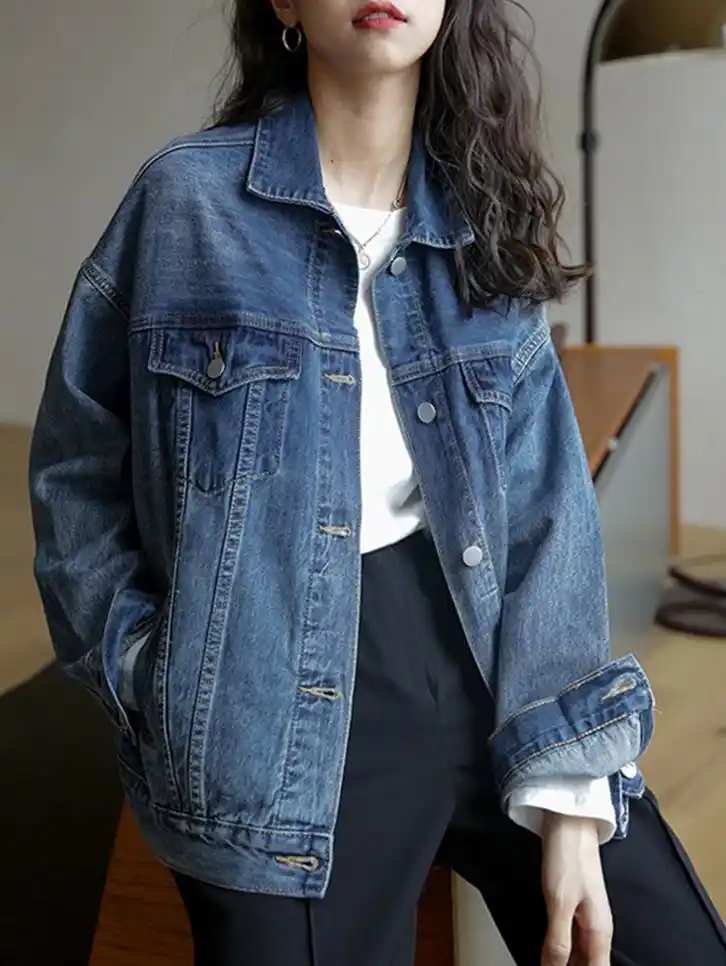
Denim shirts are a versatile category with strong potential for different fashion markets.
They can be designed for:
- Casualwear
- Streetwear
- Workwear
- Western fashion
- Outdoor clothing
- Lifestyle brands
- Unisex collections
- Women’s fashion
- Men’s fashion
A denim shirt can also be worn throughout multiple seasons. Customers may wear it as a traditional shirt, an overshirt, or a layering piece.
This versatility gives startups many opportunities to develop different products around the same core category.
What Does Low MOQ Mean?
MOQ stands for Minimum Order Quantity. It refers to the smallest number of units a manufacturer is willing to produce for a specific order.
For a large established fashion company, a high MOQ may not be a major concern. However, for a startup, committing to hundreds or thousands of units of an untested product can create significant financial risk.
A lower MOQ allows a new brand to produce a smaller quantity initially.
For example, instead of immediately manufacturing a large collection, a startup may choose to launch:
- One or two denim shirt designs
- A limited number of colors
- A focused size range
- A small initial production run
The brand can then evaluate market response before placing a larger reorder.
Why Small-Batch Production Can Be Valuable
Small-batch production is not simply about ordering fewer garments.
It gives startups greater flexibility.
A brand can use a small first order to test:
- Product design
- Fabric quality
- Fit
- Pricing
- Customer preferences
- Marketing performance
- Color selection
- Sales channels
If one design performs particularly well, the brand can increase production.
If another design does not attract enough customers, the company can make changes before investing heavily in inventory.
This approach can make the early stages of a fashion business more manageable.
Start with a Focused Denim Collection
One common mistake among new clothing brands is trying to launch too many products at once.
A large collection may look impressive, but it also increases:
- Development costs
- Sampling costs
- Inventory investment
- Storage requirements
- Marketing workload
- Production complexity
A focused collection can be easier to manage.
For example, a startup might begin with three carefully developed denim shirt concepts:
Classic Denim Shirt
A traditional button-down silhouette with a timeless blue wash.
Oversized Denim Shirt
A relaxed silhouette designed as a contemporary layering piece.
Vintage Denim Shirt
A washed and distressed style aimed at customers who prefer a worn-in aesthetic.
These three products can target different customer preferences while keeping the initial collection manageable.
Work with the Manufacturer During Product Development
A startup does not necessarily need to have every technical detail completed before contacting a manufacturer.
An experienced manufacturing partner can help refine the product concept.
You may begin with:
- A sketch
- A reference garment
- Product photos
- A mood board
- A basic measurement chart
- Fabric preferences
The manufacturer can then provide feedback on fabric, construction, fit, and production feasibility.
This can be especially valuable for first-time fashion entrepreneurs who have creative ideas but limited manufacturing experience.
Selecting Fabrics Within Your Budget
Budget does not mean choosing the lowest-quality fabric.
Instead, the goal is to find the right balance between material quality and target retail price.
A denim shirt manufacturer may offer different fabric options such as:
- Lightweight denim
- Midweight denim
- Heavy denim
- Stretch denim
- Cotton denim
- Recycled blends
- Organic cotton options
Each material has different characteristics and production costs.
For a startup, it can be useful to compare several options before making the final decision.
For example, a lightweight cotton denim may provide a comfortable feel while keeping the garment suitable for a moderate retail price. A heavier premium denim may be more appropriate for a higher-priced collection.
Choosing a Practical Denim Wash
The washing process can dramatically change the appearance of a denim shirt.
Popular finishes include:
- Stone wash
- Enzyme wash
- Vintage wash
- Acid wash
- Garment wash
- Soft wash
- Distressed finishing
Startups should choose a wash that fits the brand’s positioning.
A simple wash may be appropriate for a clean minimalist brand, while a heavily faded or distressed finish may better suit a vintage or streetwear label.
The important point is to make sure the wash supports the overall product concept.
Sampling Is Especially Important for Startups
New brands should pay particular attention to sampling.
A startup may have limited experience evaluating garments, making the sample stage even more important.
Before approving production, carefully check:
- Shoulder fit
- Chest measurement
- Body length
- Sleeve length
- Cuff size
- Collar shape
- Pocket placement
- Button position
- Fabric feel
- Washing effect
It can also be helpful to have several people try the sample before final approval.
Feedback from different body types can identify potential fit problems that may not be obvious from a technical measurement chart.
Build Your Brand into the Product
Low MOQ does not mean you have to compromise on branding.
Even a small production run can include custom brand elements.
A private label denim shirt manufacturer may provide:
- Custom neck labels
- Care labels
- Hang tags
- Logo embroidery
- Printed graphics
- Custom buttons
- Patches
- Branded packaging
These details help establish a professional brand identity from the beginning.
For a new fashion business, consistent branding across labels, garments, packaging, website, and social media can make the brand appear more established.
Control Inventory Risk
Inventory is one of the biggest financial challenges for apparel startups.
Every unsold garment represents capital that has already been invested in:
- Fabric
- Manufacturing
- Packaging
- Shipping
- Storage
If the product does not sell, that investment may remain tied up for months.
Low MOQ manufacturing can reduce this risk by allowing brands to purchase quantities that are more closely aligned with actual demand.
Once sales data becomes available, future production can be based on real customer behavior instead of assumptions.
Use Customer Feedback to Improve Future Collections
The first production run should be viewed as a learning opportunity.
After launching the product, monitor customer feedback carefully.
Customers may tell you that they prefer:
- A softer fabric
- A longer body
- A wider sleeve
- A darker wash
- A different pocket
- More size options
- A different button style
These insights can be incorporated into future production.
This creates a continuous development cycle:
Design → Sample → Small Production → Market Launch → Customer Feedback → Improved Product
Over time, this process can help a startup build a stronger and more competitive denim collection.
Scale Production When Demand Grows
The goal of low MOQ production is not to remain small forever.
Once a product demonstrates strong demand, the brand can increase its order quantity.
Larger production runs may provide better unit economics because certain fixed development and production costs can be spread across more garments.
For example, a startup may initially produce a small quantity of one denim shirt. After successful sales, it may reorder a larger quantity and introduce additional colors or variations.
A manufacturer that can support both small and larger orders makes this transition easier.
Why Monsoon Apparel Supports Growing Brands
Monsoon Apparel provides custom clothing manufacturing services for brands at different stages of development. Its website highlights low MOQ solutions designed to support startups, capsule collections, and growing businesses while reducing the risks associated with overstocking.
The company also provides product development, sampling, private labeling, OEM, ODM, fabric sourcing, production, quality control, packaging, and shipping services.
For a startup developing its first denim shirt collection, having these services available through one manufacturing partner can simplify the process.
Instead of coordinating separately with a fabric supplier, sample factory, production facility, branding supplier, and packaging company, brands can work with one team throughout the development process.
What Startups Should Ask a Denim Shirt Manufacturer
Before starting a project, it is useful to ask potential manufacturing partners several practical questions.
These may include:
- What is your MOQ?
- Can you produce custom denim shirts?
- What denim fabrics are available?
- Can you develop samples?
- What washing techniques can you provide?
- Can you add private labels?
- Can you produce custom buttons and packaging?
- How do you manage quality control?
- What is the estimated production time?
- Can production quantities increase as the brand grows?
Clear answers to these questions can help you compare manufacturers more effectively.
How to Prepare Your First Denim Shirt Project
You do not need a huge collection or a complicated business plan to begin.
A practical starting point could include:
- One clear target customer
- Two or three denim shirt designs
- A small selection of colors
- A defined retail price range
- A realistic initial quantity
- Basic branding requirements
- A target launch date
Once these fundamentals are established, the manufacturer can help develop the products in greater technical detail.
Final Thoughts
Starting a denim clothing brand does not necessarily require a huge initial investment.
By working with a flexible denim shirt manufacturer, startups can develop smaller production runs, test products in the market, gather customer feedback, and gradually scale successful designs.
Low MOQ production provides flexibility, but successful manufacturing also depends on product development, fabric selection, accurate sampling, quality control, branding, and reliable communication.
For new brands, the best approach is often to start with a focused collection rather than trying to produce everything at once. Develop a few strong products, understand how customers respond, and use that information to guide future production.
With the right manufacturing partner, a small initial denim shirt collection can become the foundation for a much larger apparel business.
Get a Quote Now