When outdoor enthusiasts talk about premium rain gear, the conversation almost always revolves around the waterproof-breathable membrane hidden inside the garment. While that microscopic layer is indeed the engine driving your jacket’s weather protection, it is only one piece of a much larger puzzle. The membrane is delicate and requires a robust bodyguard to survive the rigors of the wild. That bodyguard is known as the “face fabric.”
At Monsoon Apparel, we know that a hardshell jacket is a vital investment for your outdoor pursuits. Whether you are bushwhacking through dense pine forests, scraping against granite walls, or carrying a heavy expedition pack, the outer layer of your jacket takes a massive physical beating. Understanding the materials, thickness, and weaving techniques of hardshell face fabrics is essential for choosing a garment that will survive your specific adventures.
The Battle of the Synthetics: Nylon vs. Polyester
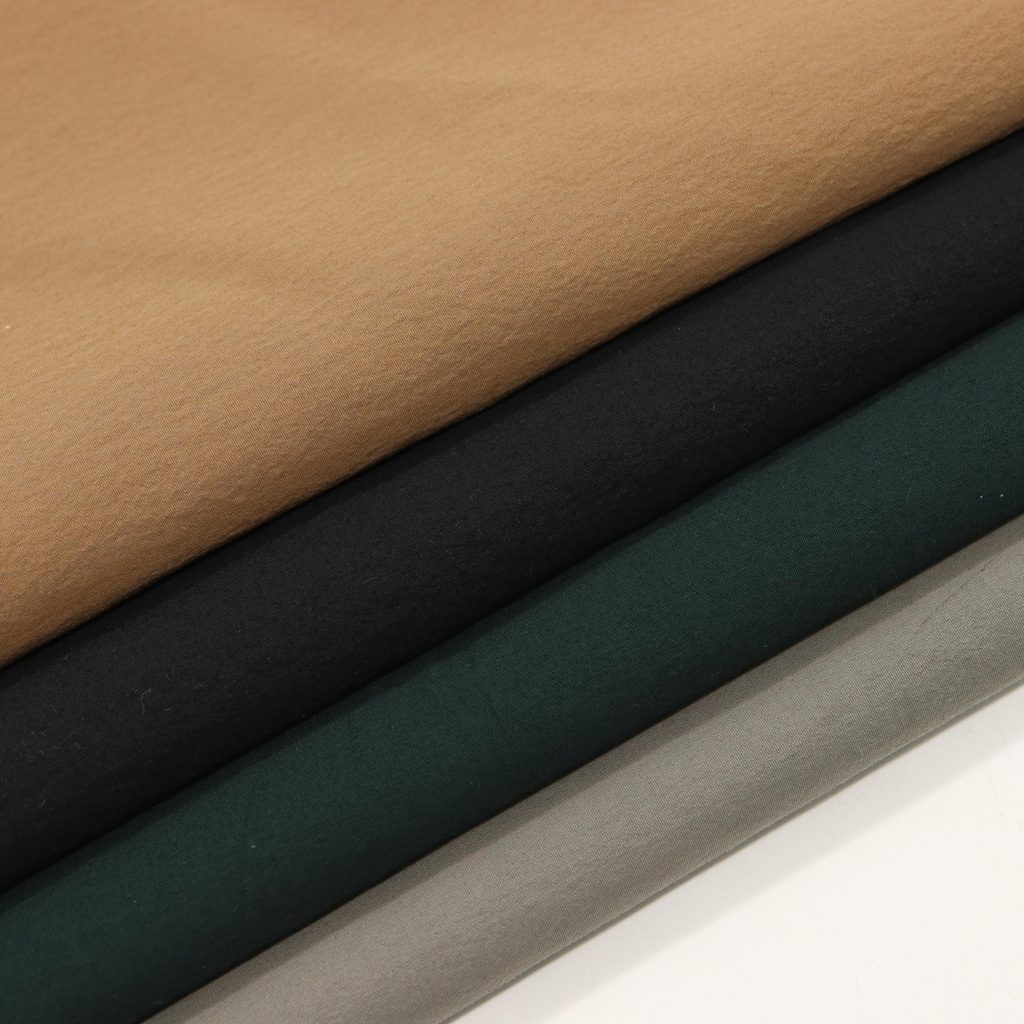
Almost all modern hardshell jackets utilize synthetic face fabrics—specifically, nylon or polyester. Both materials are exceptional at what they do, but they possess distinct characteristics that influence how the fabric performs in the elements.
Nylon: In the realm of technical outdoor apparel, nylon is the undisputed heavyweight champion of durability. For its weight, nylon is remarkably strong and highly resistant to abrasion. If your adventures involve a lot of friction—such as alpine climbing or hiking through thick brush—a nylon hardshell will resist pilling and tearing better than most alternatives. However, nylon can sometimes feel slightly stiffer and produce that classic “swishy” sound when you walk.
Polyester: Polyester is an incredibly versatile fabric that has seen massive advancements in recent years. Its biggest advantage is that it is inherently hydrophobic, meaning the fibers naturally resist absorbing water. This helps the jacket dry faster and prevents it from feeling heavy during a prolonged downpour. Additionally, polyester tends to be softer to the touch, quieter in motion, and more resistant to UV degradation from the sun.
Decoding Denier: The Measure of Toughness
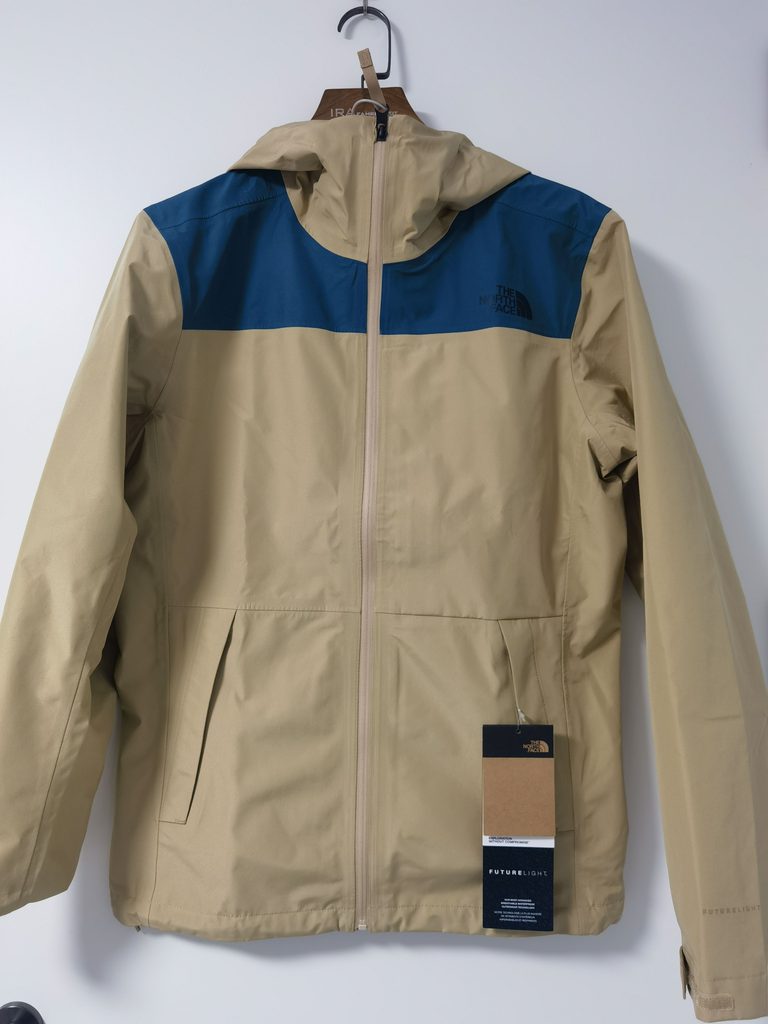
When looking at the specifications of a hardshell jacket, you will frequently see a number followed by the letter “D,” such as 15D, 40D, or 80D. This stands for “Denier,” a textile measurement that indicates the thickness and weight of the individual threads used in the fabric.
- Low Denier (10D to 30D): Fabrics in this range are incredibly lightweight and highly packable. Jackets made with low-denier fabrics are designed for fast-paced, high-output activities like trail running or ultralight backpacking, where saving every ounce matters. The trade-off is that they require more careful handling, as they are more susceptible to tearing.
- Medium Denier (40D to 60D): This is the sweet spot for most all-around hardshells. A 40D or 50D face fabric provides a fantastic balance of durability, weight, and flexibility, making it perfect for standard hiking, skiing, and daily commuting.
- High Denier (70D to 150D+): These fabrics are absolute armor. High-denier hardshells are built for extreme environments, heavy abrasive contact, and carrying heavy backpacks for days on end. While they are heavier and stiffer, they offer unparalleled longevity and protection in severe conditions.
Weaving Techniques: Ripstop and Mechanical Stretch
The strength of a hardshell fabric does not just come from the material itself, but from how those materials are woven together.
If you look closely at many technical jackets, you will notice a subtle checkerboard or grid pattern woven into the material. This is known as Ripstop technology. During the weaving process, thicker, stronger yarns are interwoven at regular intervals. If a sharp branch or rock happens to puncture the jacket, the resulting tear will stop as soon as it hits one of these thicker grid lines, preventing a tiny hole from becoming a massive, jacket-destroying rip.
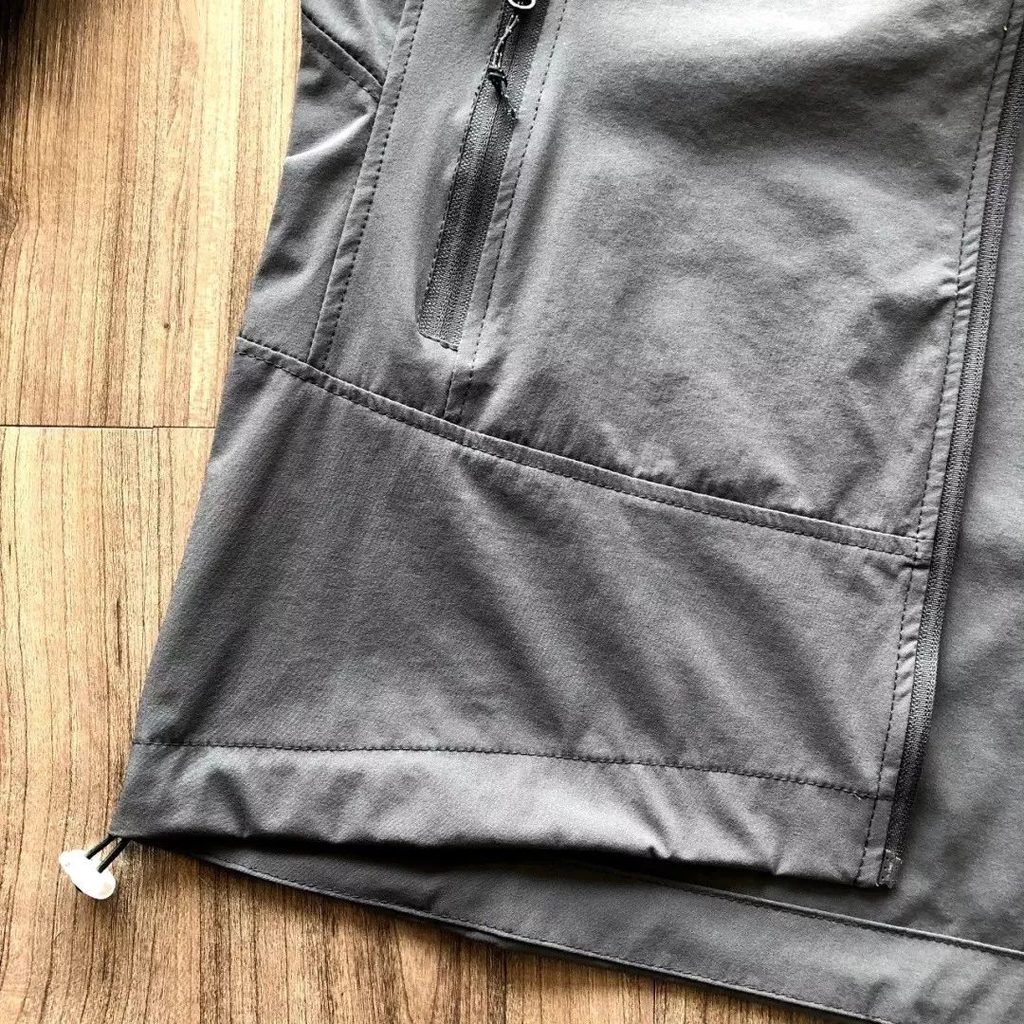
Furthermore, modern fabric engineering has introduced mechanical stretch to hardshells. Traditionally, waterproof jackets were rigid and restrictive. Today, by utilizing specialized weaving patterns and occasionally incorporating elastane, fabric designers can create hardshells that stretch and move with your body. This provides an incredible range of motion for climbing and skiing without compromising the jacket’s waterproof integrity.
Protecting the Protector: Fabric Maintenance
A common misconception in the outdoor community is that washing a hardshell jacket will ruin its waterproof qualities. In reality, the exact opposite is true.
Over time, dirt, campfire smoke, body oils, and sweat accumulate on the face fabric. These contaminants mask the Durable Water Repellent (DWR) coating and clog the breathable pores. When this happens, the fabric absorbs water—a process known as “wetting out”—which stops the jacket from breathing and leaves you soaked in your own sweat.
Regularly washing your hardshell with a specialized technical detergent removes these contaminants. Even better, placing the freshly washed jacket in a tumble dryer on low heat will reactivate the DWR coating, causing water to bead up and roll off the face fabric just like it did on the day you bought it.
At Monsoon Apparel, we design our jackets to be long-lasting companions on your wildest journeys. By understanding the science and structure of hardshell fabrics, you can confidently select the perfect outer layer to conquer whatever the forecast throws your way.