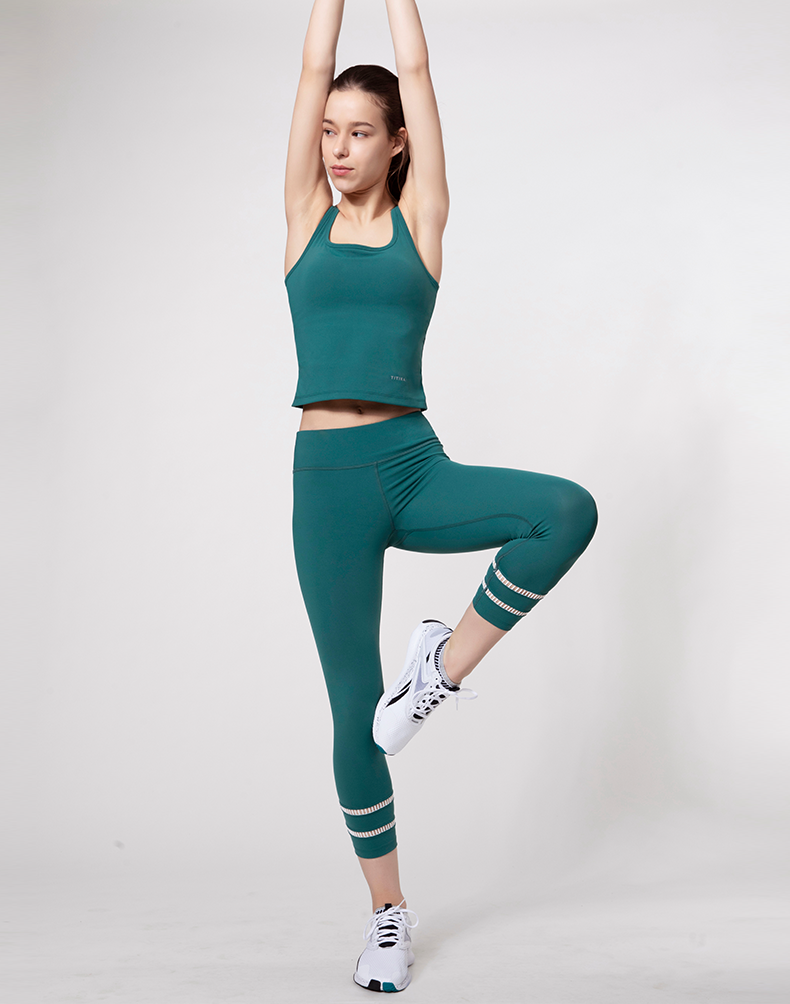
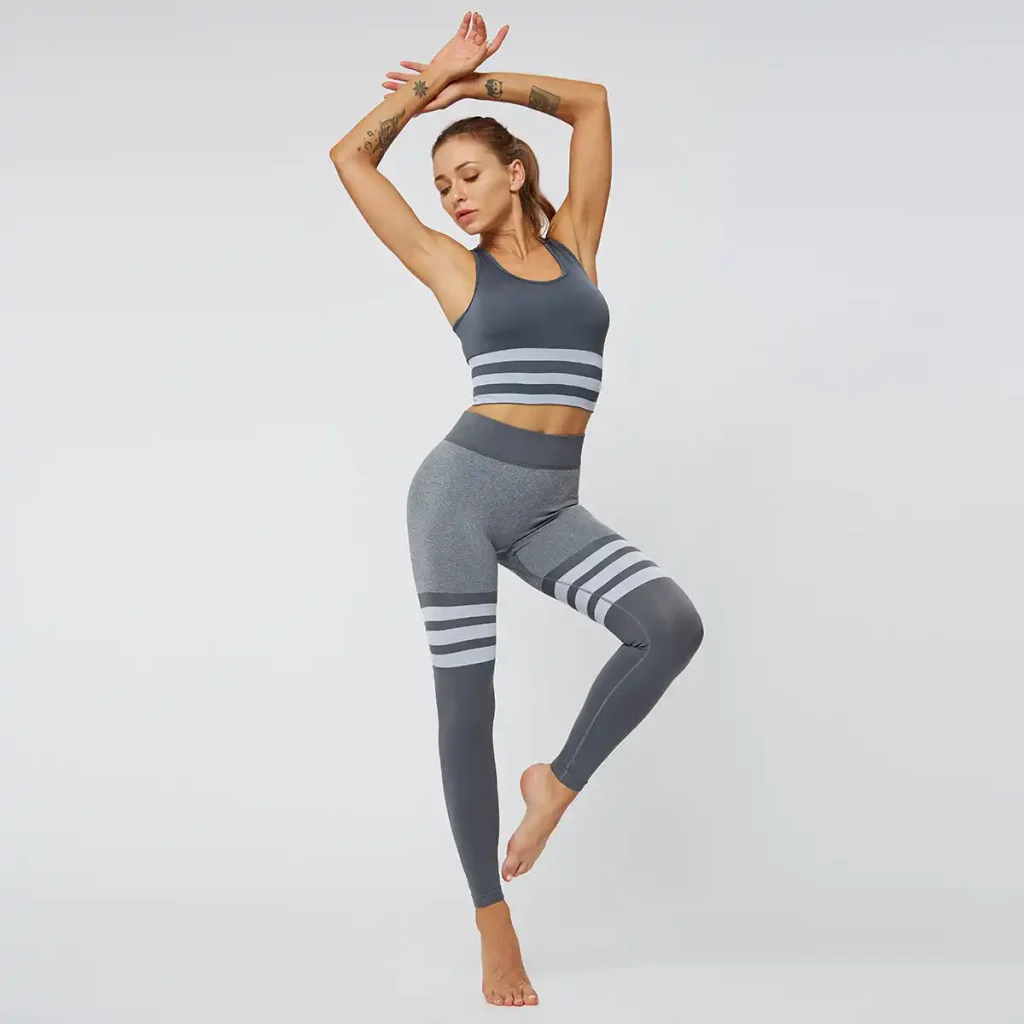
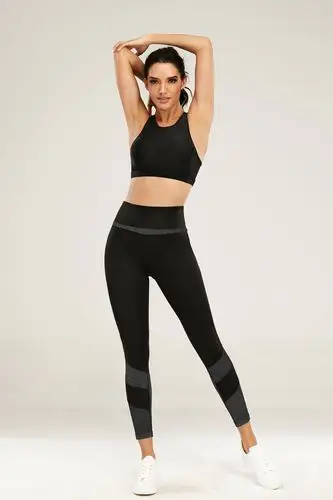
The global activewear market has experienced an unprecedented boom over the last decade. What was once clothing strictly reserved for the gym has transformed into everyday essential wear. At the heart of this athleisure revolution is the classic pair of yoga leggings. Whether consumers are flowing through a vinyasa sequence, running errands, or lounging at home, they demand perfection: buttery-soft textures, squat-proof opacity, and figure-flattering compression.
But how does a simple roll of fabric become the ultimate workout staple? The secret lies behind the closed doors of a premium yoga pants factory. Producing high-quality activewear is a complex art that requires cutting-edge technology, highly skilled labor, and rigorous quality control. Let us take a deep dive into the fascinating manufacturing process that brings premium athletic apparel to life.
The Blueprint: Tech Packs and Pattern Making
Long before the sewing machines start humming, every great piece of activewear begins as a concept. Brands submit their designs to the manufacturing facility in the form of a “tech pack.” Think of a tech pack as the architectural blueprint for a garment. It contains every critical detail: exact measurements, fabric compositions, stitch types, hardware requirements, and grading rules for different sizes.
Once the factory receives the tech pack, expert pattern makers step in. They translate the two-dimensional drawings into functional templates. In modern facilities, this is often done using advanced computer-aided design (CAD) software, which ensures absolute precision. A fraction of an inch can be the difference between a legging that fits like a second skin and one that constantly slips down during a workout.
Sourcing the Perfect Fabric Blend
The soul of any activewear piece is its fabric. A specialized yoga pants factory maintains strong relationships with top-tier textile mills to source materials that meet exact performance standards.
When selecting fabrics for premium leggings, manufacturers look for several key attributes:
- Four-Way Stretch: The fabric must stretch both crosswise and lengthwise to allow for complete freedom of movement.
- Moisture-Wicking: High-performance fibers (typically nylon or polyester blends) are engineered to draw sweat away from the skin and push it to the fabric’s surface for rapid evaporation.
- Breathability: Workout apparel must allow air to circulate to regulate body temperature during intense physical exertion.
- Durability and Hand-Feel: The material must withstand rigorous washing without pilling, while maintaining a luxurious, buttery-soft feel against the skin.
Typically, luxury leggings utilize a blend of high-grade Nylon and Spandex (Elastane). Nylon provides incredible durability and a smooth finish, while a high percentage of Spandex (often between 15% and 25%) delivers the necessary compression and shape retention.
The Production Floor: Precision Cutting and Expert Stitching
Once the fabric is inspected and approved, it moves to the cutting floor. High-volume activewear manufacturing relies on automated laser-cutting machines. These machines slice through dozens of layers of fabric simultaneously with pinpoint accuracy. Laser cutting not only minimizes fabric waste—a crucial step for eco-conscious production—but also prevents the edges of synthetic fabrics from fraying.
Next comes the most labor-intensive phase: the sewing process. Constructing activewear requires specialized machinery and highly trained operators. Regular sewing techniques are entirely insufficient for stretchy fabrics. Instead, a top-tier factory utilizes flatlock stitching.
A flatlock machine seamlessly joins two pieces of fabric together side-by-side, creating a seam that is entirely flat on both the inside and outside of the garment. This technique is vital for athletic wear because it eliminates the bulky, overlapping fabric that causes painful chafing and irritation during movement. Additionally, expert machinists carefully sew in the gusset—a small triangular or diamond-shaped piece of fabric in the crotch area that relieves stress on the seams, enhances range of motion, and prevents the dreaded “camel toe.”
The Ultimate Test: Rigorous Quality Assurance
A reputable manufacturing partner knows that brand reputation hinges on consistency and reliability. Therefore, a comprehensive Quality Control (QC) process is integrated into every stage of production.
Before the final garments are packed, they undergo a battery of strict tests:
- The Squat Test: Inspectors stretch the fabric across specialized light boxes to ensure the material remains 100% opaque, guaranteeing it is completely squat-proof.
- Stress Testing: Seams are pulled with significant force to check the strength and elasticity of the flatlock stitching.
- Colorfastness Checks: Garments are tested to ensure that the dyes will not bleed during washing or fade from sweat and UV exposure.
- Measurement Verification: Final garments are measured against the original tech pack tolerances to ensure sizing consistency across the entire production run.
Delivering the Final Product
After passing all quality assurance checks, the garments are meticulously trimmed of any loose threads, steamed, folded, and packaged according to the brand’s specific retail requirements. From custom hangtags to eco-friendly biodegradable polybags, the factory ensures the product is retail-ready the moment it leaves the loading dock.
Creating the perfect pair of leggings is a delicate balance of science, engineering, and craftsmanship. By partnering with a state-of-the-art yoga pants factory that prioritizes quality at every step, apparel brands can confidently deliver the high-performance, stylish, and durable garments that today’s discerning consumers demand.