Towels are among the most commonly used textile products in homes, hotels, gyms, spas, resorts, and healthcare facilities around the world. While many consumers focus on softness, absorbency, and appearance, few understand the complex manufacturing process that transforms raw fibers into premium-quality towels.
For businesses sourcing products from towel manufacturers, understanding the production process can help improve purchasing decisions, product development strategies, and supplier selection. Whether you are launching a private label collection or expanding an existing product line, knowing how quality towels are made provides valuable insight into what separates premium manufacturers from average suppliers.
In this guide, we explore how professional towel manufacturers produce high-quality towels and what businesses should look for when selecting a manufacturing partner.
The Growing Global Demand for Quality Towels
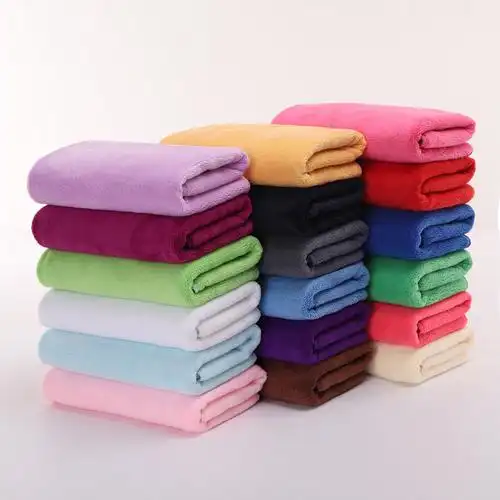
The towel industry has evolved significantly over the past decade. Consumers no longer view towels as simple household necessities. Today, they expect products that combine comfort, durability, functionality, and attractive design.
Several industries continue to drive demand for premium towels:
- Hospitality and hotels
- Fitness centers and sports facilities
- Spa and wellness businesses
- Healthcare organizations
- E-commerce retailers
- Promotional product companies
As customer expectations increase, towel manufacturers must maintain strict quality standards throughout the production process.
Step 1: Selecting the Right Raw Materials
Every high-quality towel begins with carefully selected raw materials.
The type of fiber used has a direct impact on:
- Softness
- Absorbency
- Durability
- Weight
- Drying speed
Cotton Towels
Cotton remains the most widely used material in towel manufacturing.
Benefits include:
- Excellent moisture absorption
- Natural softness
- Long-lasting durability
- Comfortable feel against the skin
Premium cotton varieties often produce thicker and more luxurious towels.
Bamboo Blends
Bamboo fibers have become increasingly popular among brands seeking soft and lightweight products.
Advantages include:
- Smooth texture
- Breathability
- Moisture management
- Sustainable sourcing potential
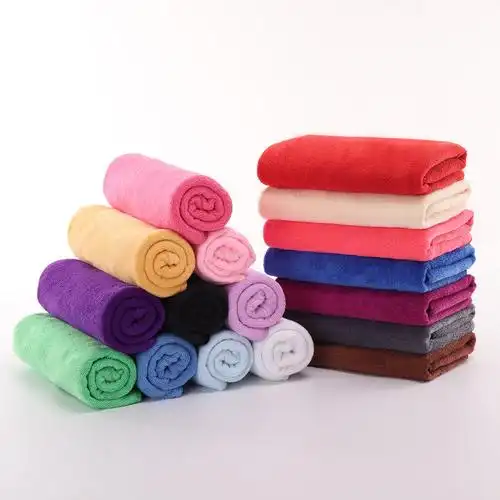
Microfiber Materials
Microfiber towels are frequently used for:
- Sports activities
- Travel products
- Cleaning applications
- Quick-drying solutions
Their lightweight structure makes them ideal for customers who prioritize convenience and portability.
Professional towel manufacturers carefully select materials based on product requirements and target market preferences.
Step 2: Yarn Spinning and Preparation
After sourcing raw fibers, manufacturers convert the materials into yarn.
The spinning process plays a major role in determining towel performance.
Factors that influence quality include:
- Yarn thickness
- Fiber length
- Twist level
- Yarn strength
Longer fibers generally create smoother and more durable towels. High-quality yarn also helps reduce lint production and improves the product’s lifespan.
Reliable towel factories invest in advanced spinning technology to ensure consistent yarn quality throughout production.
Step 3: Weaving the Towel Fabric
Weaving is one of the most important stages in towel manufacturing.
Unlike many textile products, towels are typically woven using specialized techniques designed to create loops on the fabric surface.
These loops are responsible for:
- Absorbency
- Softness
- Thickness
- Overall performance
Terry Towels
The most common towel construction is terry fabric.
Terry towels contain raised loops that increase surface area and improve water absorption.
They are widely used for:
- Bath towels
- Hand towels
- Spa towels
- Hotel towels
Velour Towels
Velour towels feature sheared loops on one side, creating a smooth and luxurious appearance.
These towels are often used for:
- Beach towels
- Promotional towels
- Luxury collections
Professional towel manufacturers use modern weaving equipment to ensure fabric consistency and precise production standards.
Step 4: Dyeing and Color Development
Color plays a major role in consumer purchasing decisions.
After weaving, the fabric undergoes dyeing and finishing processes to achieve the desired appearance.
High-quality manufacturers focus on:
- Color consistency
- Fade resistance
- Wash durability
- Accurate color matching
Businesses often request custom colors to align with their branding strategies.
Advanced dyeing technologies help ensure that towels maintain their appearance even after repeated washing cycles.
Step 5: Cutting and Sewing
Once the fabric is dyed and finished, it moves to the cutting and sewing stage.
At this point, manufacturers create the final towel dimensions according to customer specifications.
Common sizes include:
- Face towels
- Hand towels
- Bath towels
- Bath sheets
- Beach towels
- Gym towels
Precision cutting is essential because inaccurate dimensions can affect product quality and customer satisfaction.
Professional towel manufacturers implement strict production controls to ensure uniform sizing across every order.
Step 6: Custom Branding and Personalization
Many businesses seek custom towel manufacturers that can create branded products.
Customization options may include:
Embroidery
Embroidered logos provide a premium and professional appearance.
Popular among:
- Hotels
- Resorts
- Corporate brands
- Sports organizations
Jacquard Weaving
Logos and designs can be woven directly into the towel structure.
Benefits include:
- Long-lasting branding
- Premium appearance
- Enhanced product differentiation
Printed Designs
Printing technologies allow manufacturers to create colorful and detailed artwork on towels.
This option is commonly used for promotional and beach towel collections.
Step 7: Quality Control Inspection
Quality control is one of the most important aspects of towel production.
Professional manufacturers inspect products throughout the manufacturing process.
Common quality checks include:
- Fabric consistency
- Stitching quality
- Size verification
- Color accuracy
- Logo placement
- Packaging inspection
Multiple inspection stages help minimize defects and ensure customers receive reliable products.
Businesses should always evaluate a supplier’s quality assurance procedures before placing large orders.
Why Manufacturing Expertise Matters
Not all towel manufacturers offer the same level of expertise.
Experienced manufacturers typically provide:
- Better material sourcing
- Stronger production consistency
- More customization options
- Improved delivery reliability
- Enhanced product development support
For businesses seeking long-term growth, manufacturing experience often becomes a key competitive advantage.
Why Brands Work with Monsoon Apparel
At Monsoon Apparel, we understand that successful towel products require more than simple manufacturing. Every stage of production influences quality, performance, and customer satisfaction.
Our team works closely with brands to develop custom towel solutions that meet specific business objectives.
We offer:
- Custom towel manufacturing
- Private label production
- Wholesale towel supply
- Premium fabric sourcing
- Custom branding solutions
- Flexible order quantities
- Comprehensive quality control
Whether you need hotel towels, gym towels, beach towels, or retail collections, our manufacturing expertise helps ensure reliable results from concept to delivery.
Conclusion
The production of a high-quality towel involves much more than weaving fabric together. From fiber selection and yarn spinning to weaving, dyeing, customization, and quality control, every step contributes to the final product’s performance.
Businesses that understand these manufacturing processes are better equipped to select reliable towel manufacturers and develop products that meet customer expectations. By partnering with an experienced manufacturer like Monsoon Apparel, brands can confidently create towel collections that deliver comfort, durability, and long-term value.