Building a successful denim brand requires more than creative designs and strong marketing. Behind every high-quality pair of jeans is a professional jean manufacturer responsible for fabric sourcing, garment construction, washing techniques, quality control, and production consistency.
As competition in the fashion industry continues to grow, apparel brands must work with reliable manufacturing partners capable of delivering durable, stylish, and comfortable denim products.
Whether you are launching a new denim collection or expanding an established clothing business, choosing the right jean manufacturer is one of the most important decisions for long-term growth.
In this article, we will explore the key factors fashion brands should consider when selecting a professional denim manufacturing partner.
Why Manufacturing Quality Matters in Denim Production
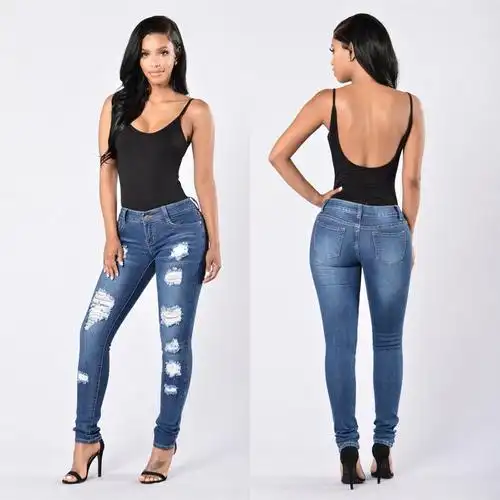
Denim products are different from many other apparel categories because they require specialized production processes.
Jeans must maintain:
- Durable stitching
- Consistent sizing
- Comfortable fit
- Long-lasting color
- Strong fabric performance
Customers expect jeans to remain comfortable and stylish even after repeated wear and washing.
Poor manufacturing quality often leads to:
- Fabric distortion
- Color fading
- Shrinkage issues
- Weak seams
- Inconsistent sizing
These problems can damage brand reputation and reduce customer trust.
A professional jean manufacturer helps ensure every garment meets quality expectations before reaching consumers.
Experience in Denim Manufacturing
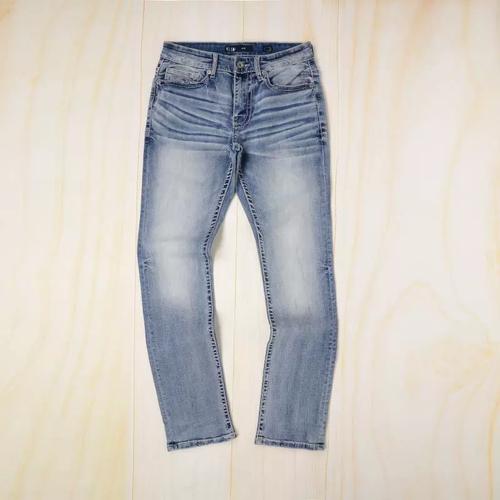
One of the first things brands should evaluate is the manufacturer’s experience in denim production.
Denim manufacturing involves technical processes that differ from standard cotton apparel.
An experienced jean manufacturer understands:
- Denim fabric behavior
- Shrinkage control
- Wash development
- Stitching reinforcement
- Pattern grading
- Fit adjustments
Manufacturers with years of denim expertise are better prepared to handle production challenges and maintain consistency across large orders.
Experienced factories can also recommend improvements that enhance product quality and reduce production risks.
Fabric Selection and Material Sourcing
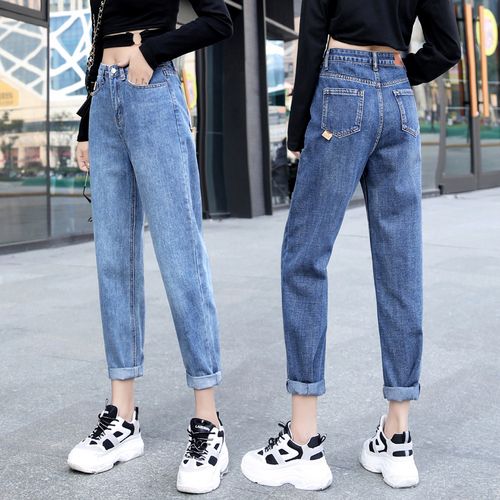
The fabric used in denim products plays a major role in comfort, durability, and appearance.
Professional manufacturers typically offer a wide range of denim materials, including:
- Raw denim
- Stretch denim
- Selvedge denim
- Organic cotton denim
- Recycled denim fabrics
- Lightweight denim
- Heavyweight premium denim
Different customer markets require different fabric characteristics.
For example, fashion-forward skinny jeans often use stretch fabrics for flexibility, while vintage-inspired collections may use rigid heavyweight denim.
A reliable jean manufacturer should provide detailed fabric specifications, including:
- Fabric weight
- Fiber composition
- Stretch percentage
- Wash performance
- Durability information
Brands should always request fabric swatches and sample garments before bulk production.
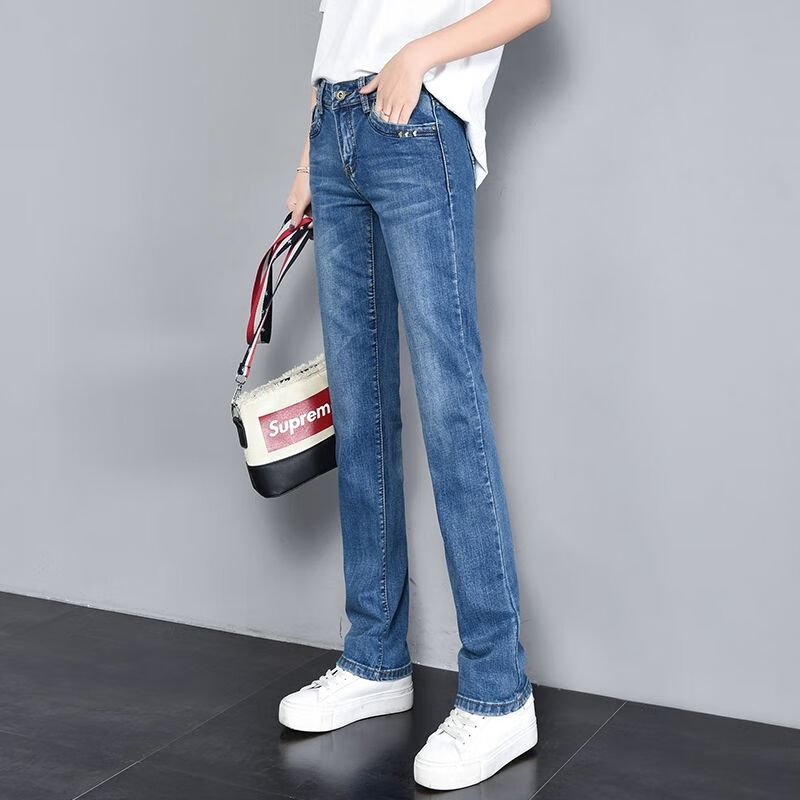
Pattern Making and Fit Development
Fit is one of the most important factors in customer satisfaction.
Even visually attractive jeans may fail if the fit is uncomfortable or inconsistent.
Professional manufacturers assist with:
- Pattern development
- Size grading
- Fit adjustments
- Wear testing
- Prototype revisions
They help brands create different styles such as:
- Slim fit jeans
- Relaxed fit denim
- Straight-leg styles
- Wide-leg silhouettes
- Tapered cuts
- High-waisted designs
Accurate pattern grading ensures sizing consistency across all production runs.
Reliable fit development helps reduce return rates and improves overall customer experience.
Washing and Finishing Expertise
One of the most distinctive aspects of denim production is garment washing.
Different washing techniques create unique textures, fades, and visual effects.
Popular denim finishing methods include:
- Stone washing
- Acid washing
- Enzyme washing
- Distressing
- Sanding effects
- Vintage fading
- Overdye techniques
These processes require specialized equipment and technical knowledge.
Improper washing can weaken fabric strength, create uneven coloring, or distort garment sizing.
An experienced jean manufacturer understands how to balance aesthetics with durability.
Creative wash development allows brands to create distinctive collections that stand out in crowded fashion markets.
Customization and Branding Support
Strong branding helps denim products become more recognizable and memorable.
Professional manufacturers often support customization features such as:
- Custom buttons and rivets
- Embroidered logos
- Leather patches
- Branded labels
- Printed pocket linings
- Decorative stitching
- Personalized packaging
These details contribute to a premium customer experience and strengthen brand identity.
A good manufacturing partner should understand how to execute branding elements consistently across all products.
Minimum Order Quantities and Production Flexibility
Many startup brands face challenges with high minimum order quantities.
Some factories only accept large production runs, which may not suit smaller businesses.
Choosing a manufacturer with flexible production capabilities allows brands to:
- Test new designs
- Launch capsule collections
- Reduce inventory risk
- Control upfront costs
- Adapt quickly to trends
Flexible production is especially valuable for growing fashion brands experimenting with new denim styles.
As business demand increases, production volume can gradually scale.
Quality Control Systems
Quality control is essential for maintaining product consistency.
Reliable jean manufacturers implement inspections throughout the production process rather than only checking garments at the end.
Quality control procedures may include:
- Fabric inspections
- Measurement verification
- Wash consistency checks
- Hardware testing
- Stitching inspections
- Final garment reviews
Strong quality control systems help reduce defects and improve customer satisfaction.
Consistent product quality encourages repeat purchases and strengthens brand loyalty.
Sustainable Denim Manufacturing
Sustainability has become increasingly important in the global fashion industry.
Traditional denim production often requires large amounts of water, chemicals, and energy.
As consumers become more environmentally conscious, many brands now seek sustainable manufacturing solutions.
Responsible jean manufacturers may offer:
- Organic cotton sourcing
- Recycled materials
- Eco-friendly dyeing methods
- Water-saving wash technologies
- Reduced chemical processing
- Ethical labor practices
Sustainable manufacturing can improve brand image and attract environmentally aware customers.
Transparency in production practices is becoming a key factor in consumer purchasing decisions.
Communication and Reliability
Good communication is one of the most important qualities in a manufacturing partnership.
Reliable suppliers should provide:
- Clear pricing information
- Accurate timelines
- Fast response times
- Production updates
- Technical guidance
Poor communication often causes:
- Production delays
- Incorrect orders
- Quality misunderstandings
- Missed deadlines
Fashion brands should prioritize manufacturers who communicate professionally and transparently throughout the production process.
Strong communication helps prevent costly mistakes and improves long-term collaboration.
Shipping and Lead Times
Production speed and delivery reliability directly affect inventory management and customer satisfaction.
Before placing orders, brands should discuss:
- Sampling timelines
- Bulk production lead times
- Shipping methods
- Packaging standards
- Export experience
Professional jean manufacturers should provide realistic schedules and maintain transparency if delays occur.
Reliable logistics support helps brands launch products more efficiently and maintain stable inventory levels.
Long-Term Manufacturing Partnerships
Many successful denim brands maintain long-term relationships with trusted manufacturers.
Long-term partnerships often provide:
- Better pricing
- Faster production
- Improved communication
- Greater product consistency
- Easier collection development
Manufacturers who understand your brand standards can produce more reliable results over time.
Strong partnerships also create better collaboration during future product development.
Why the Right Manufacturer Supports Brand Growth
A dependable jean manufacturer allows fashion brands to focus on:
- Product design
- Marketing campaigns
- Customer experience
- Business expansion
- Brand building
Instead of dealing with production problems, brands can concentrate on growing sales and strengthening customer relationships.
Reliable manufacturing support improves operational efficiency and helps businesses remain competitive in the evolving denim market.
Final Thoughts
Choosing the right jean manufacturer is essential for building a successful denim brand.
From fabric sourcing and fit development to washing expertise and quality control, every stage of production influences the final customer experience.
A professional manufacturing partner helps apparel businesses create durable, fashionable, and consistent denim products that meet modern market expectations.
As denim trends continue to evolve, working with an experienced and reliable manufacturer becomes increasingly valuable for long-term growth.
At Monsoon Apparel, quality craftsmanship, reliable production processes, and attention to detail help fashion brands develop premium denim collections designed for today’s competitive global apparel market.