Oversized T-shirts have become a popular staple in modern fashion. From streetwear brands and casual clothing collections to premium everyday basics, their relaxed silhouettes and comfortable fit appeal to a wide range of customers.
However, creating a high-quality oversized T-shirt involves more than choosing a loose-fitting pattern. Fabric weight plays an important role in determining how the garment looks, feels, and performs.
A fabric that is too lightweight may make an oversized T-shirt look shapeless, while an excessively heavy material can feel uncomfortable, especially in warm weather. Choosing the right fabric weight helps clothing brands achieve the ideal balance between structure, comfort, durability, and appearance.
In this guide, we explain how to choose the right GSM for oversized T-shirts and what private label clothing brands should consider before starting bulk production.
1. What Does GSM Mean in T-Shirt Fabric?
GSM stands for grams per square meter. It measures the weight of fabric over a specific area and is commonly used in the textile and apparel manufacturing industries.
For T-shirt production, GSM is an important specification because it influences fabric thickness, hand feel, drape, and overall garment weight.
Generally, oversized T-shirts are produced using several fabric weight categories:
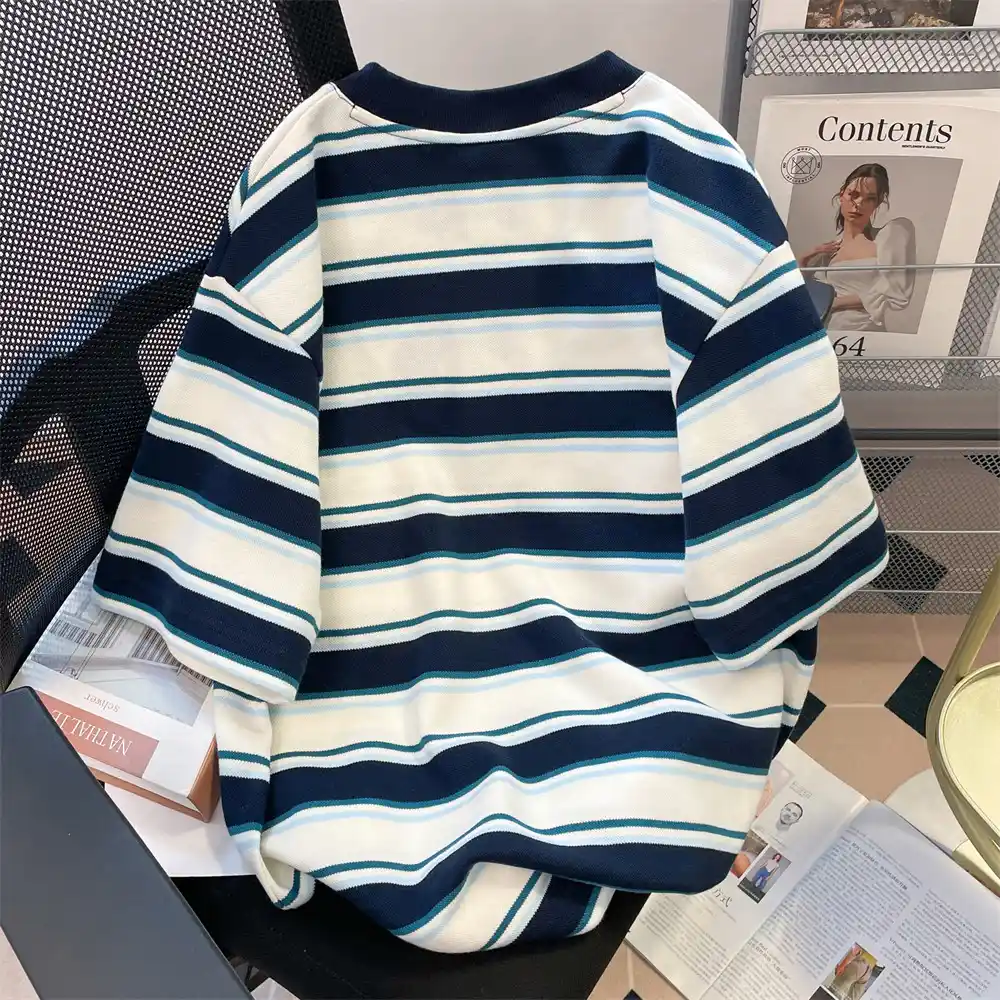
- 120–150 GSM: Lightweight and breathable.
- 150–180 GSM: Lightweight to medium-weight.
- 180–220 GSM: Medium-weight and versatile.
- 220–260 GSM: Heavyweight with more structure.
- 260–300+ GSM: Extra heavyweight, often used for premium streetwear.
These ranges are general guidelines rather than fixed industry standards. Actual fabric performance also depends on fiber composition, yarn quality, knitting structure, and finishing treatments.
Understanding GSM helps clothing brands communicate their requirements more accurately when working with a custom T-shirt manufacturer.
2. Lightweight Fabric: 120–160 GSM
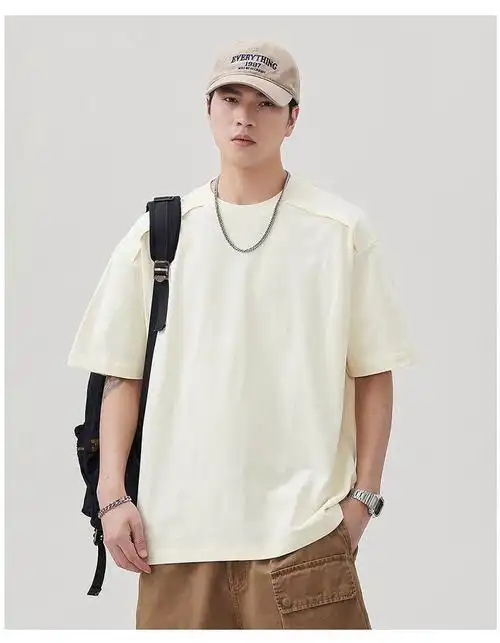
Lightweight cotton fabric is suitable for oversized T-shirts designed for hot weather, summer collections, and everyday casual wear.
Its main advantages include:
- Good airflow and wearing comfort.
- Soft and lightweight hand feel.
- Easier movement and flexibility.
- Lower overall garment weight.
Lightweight oversized T-shirts often have a relaxed and flowing appearance.
However, lightweight fabrics may not provide enough structure for certain oversized silhouettes. Depending on the construction, they may also be more transparent or more likely to lose their shape after repeated washing.
For brands targeting summer fashion or affordable everyday basics, lightweight cotton or cotton-blend fabrics can be a practical option.
3. Medium-Weight Fabric: 180–220 GSM
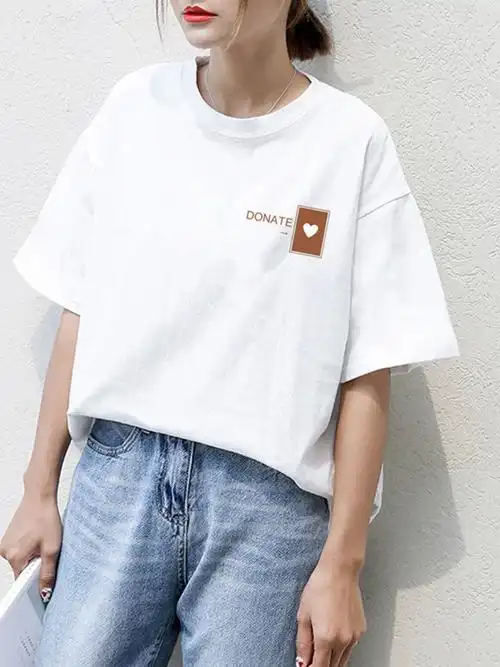
Medium-weight fabric is one of the most versatile choices for oversized T-shirts.
It offers a balance between softness, durability, breathability, and garment structure.
Compared with lightweight materials, medium-weight cotton jersey generally provides better coverage and helps oversized garments maintain a more consistent shape.
This weight category works well for:
- Everyday oversized T-shirts.
- Unisex casualwear.
- Basic streetwear collections.
- Private label T-shirt lines.
- Promotional and branded apparel.
For clothing brands developing products for different seasons, 180–220 GSM is a useful starting point.
It provides enough substance for a premium casual look without making the garment excessively heavy.
4. Heavyweight Fabric: 220–260 GSM
Heavyweight cotton has become particularly popular in premium streetwear and oversized T-shirt collections.
Its thicker construction creates a more substantial hand feel and helps garments maintain a structured silhouette.
This is especially important for oversized designs featuring:
- Dropped shoulders.
- Wide sleeves.
- Boxy body shapes.
- Wider neck ribs.
- Shorter body lengths.
A heavyweight fabric can help these design features look more defined.
Another advantage is that thicker materials often provide better coverage and may feel more durable, depending on their construction and quality.
However, heavyweight oversized T-shirts can retain more heat and may feel less comfortable in hot climates.
For brands developing premium streetwear or fashion-focused basics, 220–260 GSM is often worth considering.
5. Extra Heavyweight Fabric: 260–300+ GSM
Extra heavyweight fabrics are commonly associated with high-end streetwear and statement oversized T-shirts.
They create a thick, structured appearance that gives garments a distinctive silhouette.
These fabrics are suitable for brands that want their T-shirts to have a substantial feel and a more architectural shape.
Common applications include:
- Premium boxy oversized T-shirts.
- Luxury streetwear basics.
- Limited-edition graphic T-shirts.
- Fashion-forward unisex collections.
However, heavier does not automatically mean better.
Extra heavyweight fabric may increase production costs, garment weight, and shipping expenses. It can also require adjustments to sewing techniques and construction details.
Brands should carefully consider their target market and intended wearing environment before selecting this weight category.
6. How Fabric Weight Affects Oversized T-Shirt Fit
Fabric weight has a direct influence on how an oversized T-shirt looks when worn.
For example, a 150 GSM cotton jersey may create a softer, more relaxed silhouette. A 240 GSM fabric may produce a more structured shape with sleeves and shoulders that hold their form more clearly.
This is particularly important because oversized clothing relies on proportions rather than simply increasing garment measurements.
The right fabric weight can help create:
A Structured Shoulder Shape: Medium-heavy and heavyweight fabrics can help dropped shoulders maintain a defined appearance.
Better Sleeve Shape: Thicker materials can give wide sleeves more volume and structure.
A Boxy Silhouette: Heavier fabrics can help create the clean, straight shape commonly used in premium streetwear.
Improved Coverage: Higher fabric density may reduce transparency, although actual opacity depends on yarn, knit construction, and color.
When developing an oversized T-shirt collection, fabric selection and pattern design should be considered together.
7. Cotton vs. Cotton Blends: Which Is Better?
Fabric composition is another important factor when selecting GSM.
100% Cotton
Cotton is a popular choice for oversized T-shirts because of its natural feel, breathability, and versatility.
It works well for both lightweight summer products and heavyweight streetwear designs.
Cotton-Polyester Blends
These fabrics combine cotton comfort with some of polyester’s practical characteristics, such as improved dimensional stability in certain constructions.
They may also offer easier care and reduced shrinkage compared with some untreated cotton fabrics.
Cotton-Elastane Blends
A small amount of elastane adds stretch and flexibility.
These blends are more common in fitted or stretch-oriented styles, although they can also be considered for oversized designs that require additional comfort.
The best composition depends on the product positioning, target customers, and expected performance.
8. Important Factors to Check Before Bulk Production
Before confirming fabric weight for an oversized T-shirt order, clothing brands should evaluate several additional specifications.
- Fabric shrinkage: Check dimensional changes after washing.
- Pilling resistance: Evaluate how the fabric performs after repeated friction.
- Colorfastness: Test whether colors remain consistent during washing and rubbing.
- Hand feel: Compare softness, thickness, and surface texture.
- Fabric recovery: Check whether the material maintains its shape after wearing.
- Neckline stability: Make sure the rib fabric and neckline construction provide suitable support.
- Print compatibility: Confirm that the fabric works with the intended screen printing, embroidery, or heat-transfer technique.
It is also important to develop and wash-test samples before approving bulk production.
A well-selected fabric should match not only the desired GSM but also the overall design and quality expectations of the clothing brand.
Conclusion
Choosing the right fabric weight is essential for producing high-quality oversized T-shirts.
Lightweight fabrics are suitable for breathable summer collections, medium-weight materials offer versatility for everyday basics, and heavyweight fabrics create the structured appearance often preferred by premium streetwear brands.
For many oversized T-shirt collections, 180–240 GSM is a practical starting range, although the ideal weight depends on the design, fabric composition, target market, and desired silhouette.
At Monsoon Apparel, fabric selection is an important part of developing custom T-shirt collections. From fabric weight and composition to garment construction and finishing, every detail contributes to the final product.
Whether you are launching a new streetwear label or expanding an existing private label clothing line, choosing the right fabric weight helps create oversized T-shirts that look great, feel comfortable, and meet your customers’ expectations.