Choosing the right fabric is essential when developing premium sportswear. Unlike ordinary casual clothing, sportswear needs to provide comfort, flexibility, durability, and a professional appearance during physical activities. Among the many textile options available, double-knit fabric has become a popular choice for brands looking to create high-quality performance apparel.
Known for its stable structure, smooth surface, and comfortable feel, double-knit fabric offers several advantages over traditional single-knit materials. It can also provide a good balance between flexibility and garment support, making it suitable for various athletic and athleisure collections.
But what exactly makes double-knit fabric suitable for premium sportswear? Let’s explore its construction, key benefits, common applications, and important considerations for clothing brands.
1. What Is Double-Knit Fabric?
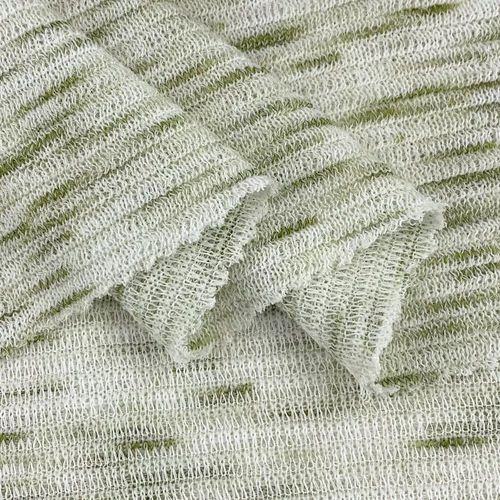
Double-knit fabric is a type of knitted textile produced using two sets of needles or needle beds, creating an interconnected fabric structure with two knitted layers.
Unlike single jersey fabric, which has a distinct face and back, double-knit fabrics generally have a more balanced structure on both sides.
Common double-knit constructions include interlock, double jersey, and other specialized knitted structures. Their characteristics vary depending on the yarn composition, knitting technique, and finishing process.
Double-knit fabrics are commonly made from polyester, nylon, cotton, viscose, or blended fibers. Elastane can also be incorporated to improve stretch and recovery.
For premium sportswear manufacturers, this versatility makes double-knit fabric an attractive material for developing garments that require both comfort and structural stability.
2. Better Shape Retention and Structural Stability
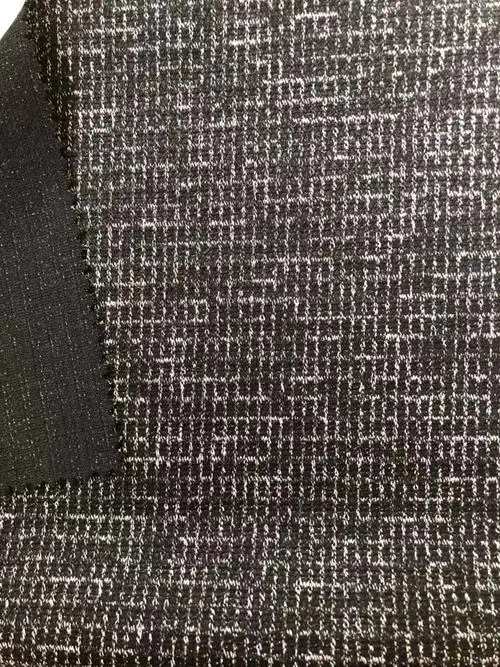
One of the main advantages of double-knit fabric is its relatively stable construction.
Because of its interconnected knitted structure, it generally offers better dimensional stability than many lightweight single-knit fabrics.
This is particularly important for sportswear because garments are frequently stretched, pulled, folded, and washed.
For example, leggings, training tops, and athletic jackets need to maintain their intended shape after repeated use.
A well-developed double-knit fabric can help reduce unwanted distortion and maintain a more consistent garment appearance.
For premium sportswear brands, shape retention contributes to a more polished product and a better overall wearing experience.
However, actual performance depends on fiber selection, fabric density, elastane content, and finishing quality.
3. Excellent Balance Between Stretch and Support
Sportswear needs to move naturally with the body.
During exercise, garments must accommodate different movements, including stretching, bending, running, and lifting.
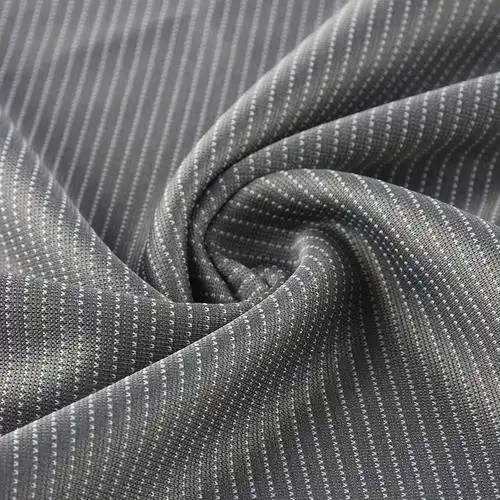
Double-knit fabrics can provide a comfortable balance between flexibility and support, particularly when blended with elastane.
Compared with some lightweight single-knit fabrics, certain double-knit constructions offer a firmer feel and more substantial coverage.
This makes them suitable for sportswear products that require a combination of stretch, stability, and body coverage.
Common applications include:
- Training leggings and athletic pants.
- Yoga tops and workout shirts.
- Sports jackets and trackwear.
- Cycling apparel.
- Athletic shorts and fitted training garments.
When selecting fabric for these products, brands should evaluate four-way stretch, stretch recovery, and fabric thickness to ensure that the material meets the intended performance requirements.
4. Smooth Surface for a Premium Appearance
Appearance plays an important role in premium sportswear.
Customers increasingly expect athletic clothing to look stylish enough for both workouts and everyday activities.
Double-knit fabric often provides a smooth, even surface that supports a clean and refined garment appearance.
Depending on the construction and finishing treatment, it can also provide a more substantial hand feel than lightweight jersey fabrics.
This makes it suitable for products that combine athletic functionality with modern fashion design.
For example, premium training tops, fitted sports jackets, and athleisure trousers can benefit from the smooth surface and structured appearance of double-knit materials.
The fabric can also work well with different branding techniques, including heat transfers, embroidery, and other decorative applications, provided the selected construction is compatible with the process.
5. Improved Durability for Frequent Wear
Sportswear is exposed to repeated movement, friction, washing, and stretching.
As a result, durability is an important factor when selecting fabrics for athletic clothing.
Many double-knit fabrics offer a relatively stable construction that can withstand regular use when manufactured with suitable yarns and finishing treatments.
They can also provide good resistance to fabric distortion and help maintain garment appearance over time.
For premium sportswear, buyers should evaluate:
- Pilling resistance.
- Abrasion resistance.
- Seam strength.
- Colorfastness.
- Stretch recovery.
- Dimensional stability after washing.
Polyester and nylon double-knit fabrics are commonly considered for performance-oriented products because of their strength and practical care properties.
However, the final result depends on the specific fabric specification rather than the double-knit structure alone.
6. Comfortable Coverage and Fabric Thickness
Another reason double-knit fabric is widely used in premium sportswear is its ability to provide comfortable coverage.
Some lightweight athletic fabrics can become transparent when stretched, particularly in fitted garments.
A suitable double-knit construction can provide greater fabric density and opacity, making it a useful option for leggings, fitted pants, and other close-fitting sportswear.
The thickness and weight of the fabric can also help create a more substantial feel.
However, thicker fabric is not automatically better.
For high-intensity workouts, excessive fabric weight may reduce comfort and increase heat retention.
Clothing brands should select an appropriate GSM based on the intended activity, climate, garment design, and target customers.
7. Suitable for Different Sportswear and Athleisure Collections
Double-knit fabric is versatile enough to support several types of sportswear products.
Yoga and Fitness Apparel
Stretchable double-knit fabrics with elastane can provide flexibility and coverage for yoga pants, fitted tops, and training leggings.
Training Jackets and Trackwear
More structured double-knit fabrics can create clean silhouettes for athletic jackets, warm-up tops, and sports trousers.
Premium Athleisure Clothing
The smooth surface and substantial hand feel make double-knit fabrics suitable for fashionable athletic clothing designed for both exercise and everyday wear.
Sports Tops and Bottoms
Depending on fabric weight and fiber composition, double-knit materials can be used for fitted shirts, athletic shorts, and comfortable training sets.
Choosing the correct construction for each product helps brands achieve a balance between appearance, comfort, and performance.
8. What Should Brands Consider When Sourcing Double-Knit Fabric?
Before placing a bulk sportswear order, clothing brands should carefully evaluate the fabric specifications.
Important factors include:
Fiber Composition: Polyester, nylon, cotton, and elastane offer different performance characteristics. Choose a blend based on the product’s intended use.
Fabric Weight: GSM affects thickness, coverage, drape, and overall garment comfort.
Stretch and Recovery: Check whether the material returns to its original shape after repeated stretching.
Breathability: Consider whether the fabric is suitable for the intended exercise intensity and wearing environment.
Colorfastness: Test resistance to color fading during washing and rubbing.
Pilling Resistance: Evaluate surface durability under repeated friction.
Shrinkage: Check dimensional stability after washing and drying.
Requesting fabric swatches and developing samples before bulk production can help identify potential problems early.
Working with an experienced sportswear manufacturer also helps ensure that the selected material matches the garment design and production requirements.
Conclusion
Double-knit fabric is an excellent option for many premium sportswear applications because of its stable construction, comfortable stretch, smooth surface, and versatile performance characteristics.
It works particularly well for athletic leggings, training tops, sports jackets, and athleisure collections that require a balance between flexibility, coverage, and a polished appearance.
However, selecting the right double-knit fabric requires careful consideration of fiber composition, GSM, stretch recovery, breathability, and durability.
At Monsoon Apparel, choosing suitable materials is an important part of developing high-quality custom clothing collections. Whether you are creating premium activewear, fitness apparel, or a new private label sportswear line, the right fabric selection helps establish product quality and strengthen your brand identity.
Great sportswear starts with the right combination of fabric technology, thoughtful design, and reliable apparel manufacturing.