
Night running offers a unique sense of freedom. Whether you prefer quiet evening jogs, early-morning training sessions, or long-distance runs after work, running in low-light conditions requires more than a comfortable pair of shoes. Visibility, weather protection, and thoughtful apparel design all play important roles in a better running experience.
One innovation making a difference in modern sportswear is 3M™ Scotchlite™ reflective material. By combining functional visibility features with creative garment design, reflective running apparel helps runners stand out when illuminated by headlights and other light sources. But how does reflective technology work, and how can it become part of stylish, performance-driven running clothing?
1. How 3M Reflective Materials Improve Nighttime Visibility
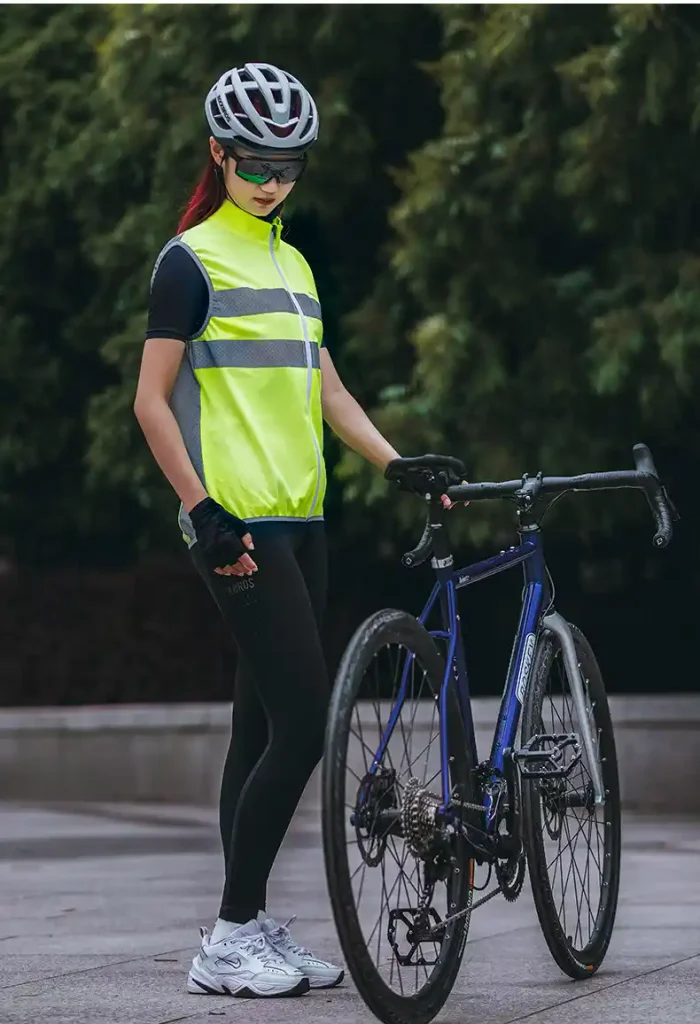
Traditional running clothes often rely on bright colors to attract attention. While fluorescent colors can help improve visibility during daylight, their effectiveness decreases in darkness. Reflective materials provide another layer of visibility by returning light toward its original source.
This process, known as retroreflection, helps make a runner more noticeable to drivers when headlights illuminate reflective details. According to 3M, Scotchlite reflective materials are designed to enhance visibility in low-light and nighttime conditions.
For night runners, this technology can be incorporated into jackets, running shirts, leggings, shorts, shoes, and accessories. Reflective strips placed on sleeves, shoulders, backs, and lower legs can help create visible highlights from different viewing angles.
However, reflective details are not a substitute for attentive road use or dedicated high-visibility safety equipment where required. Their effectiveness depends on the material, placement, illumination, and surrounding conditions. Runners should also choose well-lit routes and remain alert to traffic.
2. The Art of Reflective Design: More Than Silver Stripes
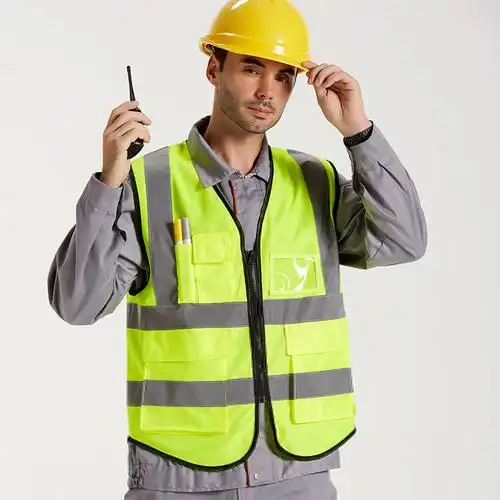
Reflective running apparel has evolved beyond the simple silver strips once associated with safety clothing. Designers can now use reflective elements to create distinctive patterns, clean geometric lines, subtle logos, and striking visual contrasts.
The secret is strategic placement.
Shoulder and back details: Reflective accents across the shoulders and upper back can help create a recognizable silhouette when viewed from behind.
Sleeve and side panels: Carefully positioned lines add visual movement while supporting visibility during arm swings and body rotation.
Lower-leg accents: Reflective details near the ankles can make leg movement more noticeable, creating a dynamic appearance as runners move.
Minimalist reflective logos: Small reflective graphics provide a restrained, modern look during the day while catching light at night.
These design choices demonstrate how safety-oriented features can become part of a garment’s visual identity. Instead of treating reflective material as an afterthought, designers can integrate it into the overall construction of the apparel.
3. Choosing Reflective Running Clothes That Perform
Not all reflective garments deliver the same experience. When shopping for reflective running jackets or night running shirts, consider several practical factors.
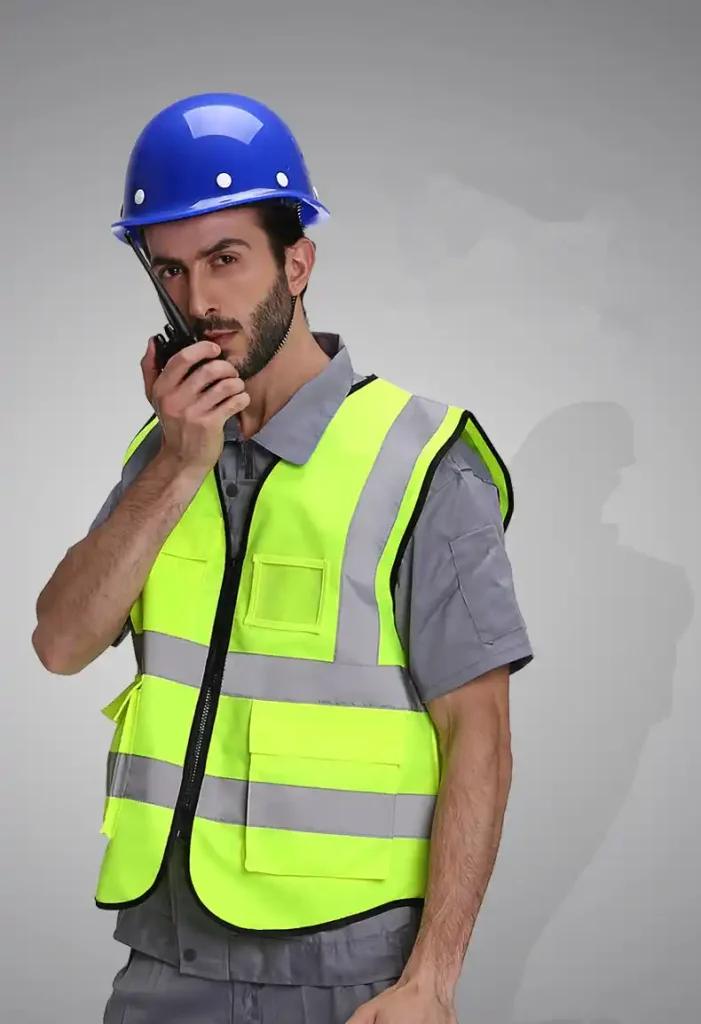
First, examine the placement and coverage of the reflective elements. A single small logo may look attractive, but it offers a different level of visibility from strategically distributed details.
Second, consider the fabric. Lightweight, breathable materials are valuable for high-intensity workouts, while wind-resistant outer layers can be useful in cooler weather. Stretch, moisture management, and freedom of movement also matter, especially during longer runs.
Third, check garment construction and care instructions. Reflective materials use different attachment methods, and their durability depends on the specific product and how it is maintained. Follow the manufacturer’s washing guidance to help preserve the garment’s performance.
Finally, prioritize fit. Clothing that moves comfortably with the body is more likely to become a regular part of your training routine.
4. Reflective Apparel for Every Season
The best night running outfit depends on the weather and the intensity of your workout.
In warmer months, a lightweight reflective running shirt paired with breathable shorts can provide a comfortable foundation. During transitional seasons, a long-sleeve top or thin running jacket offers additional coverage without excessive bulk.
Winter running calls for more thoughtful layering. A moisture-wicking base layer, an insulating mid-layer when needed, and a weather-appropriate outer shell can help manage changing temperatures. Reflective details across the outer layer remain useful because that garment is more likely to be visible to approaching headlights.
Remember that visibility and warmth are separate performance considerations. A highly reflective garment may not provide meaningful insulation, just as a warm jacket may offer limited visibility if it lacks reflective features.
5. Where Safety Meets Modern Sportswear
Today’s runners increasingly expect their clothing to deliver comfort, function, and visual appeal at the same time. Reflective running apparel answers this demand by combining technical materials with versatile designs suitable for regular training.
At Monsoon Apparel, the guiding idea is simple: performance clothing should support the way people actually move and live. Thoughtful details, comfortable fabrics, and functional design can help make running gear more practical without sacrificing personal style.
When selecting your next night running outfit, look beyond appearance alone. Consider reflective coverage, fabric breathability, weather protection, fit, and care requirements.
The result is a more considered approach to running apparel—one that brings together visibility, comfort, and contemporary design.
Final Thoughts
The art of 3M reflective materials lies in the balance between science and creativity. Retroreflective technology helps improve visibility under suitable lighting conditions, while thoughtful placement transforms functional details into distinctive design elements.
Whether you are building a dedicated night running wardrobe or upgrading your everyday training essentials, reflective running clothes are worth considering. Choose apparel that fits comfortably, suits your climate, and provides useful reflective coverage.
Because great running gear should do more than look good. It should help you move confidently, train comfortably, and make every run feel better planned.